
The Safflower in Japan
Flower(s) Collection
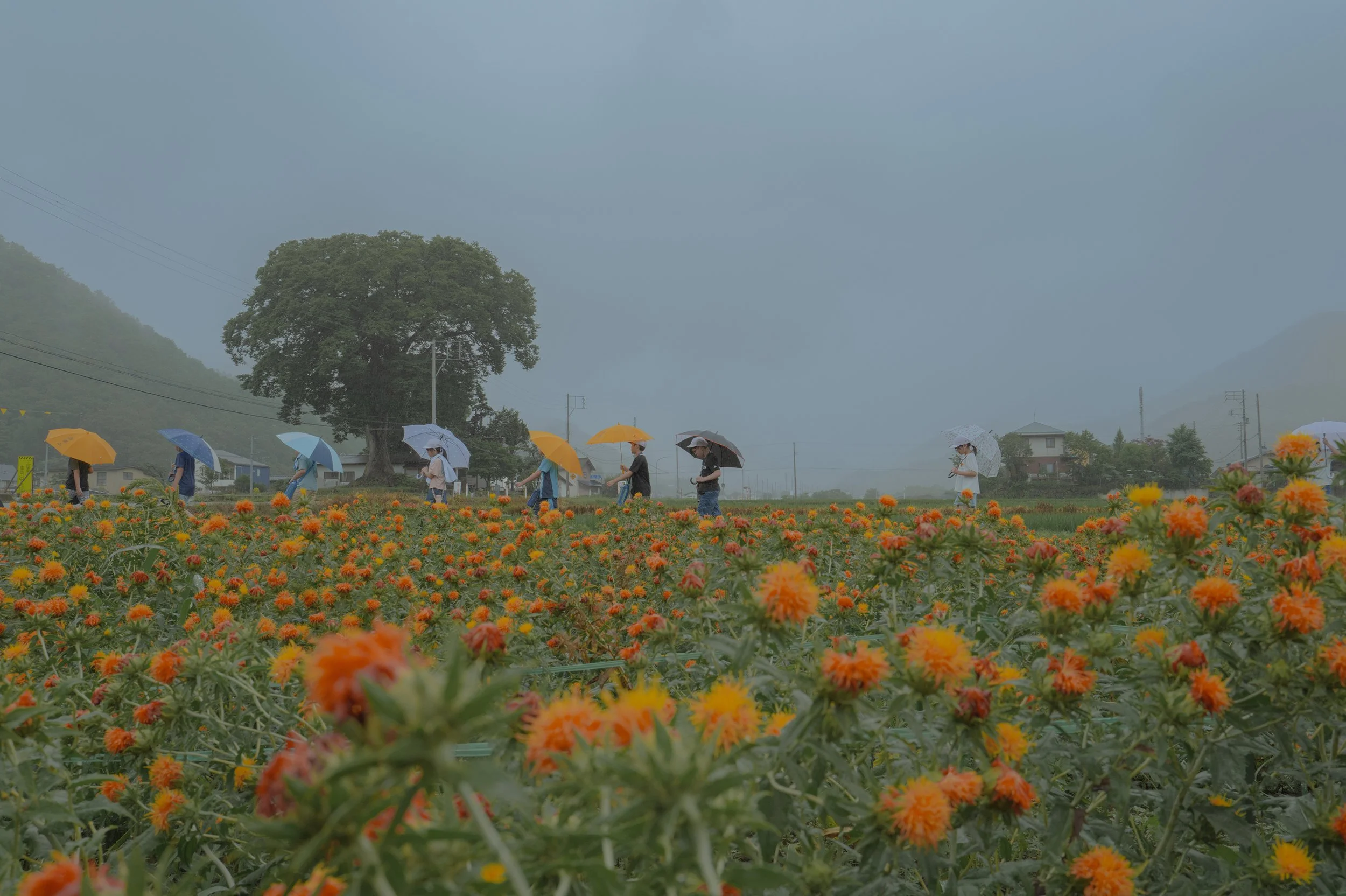
Flowers are more than a thing of beauty. Around the world, communities have been developing unique relationships with certain species for centuries, integrating them into cultural traditions, rituals, economies and daily life. The aim of Flower(s), a long-term photographic project by Teresa Freitas, is to document how flowers help shape identity by being present in different places – whether through their use in dyeing, ceremonial offerings, food, cosmetics, health practices, or other roles. Photography becomes a way to preserve fragile and untold stories that risk disappearing with time, as cultural practices fade and species face new threats from climate change, urbanisation and unsustainable harvesting.
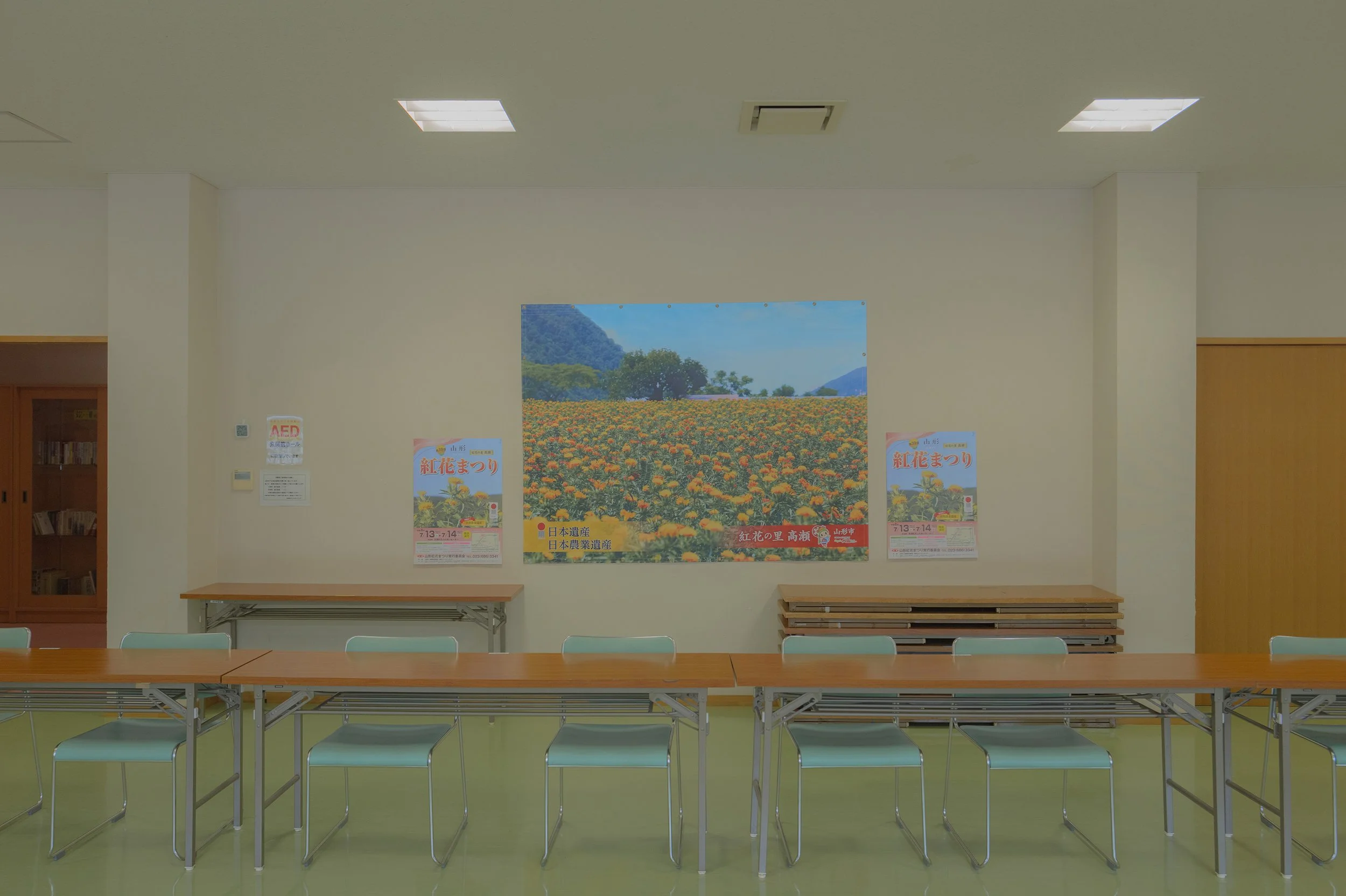
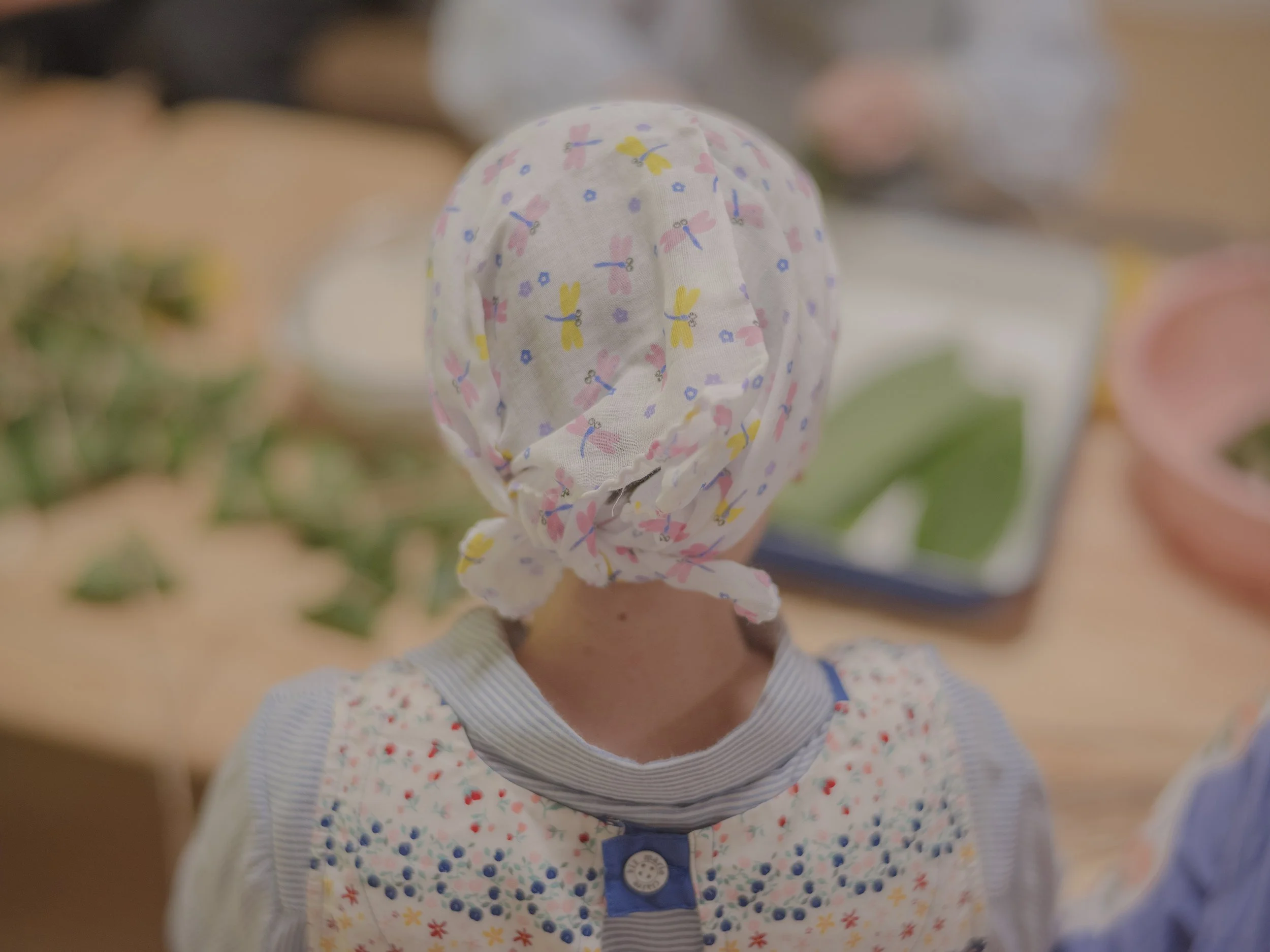
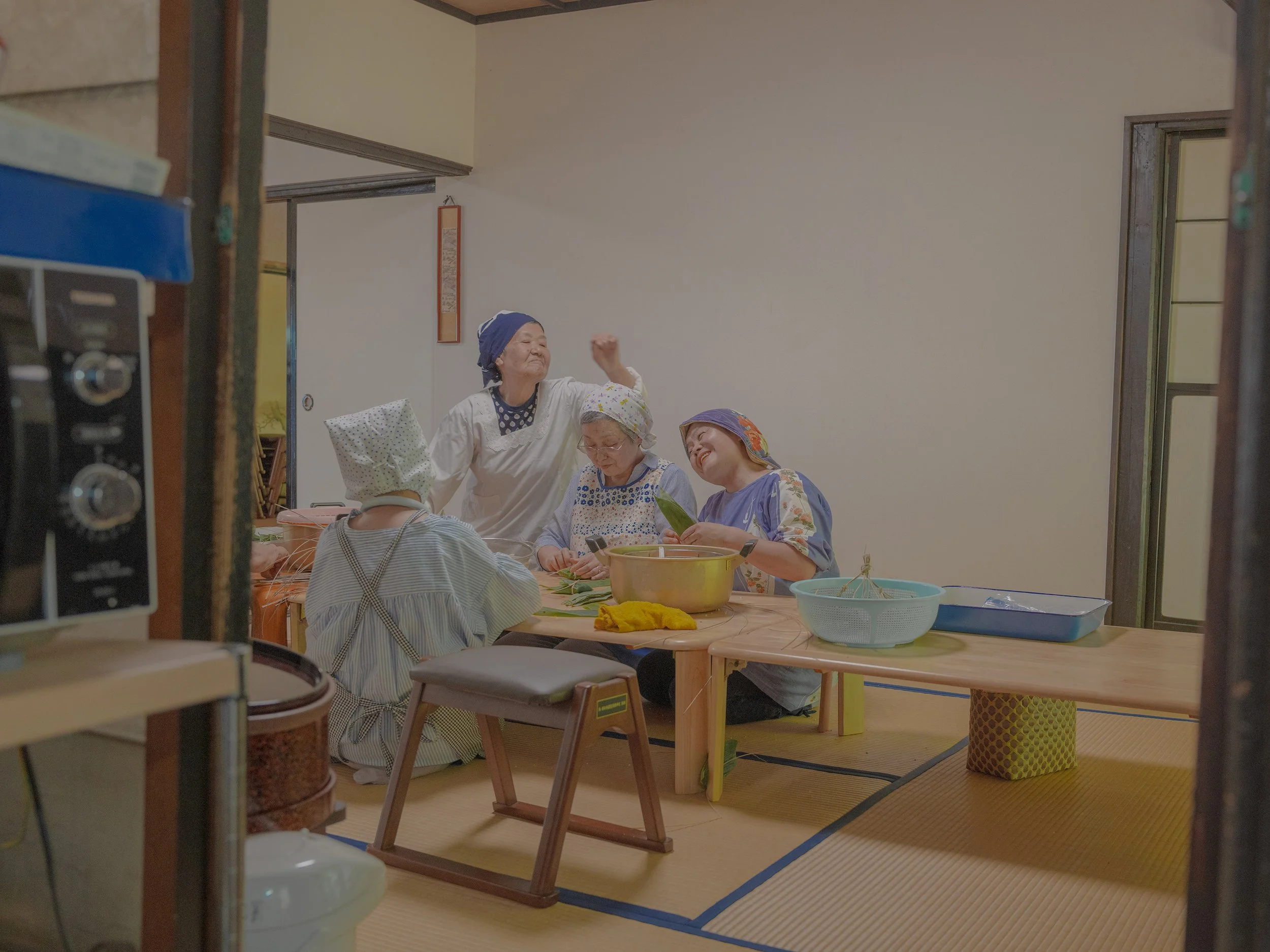
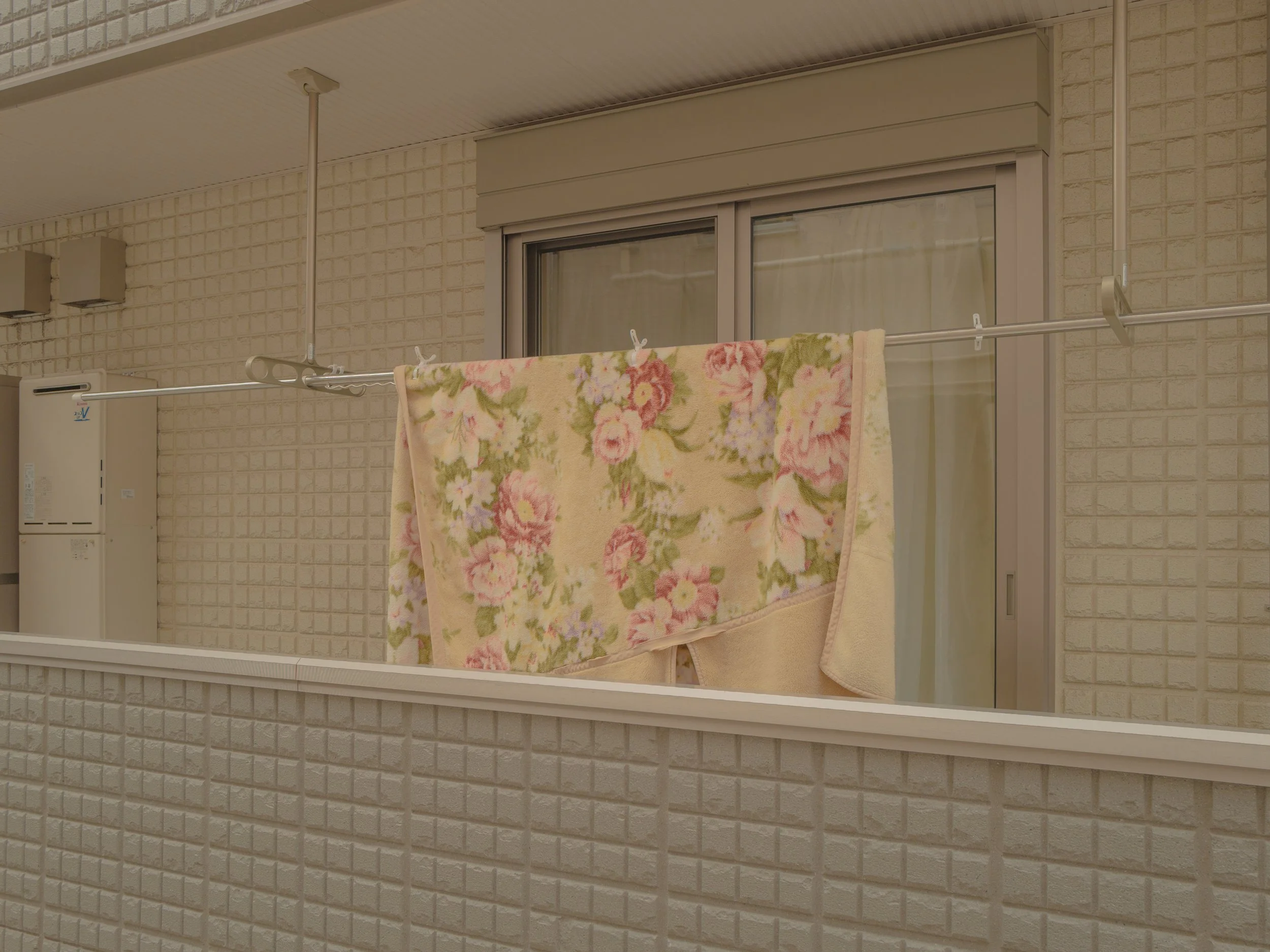
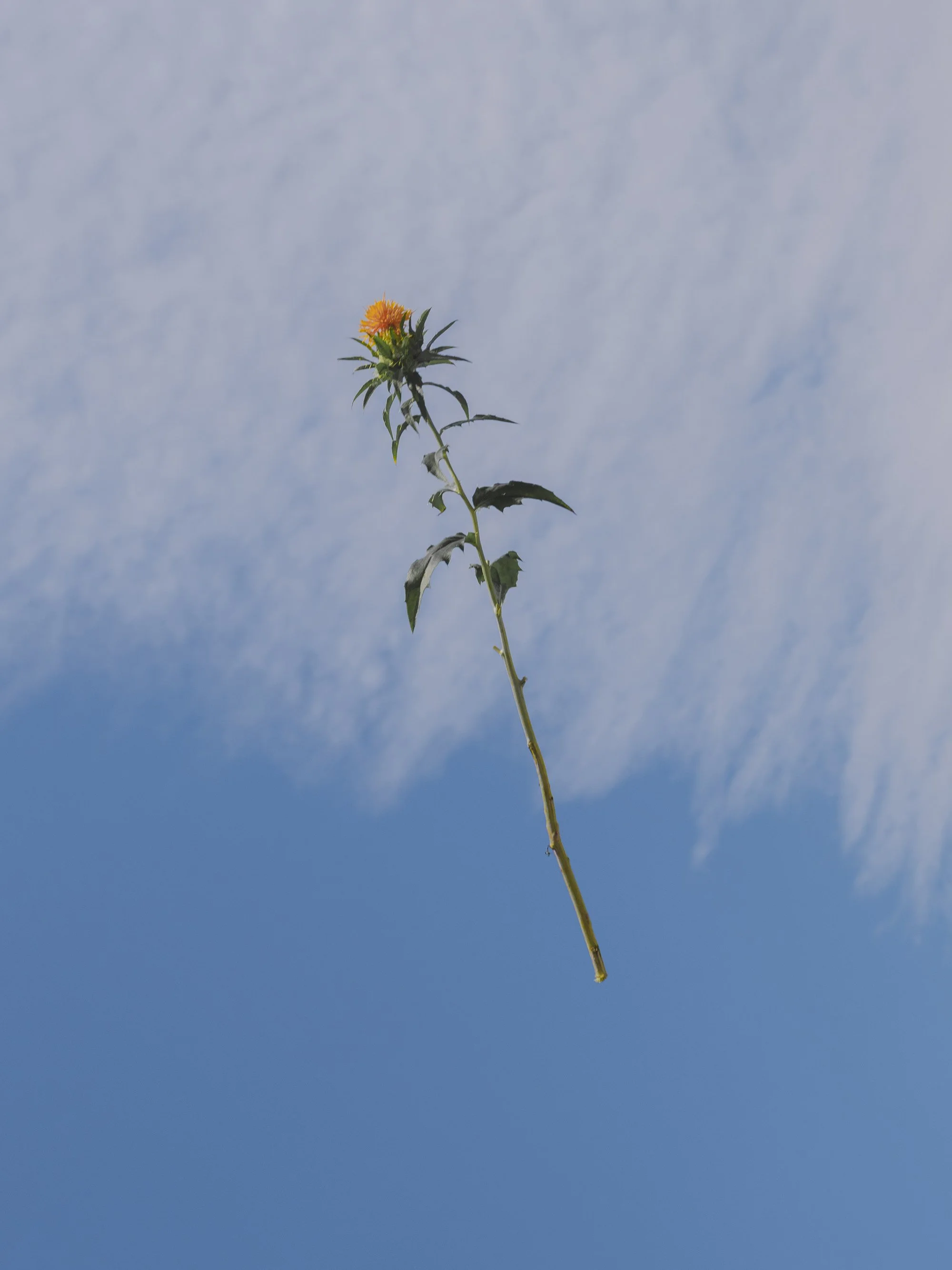
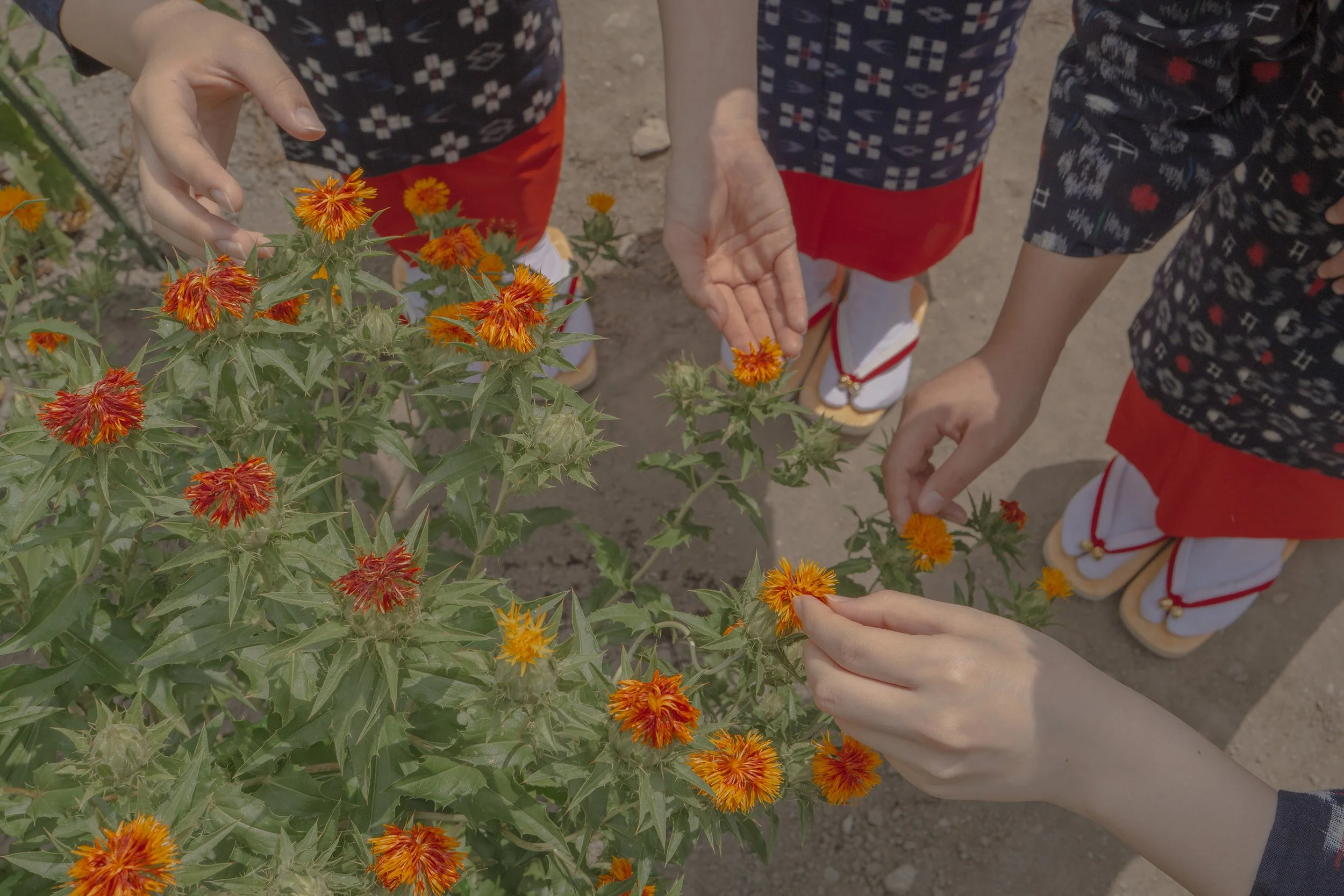
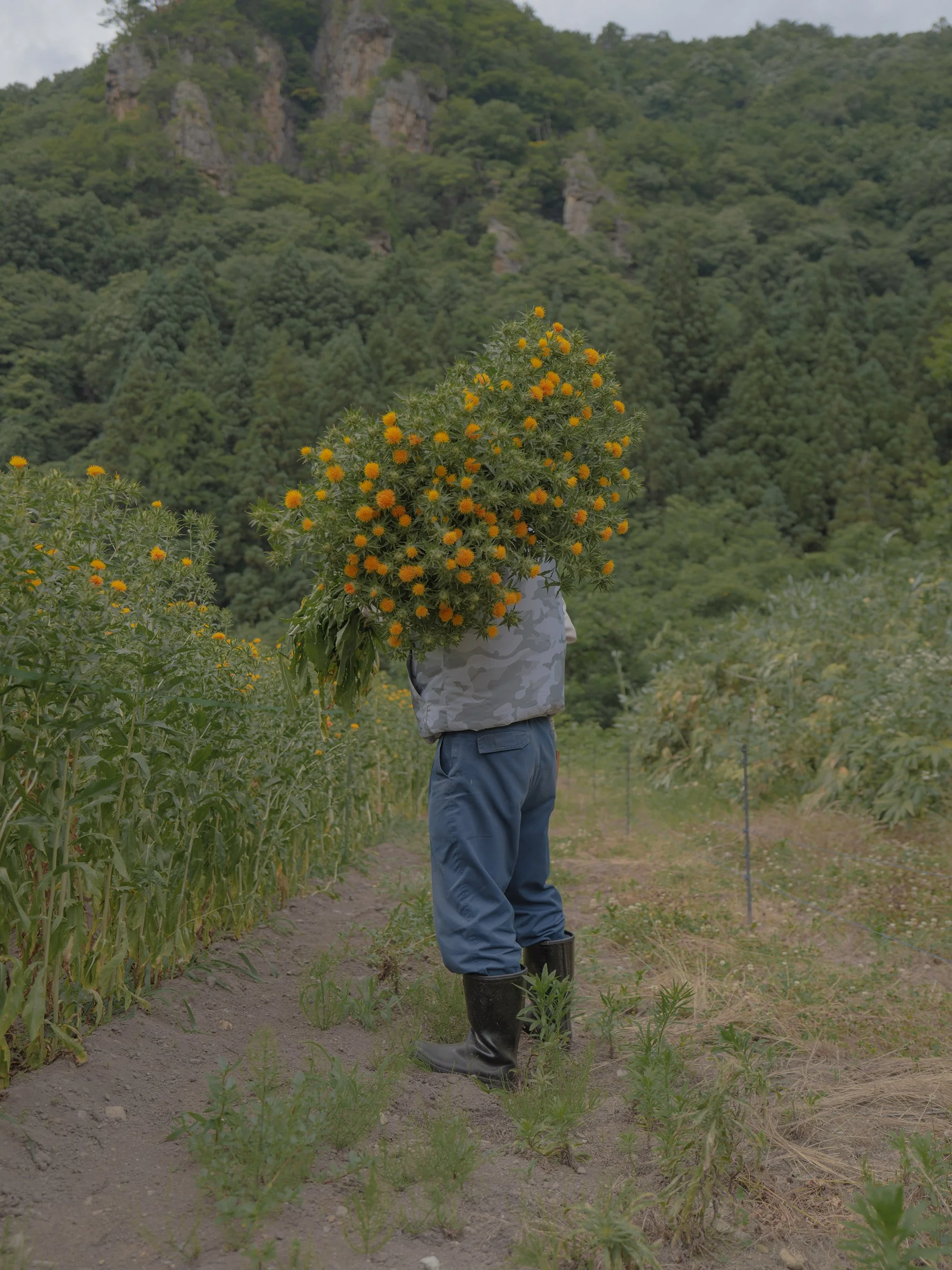
The first chapter of this project was completed in the Yamagata Prefecture of Japan, where the safflower (Carthamus tinctorius) continues to carry meaning within local life. Every summer, in the quieter hours of the morning, farmers harvest the flower’s fine petals while its thorns are still softened by dew. For centuries these petals have been transformed into dyes, producing shades from pale pink to the crimson rouge once reserved for the elite.
But how can a yellow flower produce such a deep shade of red, many wonder.

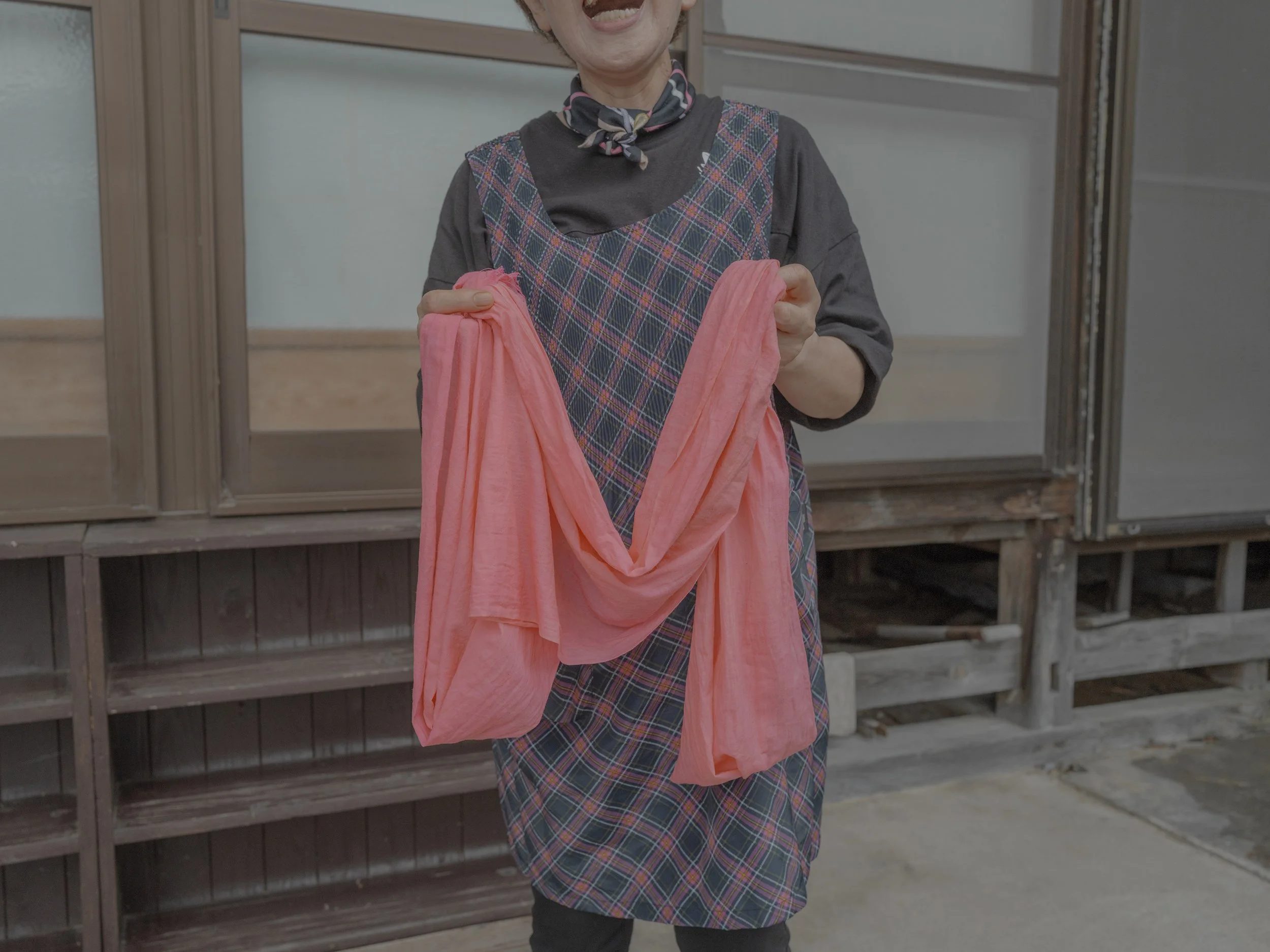

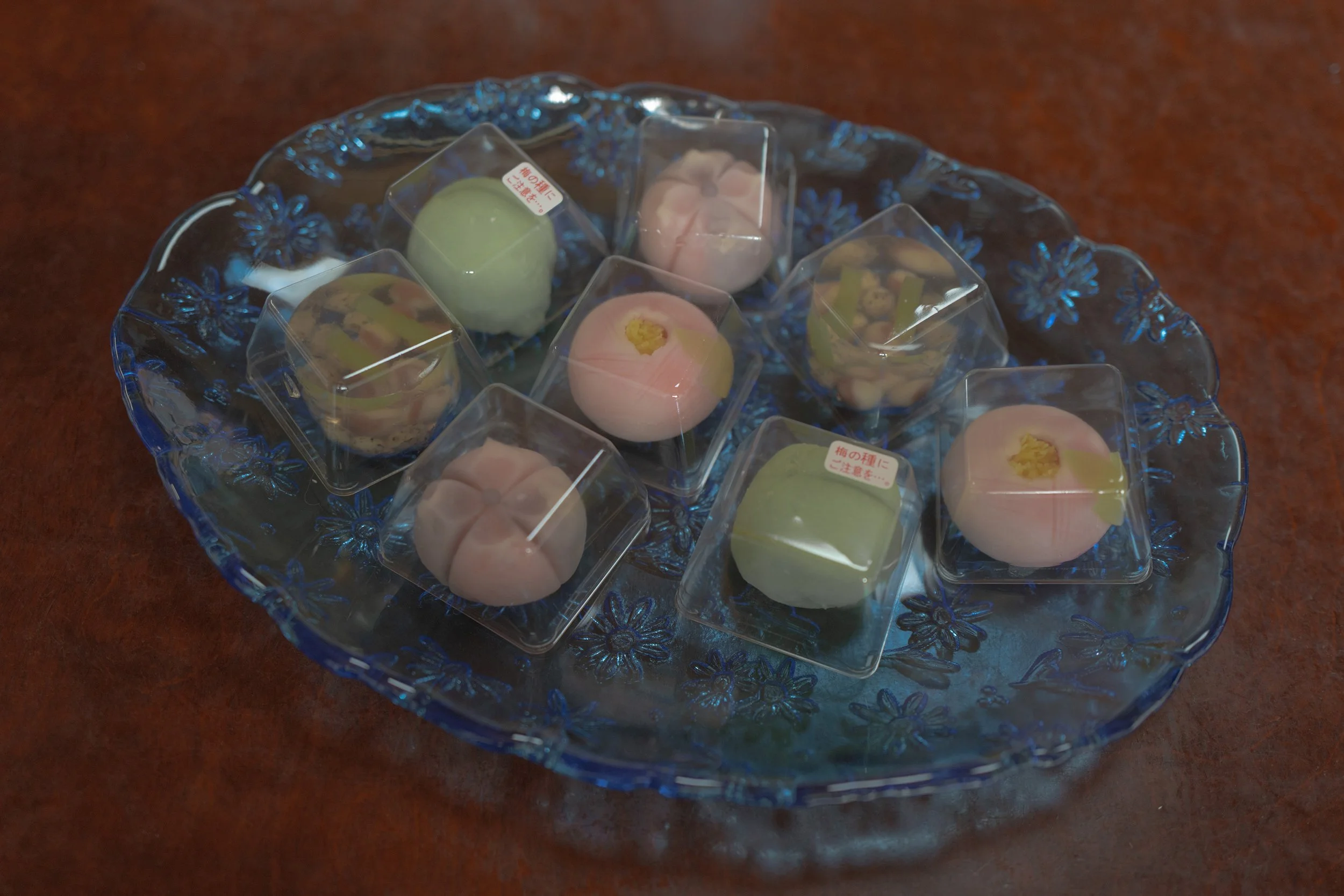
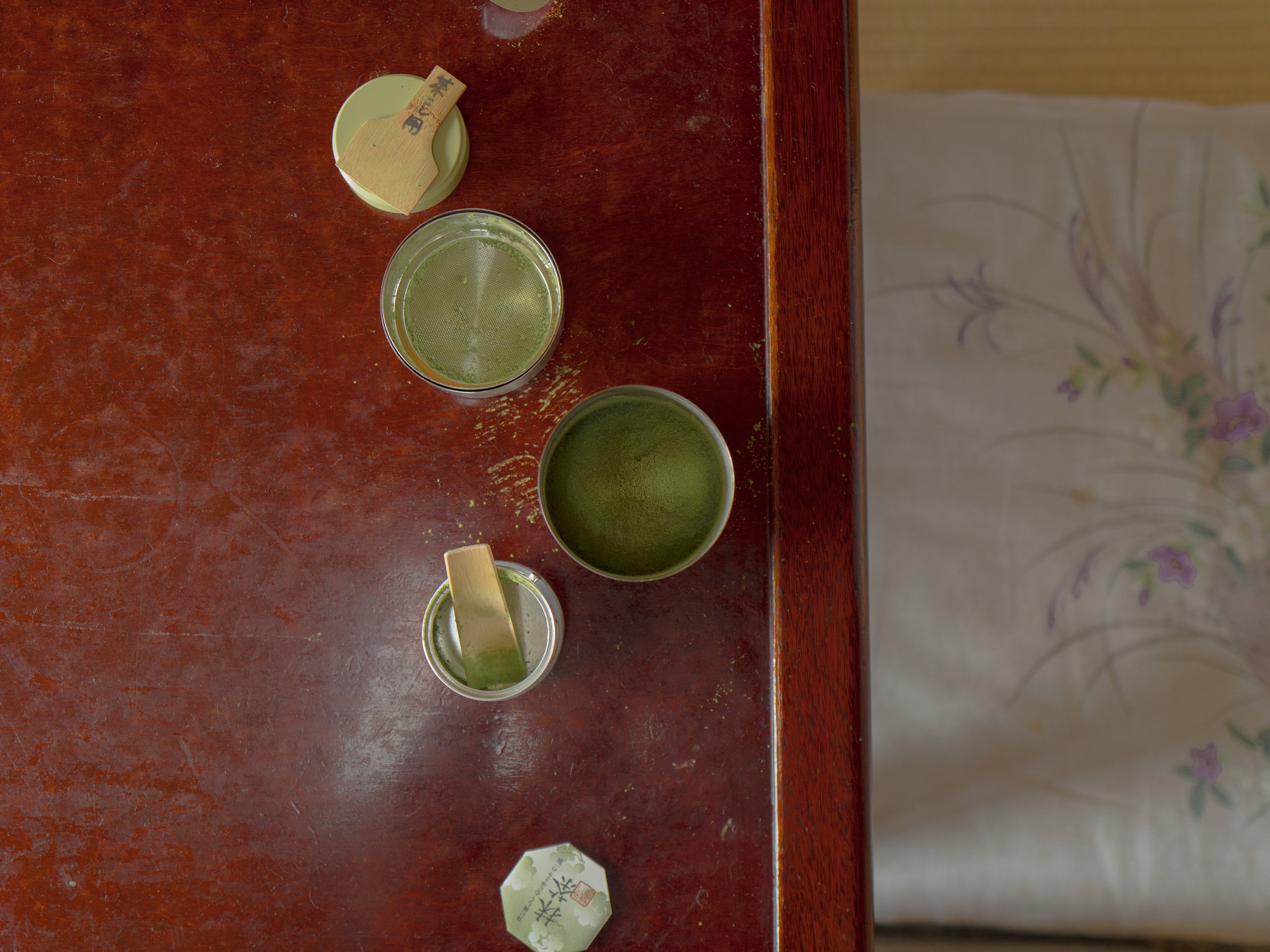
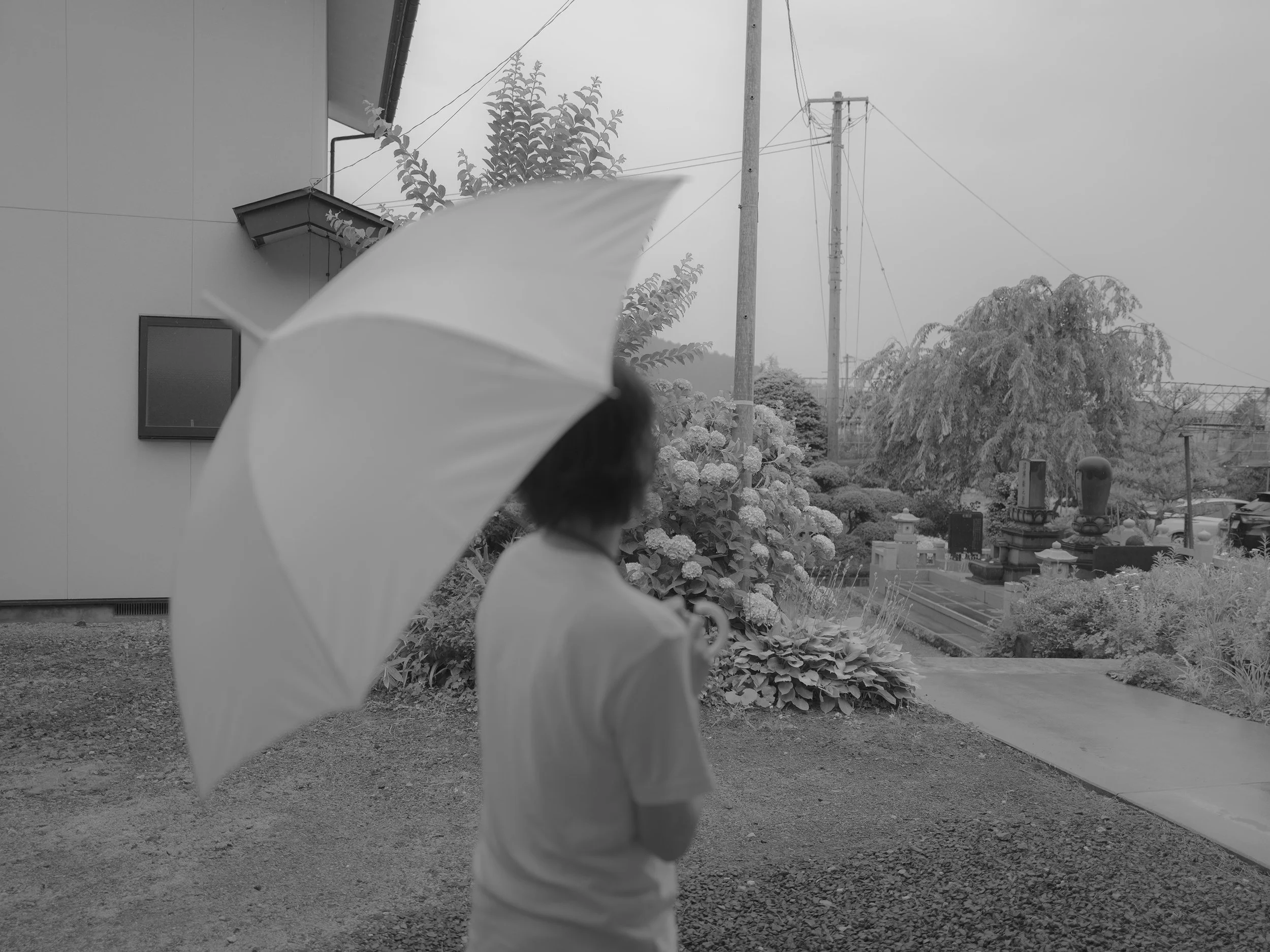
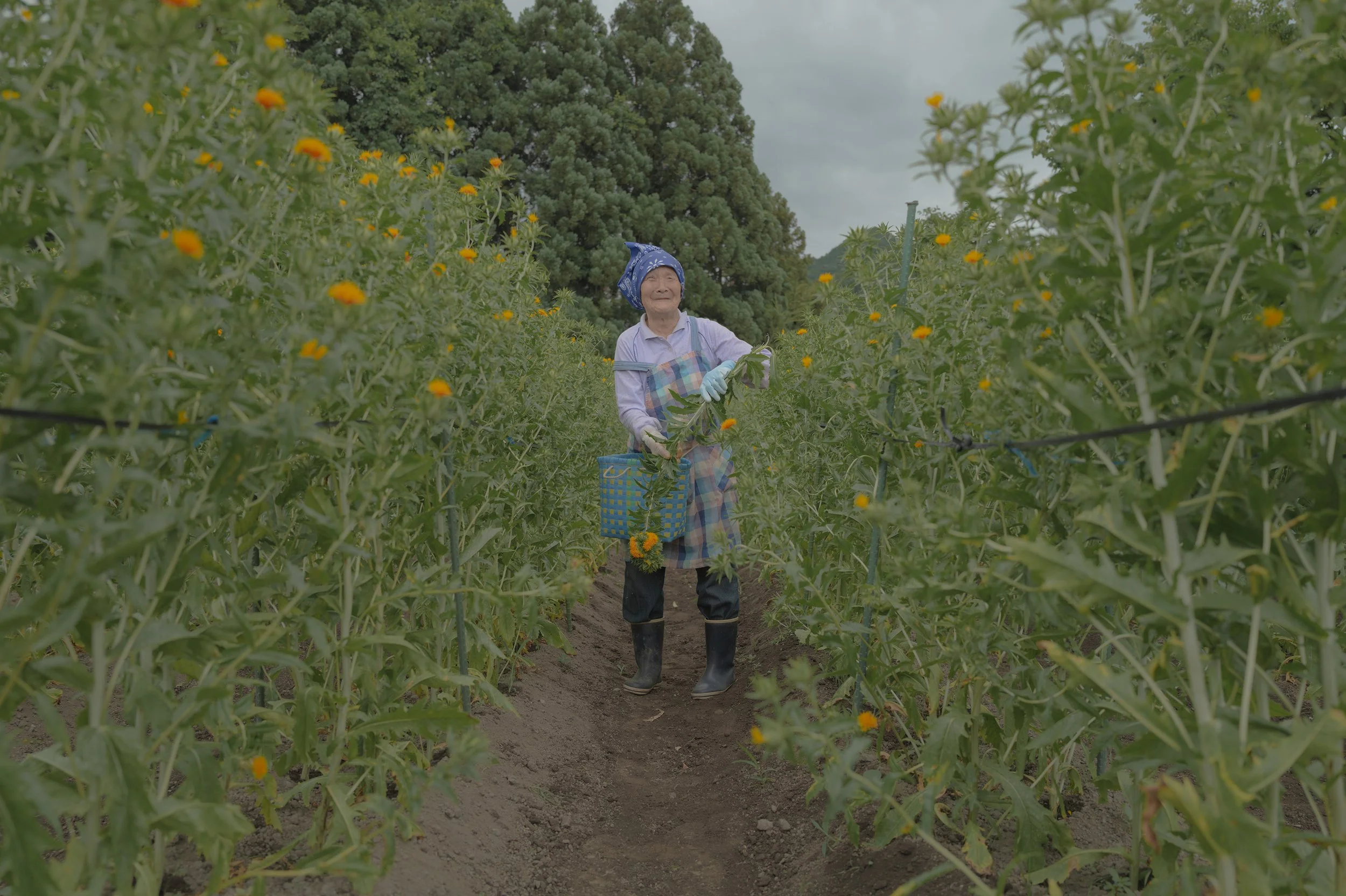
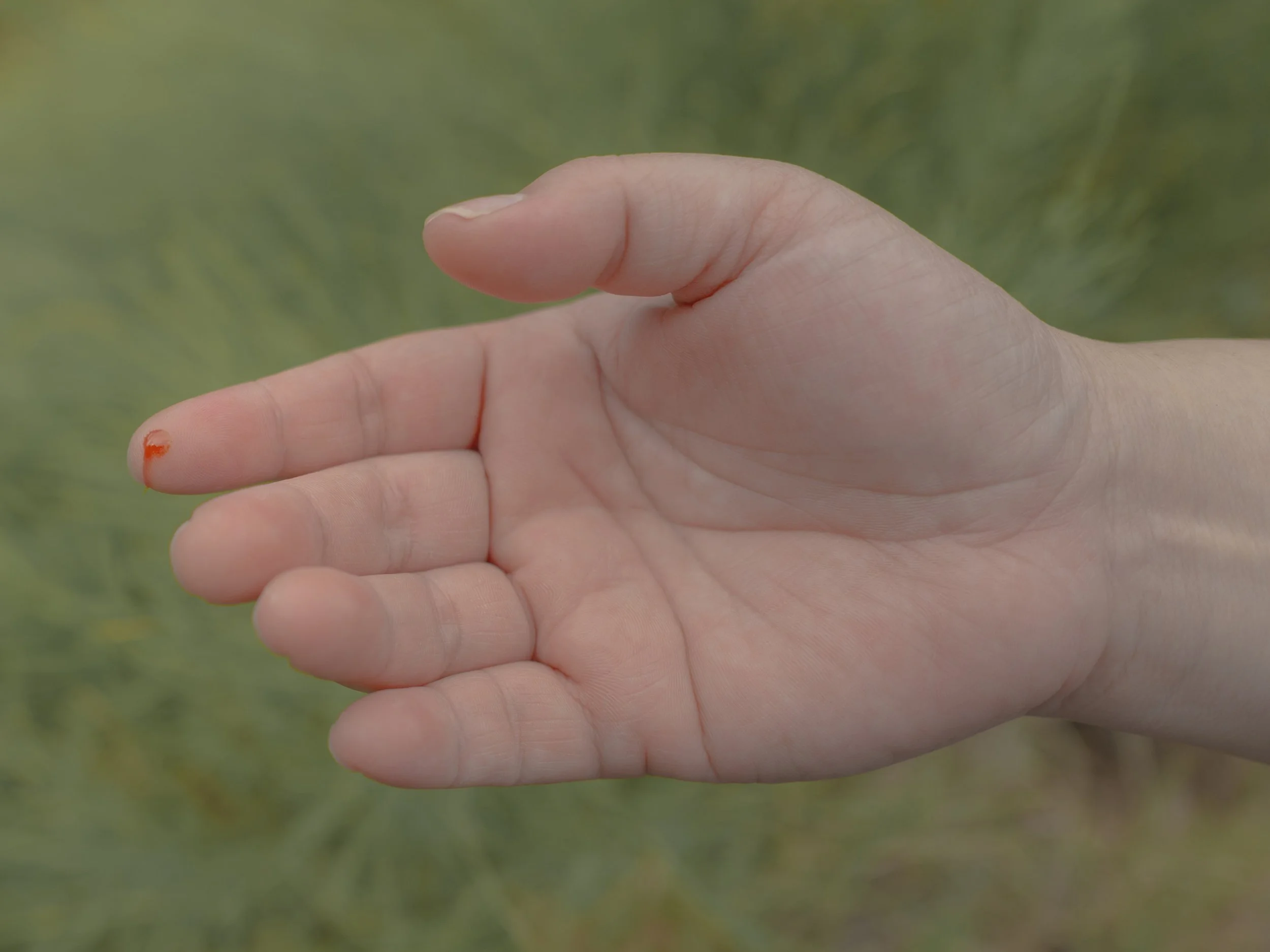
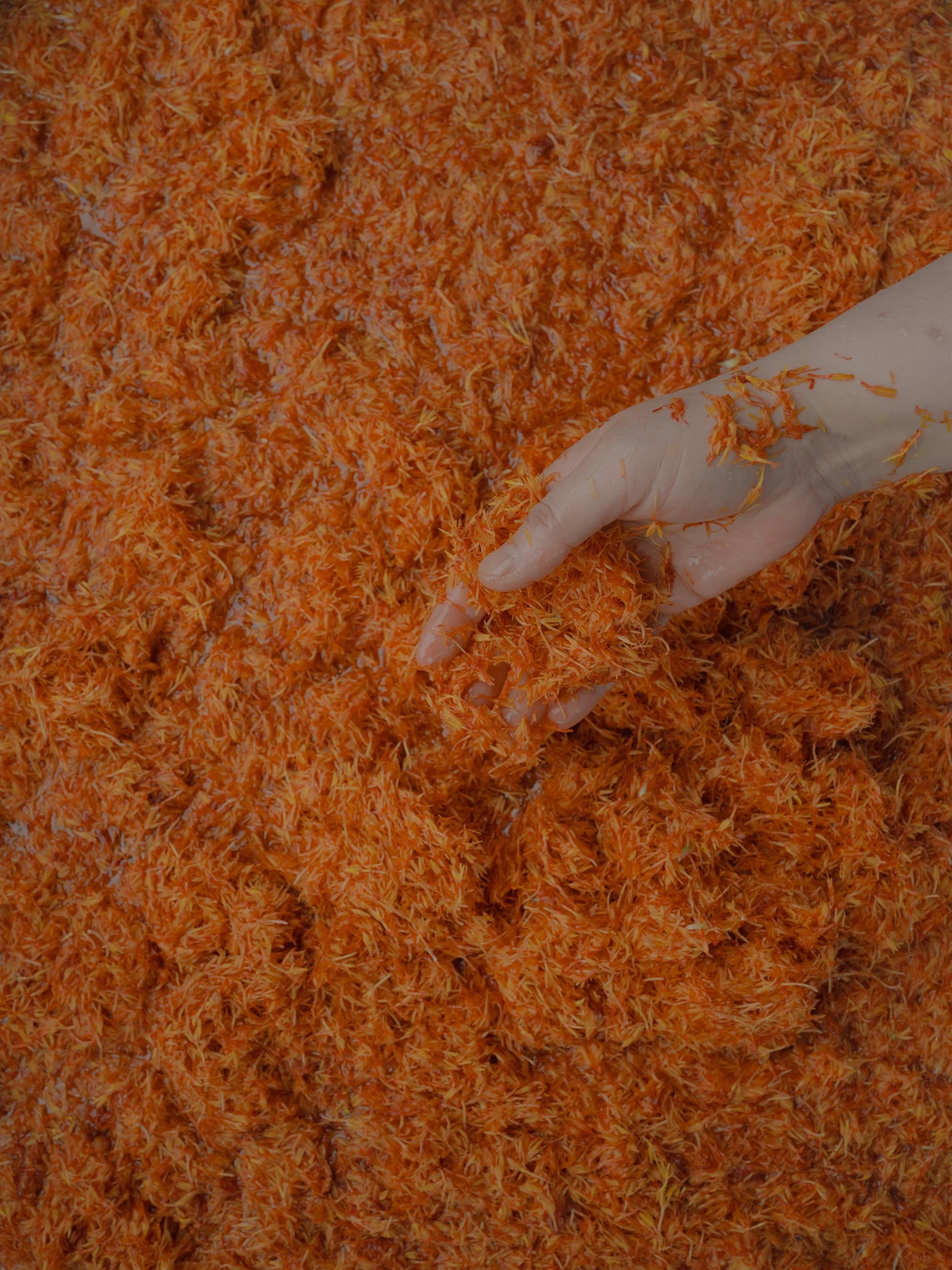
A folktale recalls that the young women who harvested the flowers had no gloves, and their hands would bleed as the thorns pricked their skin – it was said that this blood made the red so deep. In reality, it takes almost sixty baskets of safflower petals to produce only a handful of carthamin, the rare pigment used to dye silk, fabrics, and cosmetics. Most of the flower’s colour is yellow and soluble in water, leaving just 1% of red to be worked with.
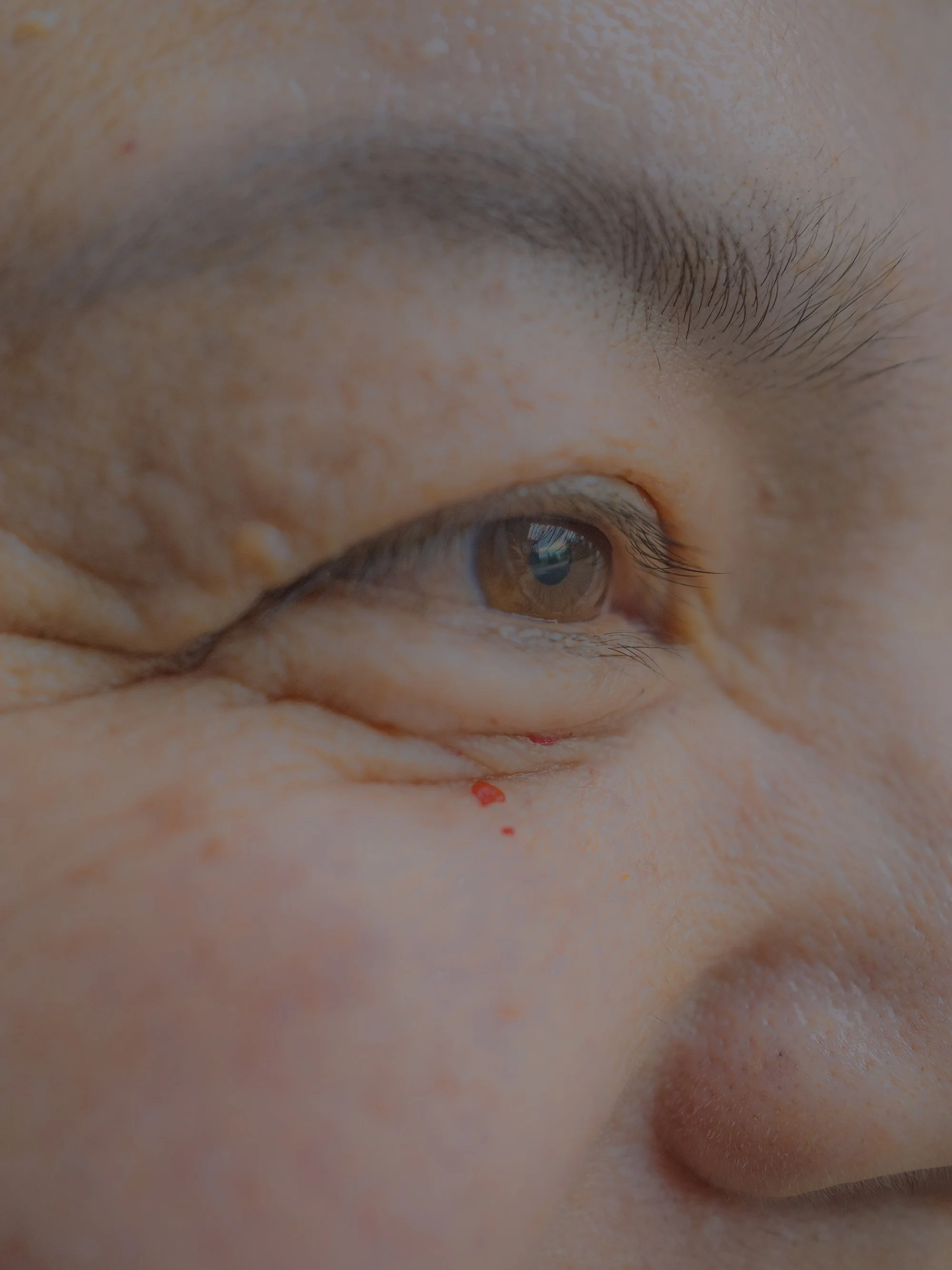

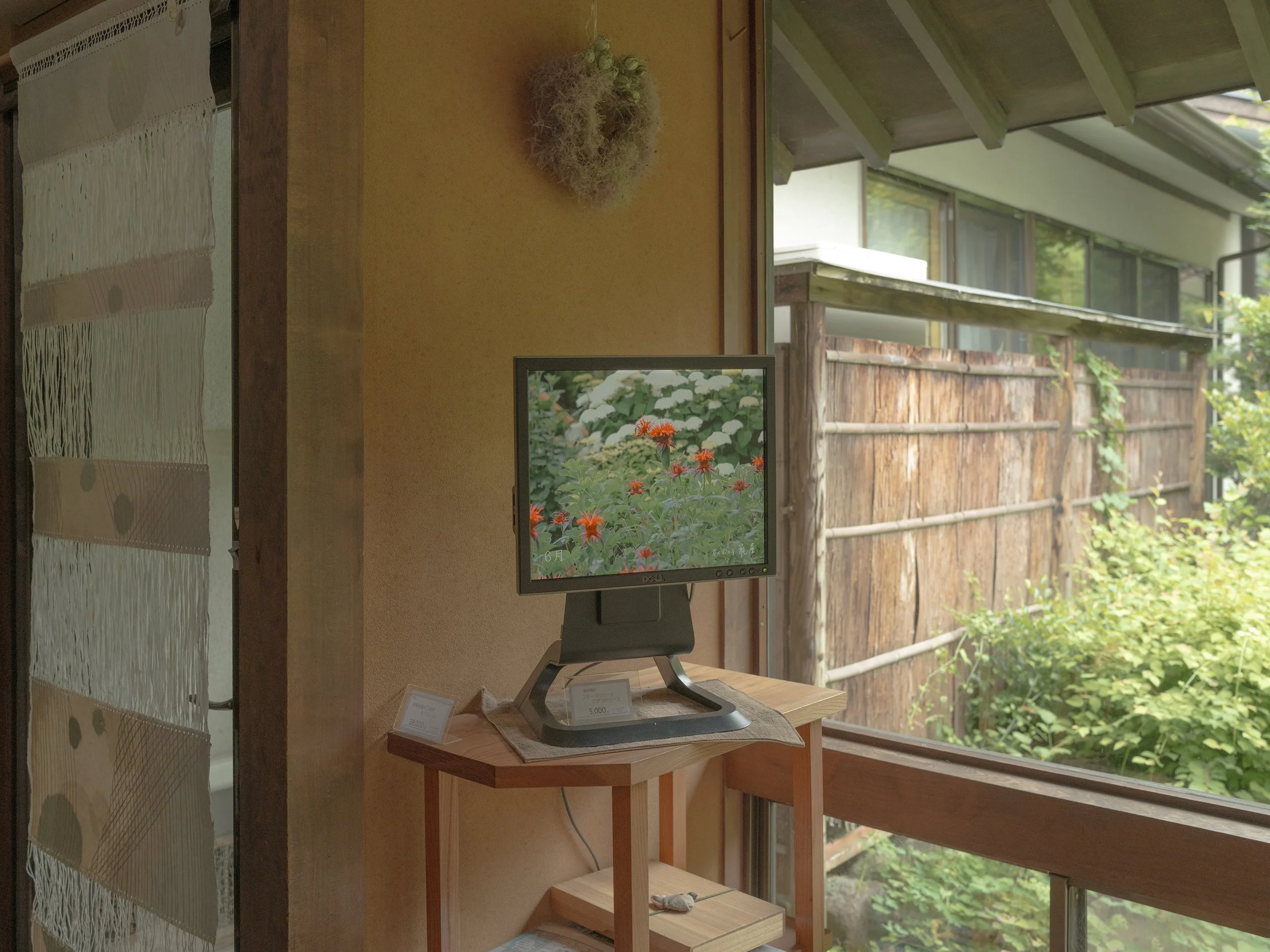
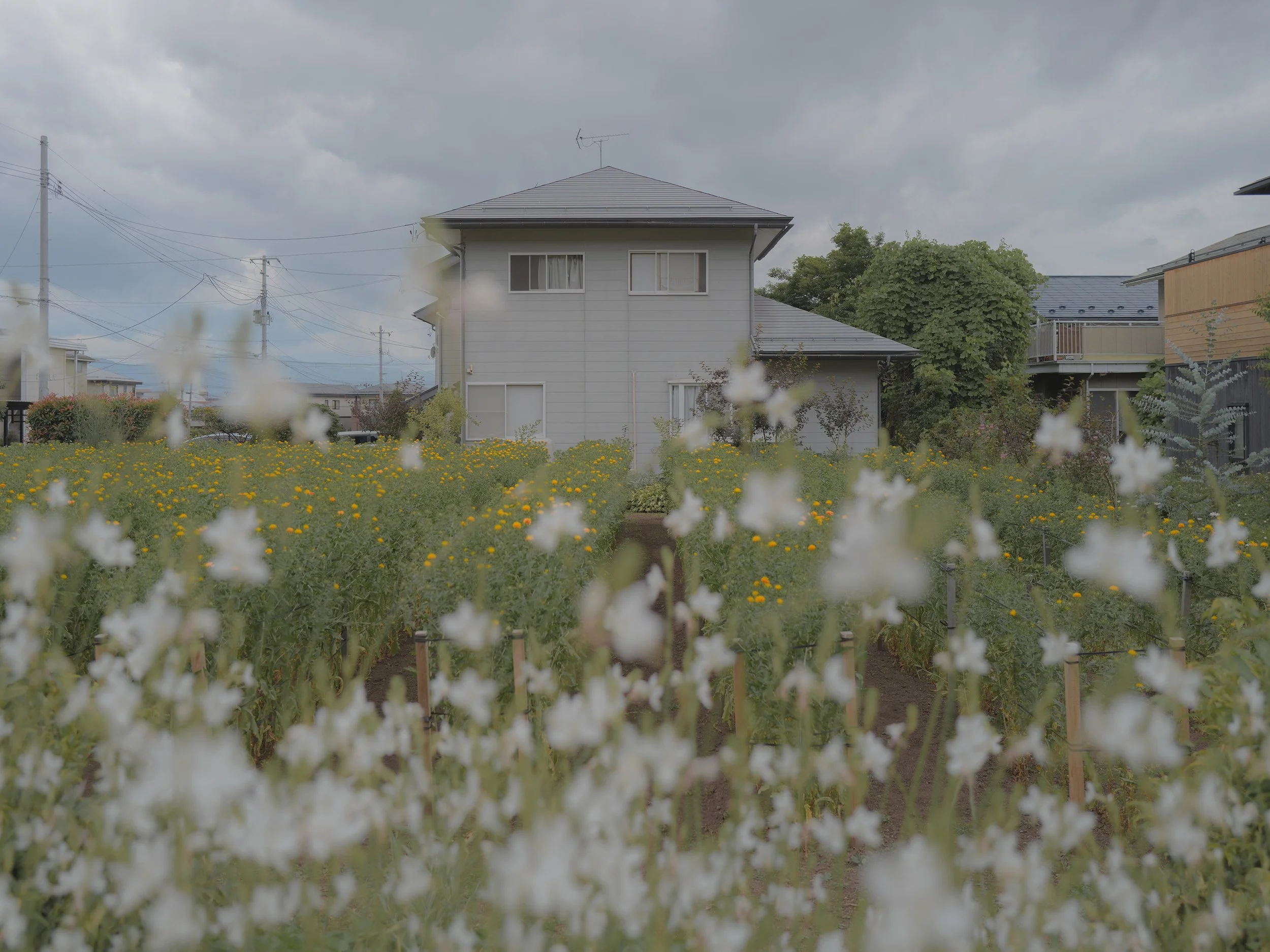
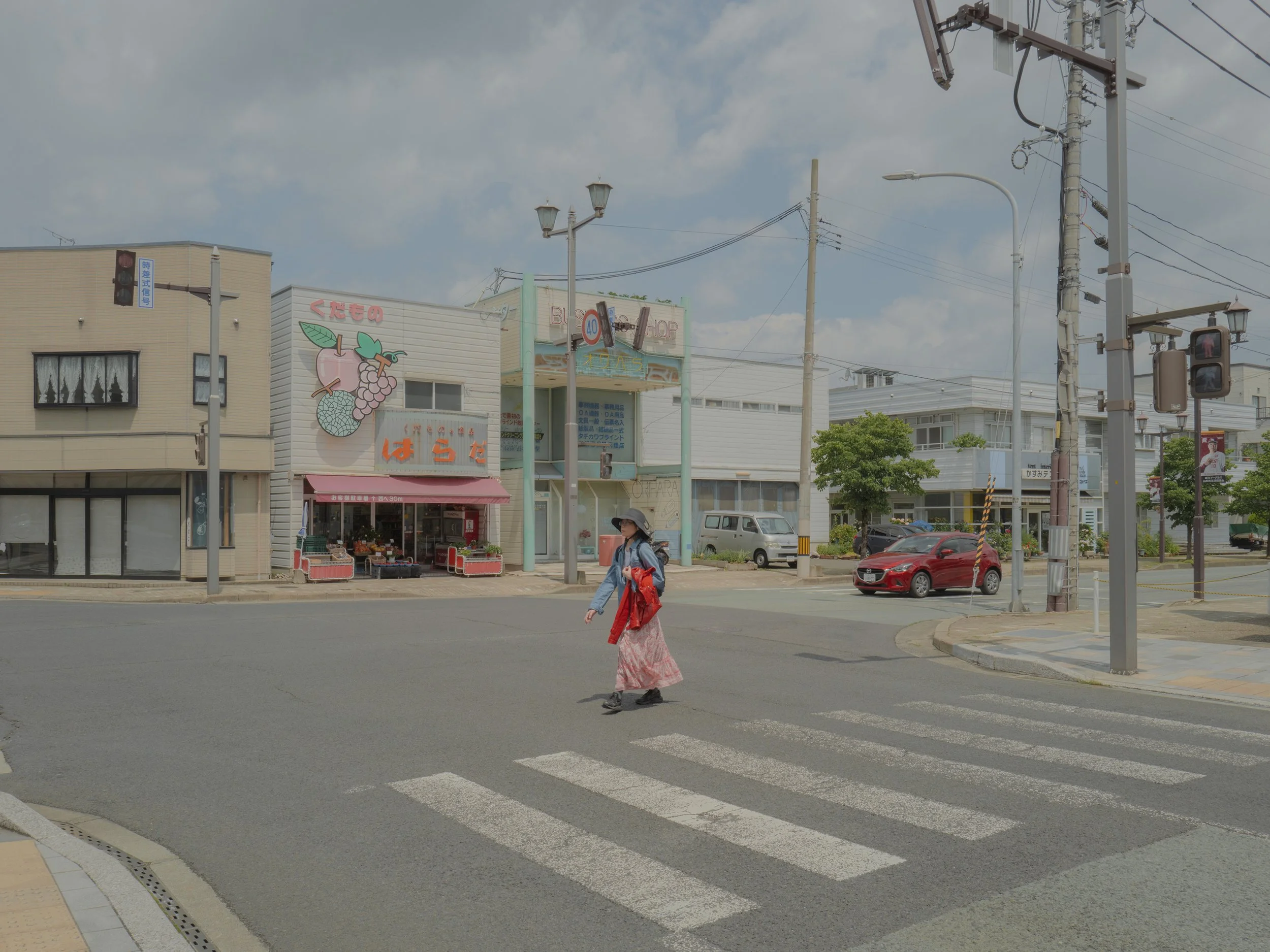
Over seven centuries ago, the Benibana (紅花) – beni for crimson and bana for flower – was brought to Japan along the Silk Road. For a time, it was valued more highly than rice or even gold. Yet the women who laboured to extract its colour could not afford to wear it themselves: the dye’s rarity and cost kept it reserved for the upper classes, leaving behind a history of both beauty and exclusion.
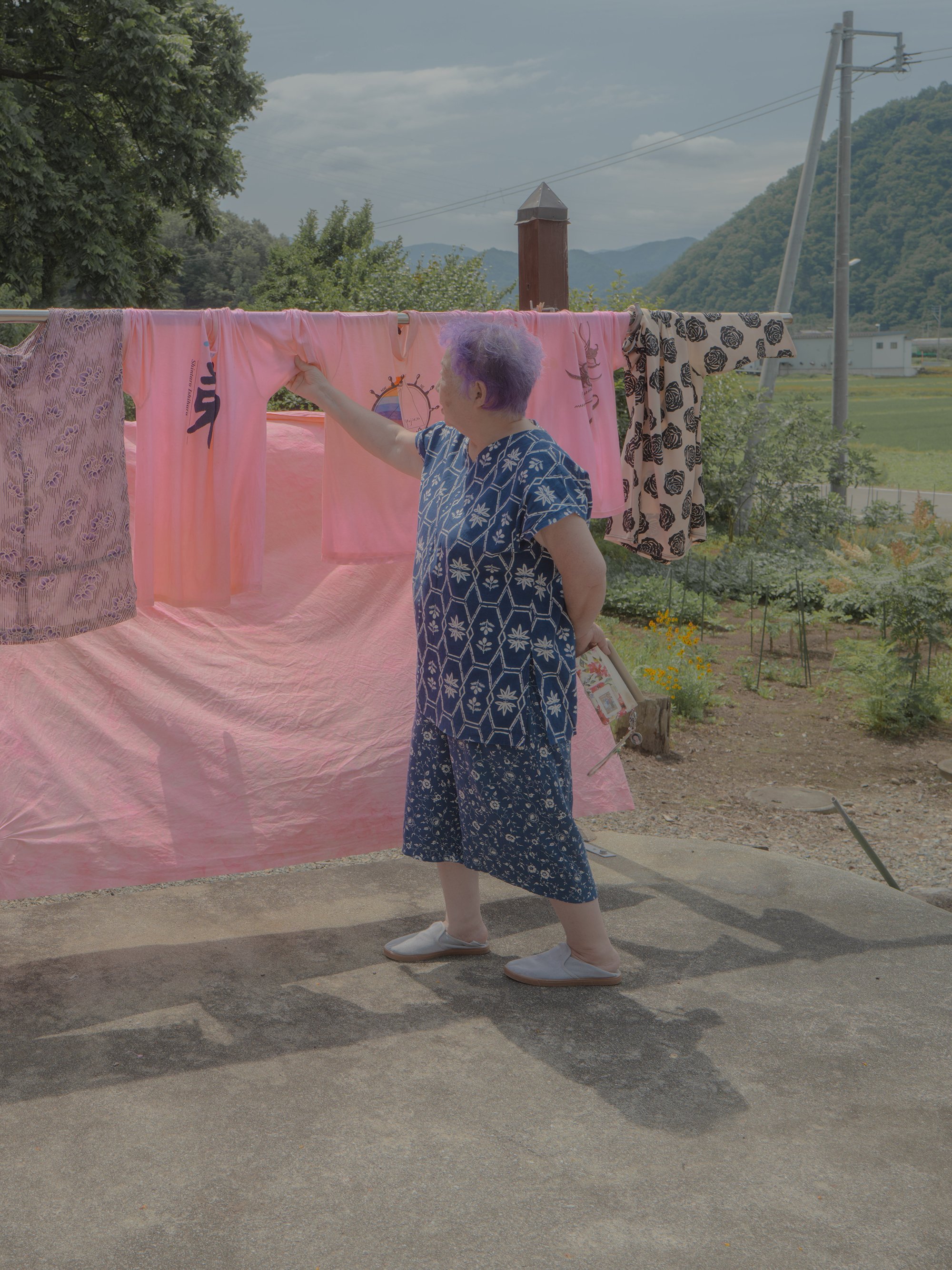
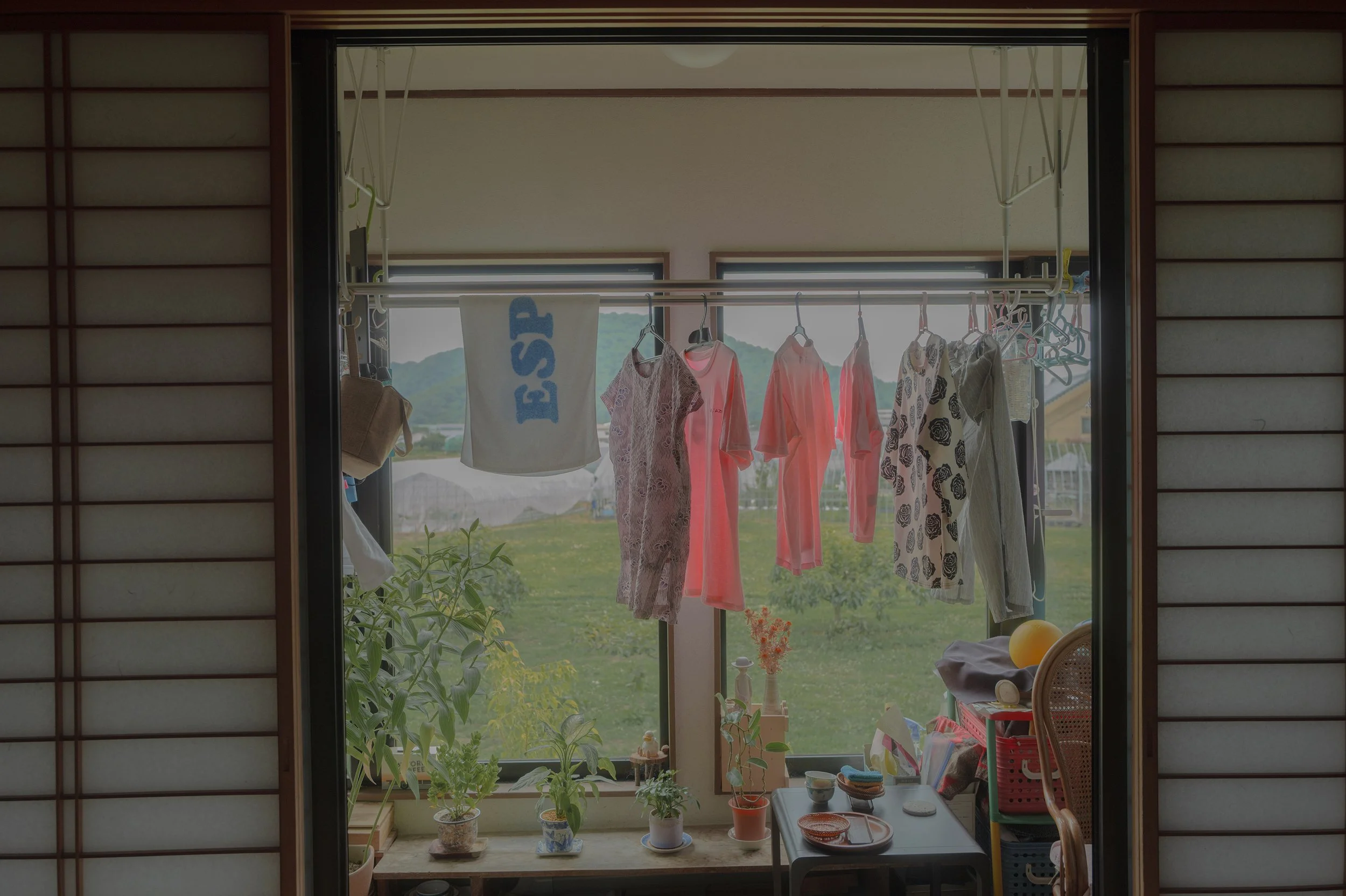
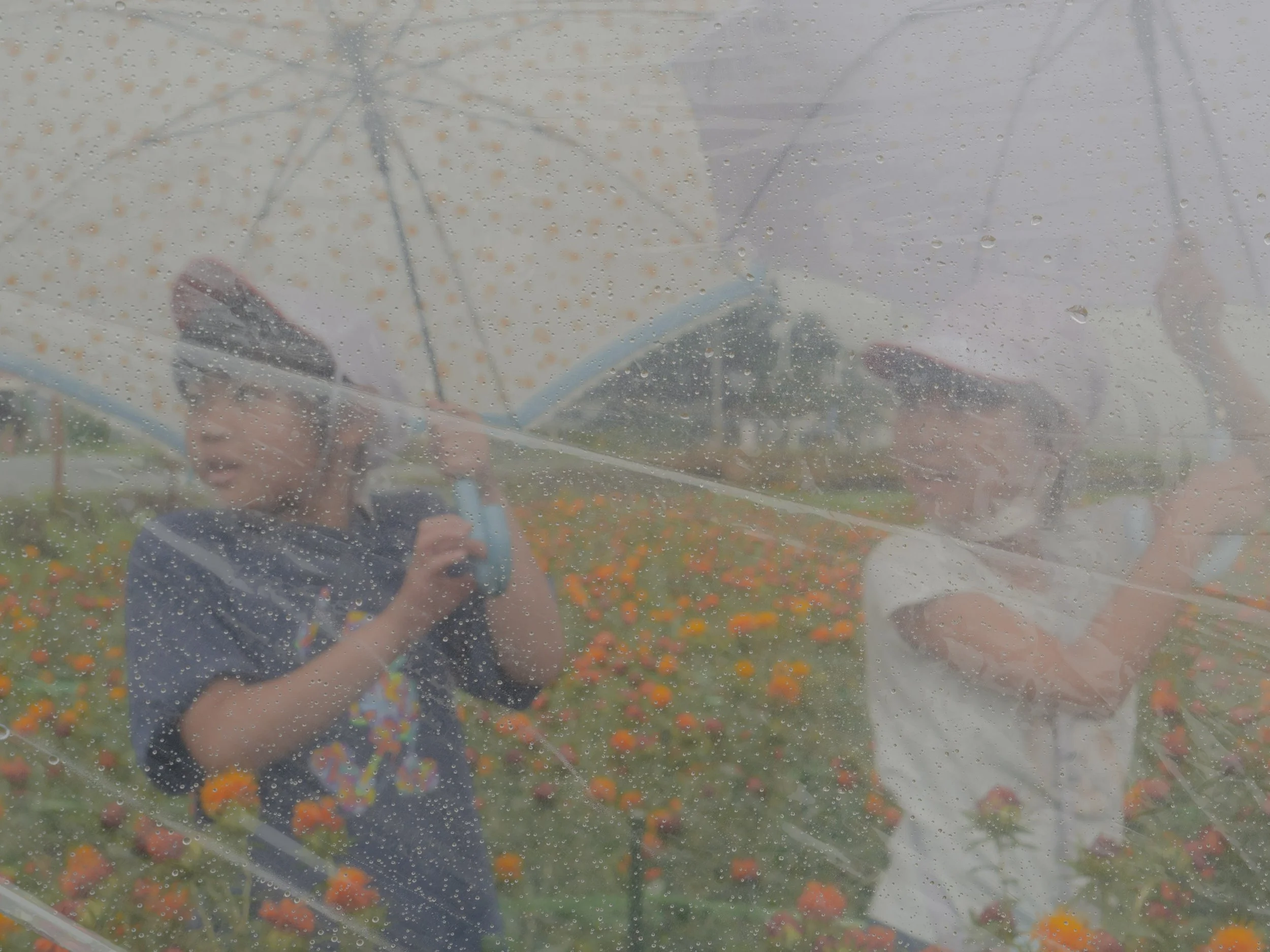
Although commercial cultivation has declined in recent years, the community of Takase in Yamagata still honours the safflower for its own sake. Eleven days after the summer solstice, they gather its petals, dye everyday garments in pink, and use the flower in tea, food, and local ceremonies. This act of continuity reflects a deep-rooted ethos of respect for nature and gratitude for what it provides.
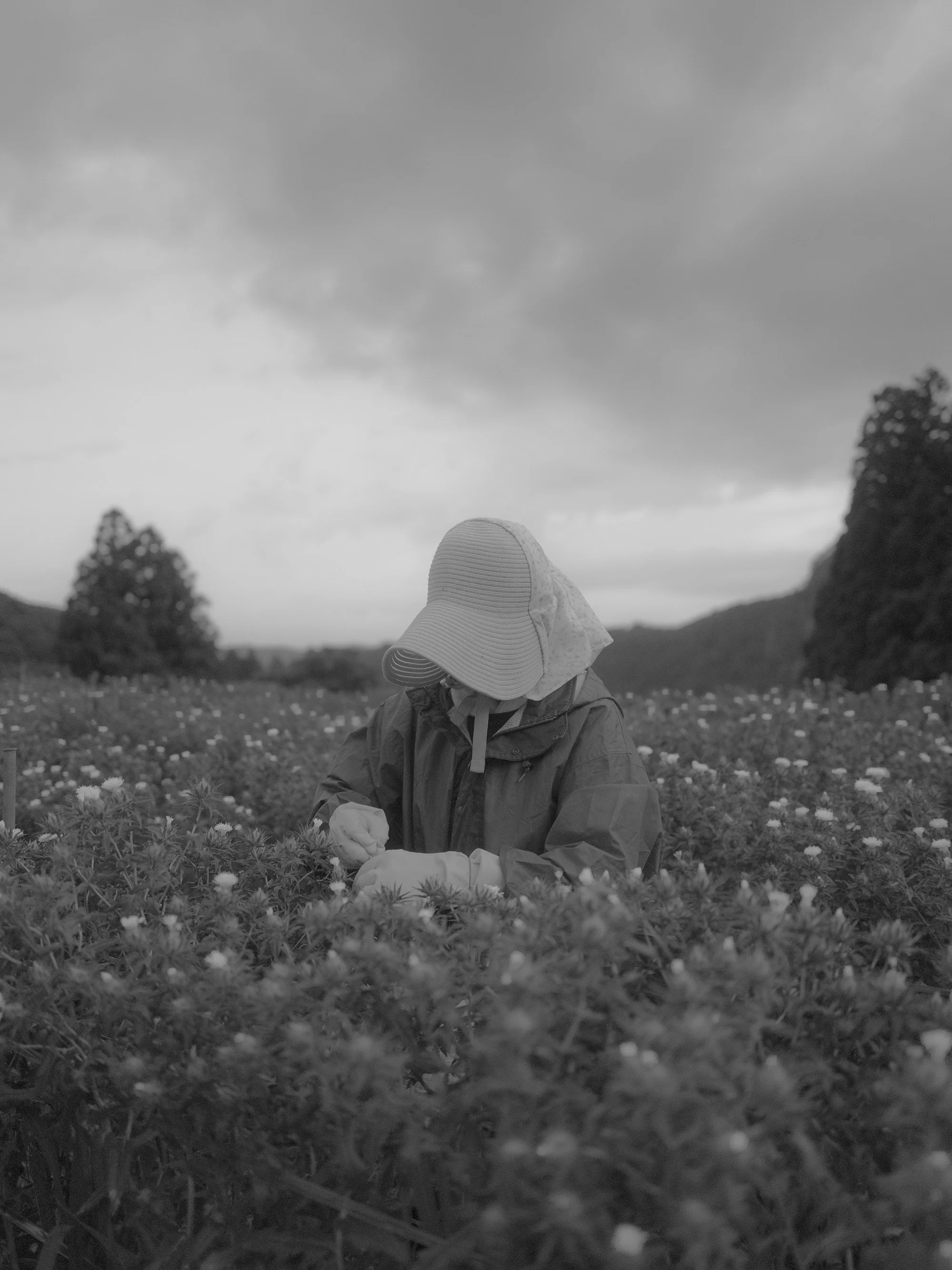
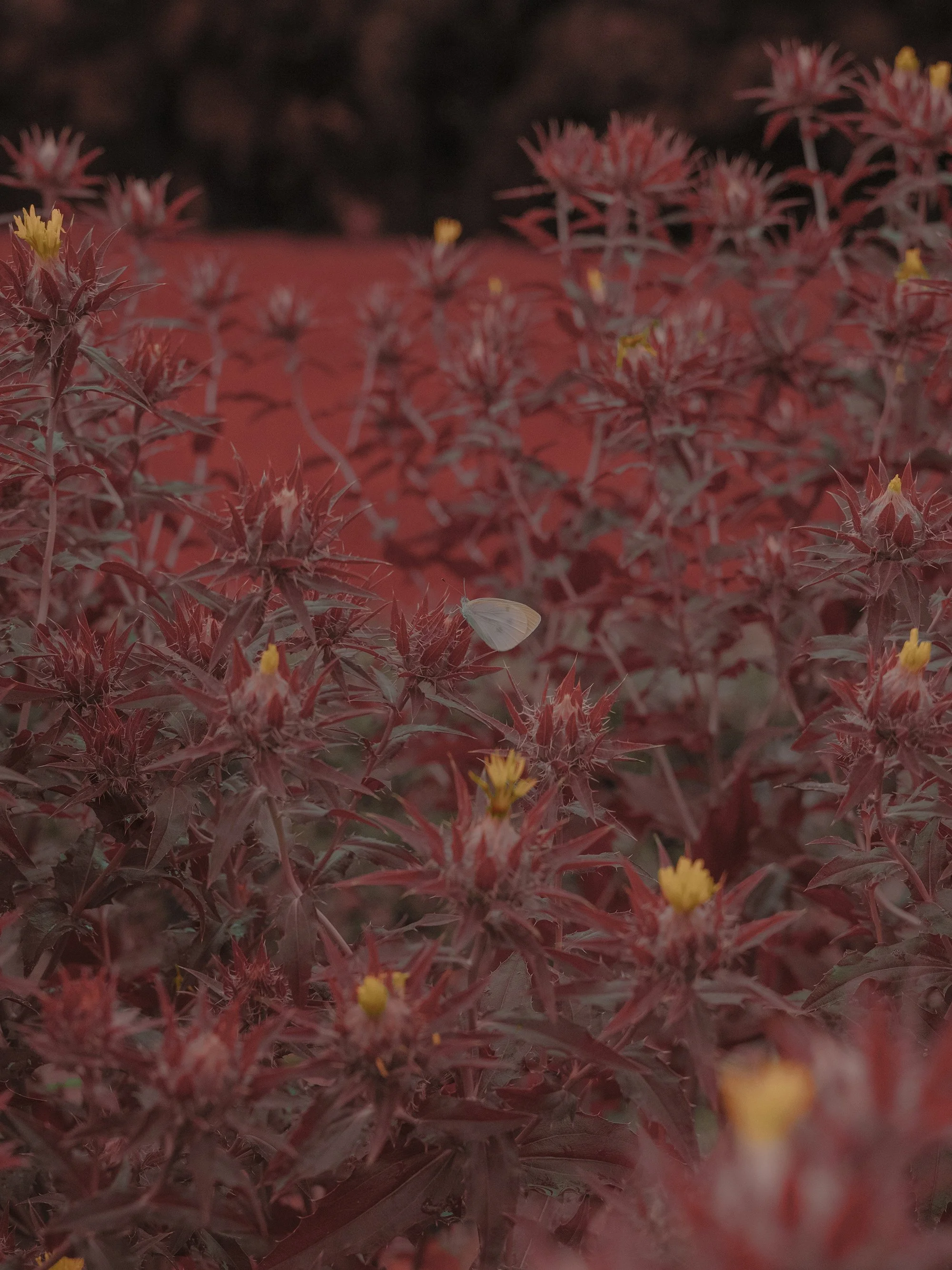
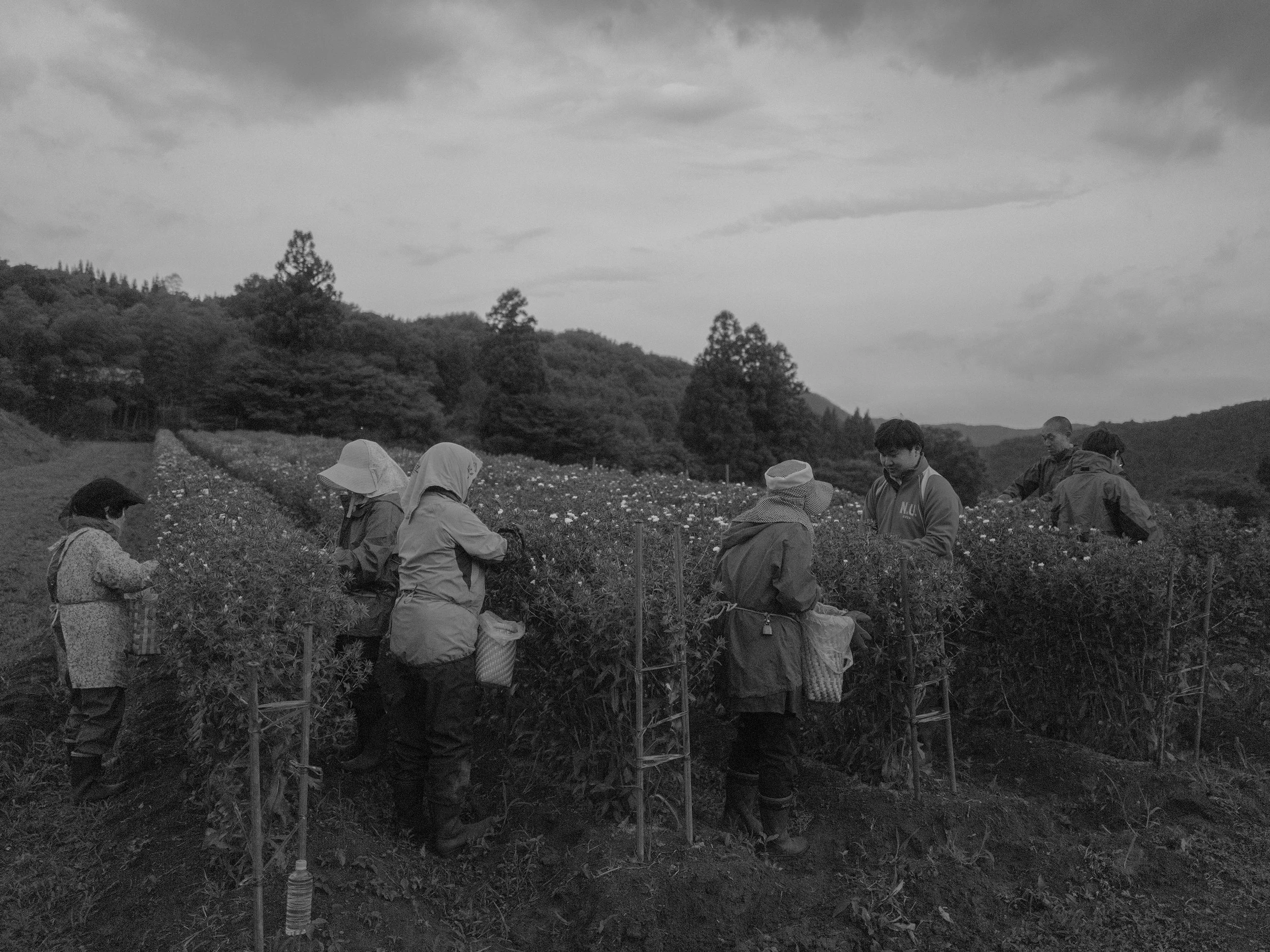
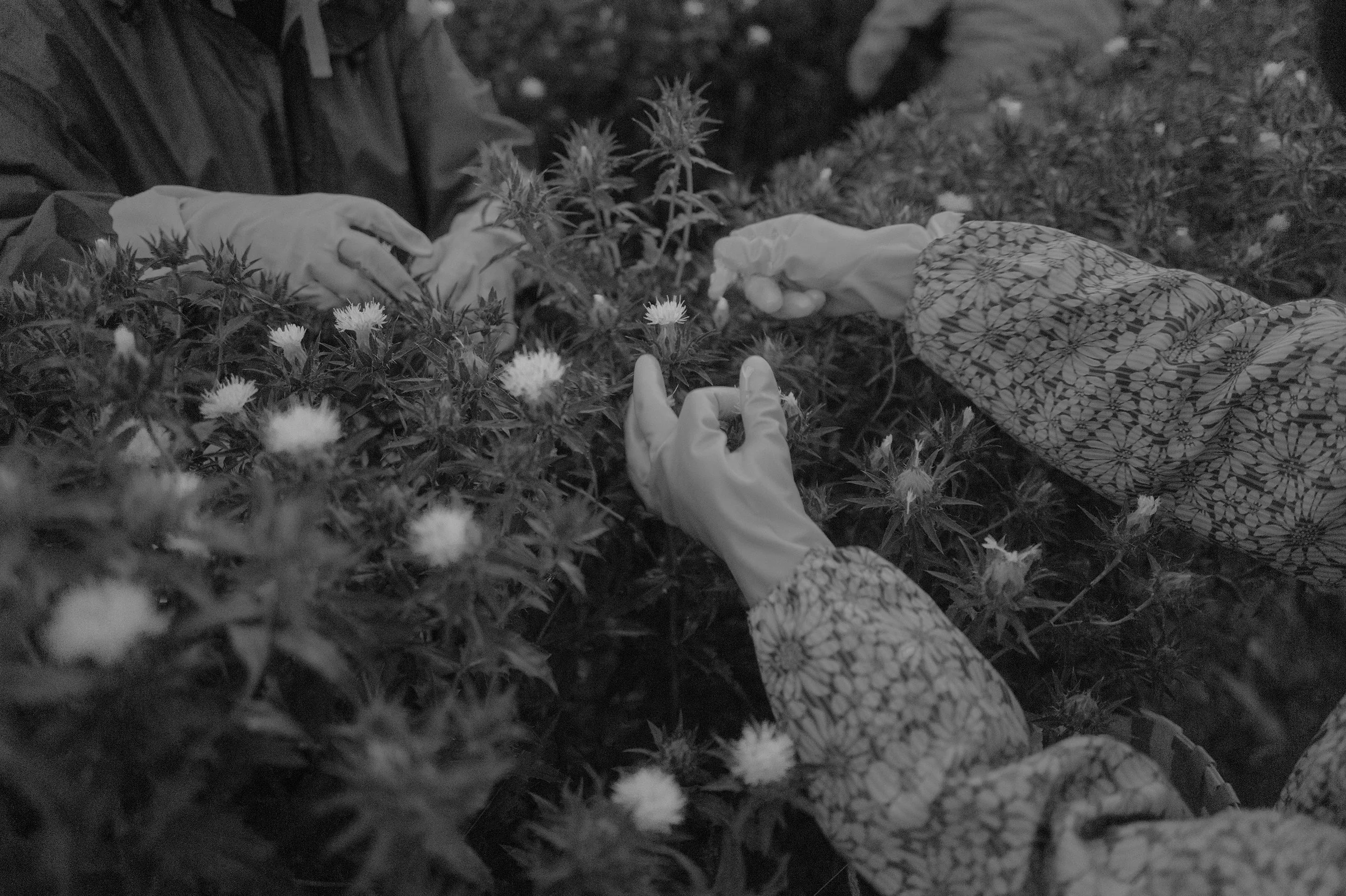
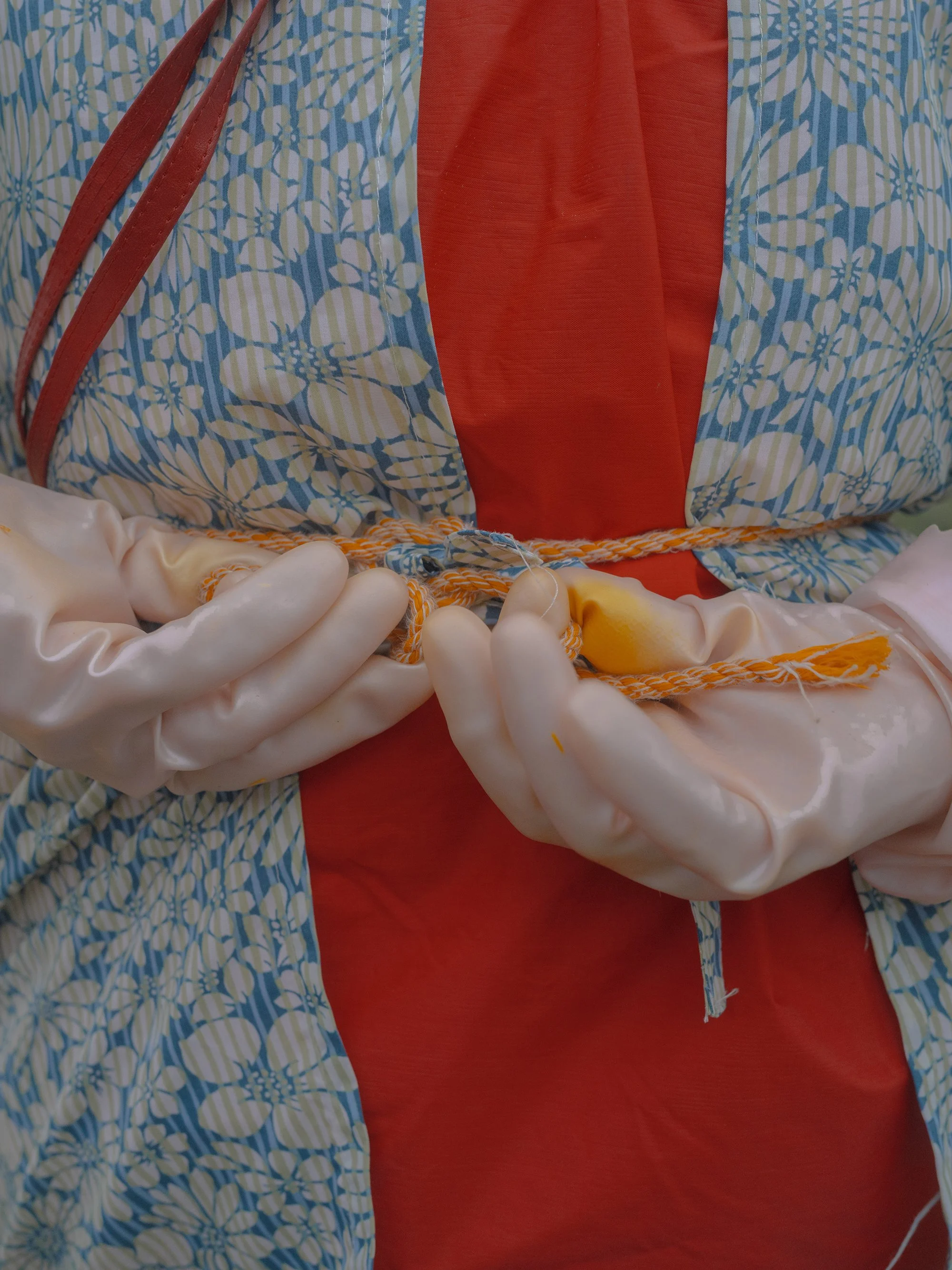
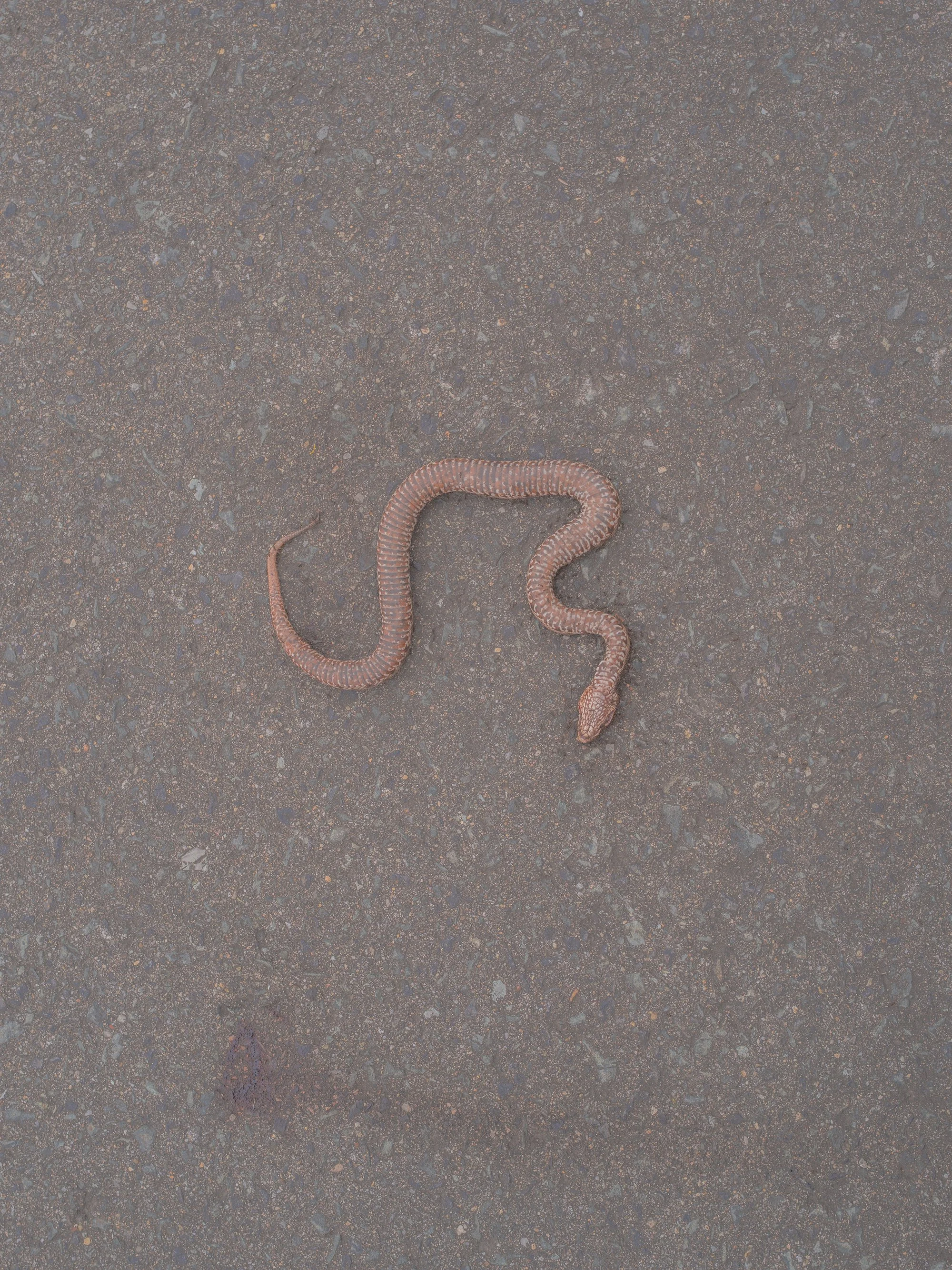
In the traditional Japanese calendar, this falls within the 30th of the seventy-two micro-seasons, known as Hangeshō (半夏生), a short period marking the end of rice planting. Traditionally, farmers would rest from their labour and eat wheat-based foods such as dumplings or noodles. Safflower harvesting, and particularly its use in dyeing, has also been tied to this moment, as noted in seasonal letters published by Toridori, a contemporary journal dedicated to Japanese culture, plants, and tea traditions. Each micro-season lasts only a few days and is named after subtle natural events: the cry of insects, the first lotus, or the ripening of grains. The safflower’s fleeting bloom is a reminder of the transience of beauty and the importance of paying attention to what is fleeting.

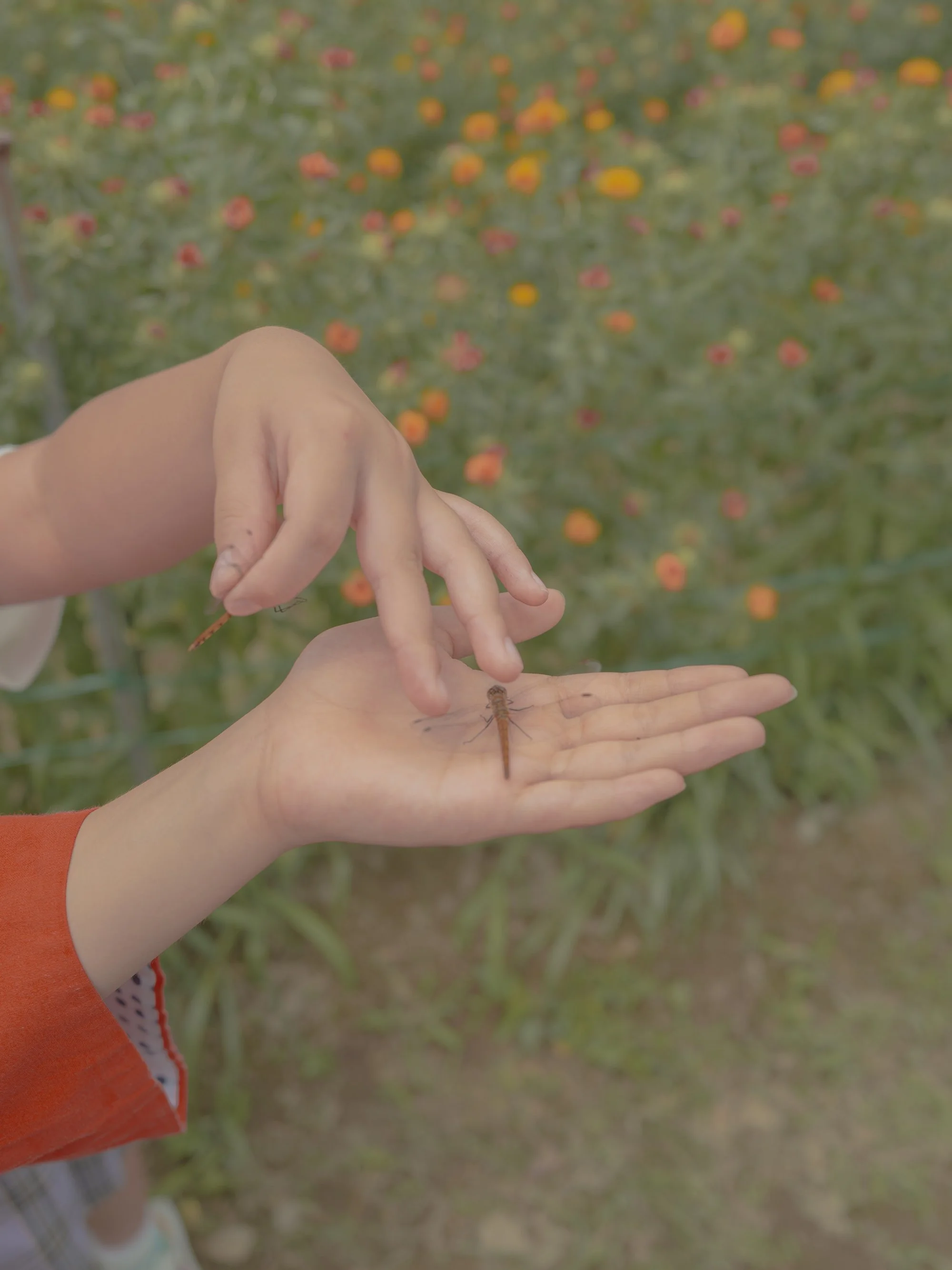
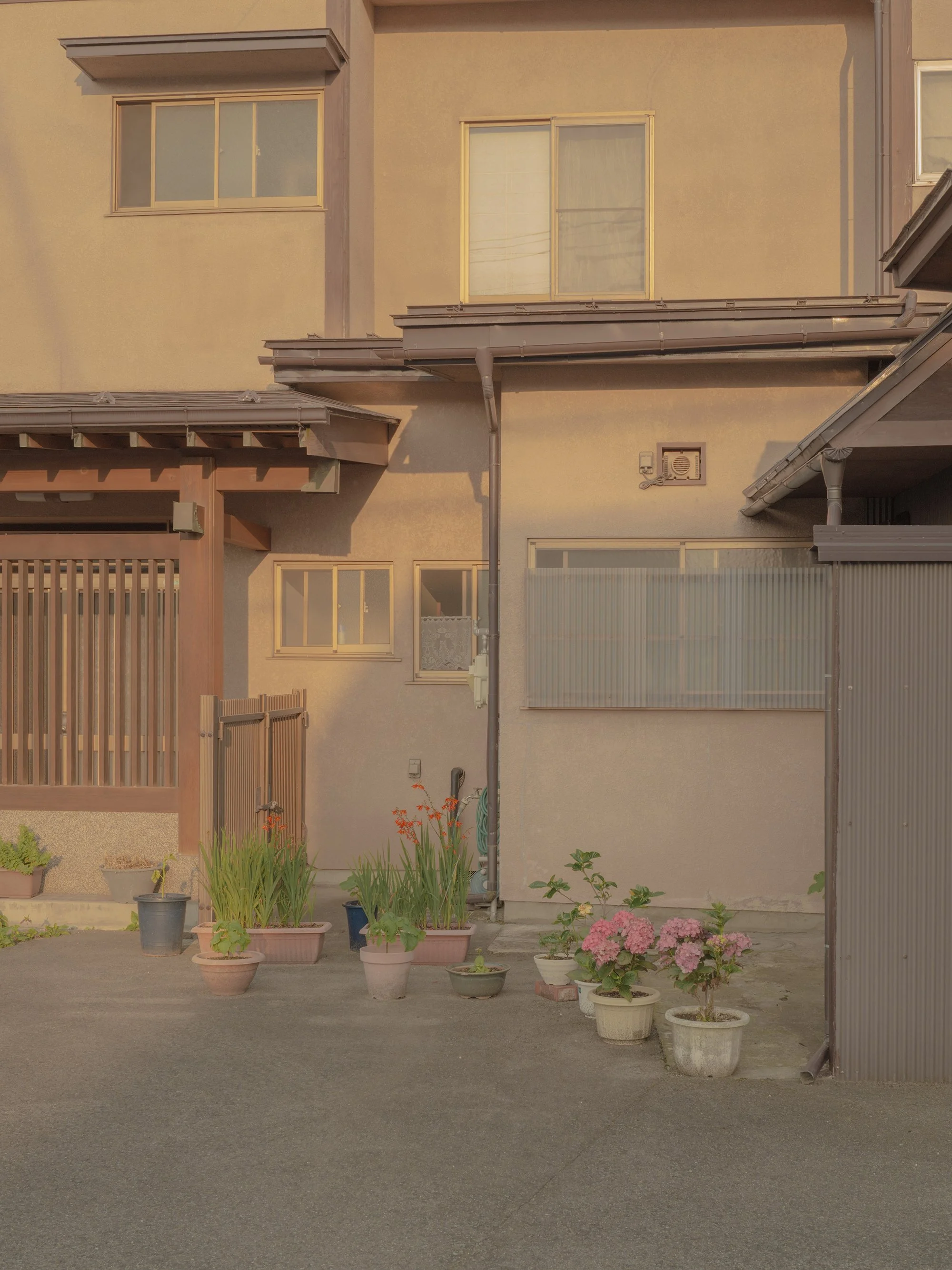
The Japanese poet Matsuo Bashō, who journeyed through northern Japan in the late 17th century and wrote of its landscapes, seasons and people, also encountered the safflower. In Oku no Hosomichi (The Narrow Road to the Deep North), he recorded impressions of the region with a sensitivity to fleeting moments, much like the flower itself. One of the haikus attributed to him, but considered too suggestive to be included in the final manuscript, reads:
行くすえは
誰が肌ふれん
紅の花
I wonder whose skin this crimson flower will touch.
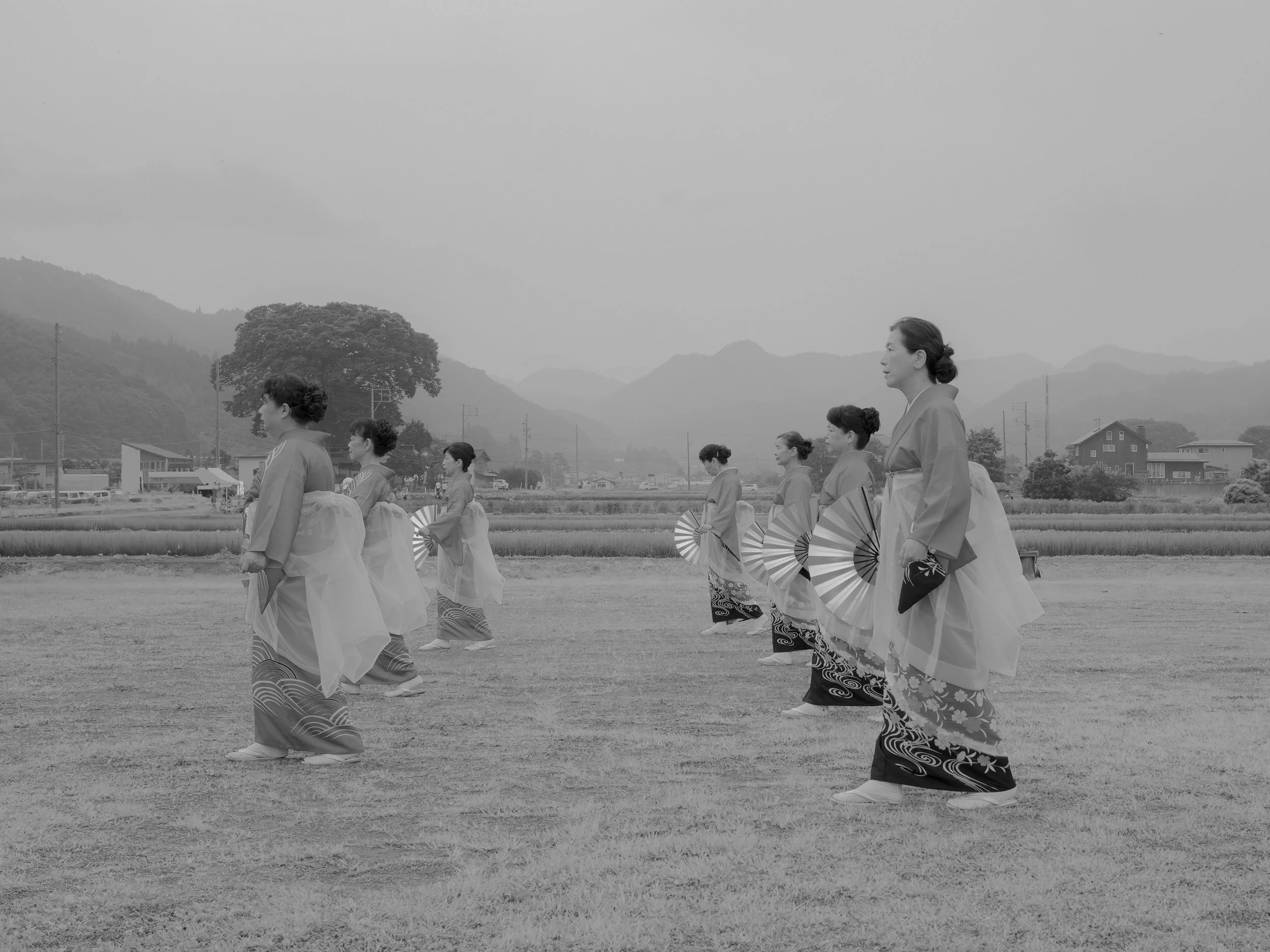
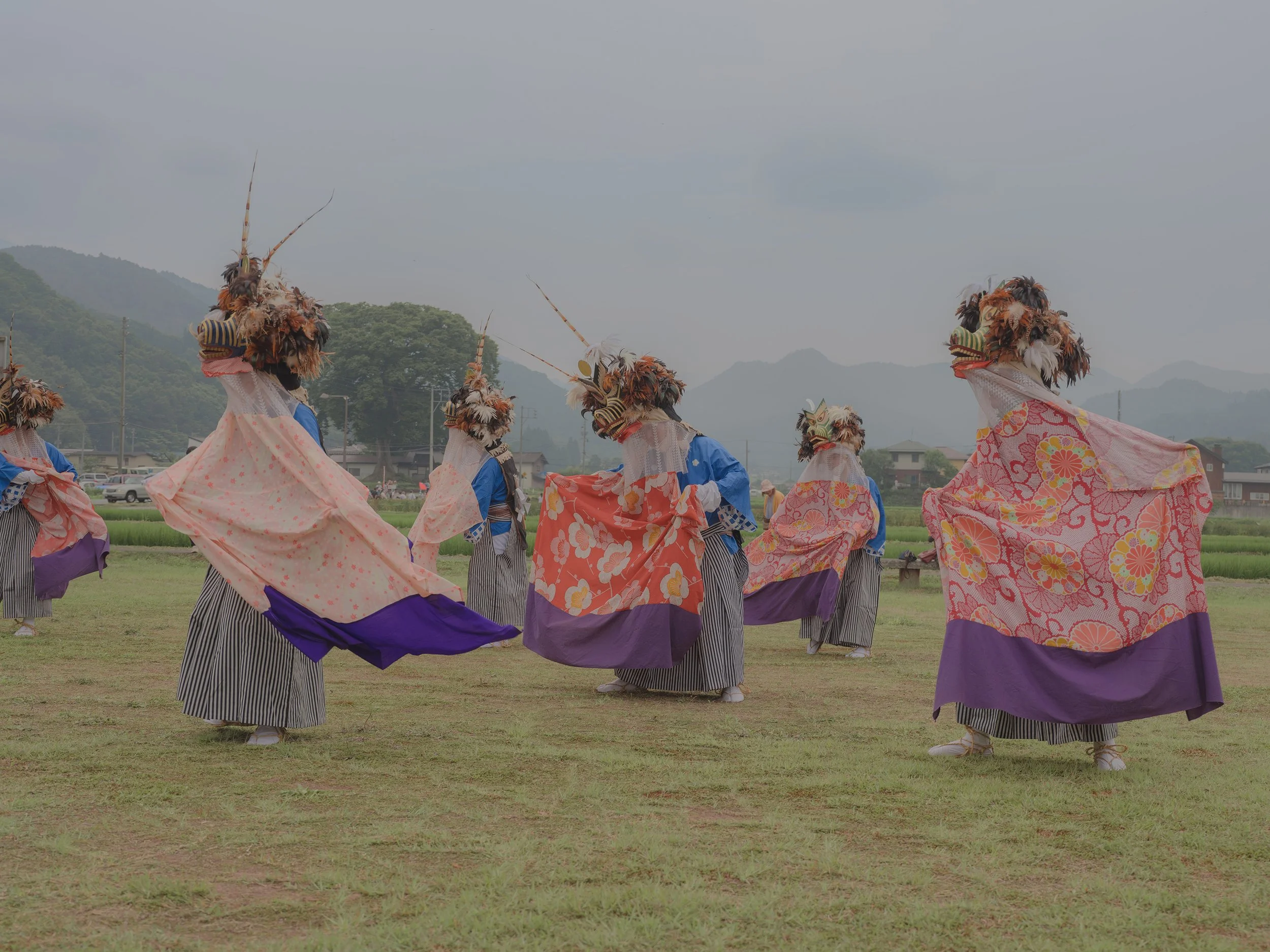

Words & pictures - Teresa Freitas @teresacfreitas
The book - Flower(s) — Vol. 1
www.teresacfreitas.com