
Tulip and Sage
Flowers have always been the heartbeat of Hungarian culture. In the enchanting exhibition ‘Tulip and Sage’ at Budapest’s House of Traditions, the secret language of petals and leaves comes to life. Kath Griffiths and Edit Kalman provide a rich perspective on centuries of folk art, exploring how pomegranates, roses, and the iconic Matyó embroidery became symbols of love, youth, and heritage. Whether it is the bold colors of Kalocsa or the storied furniture of Transylvania, this article retraces the heritage of a tradition that is still very much in bloom.
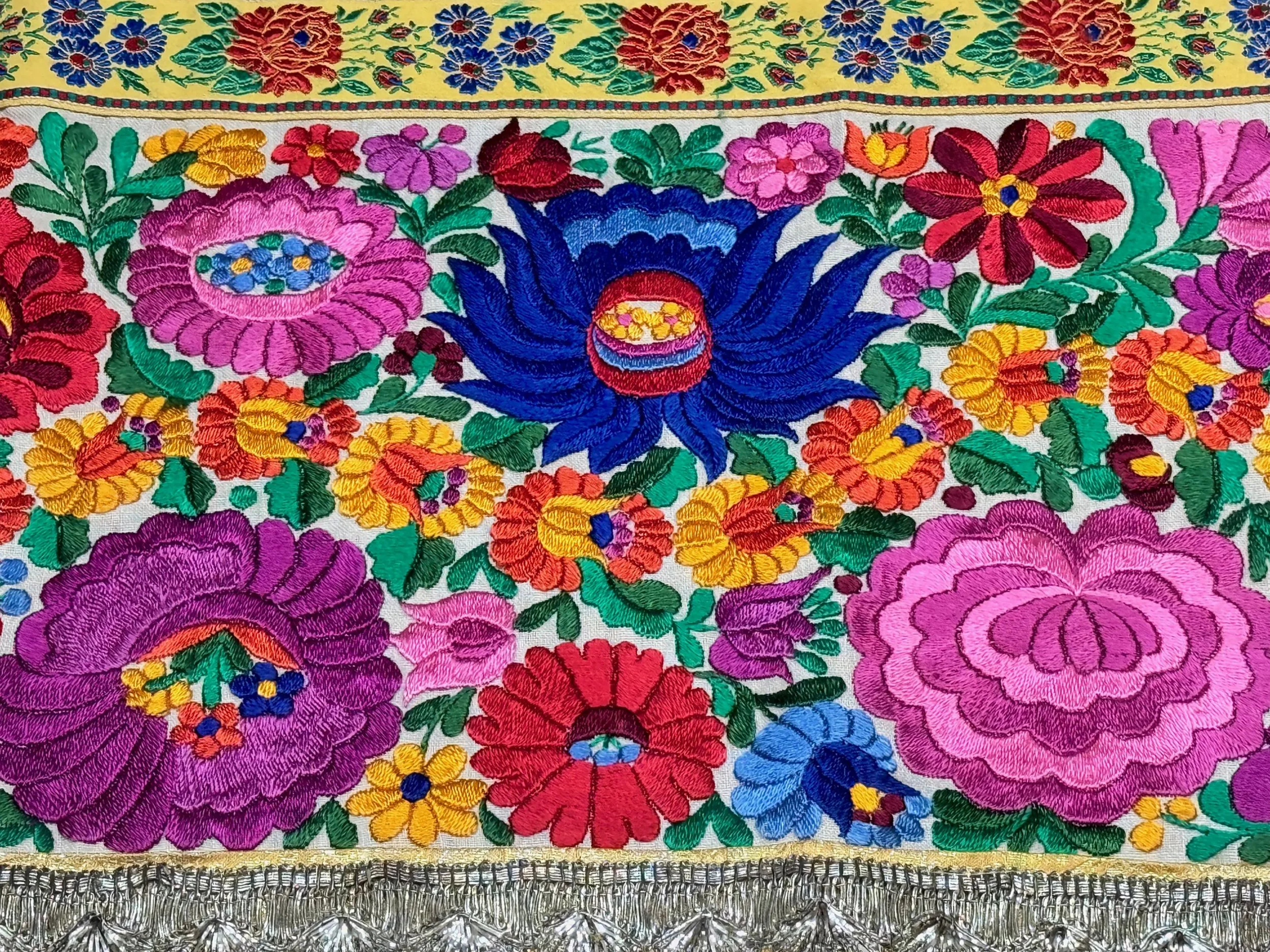
Flowers and plants have long been a source of inspiration in Hungarian folk art. This exhibition at the House of Traditions in Budapest is a colourful exploration of the history of gardens and plants in Hungary from the first garden in the Pannohalma monastery to the cottage gardens in rural houses and tells the stories of the influence of gardens and plants on the folk art of Hungary. From ceramics and embroidery to painted furniture, flower and plant motifs feature in all of Hungarys folk art traditions, many of which are still flourishing today. The Turkish occupation of 1541 -1699 had a profound and lasting influence on Hungarian horticulture and it was during this time that pomegranates, melons, pears and paprika were introduced to Hungary and inevitably became represented in the folk art.
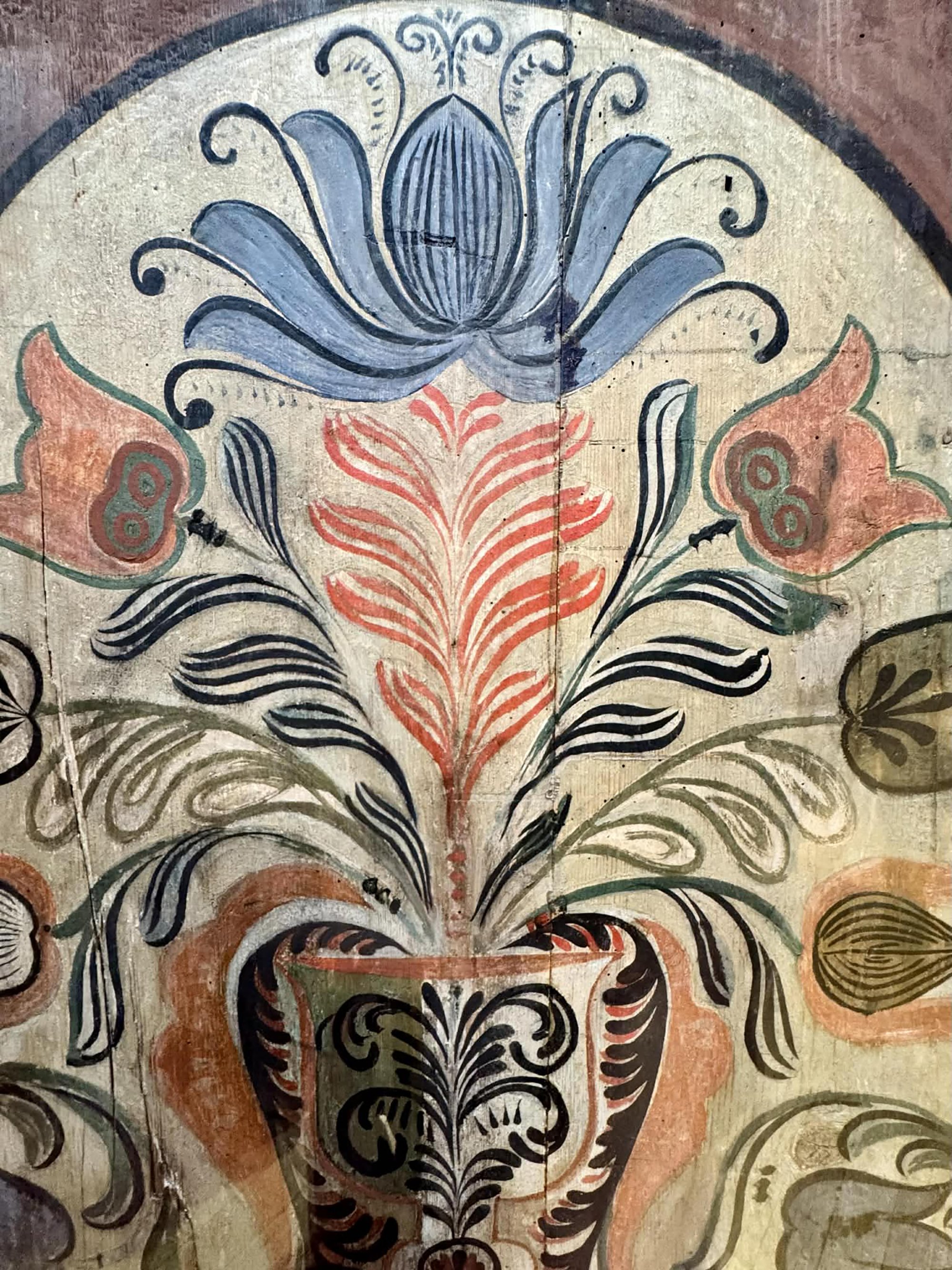
The motifs used in folk art have meanings beyond the plant itself. A wilted flower may represent old age, a bud youth. A carnation the symbol of love and marriage, a white tulip symbolising chastity, a red one love. The tulip became such an important symbol in Hungarian folk art that the painted chests used to store a girls dowry became known as tulip chests. Painted furniture flourished in Italy during the renaissance, by the time it had all but vanished in Italy it was becoming popular in parts of Austro Hungary, initially in the homes of the nobility and in the coffered ceilings of the Calvinist churches. In parts of Transylvania today colourful sets of furniture depicting flowers are still a popular component of the best rooms.
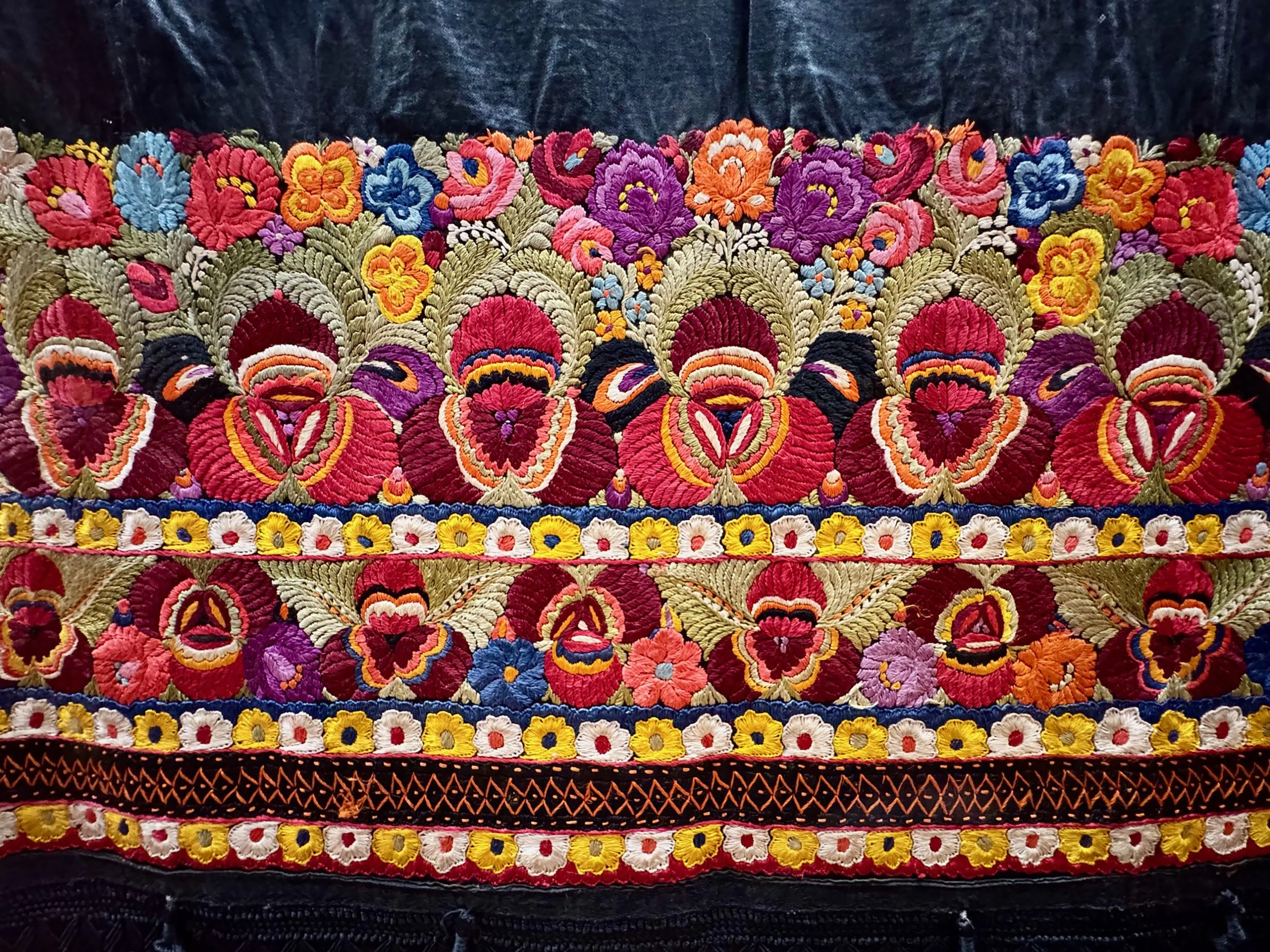
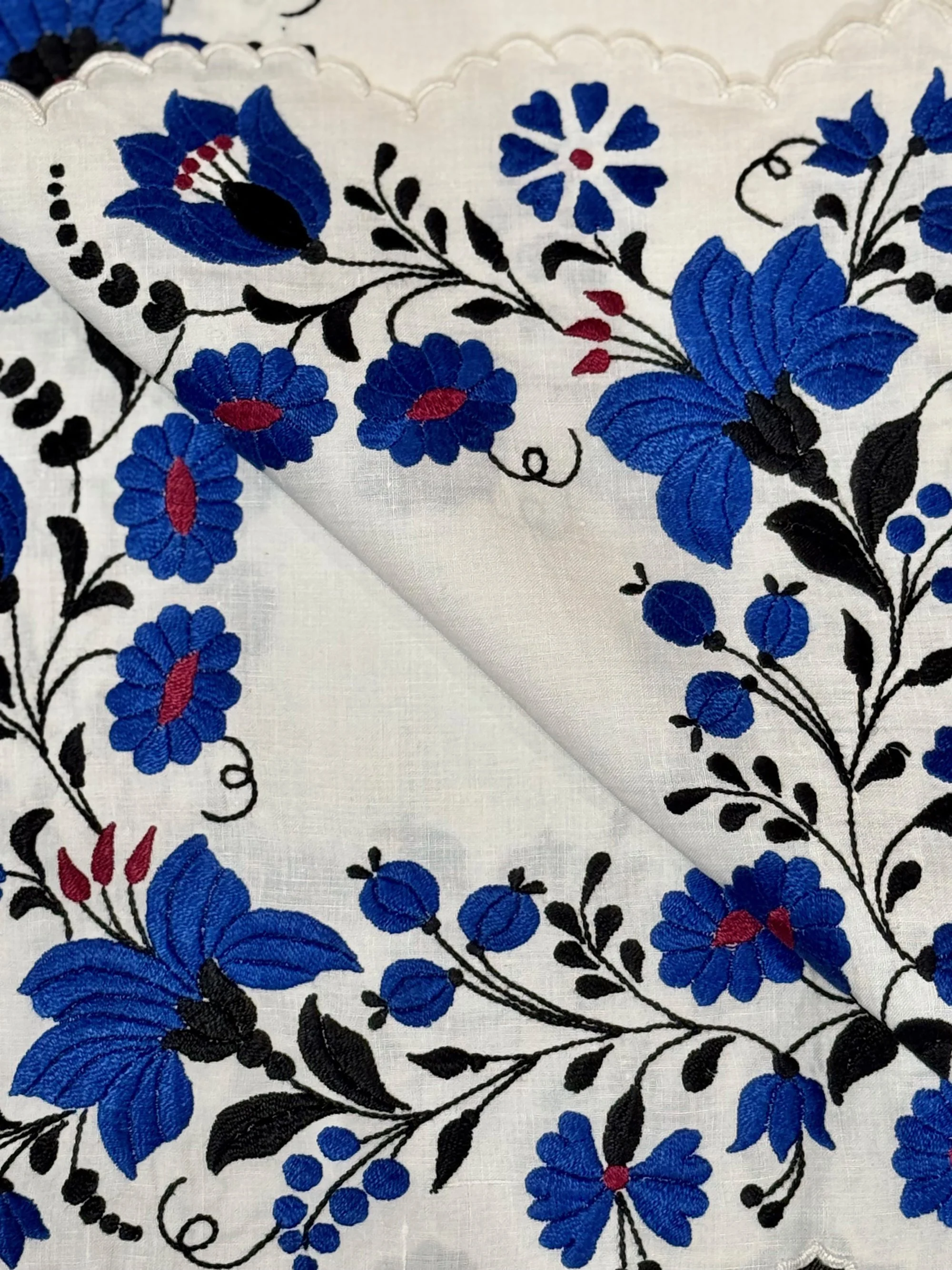
Probably the two best known folk traditions of Hungary are those of the Matyó people of Northern Hungary and those of Kalocsa in the South, the floral embroidery of both feature prominently in this exhibition.
The Matyó people known for their exuberant folk costume and textiles, heavily embroidered with silk thread and featuring stylised “Matyó roses originate from three settlements, Tard, of which Mezőkövesd, is the largest and houses the Matyó museum and the Hadas or old town where one can visit craftspeople at work and the memorial house of Kisjankó Bori a master embroiderer and drawer of embroidery designs.
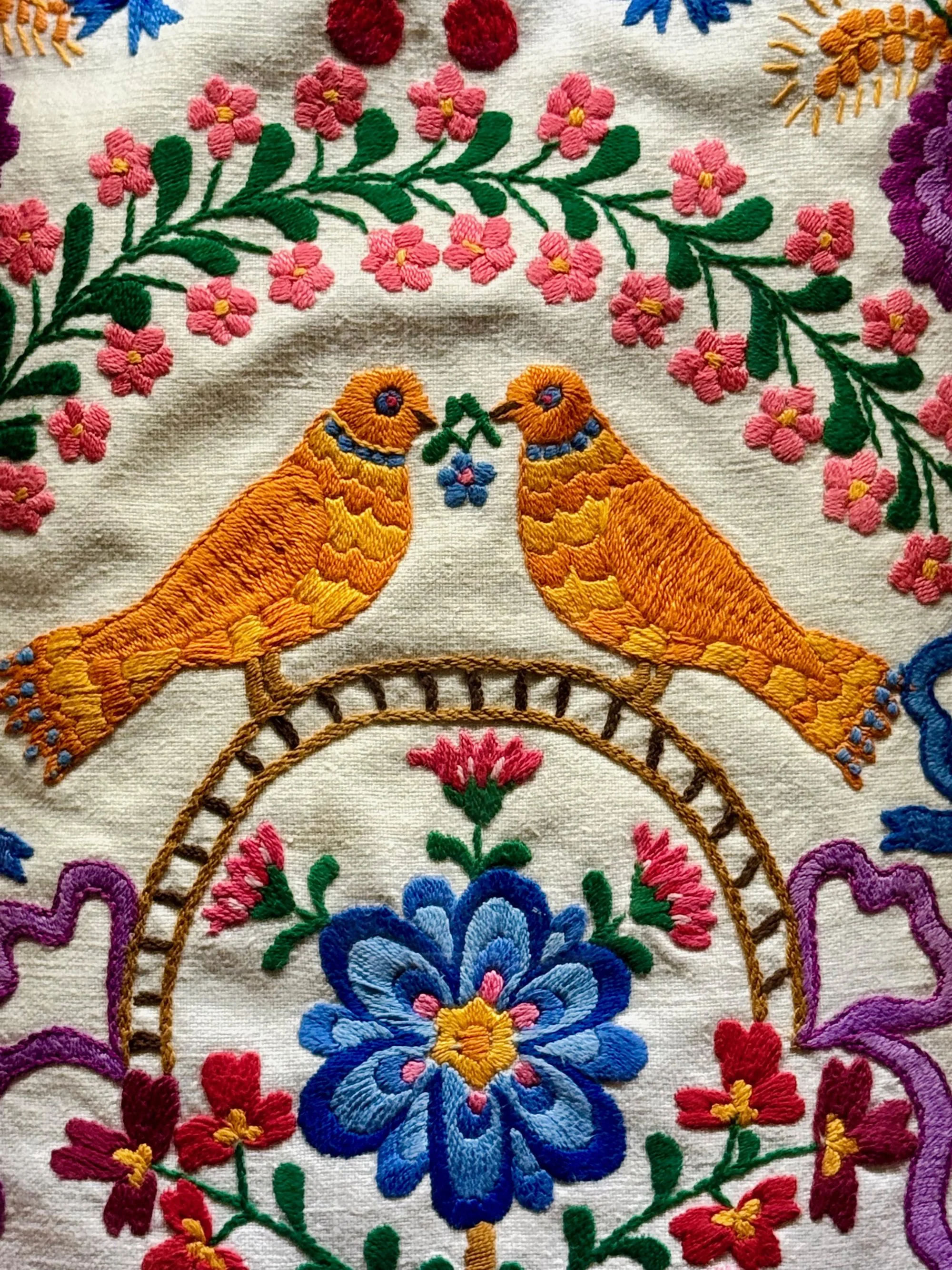
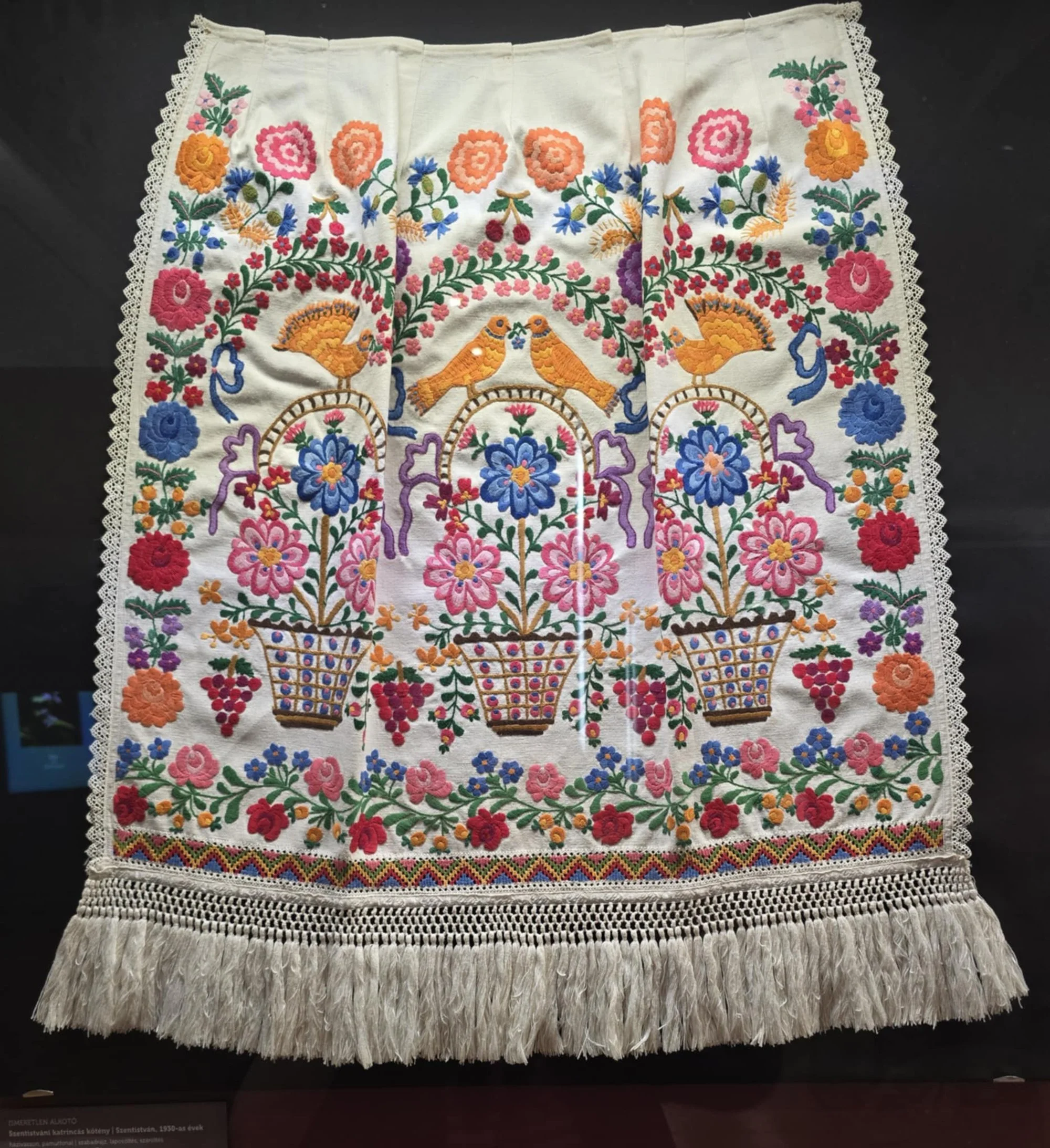


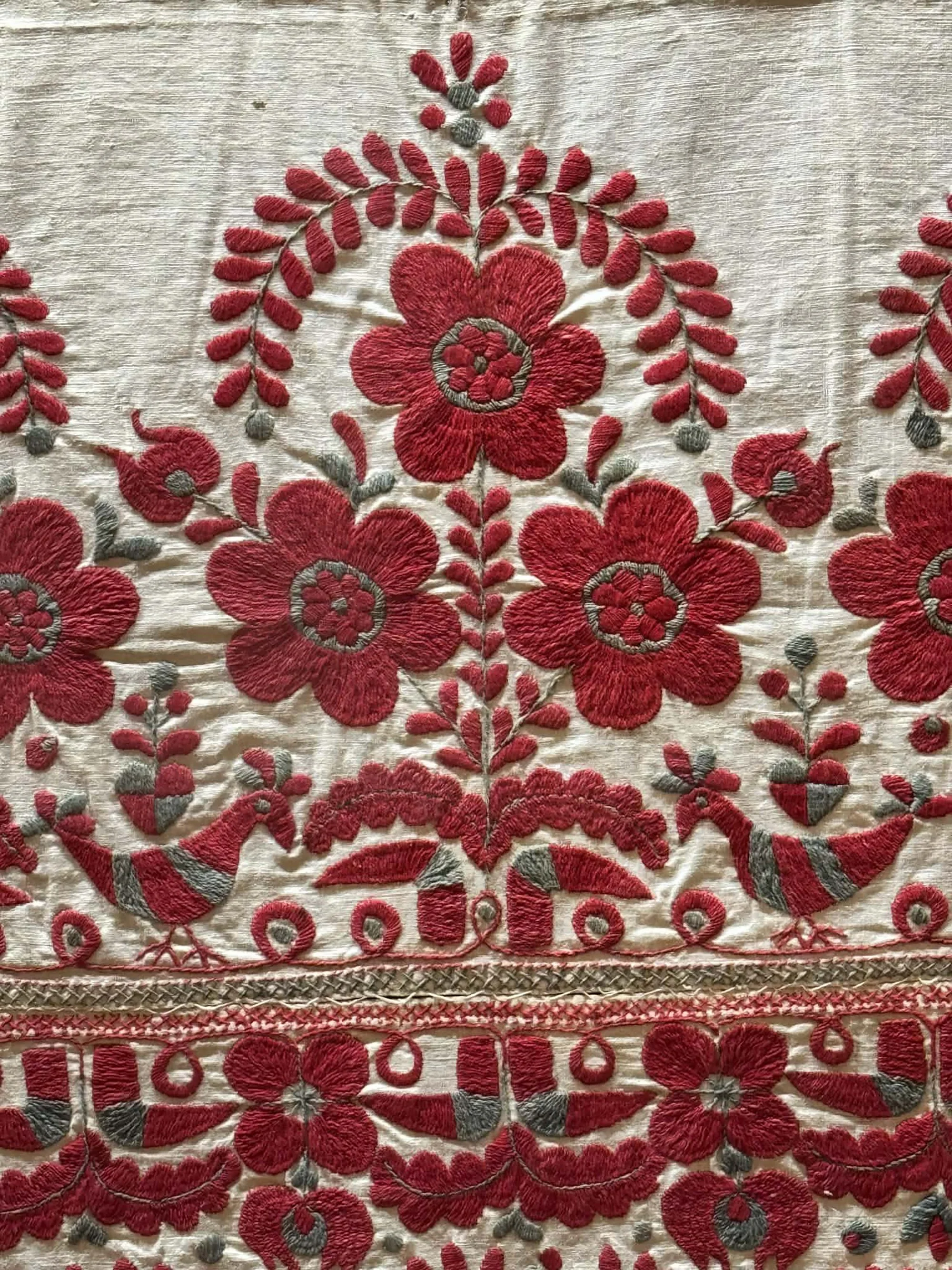
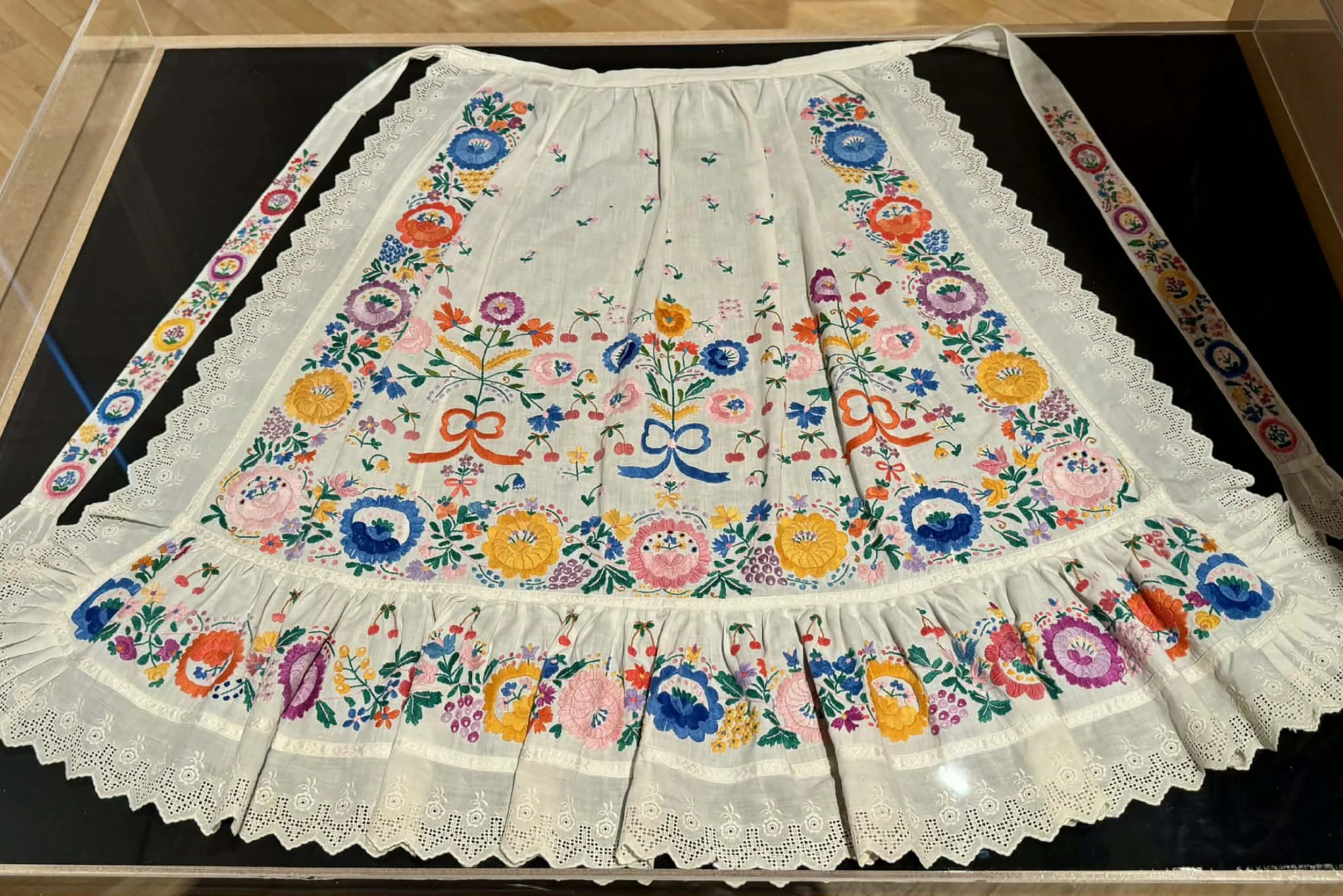
The folk art of Kalocsa, is arier and less stylised in style, and features flowers known in the area; lilacs, lilies of the valley, roses, violets, forget me nots, paprika and ears of wheat.
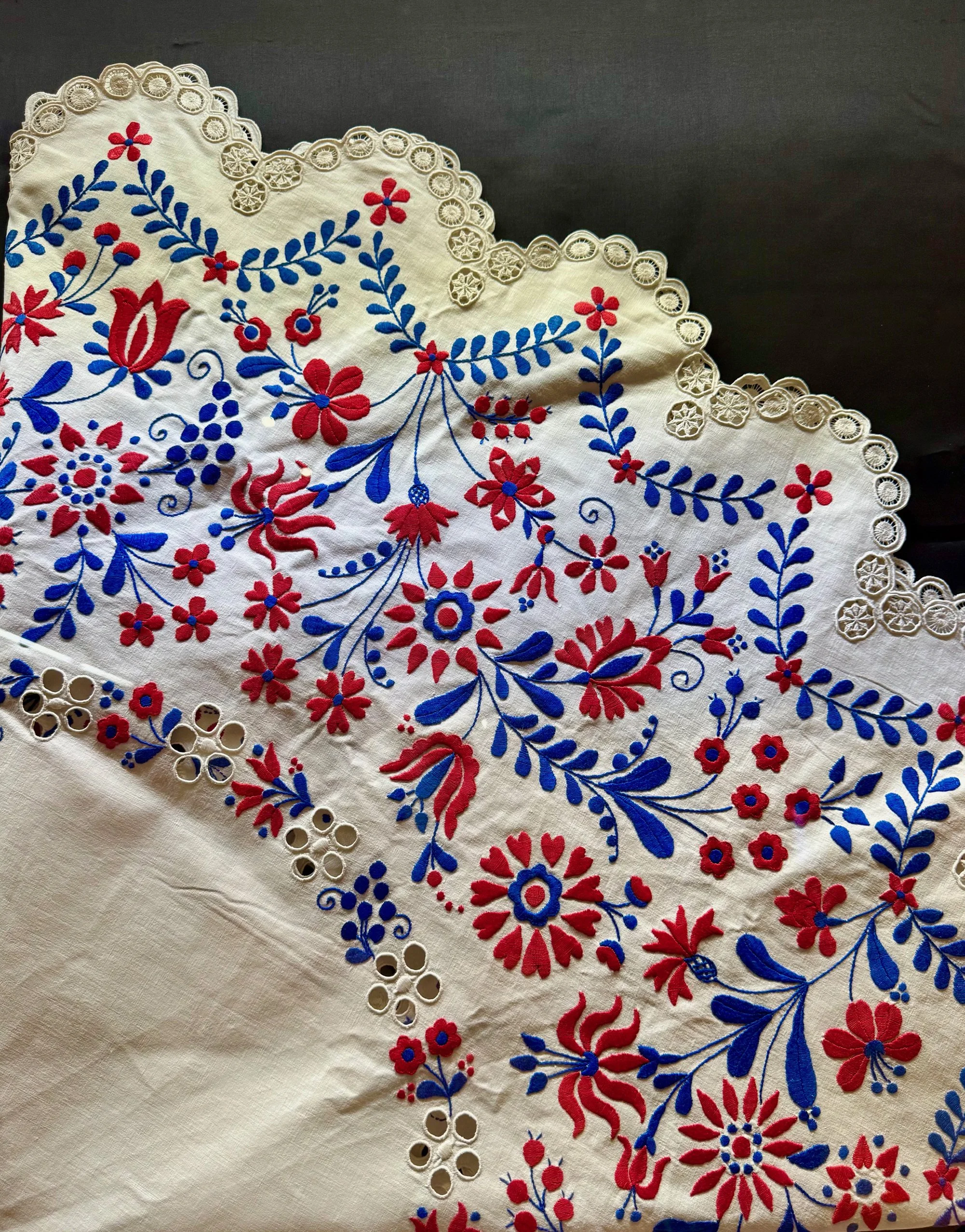
Tulip and Sage at the House of Traditions @hagyomanyokhaza in Budapest until 29th November 2026.
Words - Kath Griffiths @parnaramarama
Images - Edit Kalman @editkalman