Tapis Noir
Where textile history meets modern style
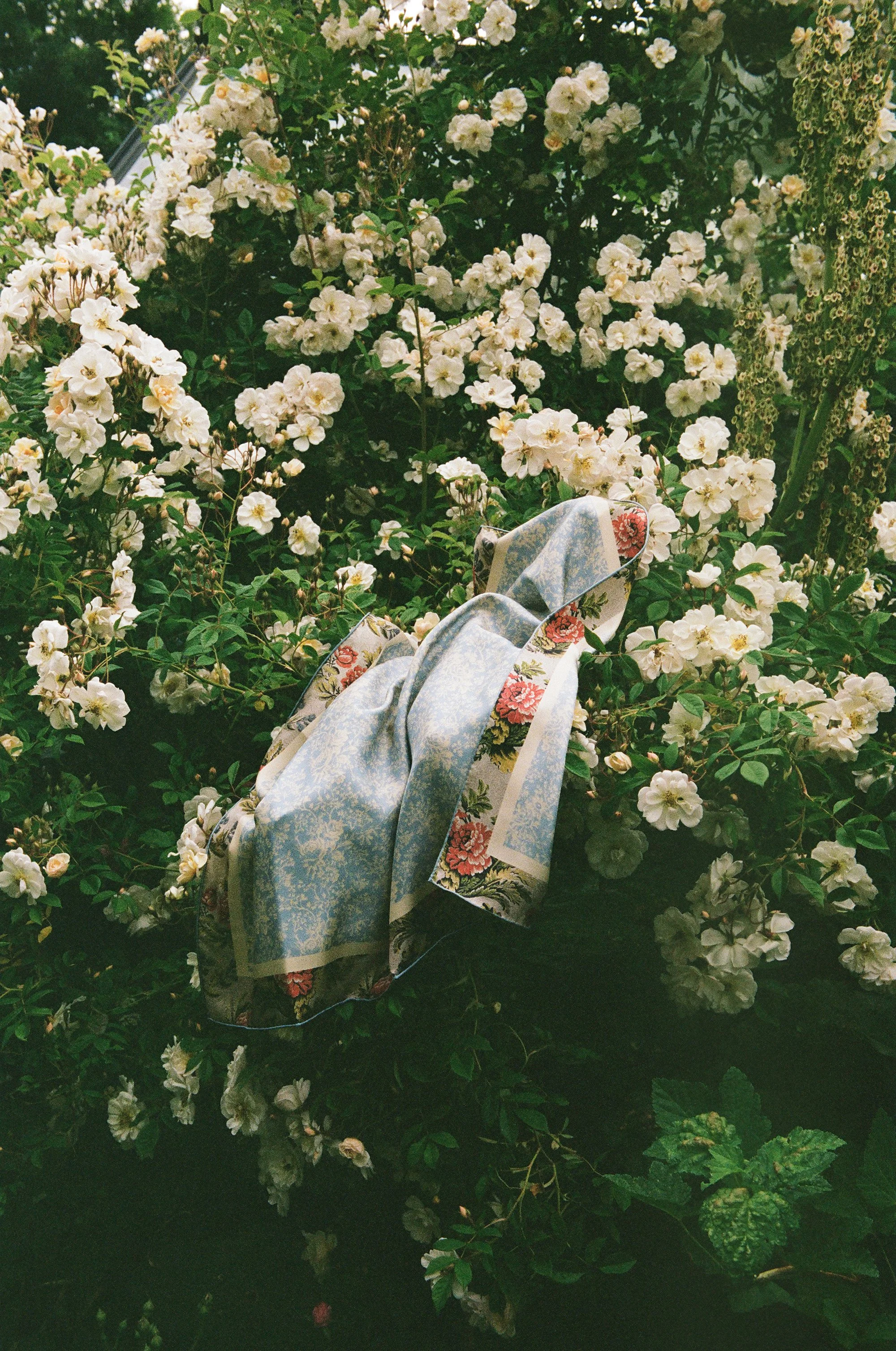
From 17th-century Dutch tapestries and French court silks to 19th-century Indian brocades, Tapis Noir breathes new life into historical fabric archives, turning them into wearable art. To celebrate the launch of their new Homeware line, we sat down with founder Mads. A former Art Director and avid collector of antique textiles, Mads shares the story behind the brand’s name, his unique creative process that honors the natural patina of age, and his vision for a slower, more deliberate kind of luxury.
Hello Mads, how are you? To start, could you tell us a bit about yourself, your background as an Art Director, and what led you to found Tapis Noir?
I’m very well, thank you. I worked as an Art Director for many years, but alongside that I’ve always had a great love of scarves, antique prints and textiles. I’ve been collecting antique fabrics for years, and I’ve always loved silk as a material. Tapis Noir really grew out of those interests and the idea of somehow bringing them together.
The name ‘Tapis Noir’ is in French—what is the story behind this name, and what does it represent for the brand?
The name comes from the French “tapis vert”, which means green carpet. It’s the name given to the long, flat lawns you see at Versailles and other French gardens, often surrounded by paths that create a kind of border. I liked that because it’s basically the construction of our scarves: a central print surrounded by a border. Black is also a colour we hardly ever use in the collections, so I thought it was quite nice to include it in the name instead.
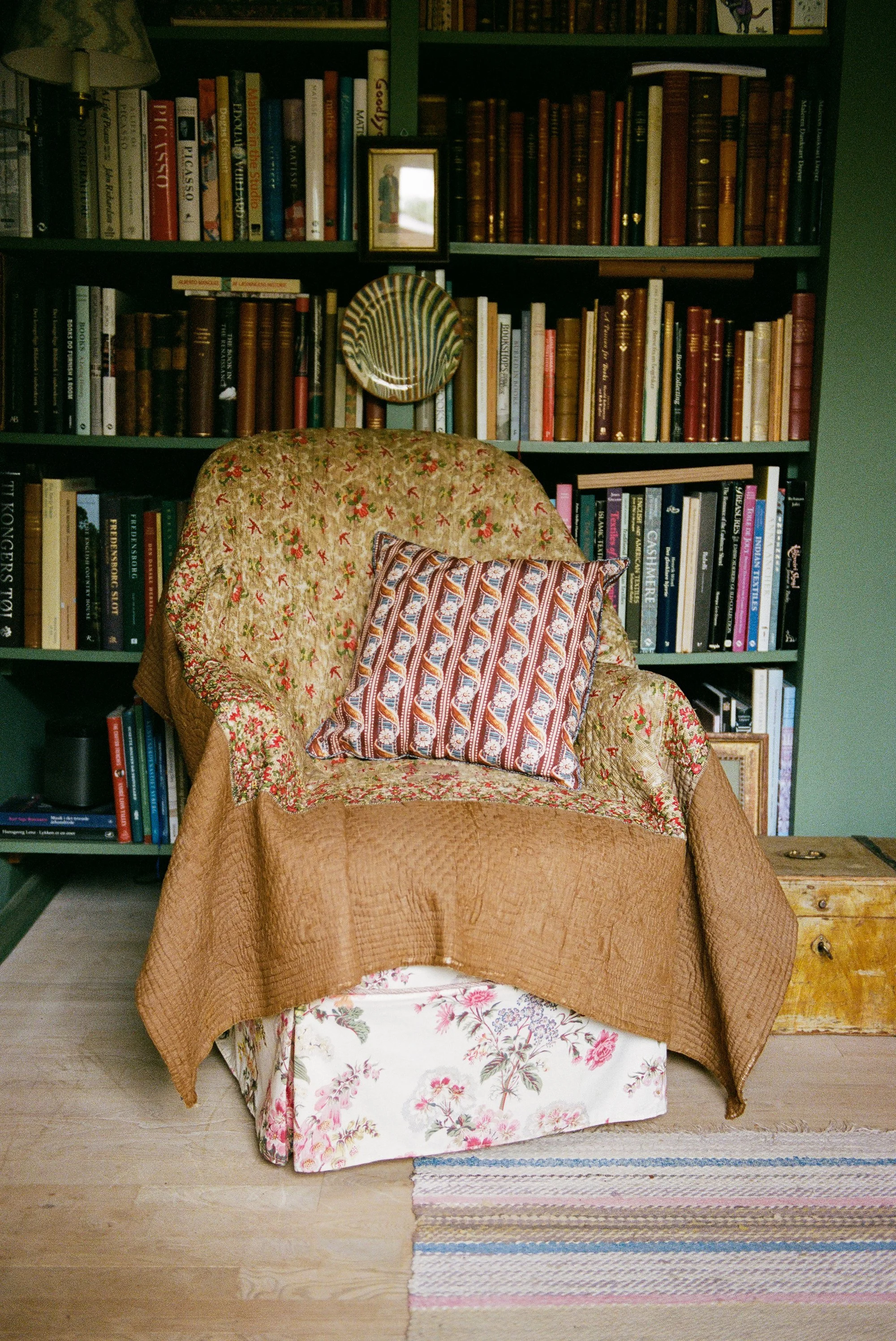
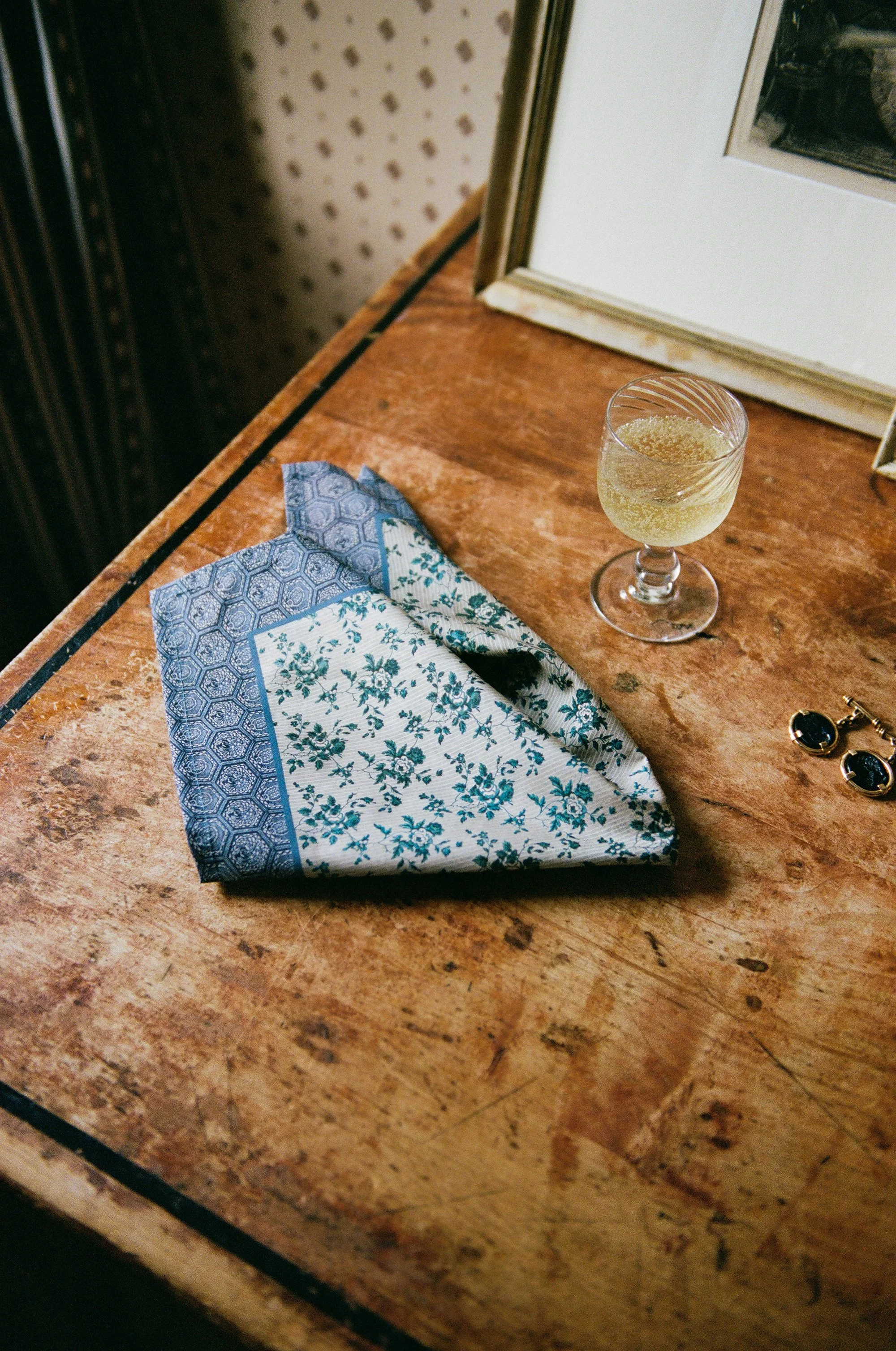
Tapis Noir has a very distinct aesthetic rooted in history. Where does your passion for antique textiles come from, and how did it inspire you to launch Tapis Noir in 2020?
That’s a good question. I’ve collected antique fabrics for years and have quite a large collection by now. It ranges from 1680s Dutch tapestries and French brocades to 19th-century English hand-printed fabrics and Indian paisleys. I have a bit of everything.
My husband is an art historian and works as an interior decorator, so we share a passion for antiques, interiors and old textiles. Starting Tapis Noir had been a dream of mine for many years, but I kept putting it off.
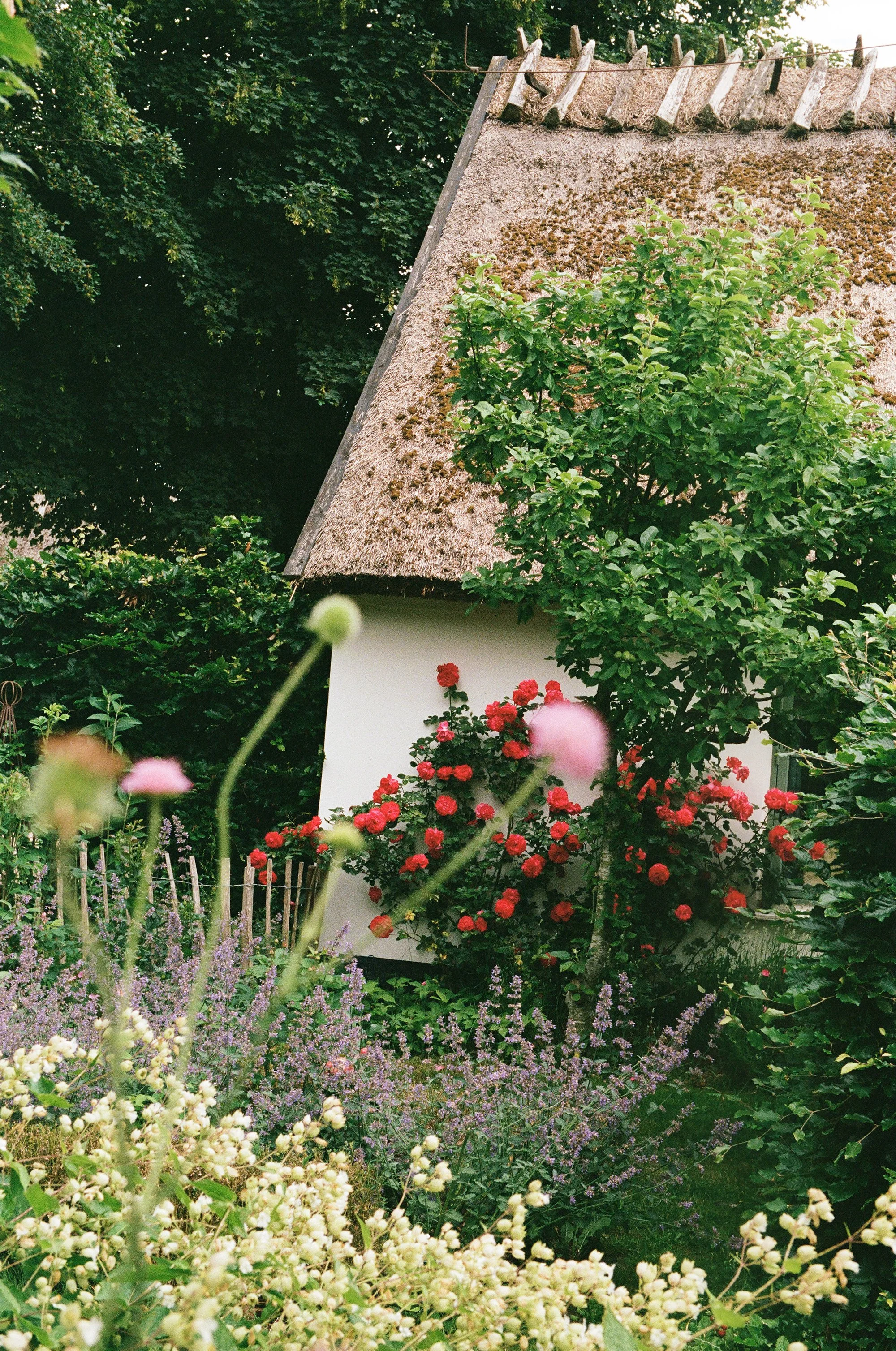
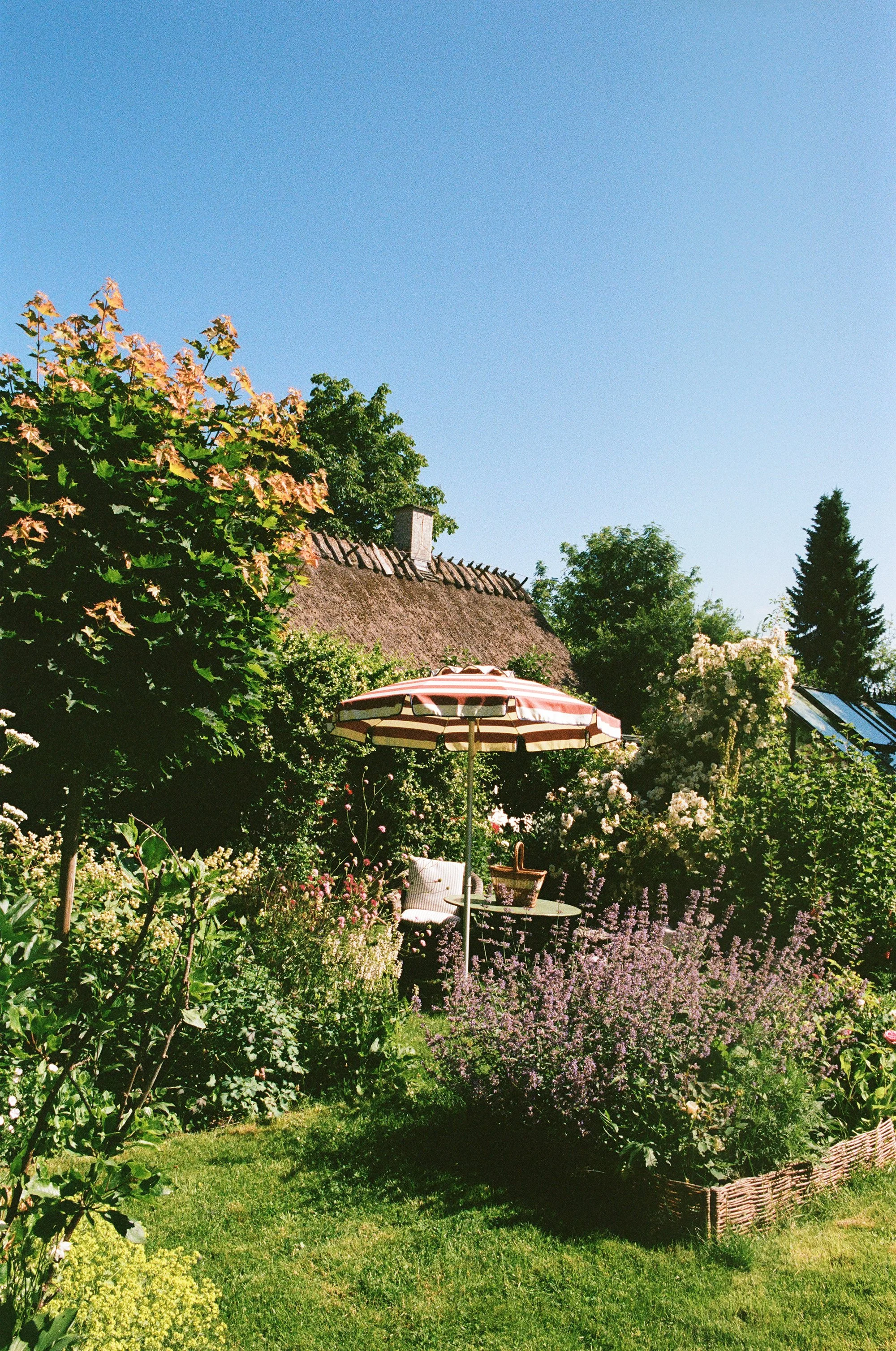
Then Covid happened, and instead of waiting any longer, we decided to do some of the things we had always dreamed about. We sold our apartment, bought a 17th-century cottage in the countryside, and I finally started Tapis Noir.
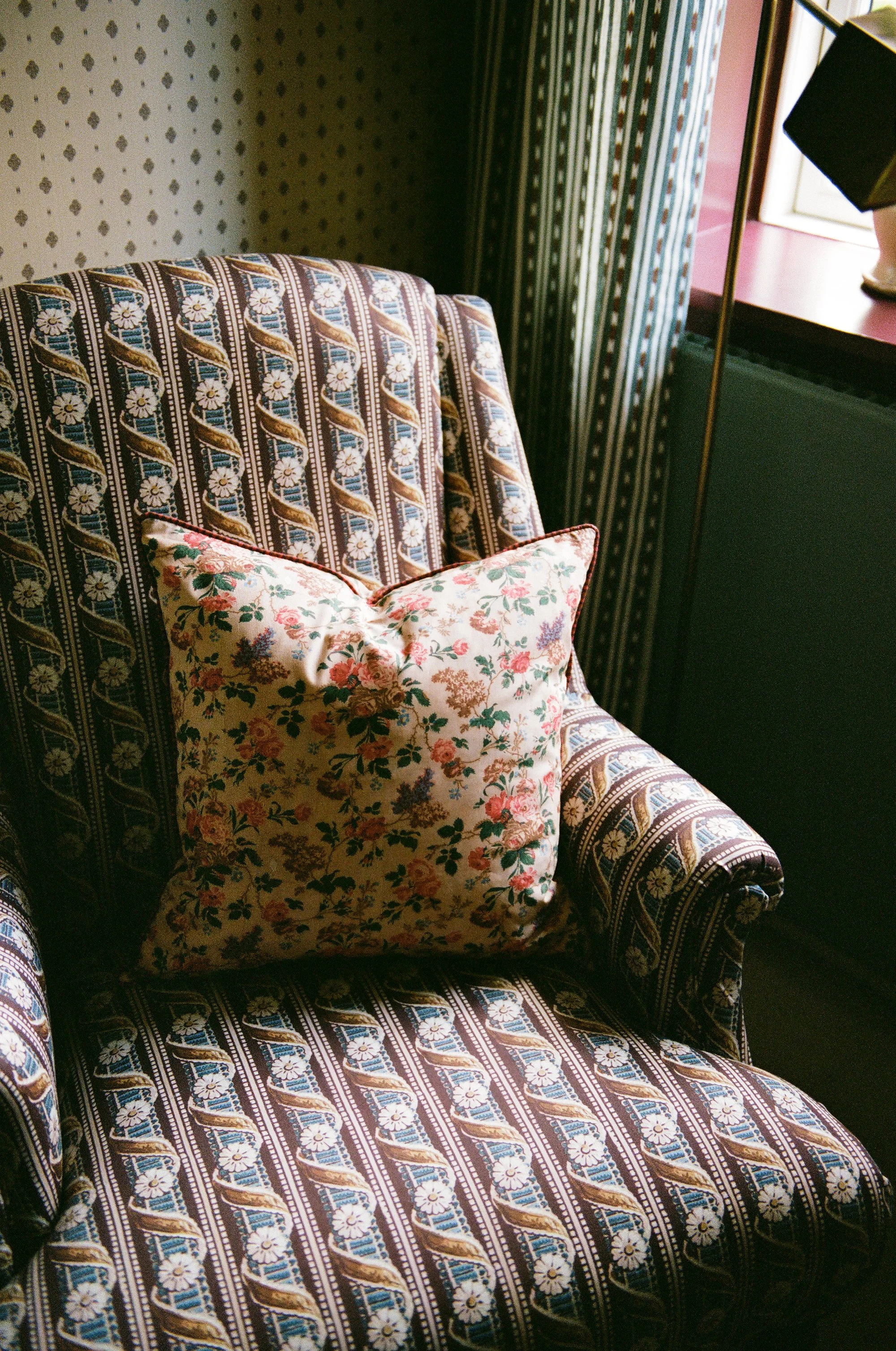
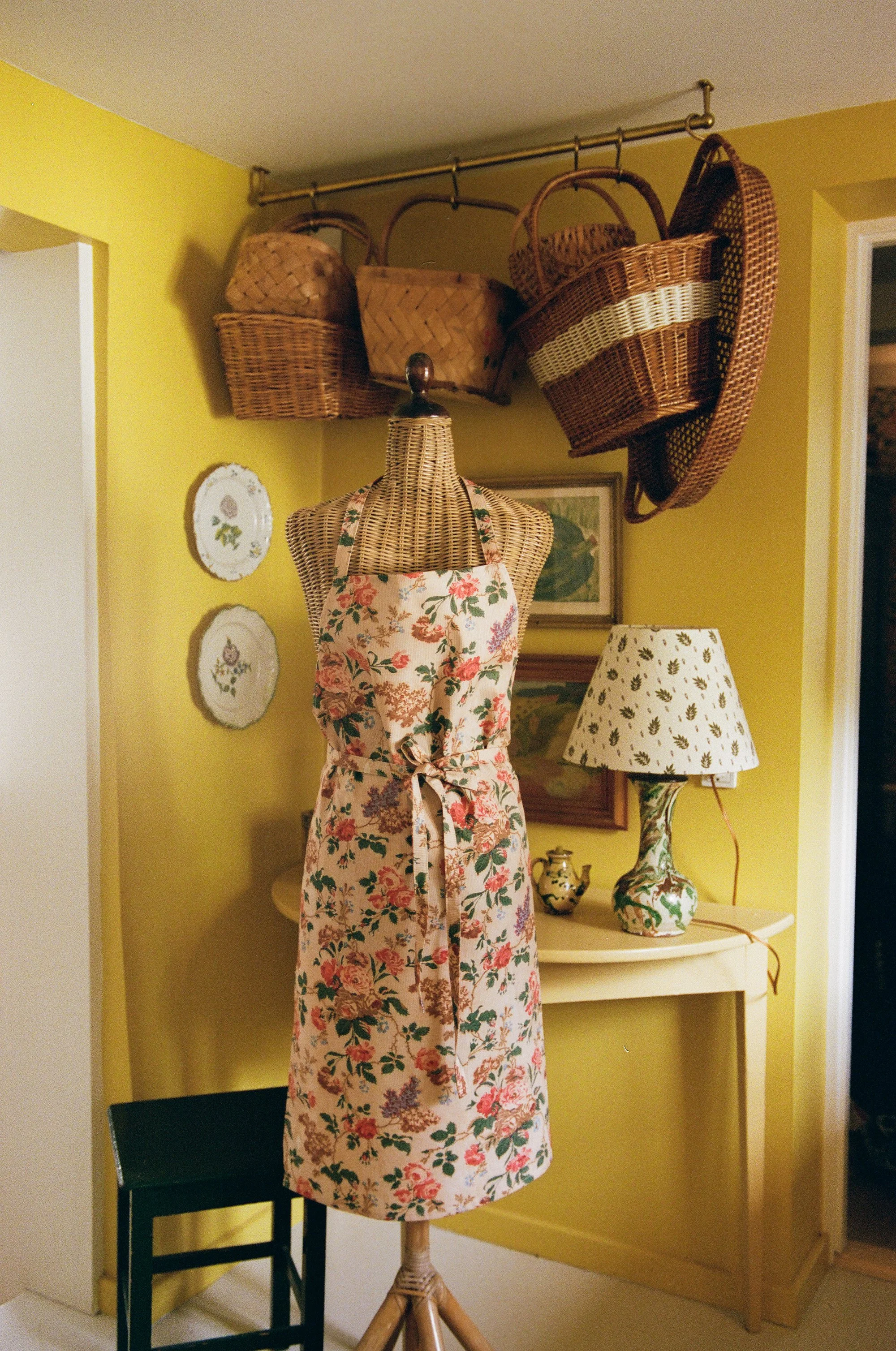
How does your design background influence the way you approach transitioning a piece of visual history into a modern, wearable garment or accessory?
I think my background as an Art Director has given me a very visual way of working. I’m used to looking at composition, scale, colour and how different elements work together. With an antique textile, I want to reproduce it exactly as it looked. That includes old patches, patina, damages etc. I look at what makes it interesting and then I love to changes the context of the print.
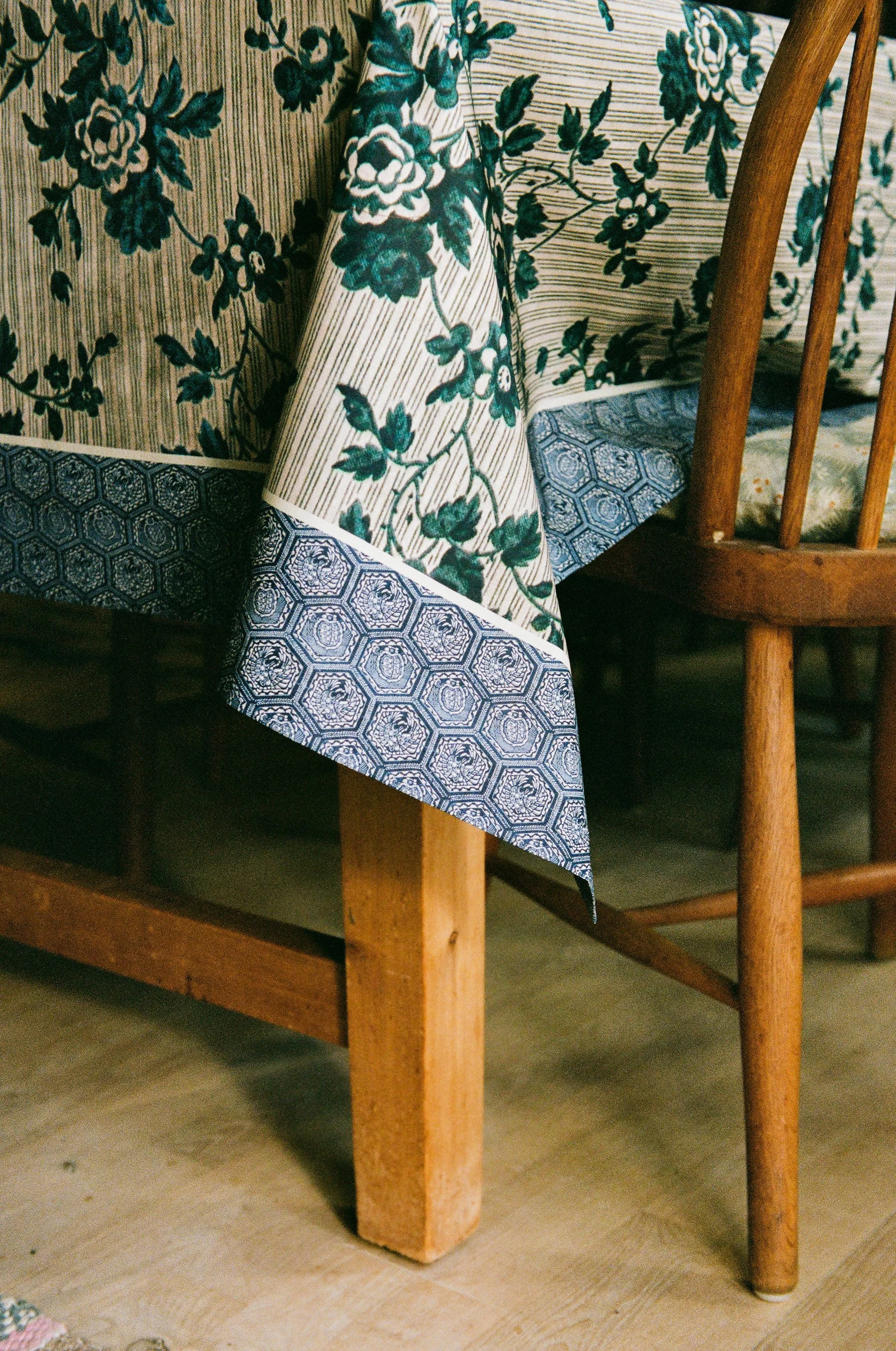
Sometimes that means changing the scale, or combining it with a border from another textile or very unexpected colors. It’s really about editing. I try to keep the character and imperfections of the original fabric, while making it feel relevant as something you would actually want to wear today.
Your designs feel like a conversation between different eras and cultures. Could you walk us through your creative process when developing a new print or collection?
The design process is quite different because I’m completely dependent on the antique fabrics I find. So it’s much more a process of curation and selection. I can’t just sit down and start drawing a new collection from scratch. That’s not really the concept of Tapis Noir. I need the original antique fabric, with its patina, old repairs, faded areas and imperfections.
I collect fabrics throughout the year. Then, when it’s time to start working on a new collection, I bring out everything I’ve found and start selecting. I look at the colours, mood, patina and styles and make sure there’s an interesting mix.
All the antique fabrics are then scanned. From there, I start deciding which print work with which fabrics. The final part is choosing and creating the borders, which is done on the computer. Apart from that, the process is actually very manual.
The brand places a strong emphasis on slow fashion and traditional craftsmanship. How do you select the artisans you work with, and why is this approach crucial to Tapis Noir?
We work with one supplier for all our scarves and garments, and they are an amazing partner for us. We’ve worked with them since the launch. Their focus is very much on craftsmanship, handmade details and working with silk. All our garments and scarves that are made from 100% cotton or 100% silk use organic fabrics.
For the new homeware collection, we work with a specialist printer with a strong focus on sustainability, and again all the fabrics are organic. The pieces are then sewn in Poland by a small specialist sewing company. Everything is made specifically for us, and they work exclusively with interior products, so they really understand the details and construction that are important for this type of collection.
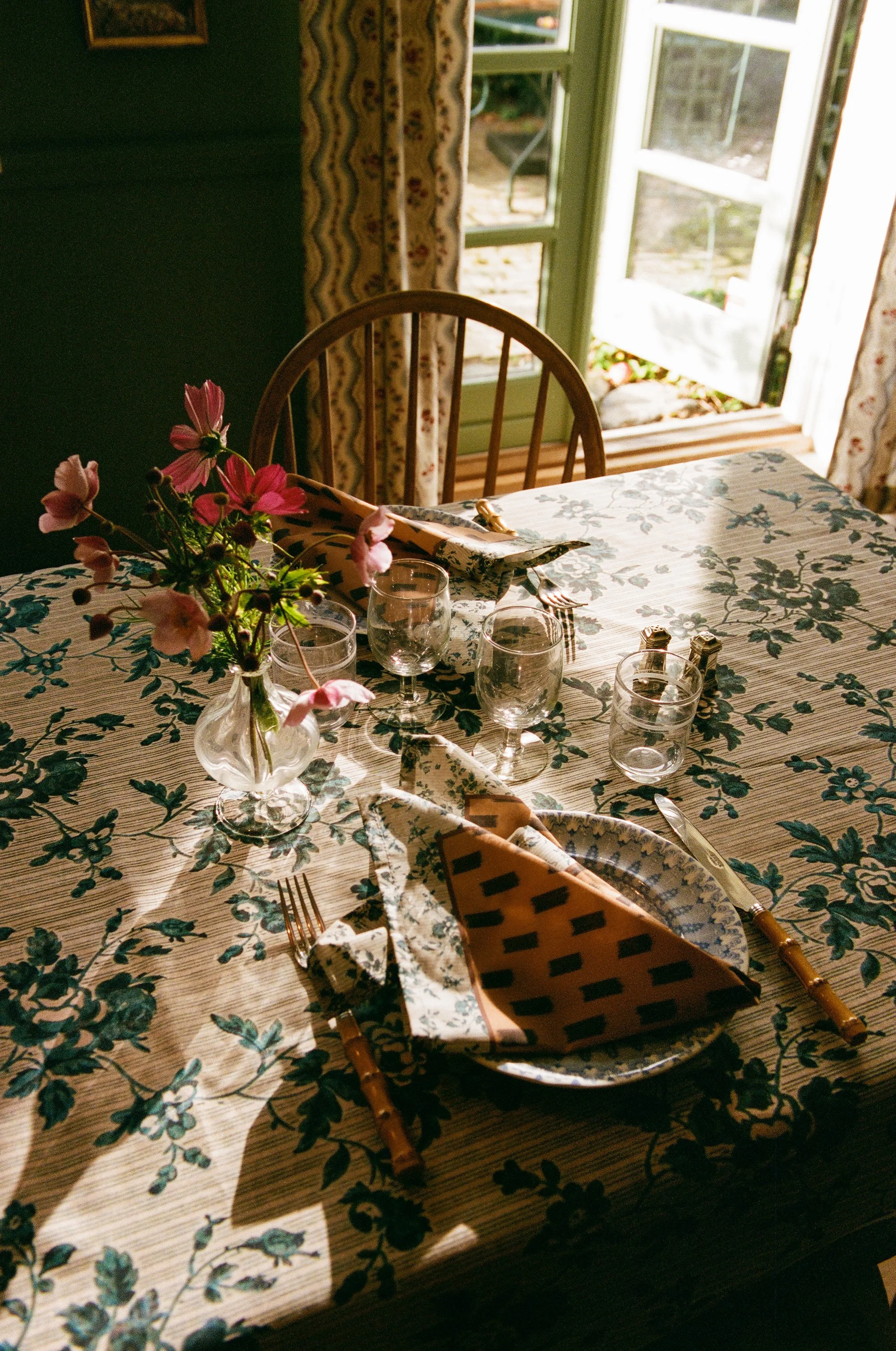
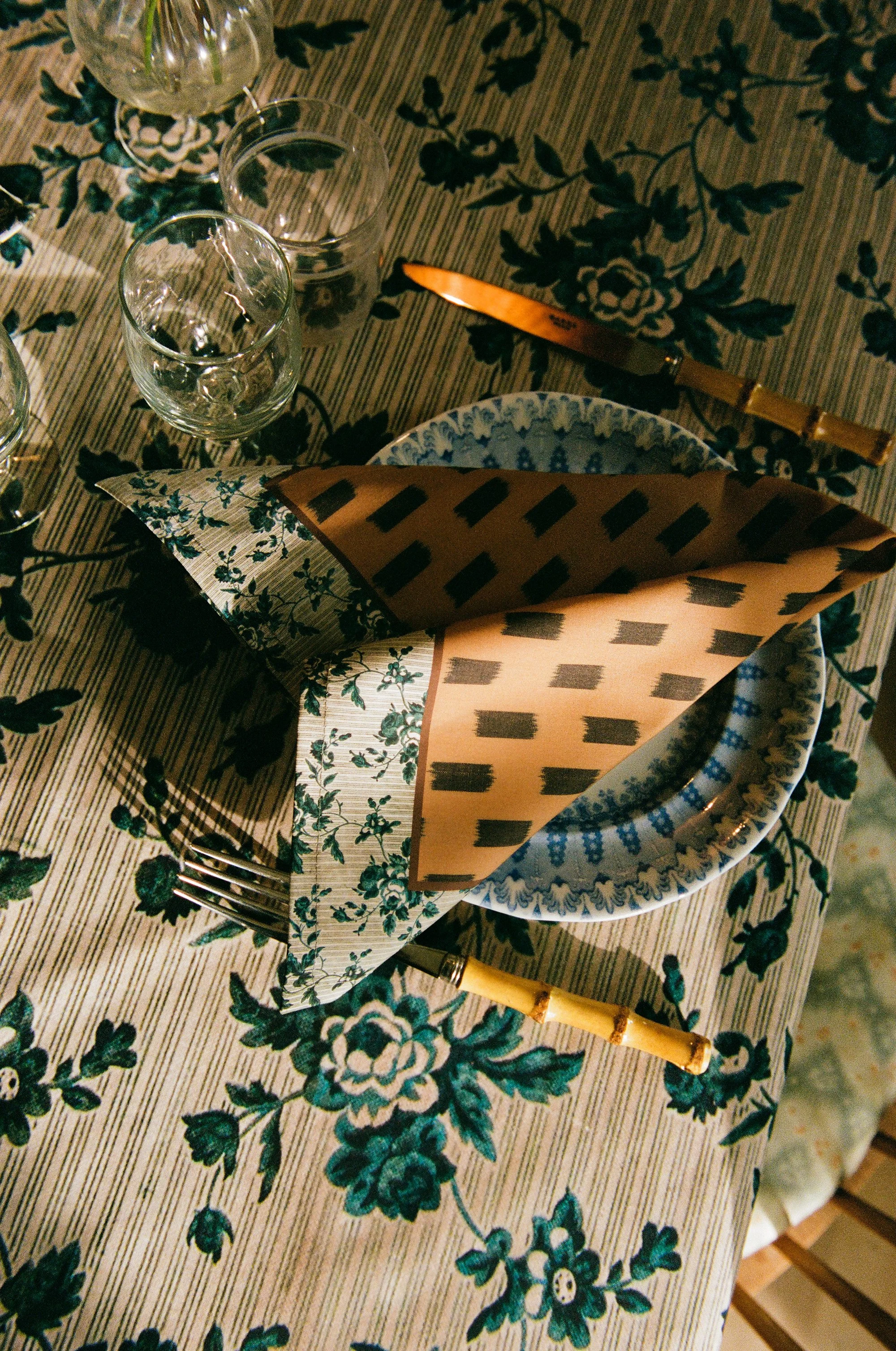
Starting with scarves, expanding into clothing, and now moving into new categories—how has the world of Tapis Noir naturally evolved over the years?
Tapis Noir started with scarves and a very small collection in the beginning. From there, the scarf collection gradually grew in size. For SS25, we introduced a full collection of garments: flowing silks and oversized cotton pieces using many of the same materials and prints as the scarves.
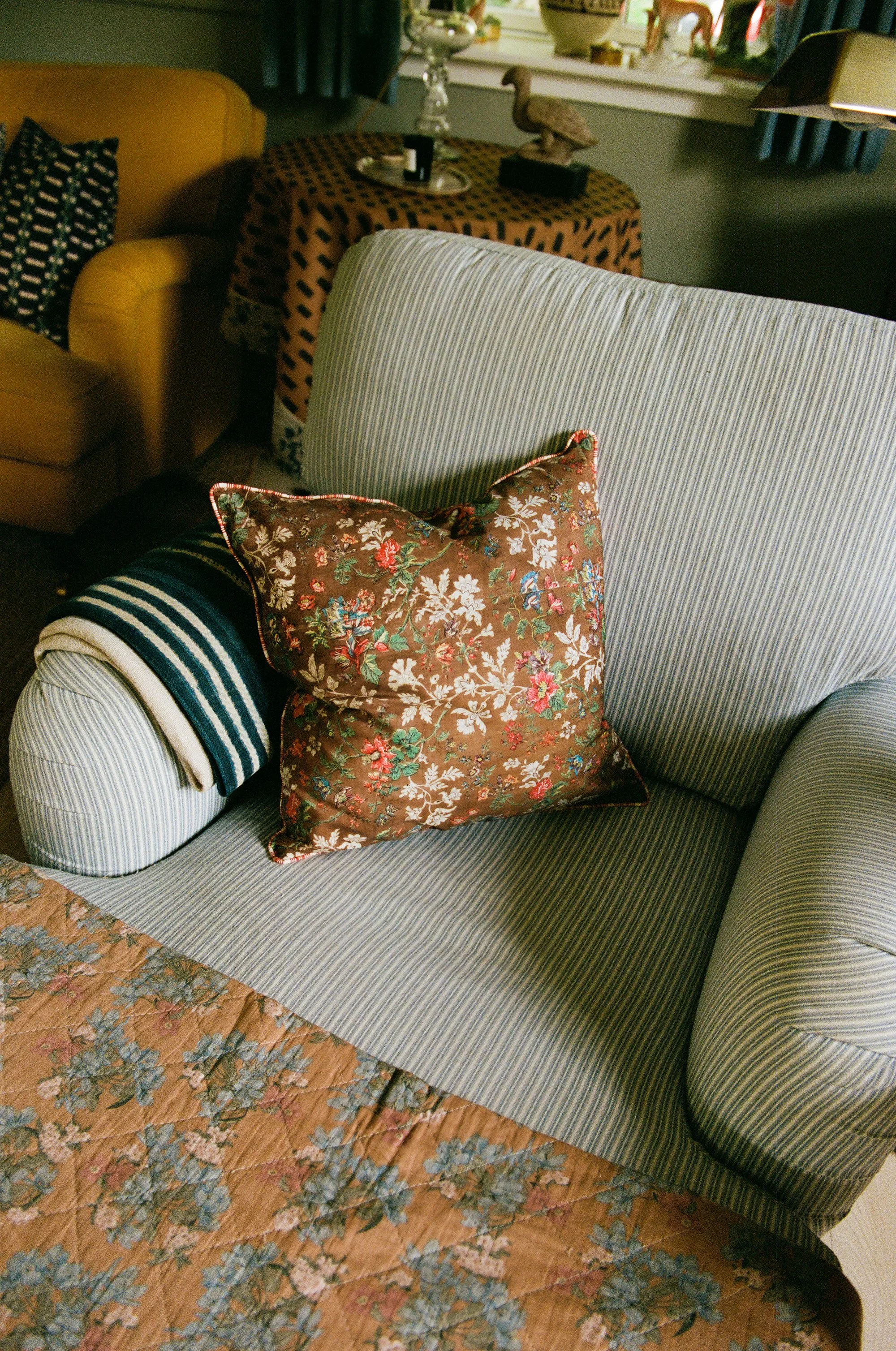
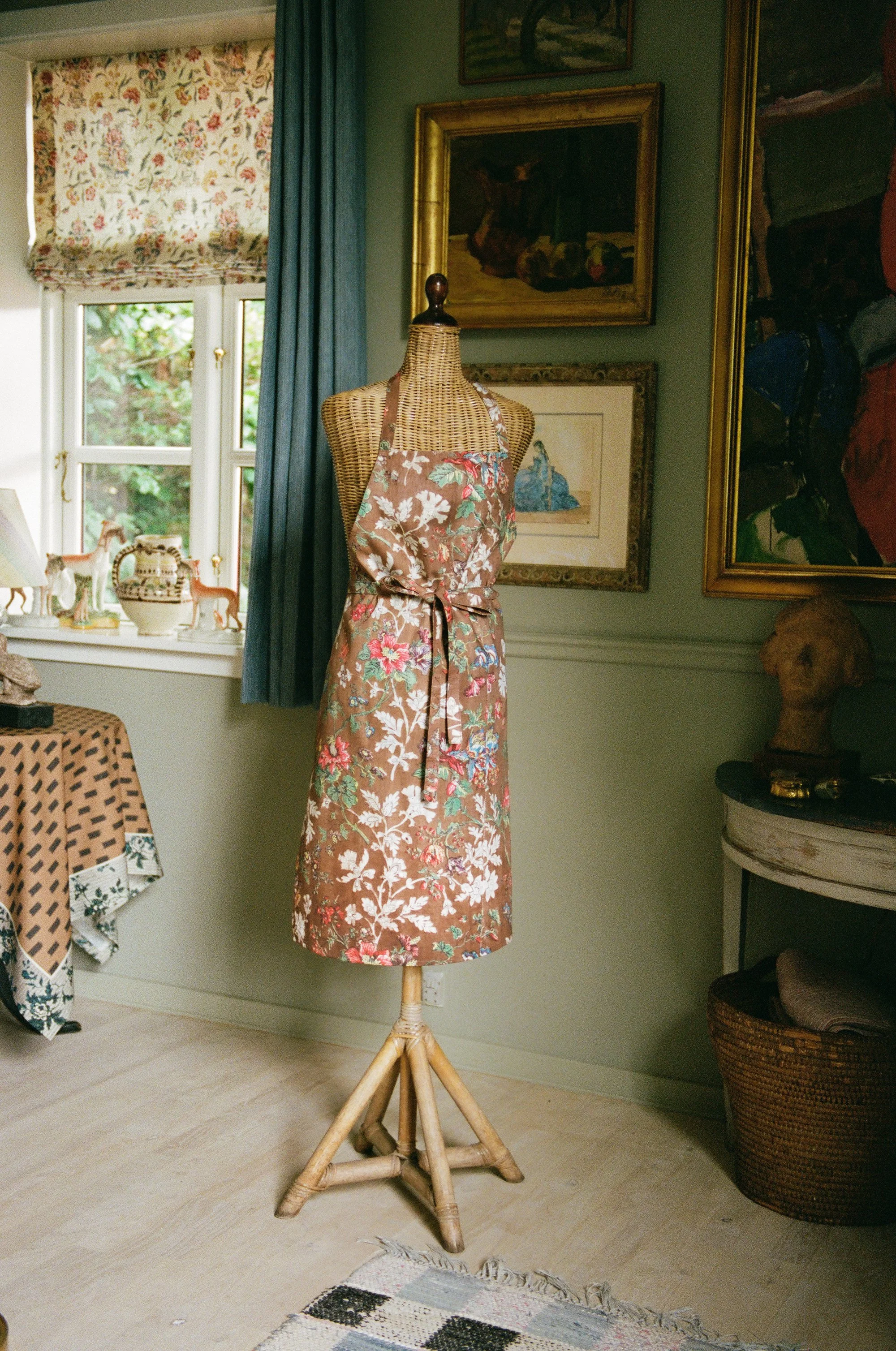
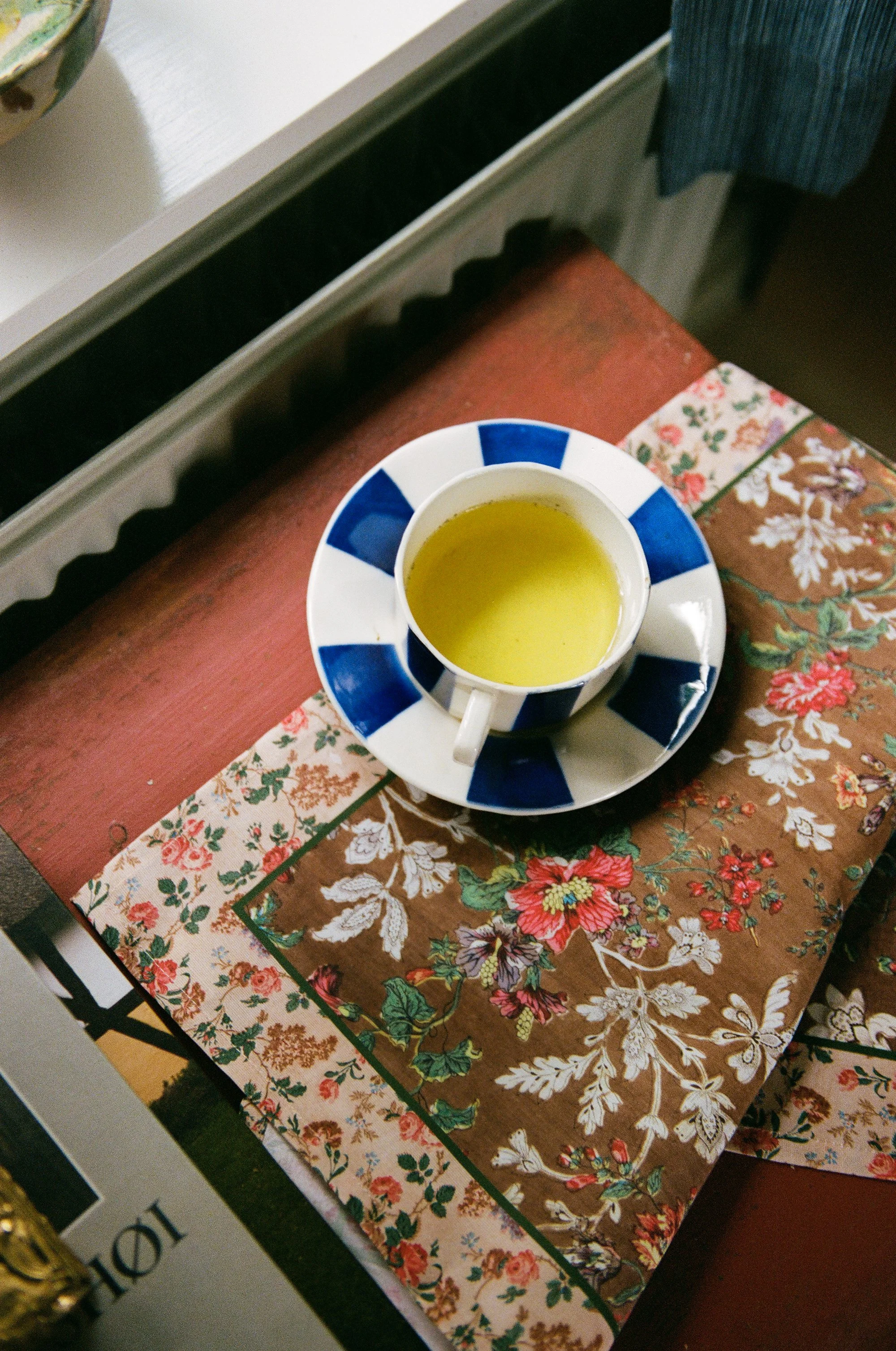
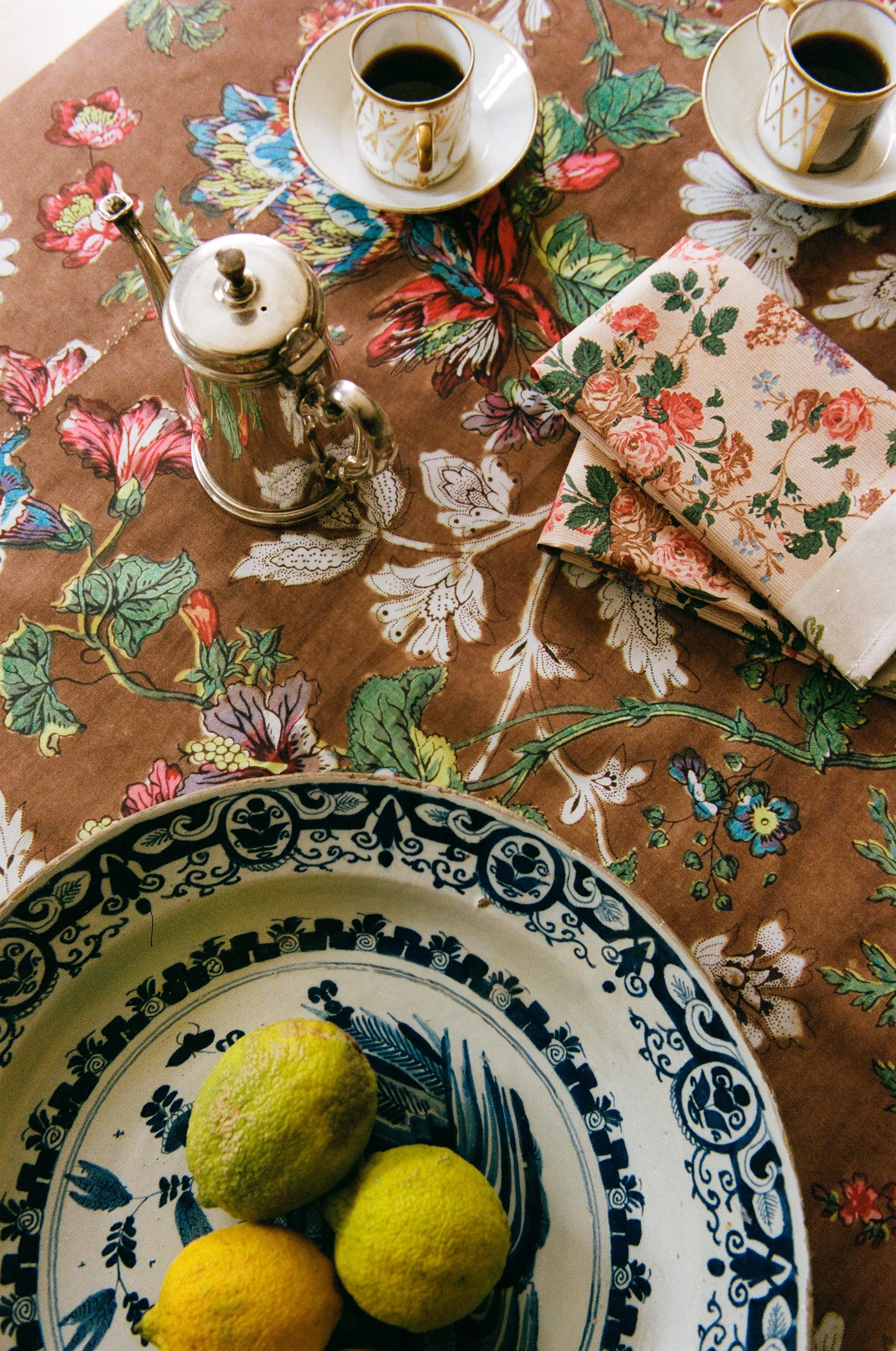
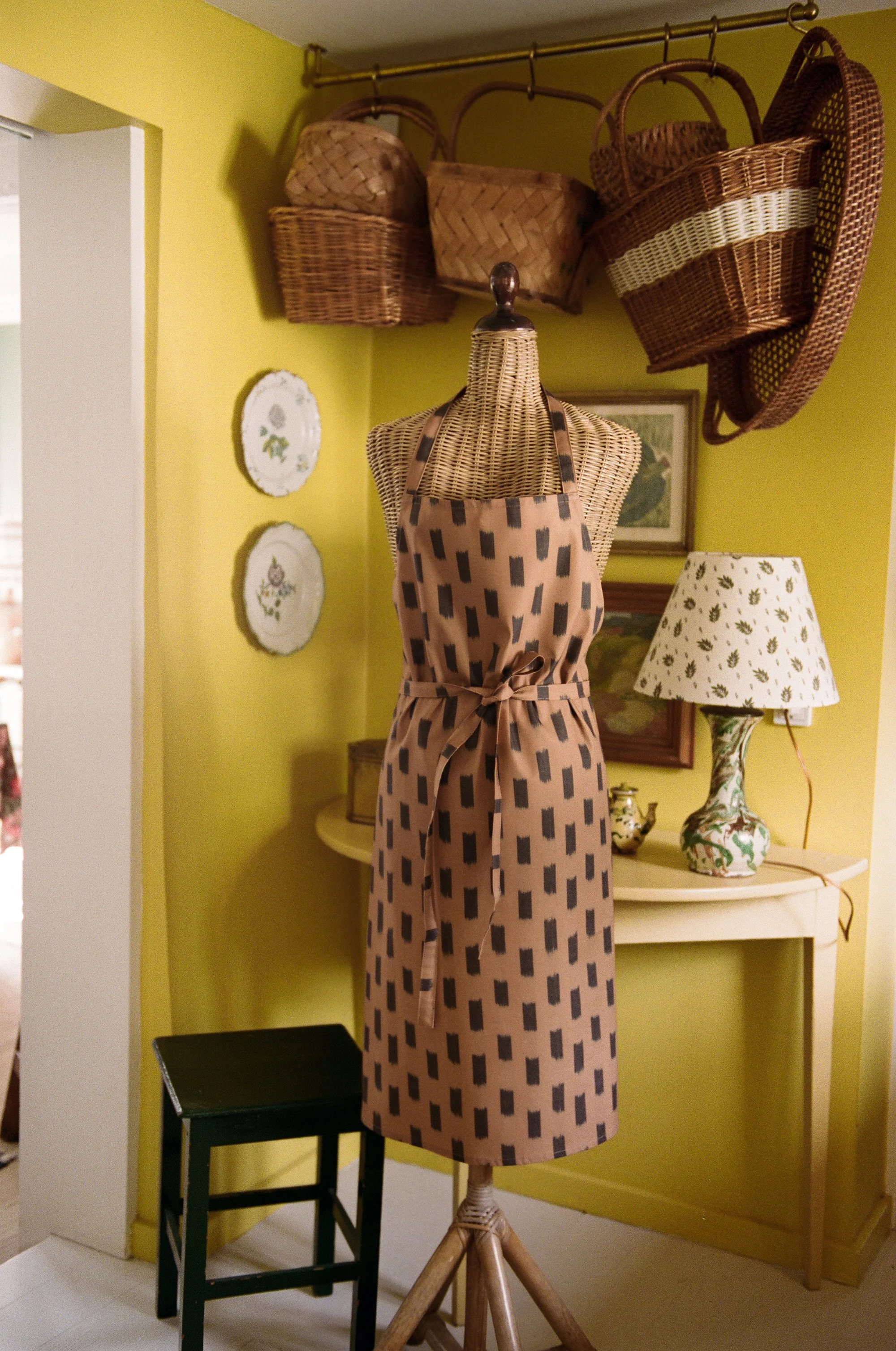
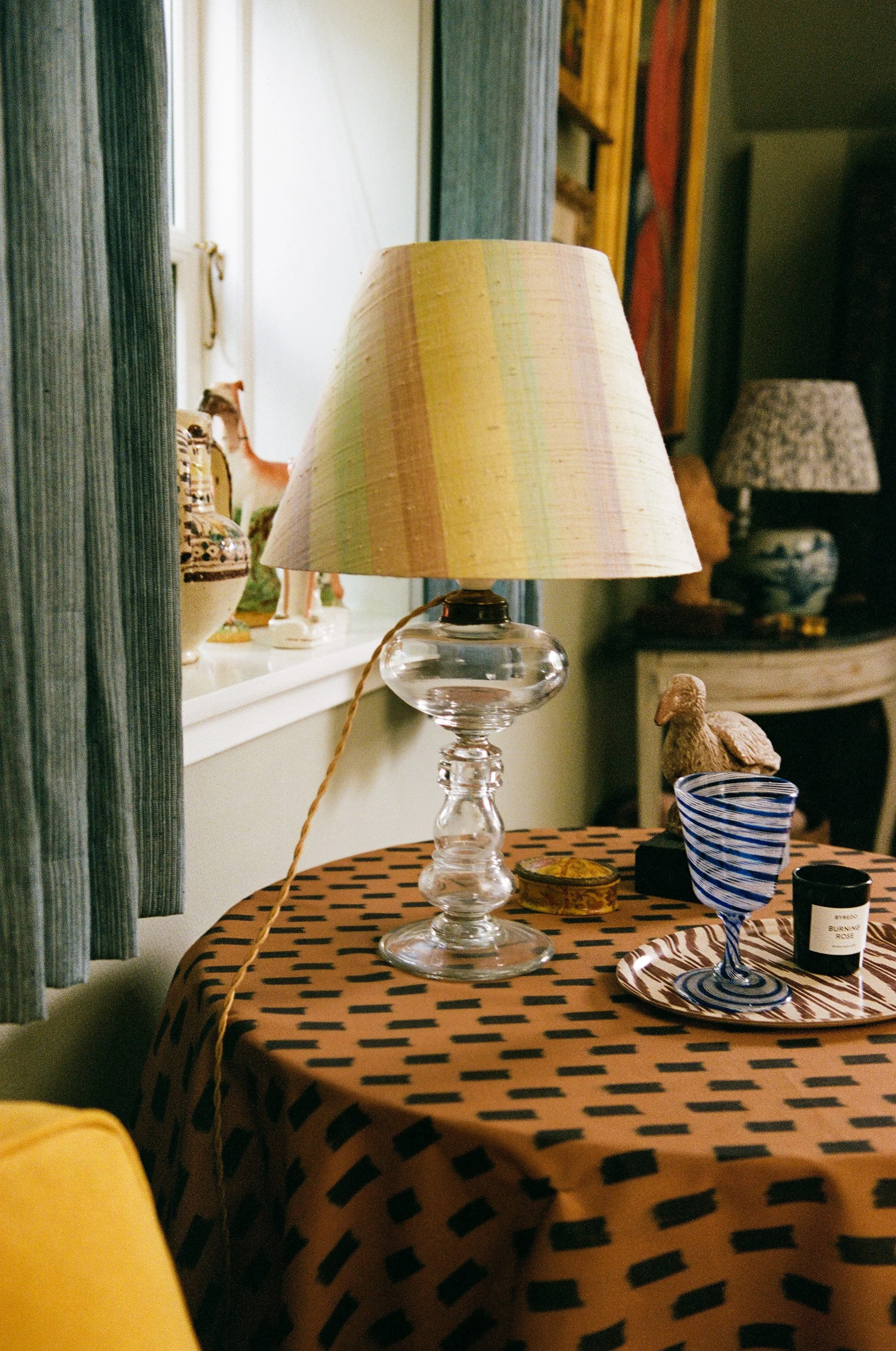
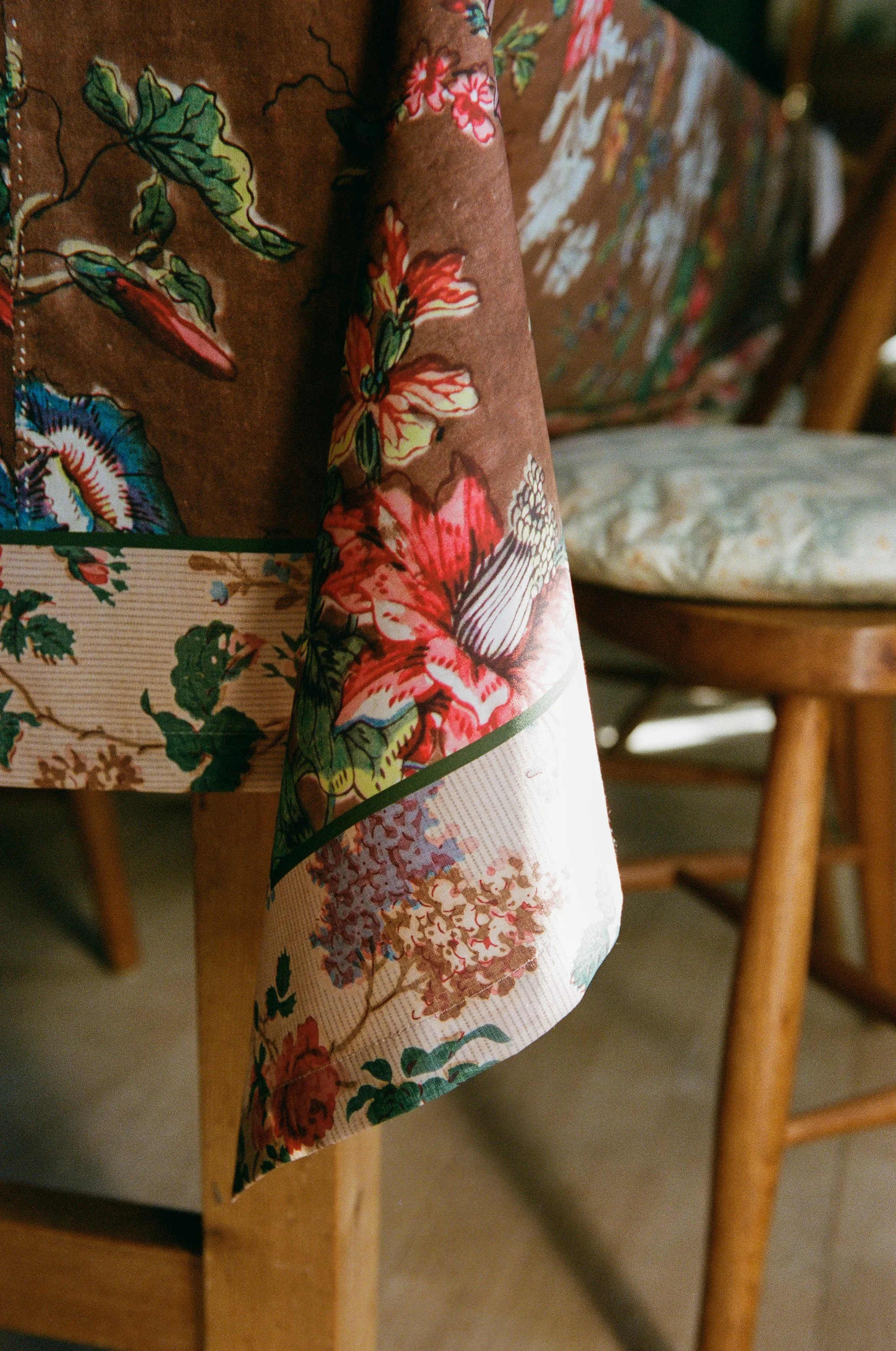
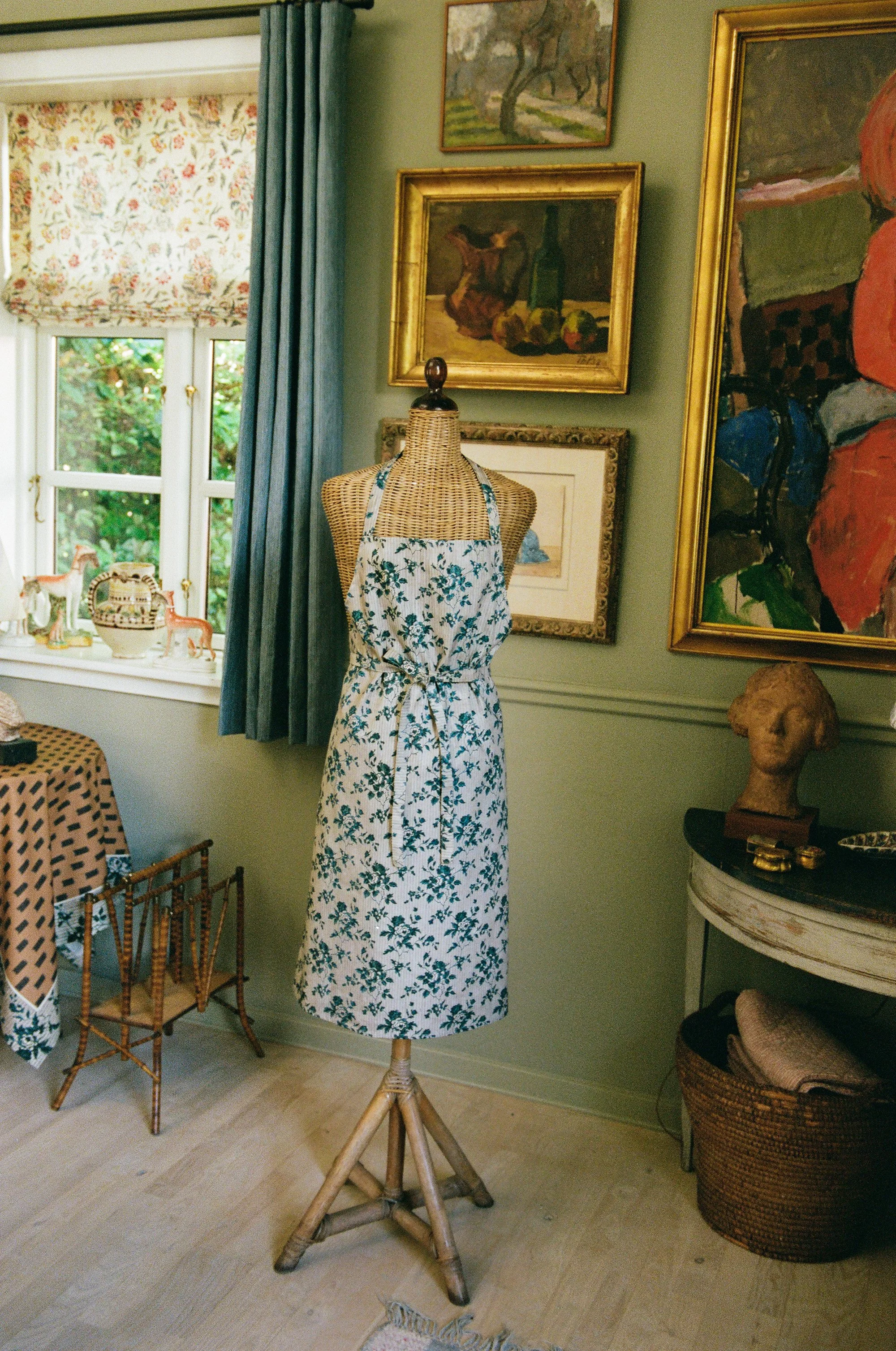
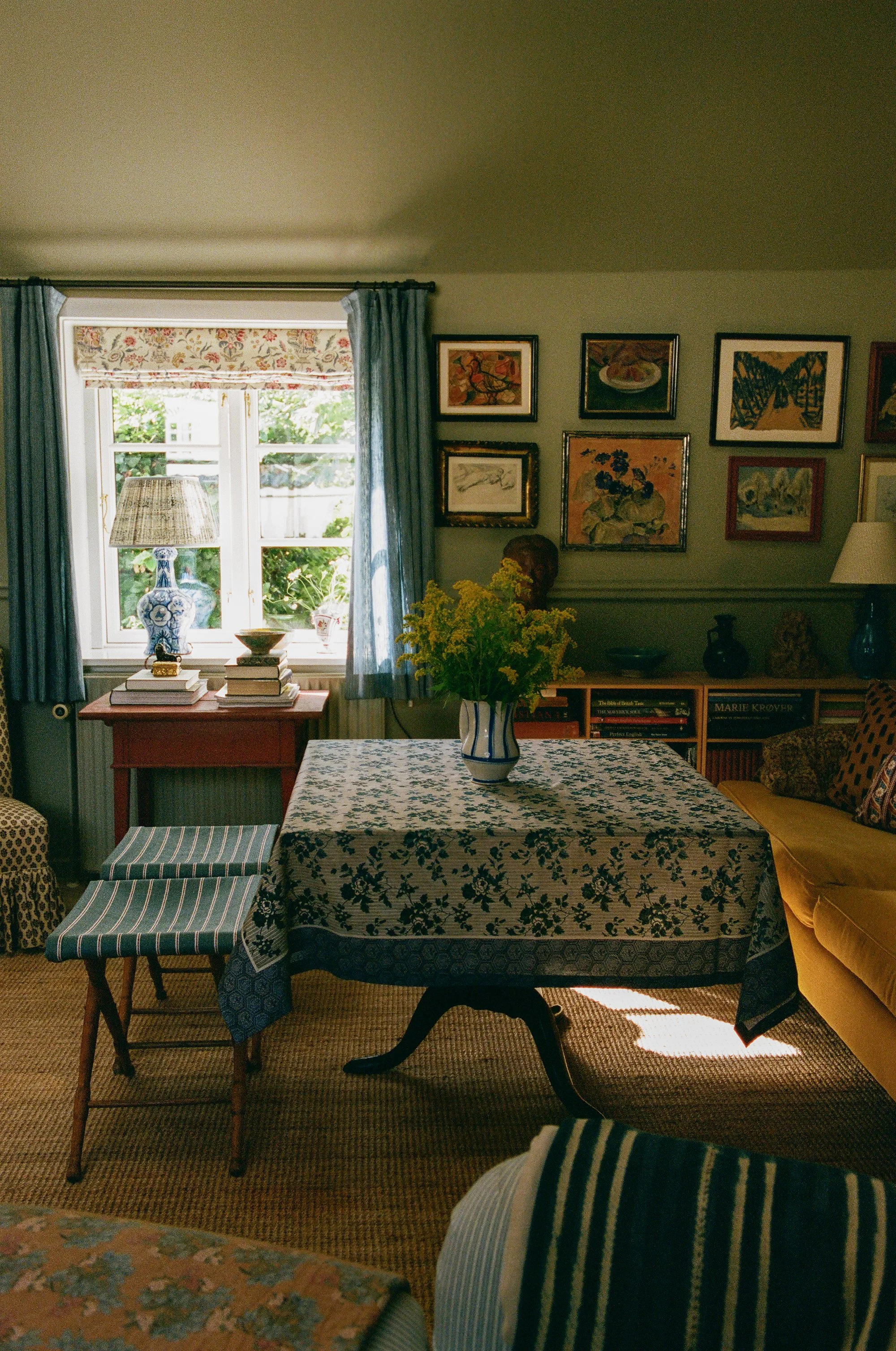
The next step is the home collection, consisting of cushions, tablecloths, napkins and aprons. It has all been quite an organic development. We’ve always had a very specific idea of what we wanted Tapis Noir to become, and that idea was there even before the brand was launched. We’re just building it gradually.
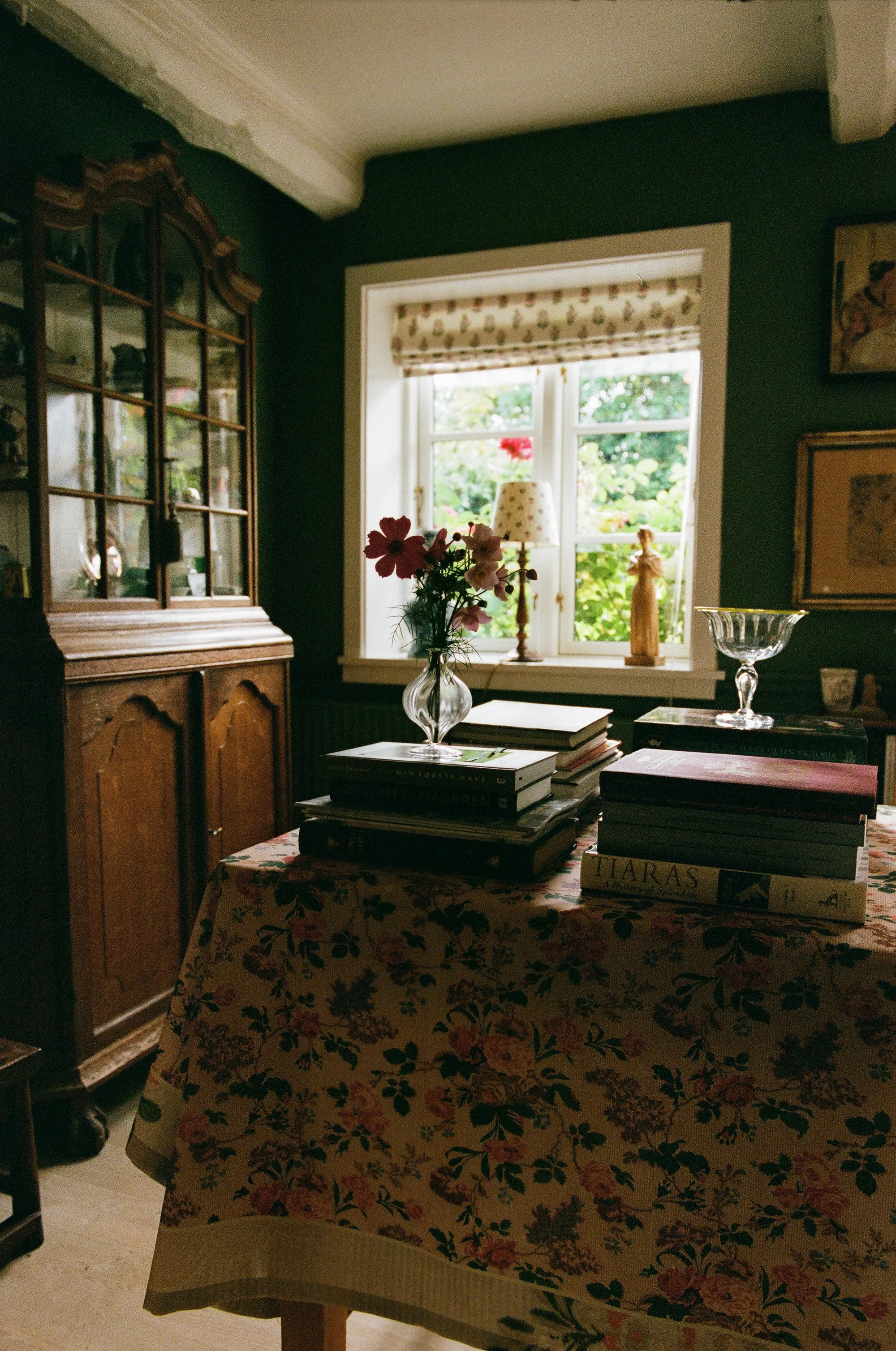
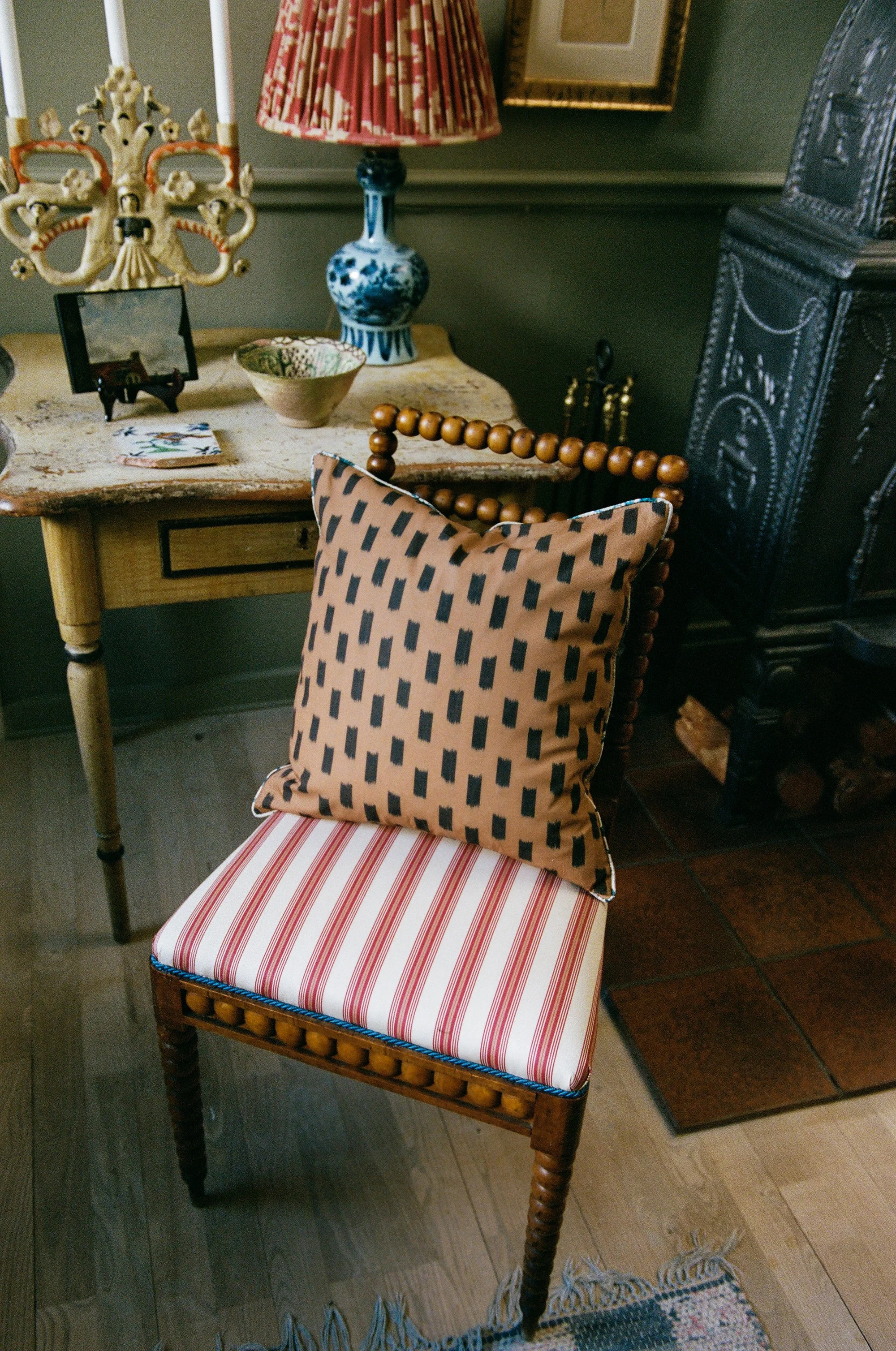
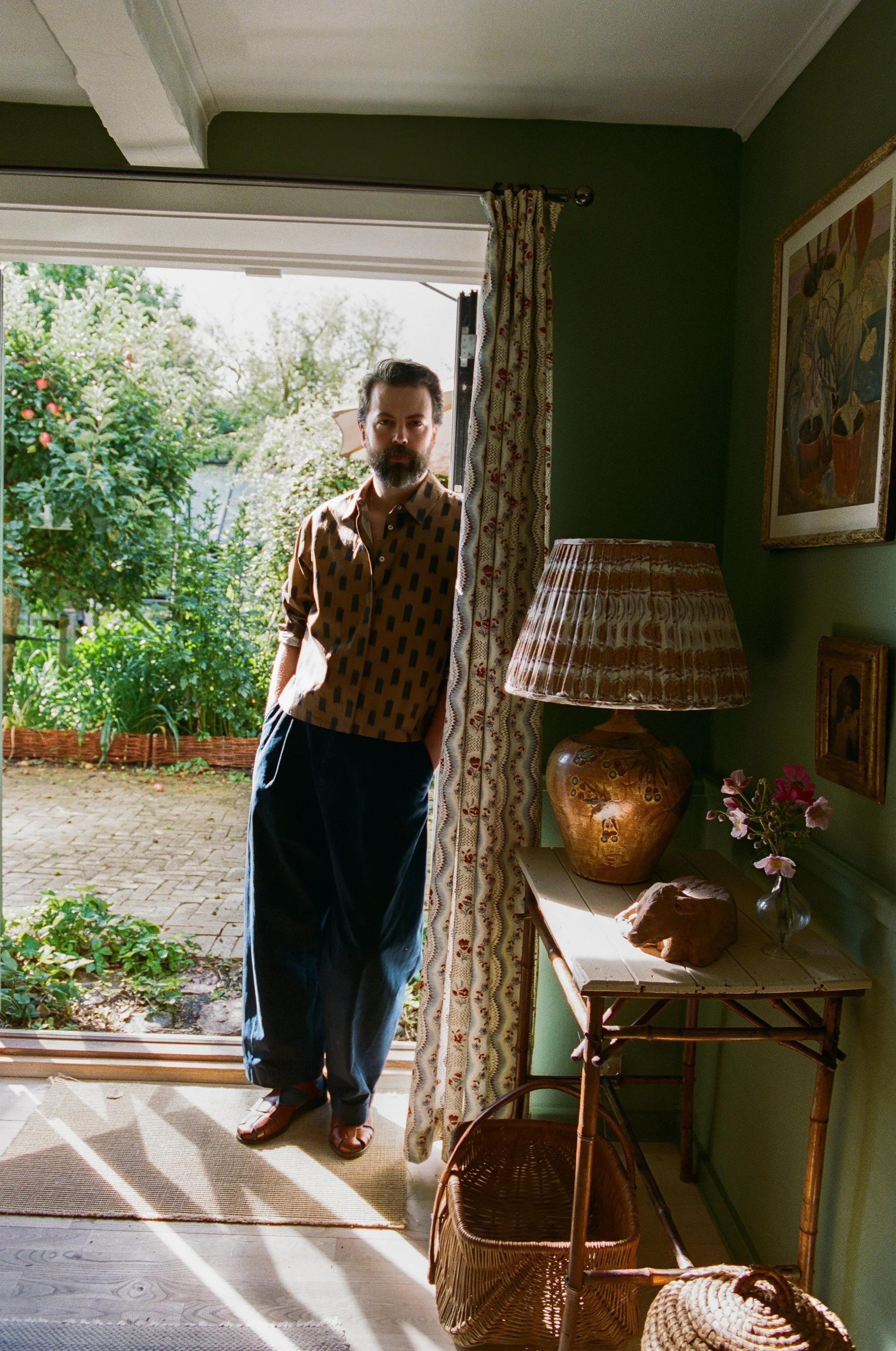
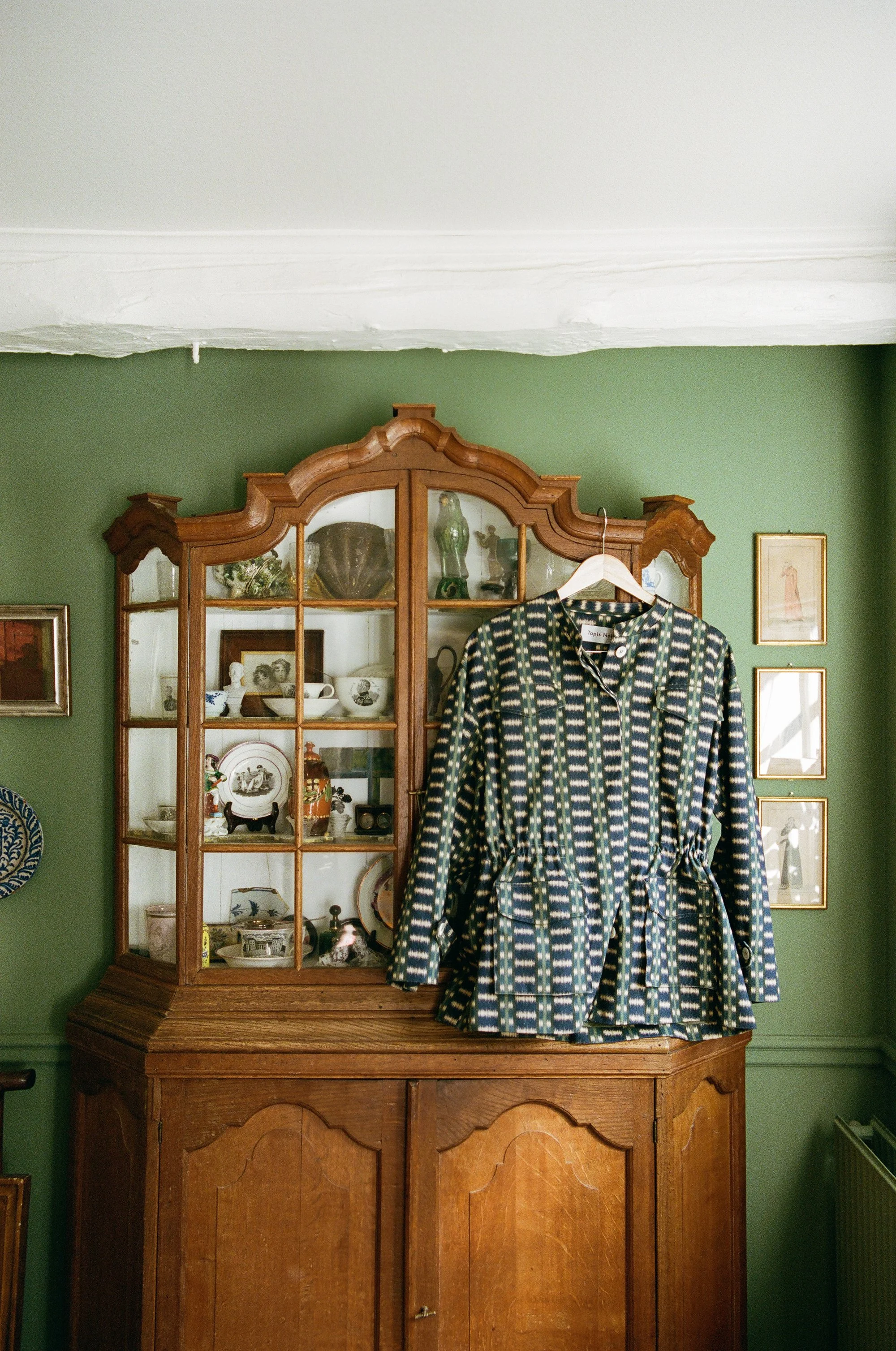
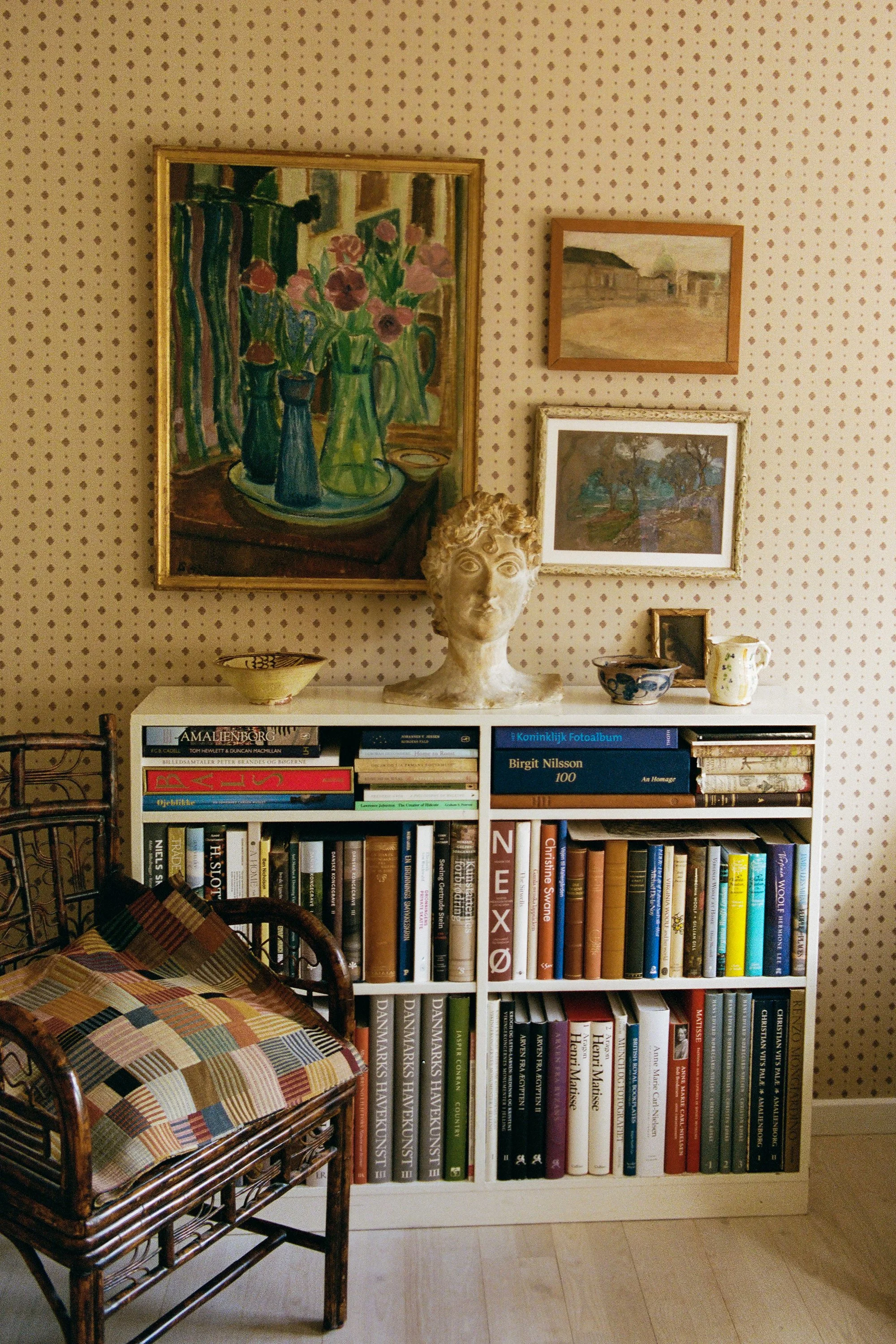
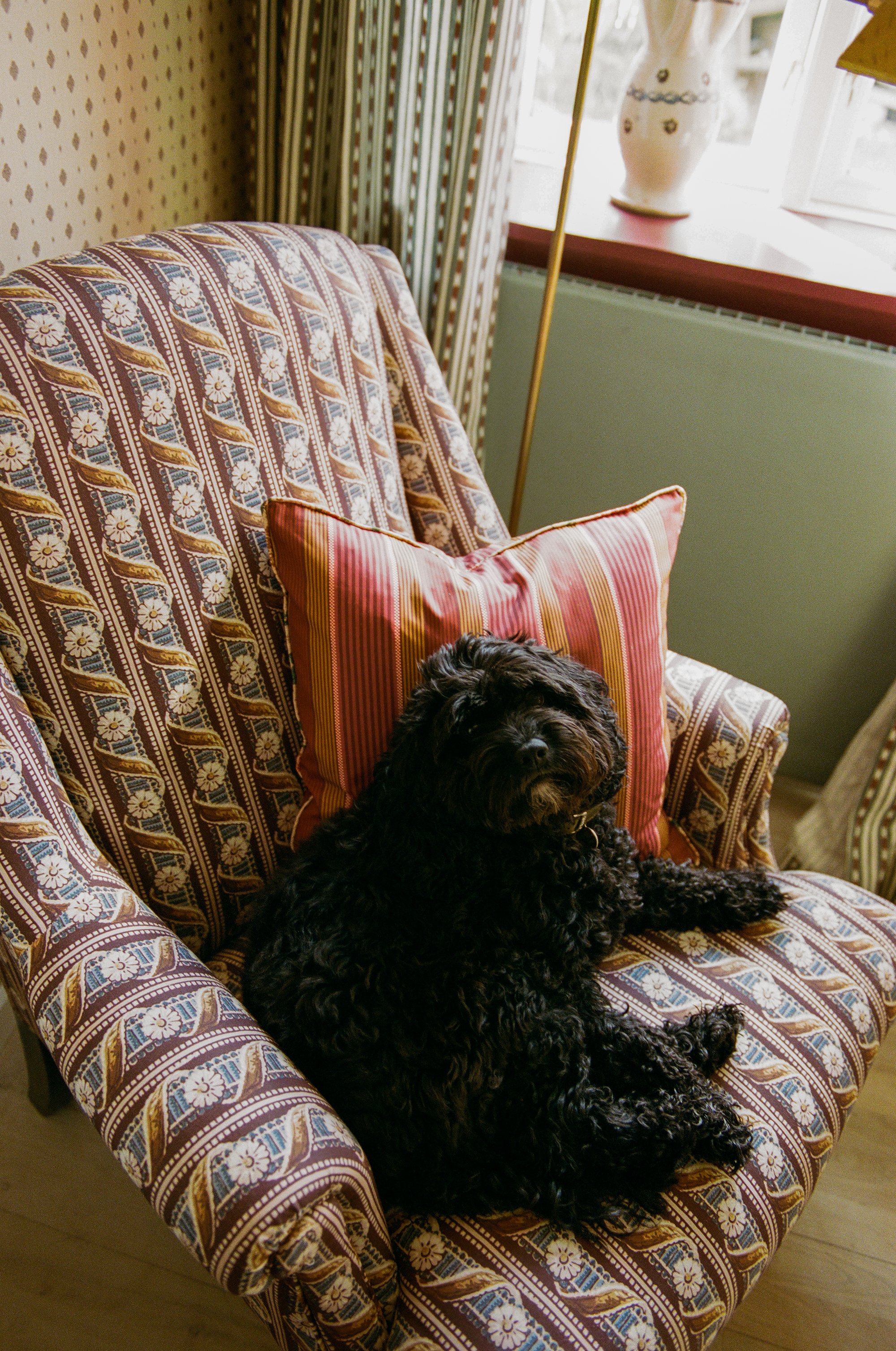
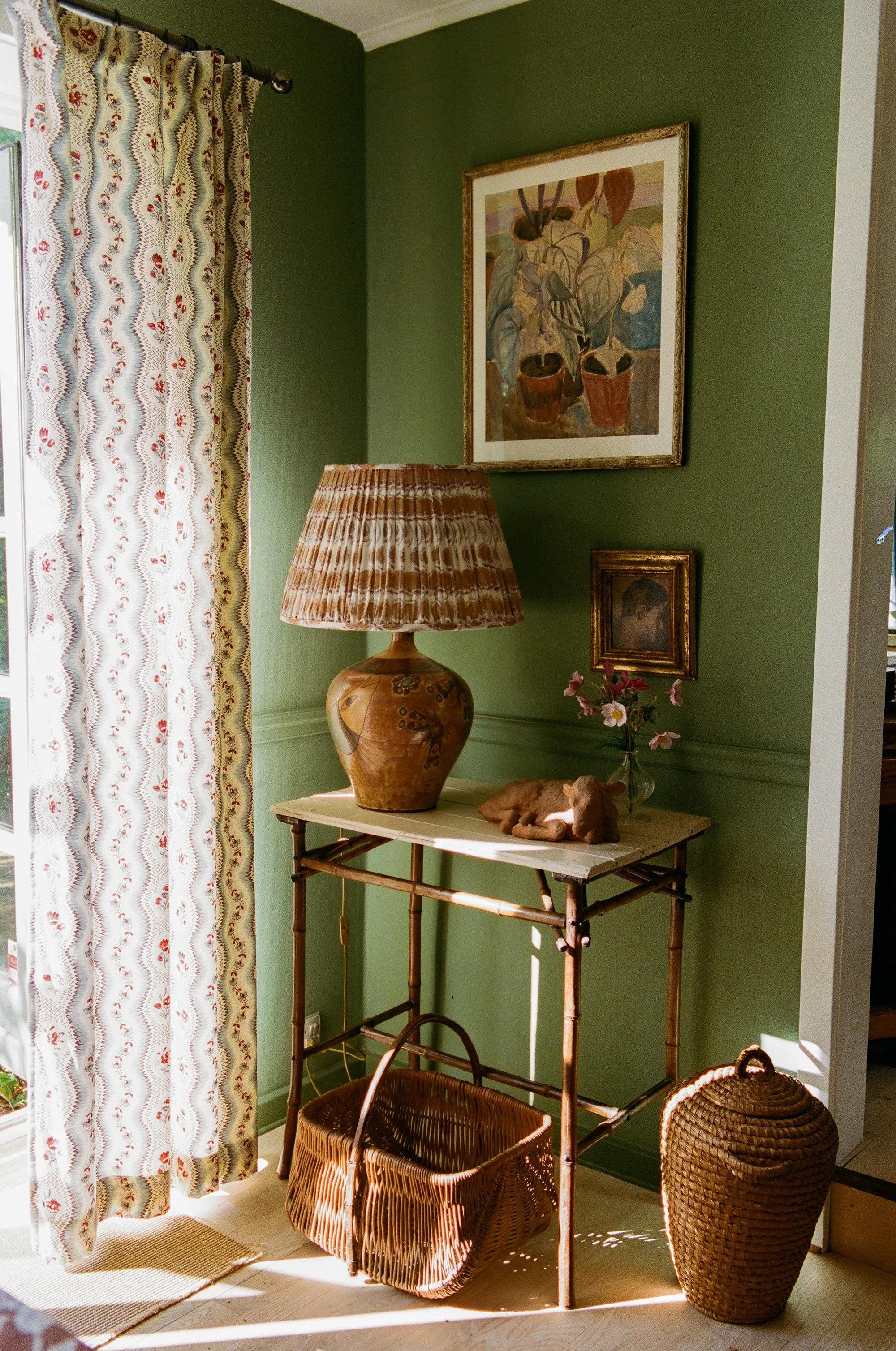
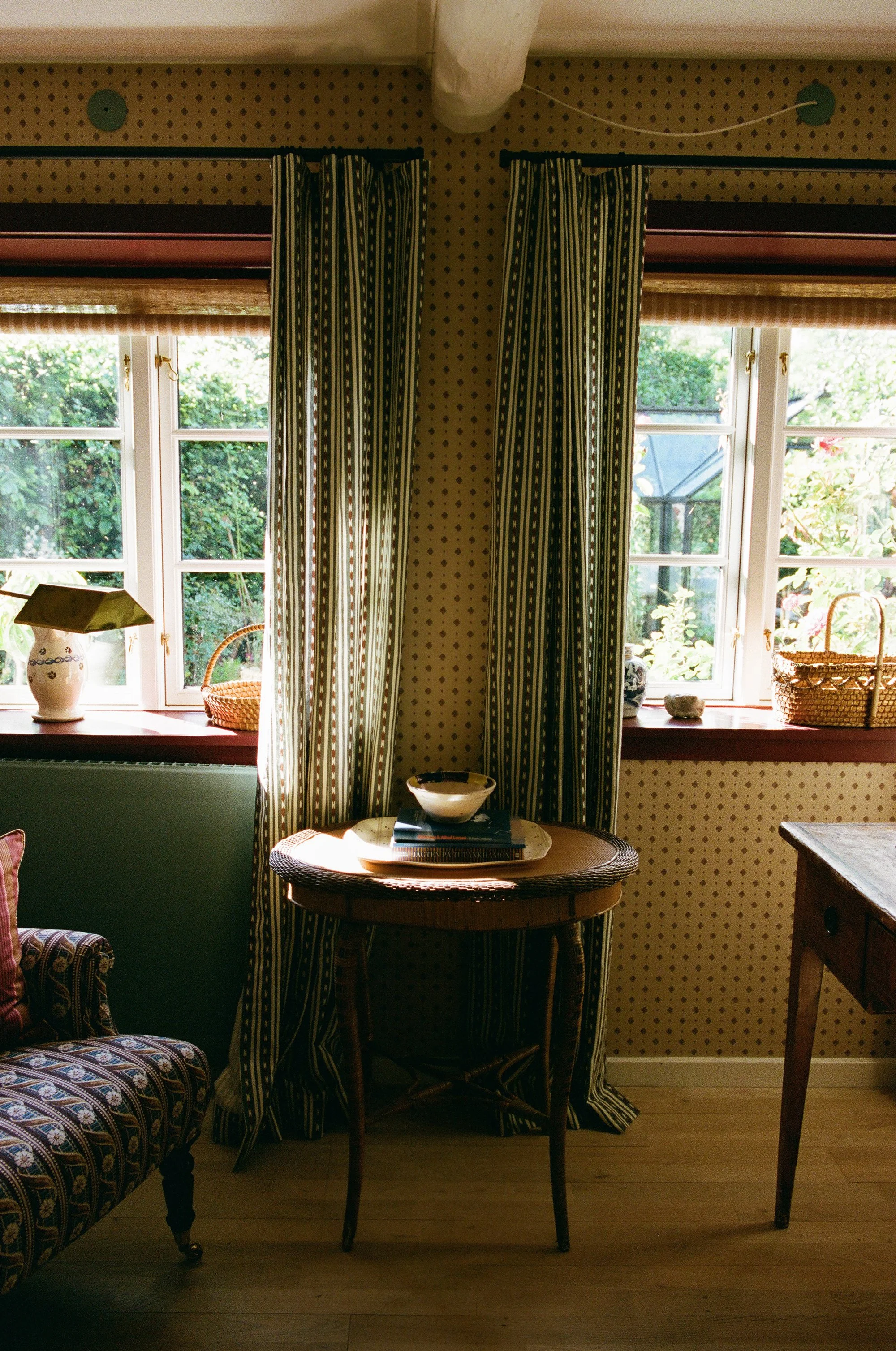
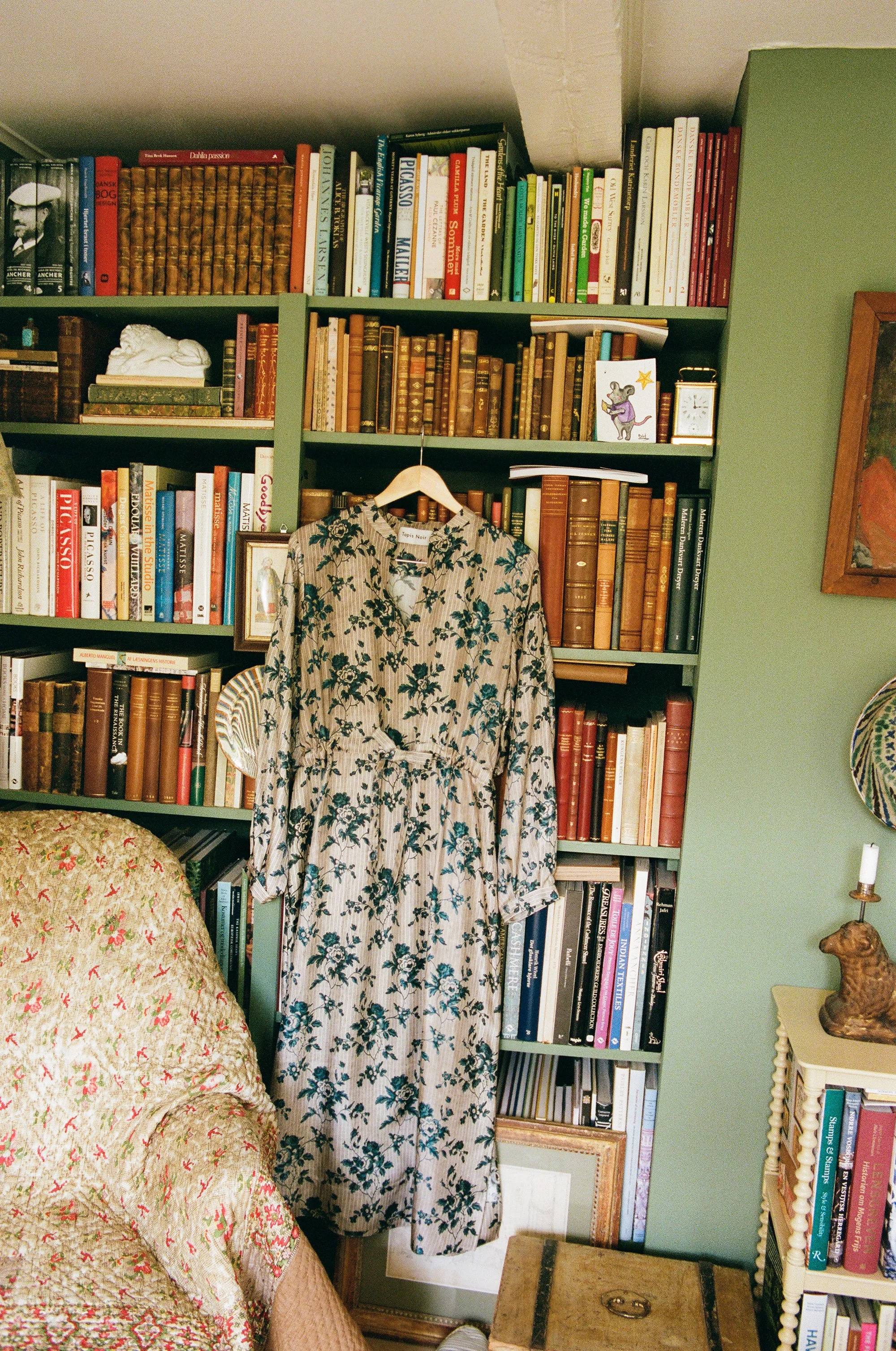
You are launching a homeware line and shot the campaign in your own space. How does your personal home reflect the overall universe of the brand?
My home is a huge part of the Tapis Noir universe. We’ve shot other campaigns here, and we also host a large PR event in the garden during the summer and another one inside the house around Christmas, where we invite friends of the brand.
When you know Tapis Noir and then see my home, I think you immediately understand the connection. It’s really the same aesthetic. So moving into homeware made complete sense to me.
A lot of our prints already feel like something you might find on an antique sofa, curtain or wall covering. In many ways, they feel more like interior prints that have been turned into garments rather than the other way around. I think that’s something that makes Tapis Noir quite different from many fashion brands.
Tapis Noir deliberately operates outside the fast-paced seasonal fashion system. What does true luxury and longevity mean to you in design today?
We do two collections a year, but our scarves don’t go on sale. I see the designs as timeless, so I don’t think there’s a reason for them to suddenly lose their relevance just because a new season has started.
We also deliberately bring designs back. In most collections, around 15% of the designs will be something our customers have seen before. It might be a print from an earlier collection that we use again on a different fabric or in a different format. I like that we don’t just discard a beautiful print simply because we’ve used it before.
My dream is that in 20 years I’ll see somebody on the street wearing a scarf we launched this year. I want people to keep and use these pieces, which is also why we focus so much on quality.
Of course, it’s lovely to see someone wearing something from the newest collection. But I actually get even happier when I see someone wearing a scarf from one of our older collections. To me, that means it has become part of their wardrobe rather than just something they bought for one season.
If you could travel to any point in time or space purely to discover new textiles, where would you go?
Can I choose two?
First, Paris in the 1740s and the French royal court. There were so many incredible floral fabrics, extreme techniques and extraordinary craftsmanship, and the designs were completely fearless. I actually have part of a dress that was worn at the court of Louis XV, and we’ve used the textile several times in our collections.
And then India in the 1830s. Gold fabrics, prints, incredible colours and embroidery. Completely over-the-top textiles. I would love to see those fabrics when they were new and being worn, rather than only seeing them in museums and collections today.