
Nature Healing
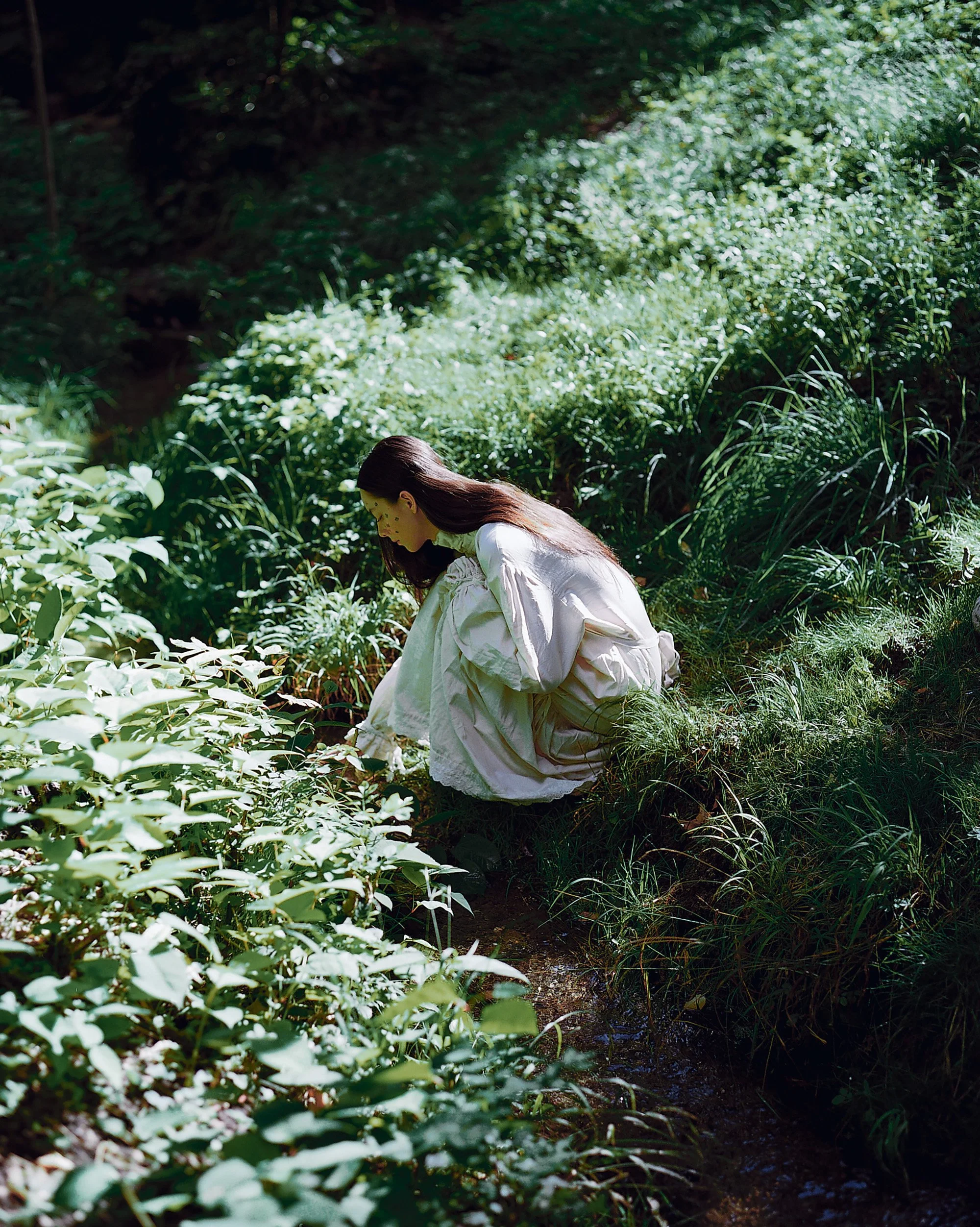
A story of healing, recovery, transformation, and renewal unfolds within the peaceful hospital garden. An unnamed brook rises in a hollow and quietly winds its way through the landscape, becoming an unintended symbol of purity, healing, and continuous change.
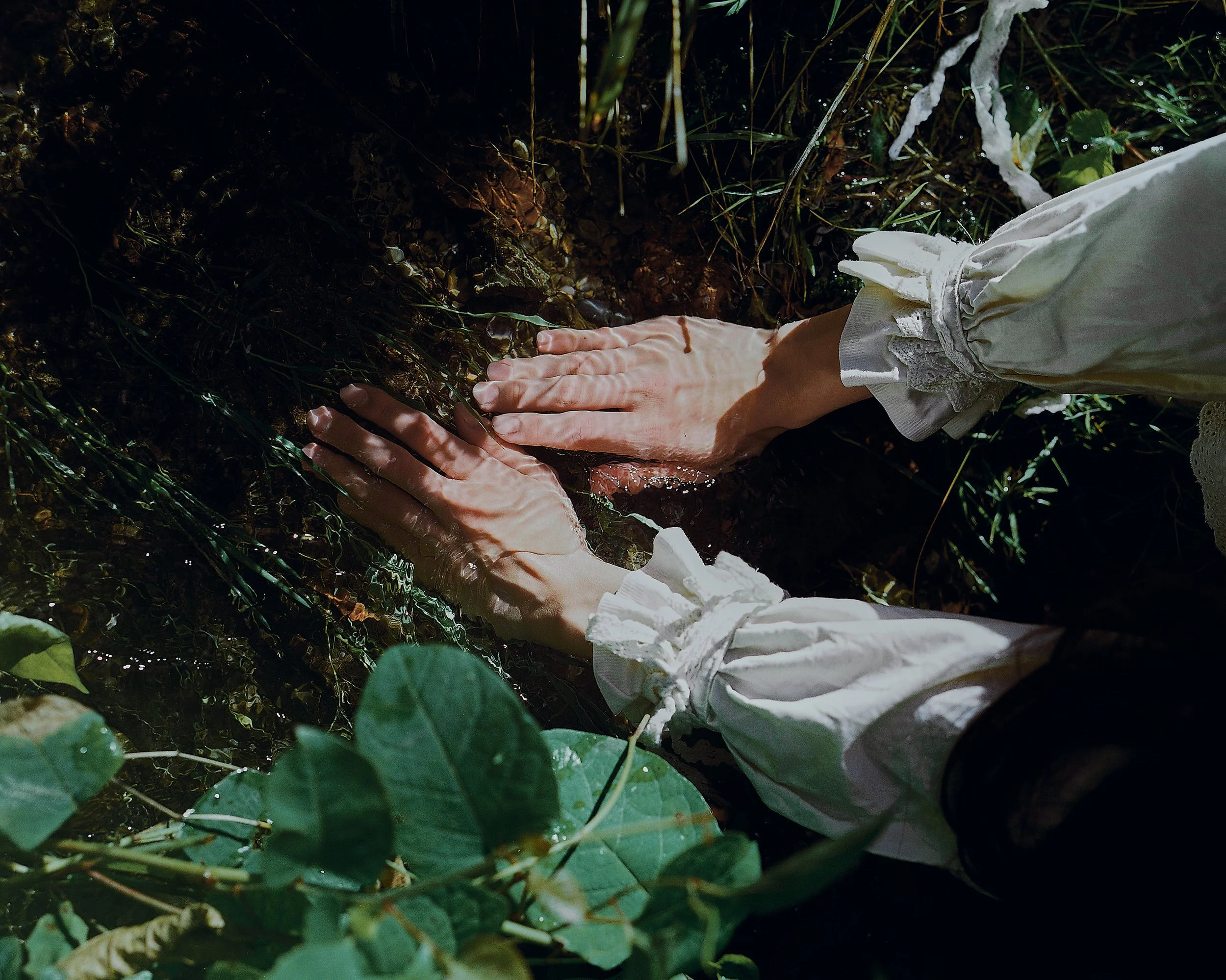
Dress ALEXANDER BEL
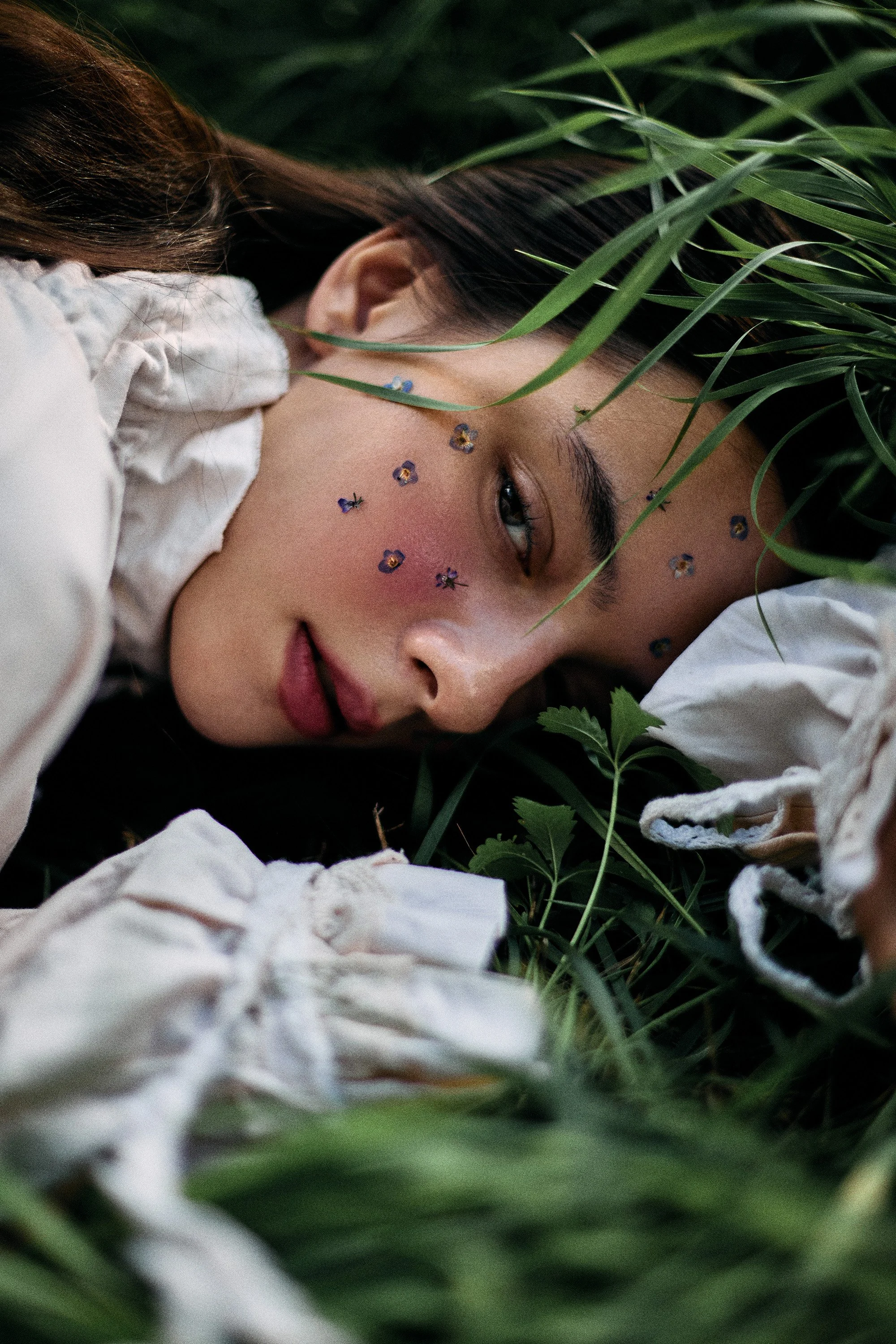
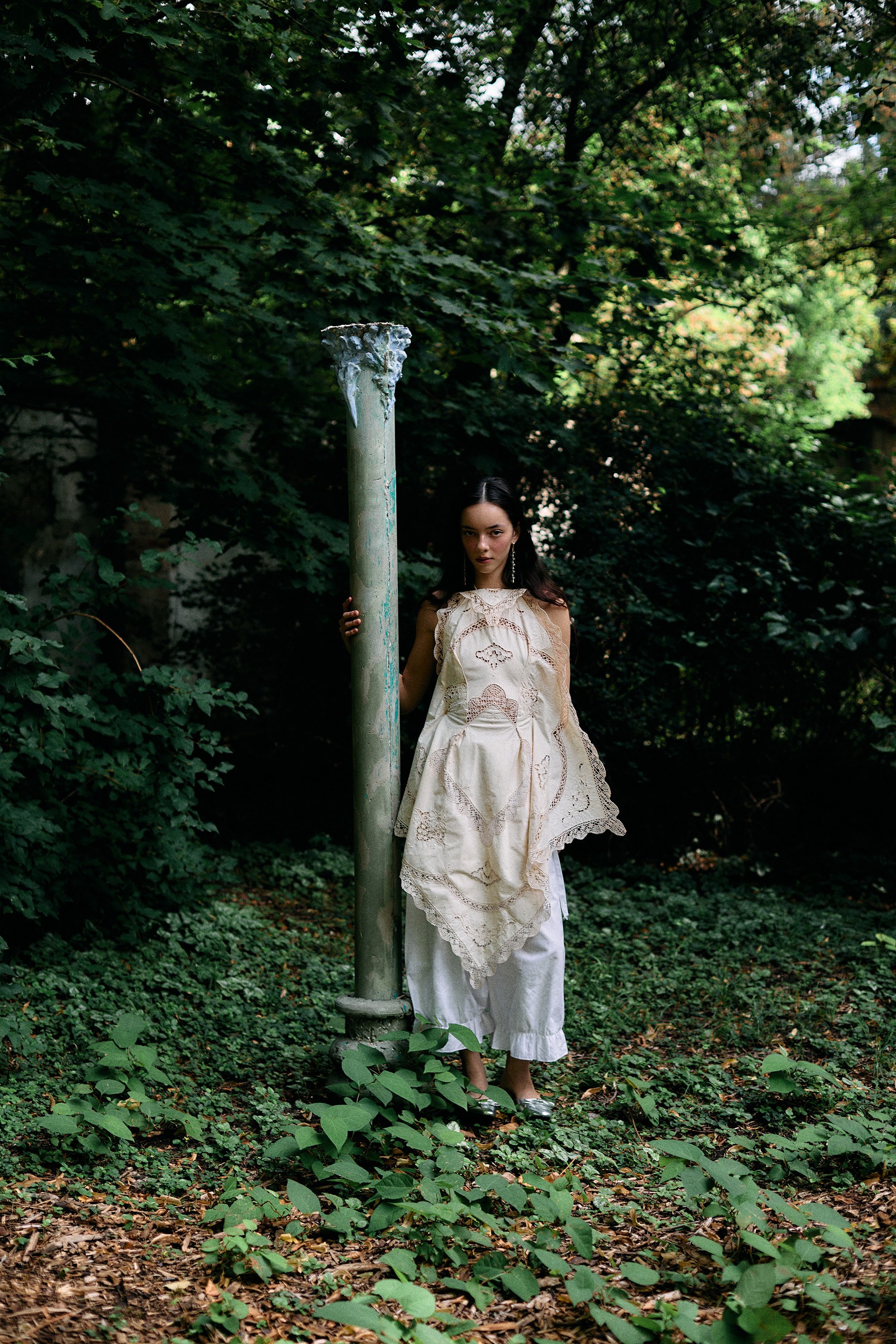
Dress ALEXANDER BEL
Top NIKOLA NOVOTNA, pants NIKOLSA, jewellery FLORE & ROAME
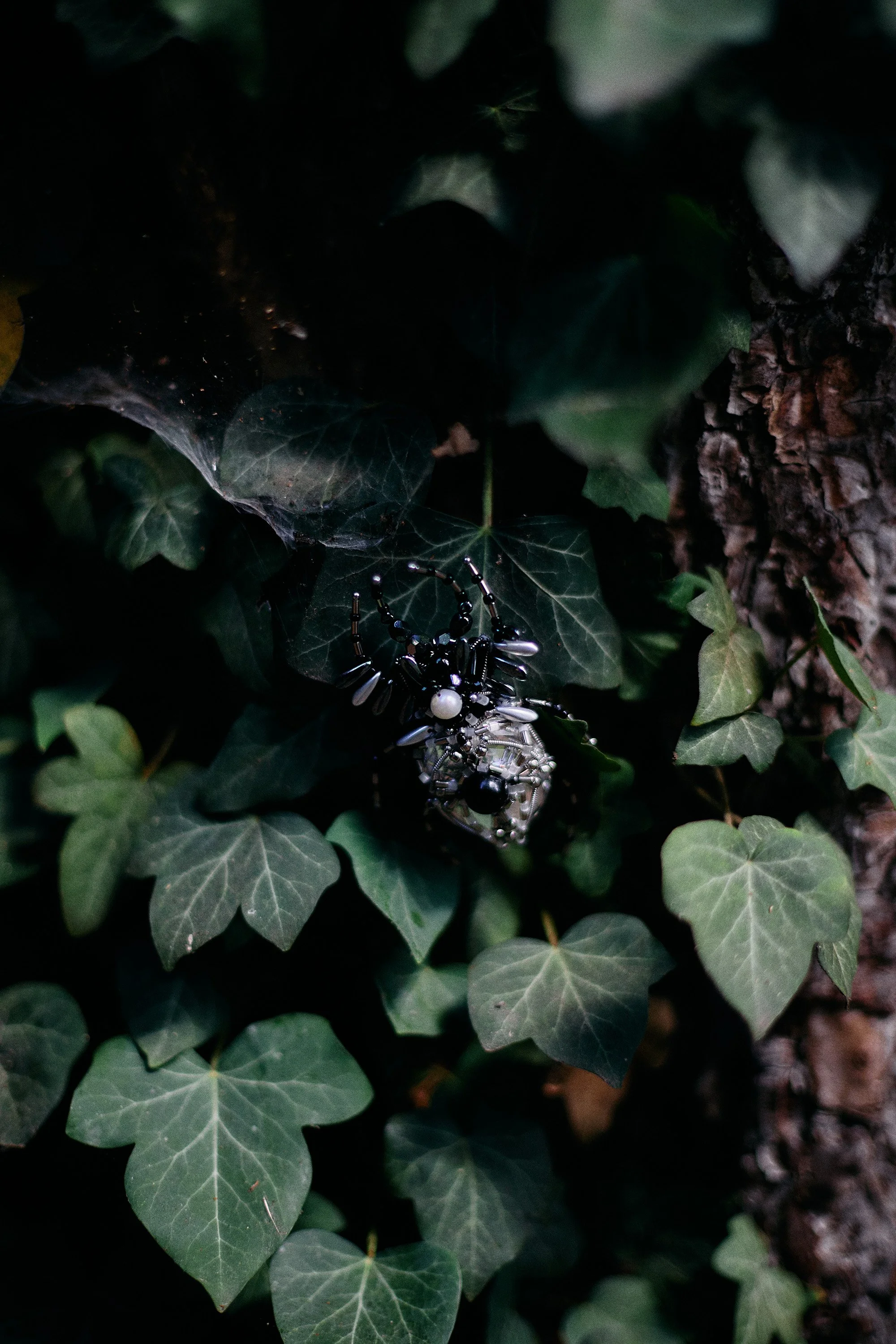
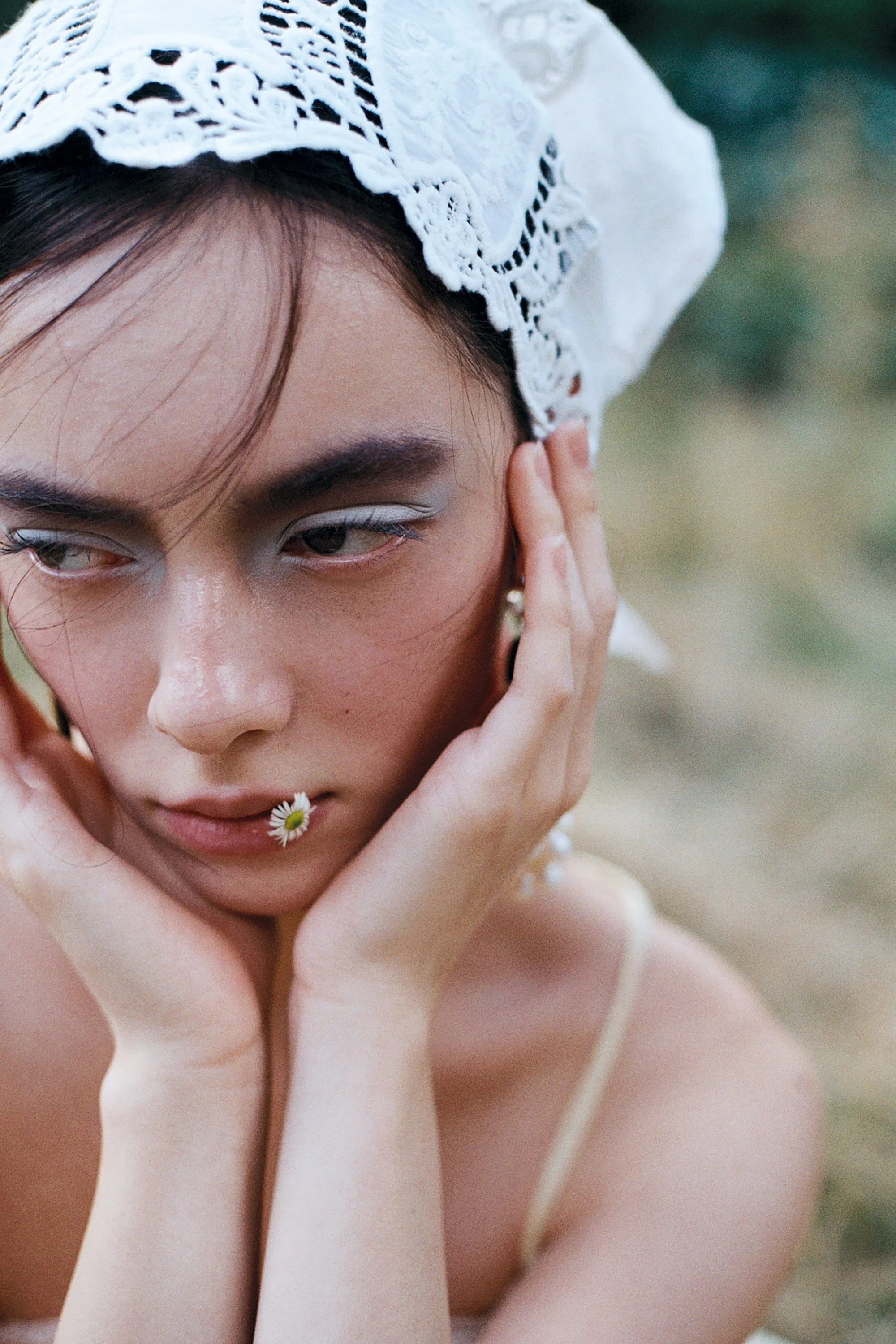
Brooch STITCH BY DAYANA
Headscarf VINTAGE, dress MARKETA HAJKOVA, earrings FLORE & ROAME
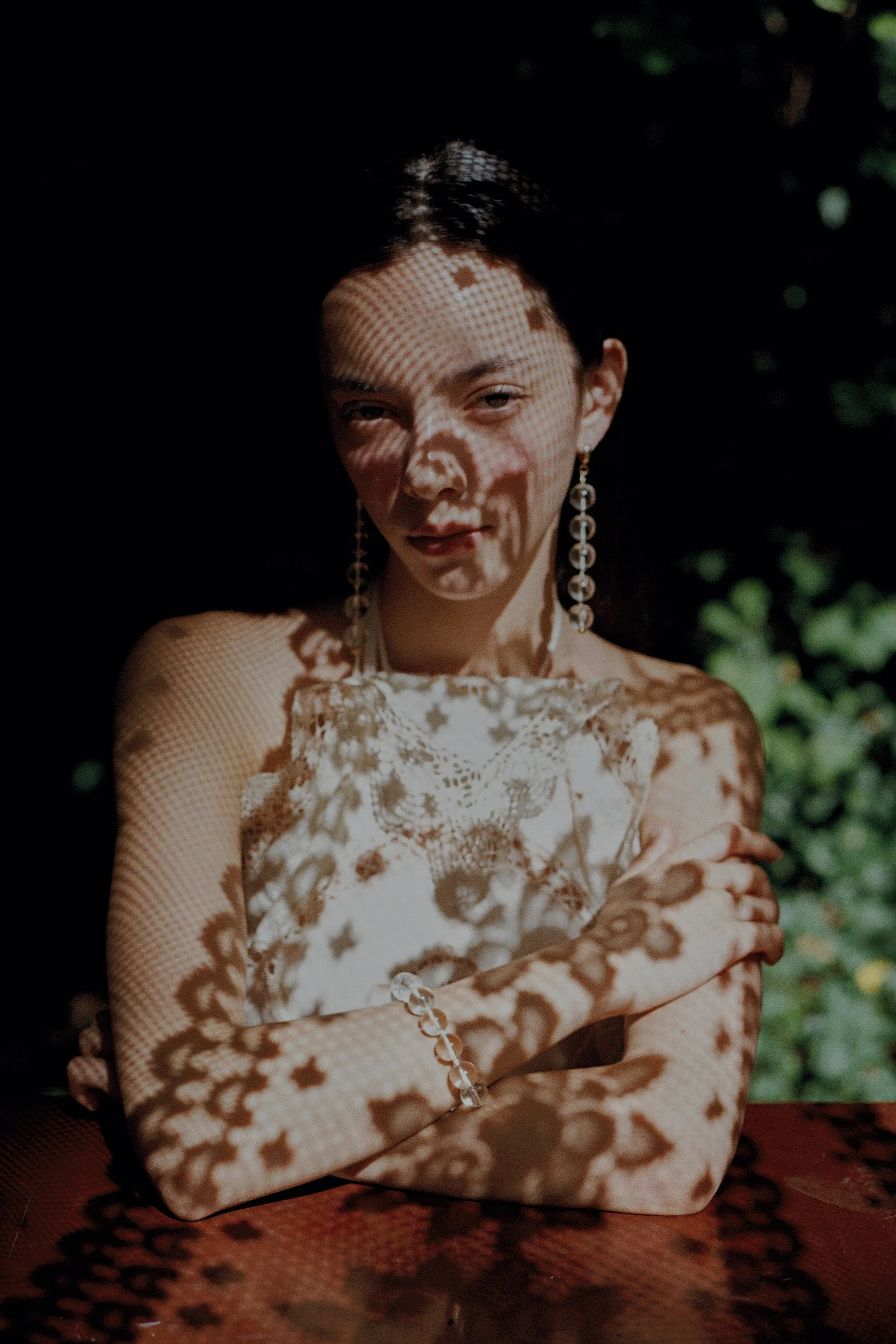
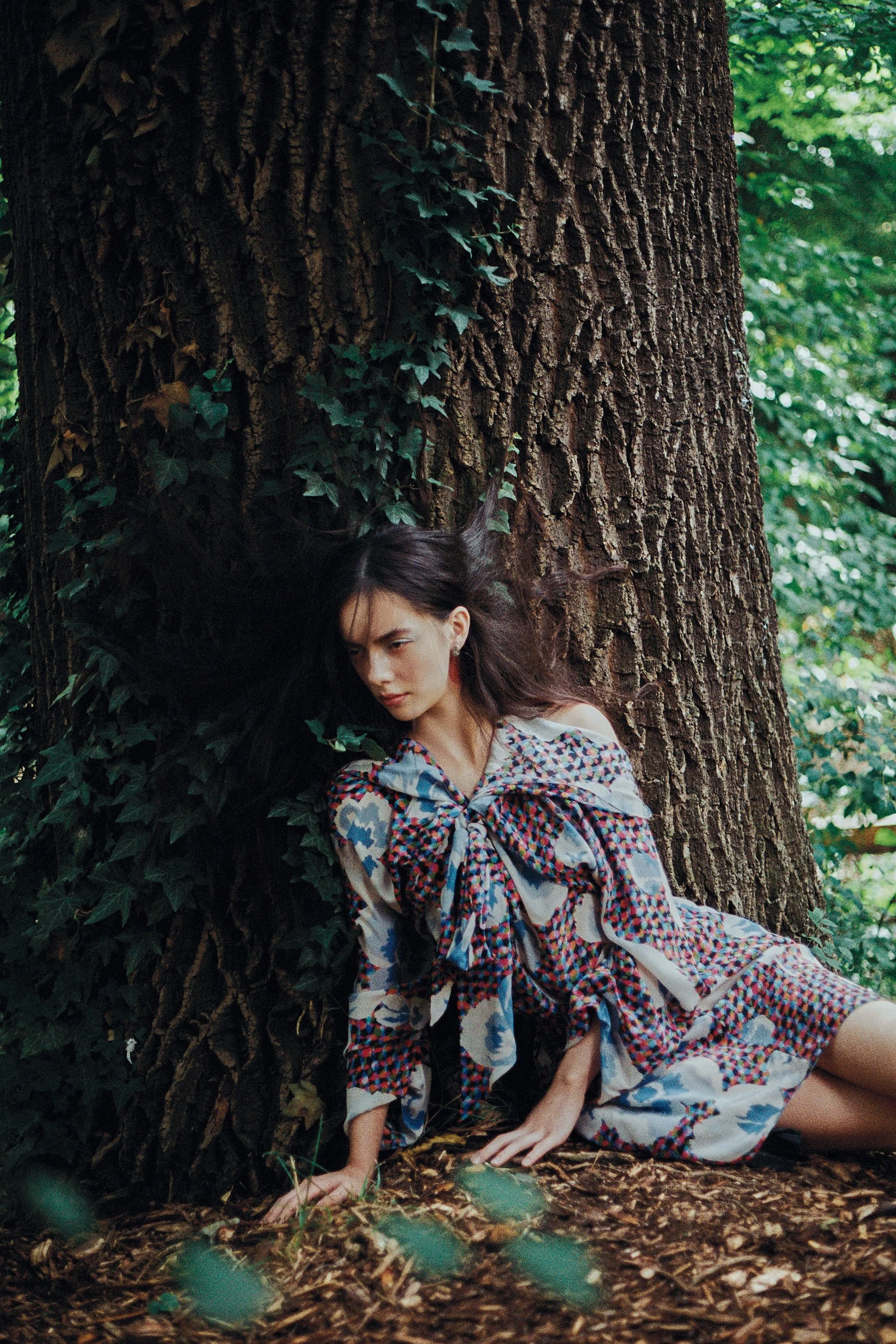
Top NIKOLA NOVOTNA, jewellery FLORE & ROAME
Dress ZUZANA KUBICKOVA, earrings NASTASSIA ALEINIKAVA
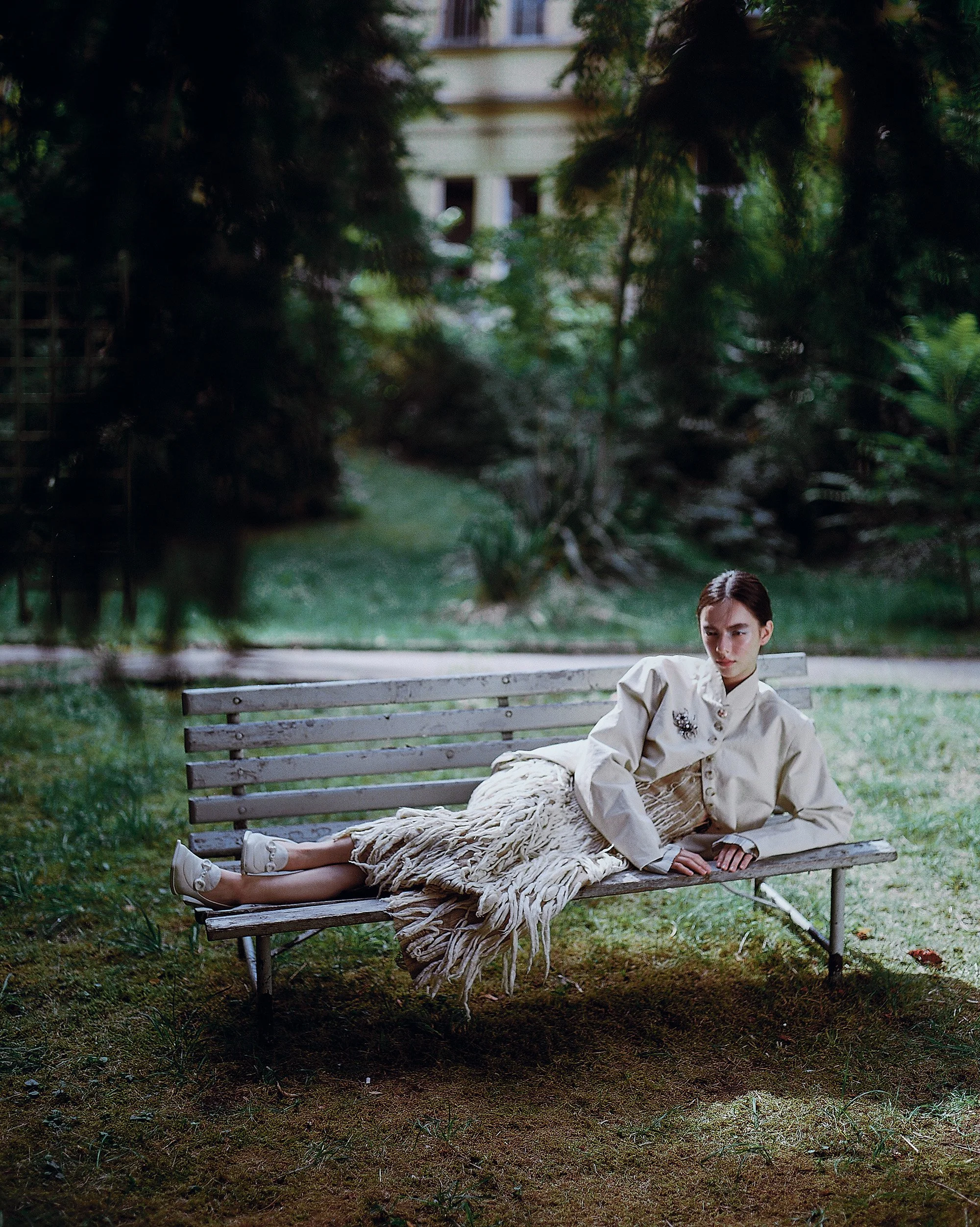
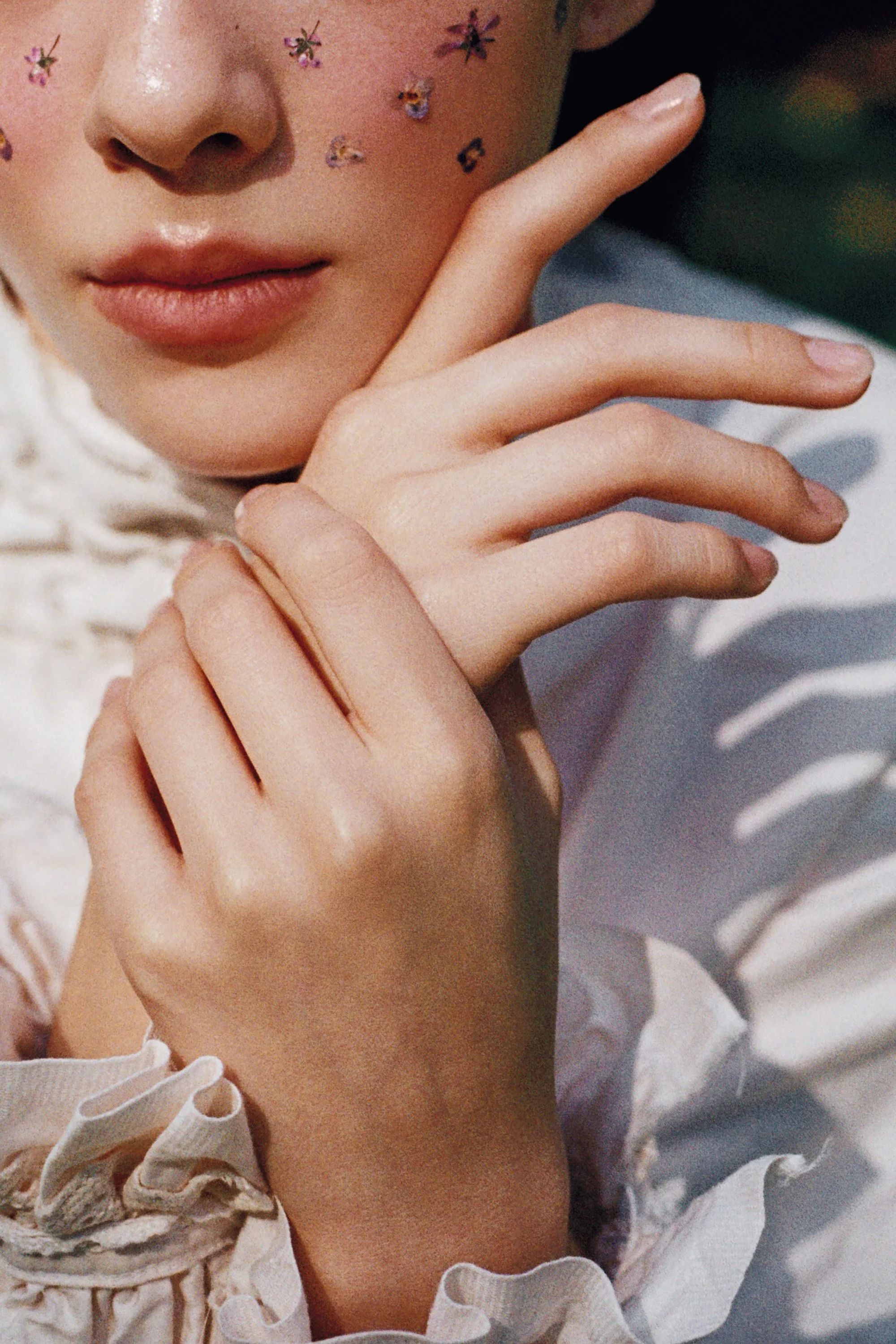
Dress KLARA DREVENAK, jacket ALEXANDER BEL, shoes CAMPER, brooch STITCH BY DAYANA
Dress ALEXANDER BEL
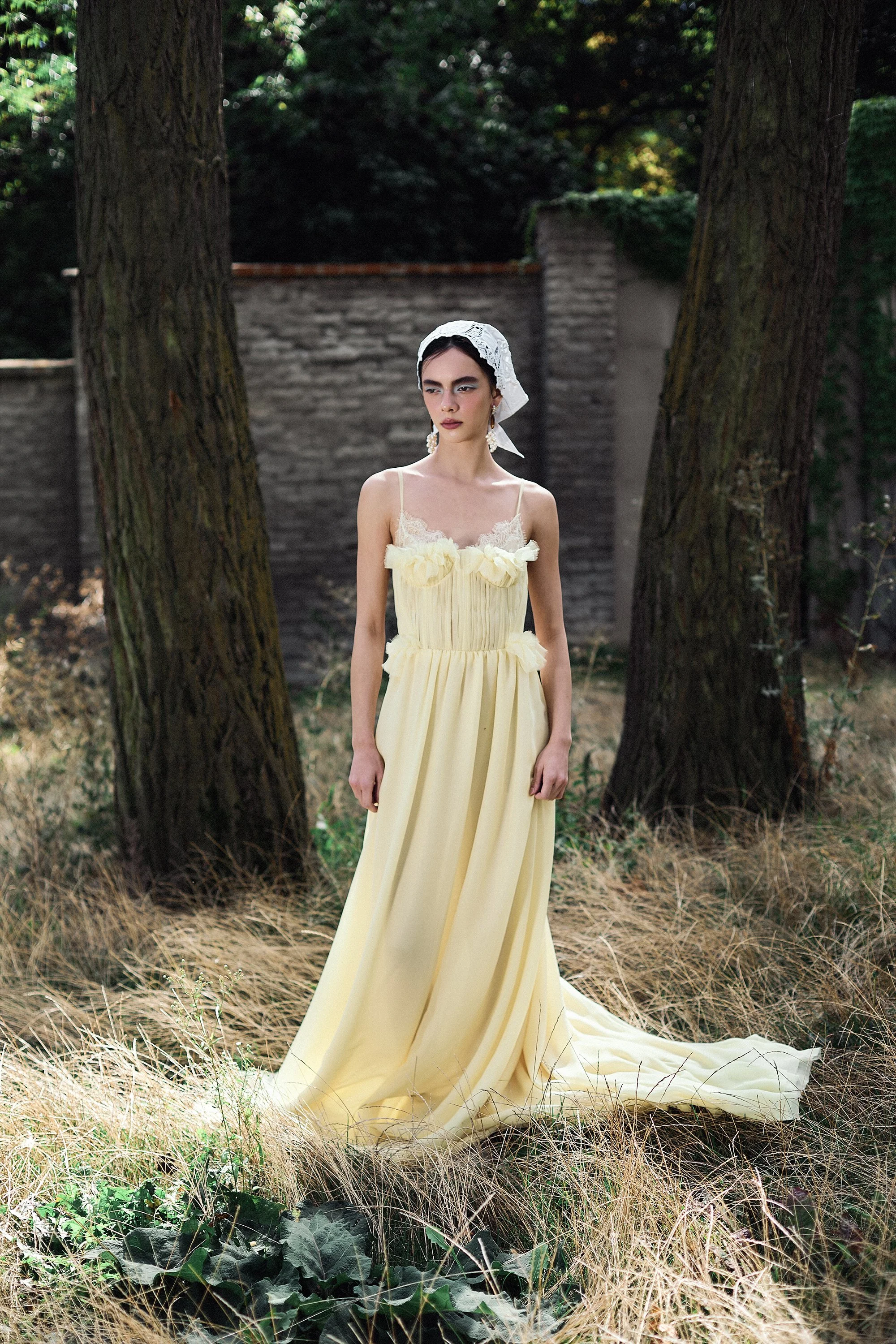
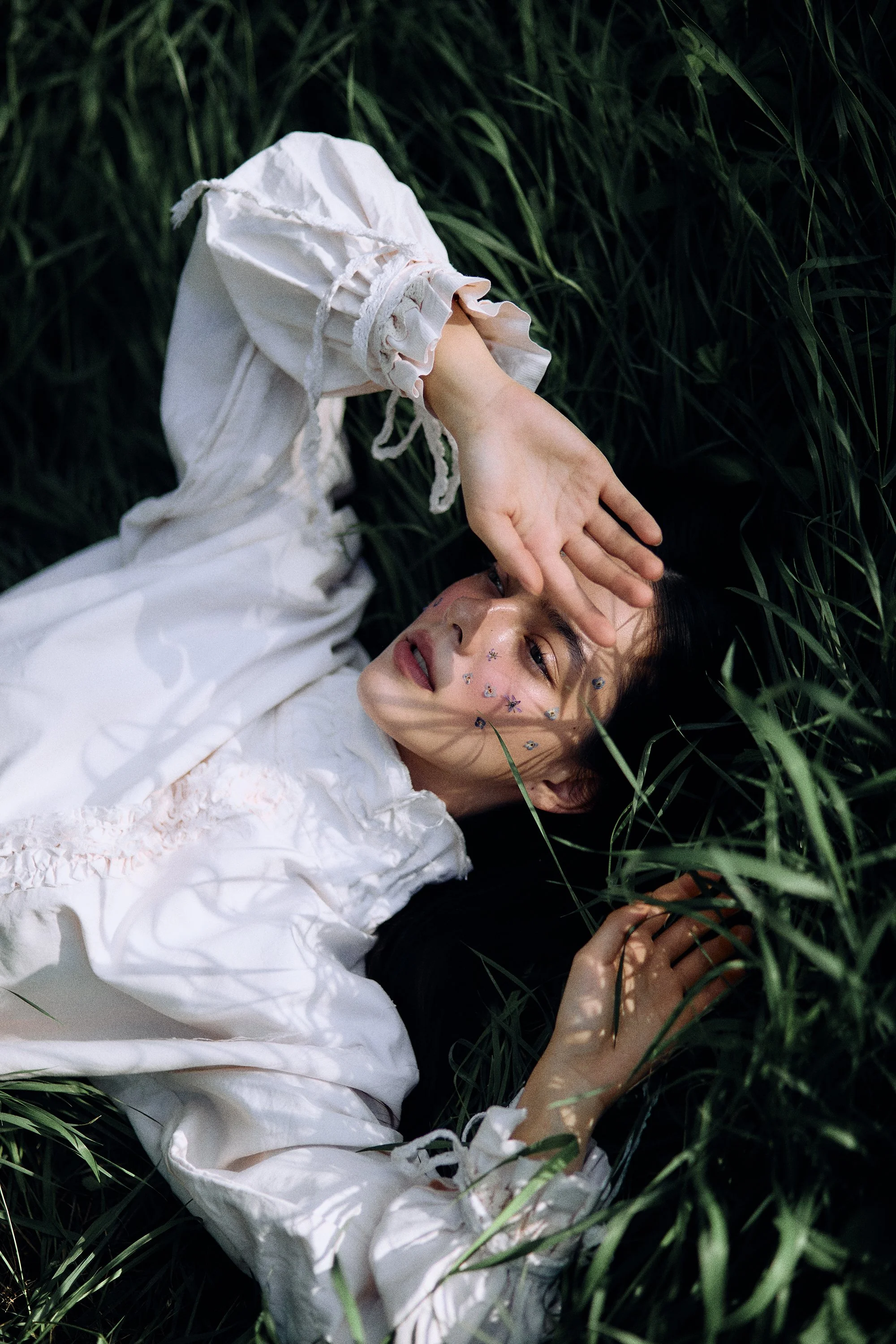
Dress MARKETA HAJKOVA, headscarf VINTAGE, earrings FLORE & ROAME
Dress ALEXANDER BEL
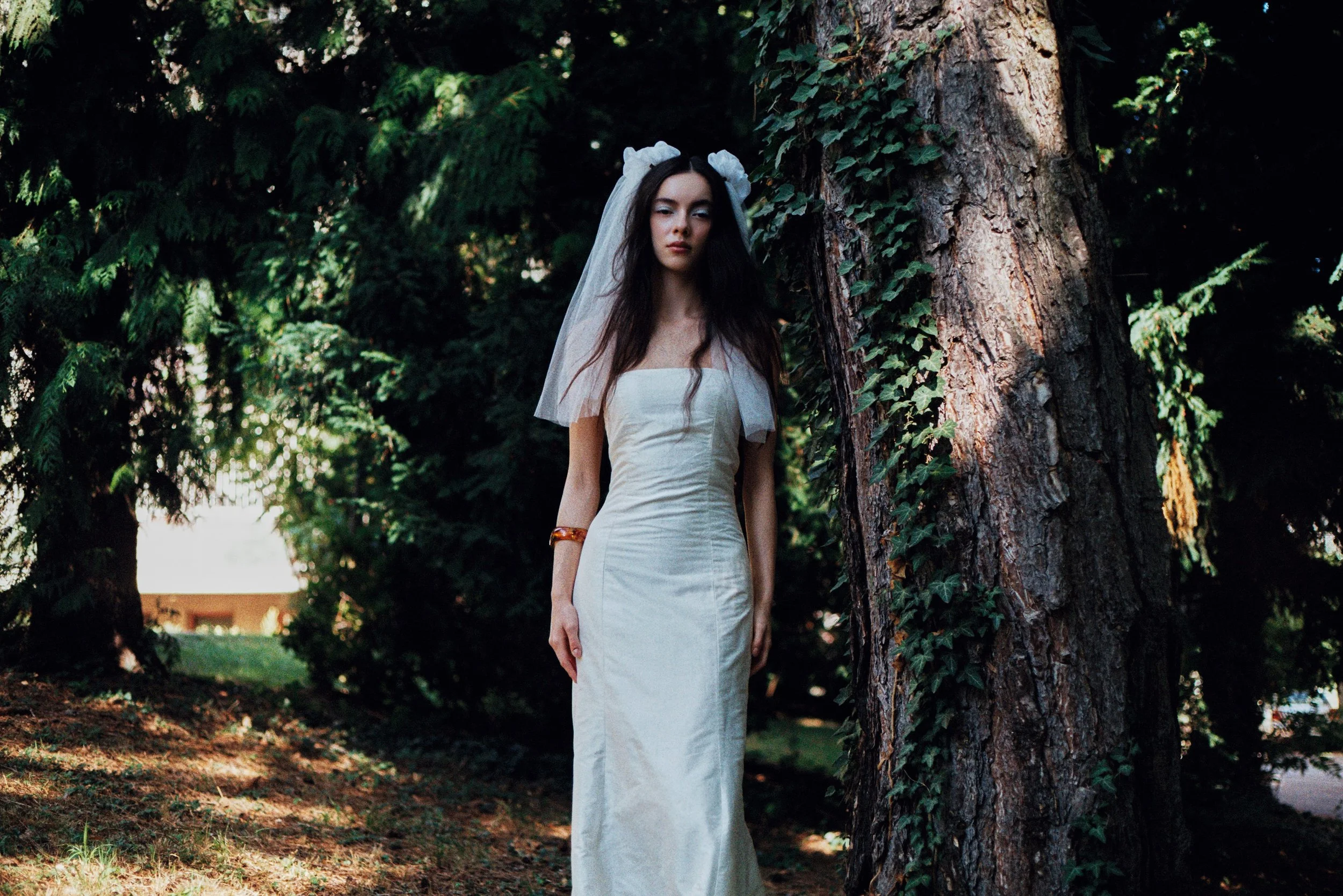
Dress and headpiece MERCI KATE, bracelet FLORE & ROAME
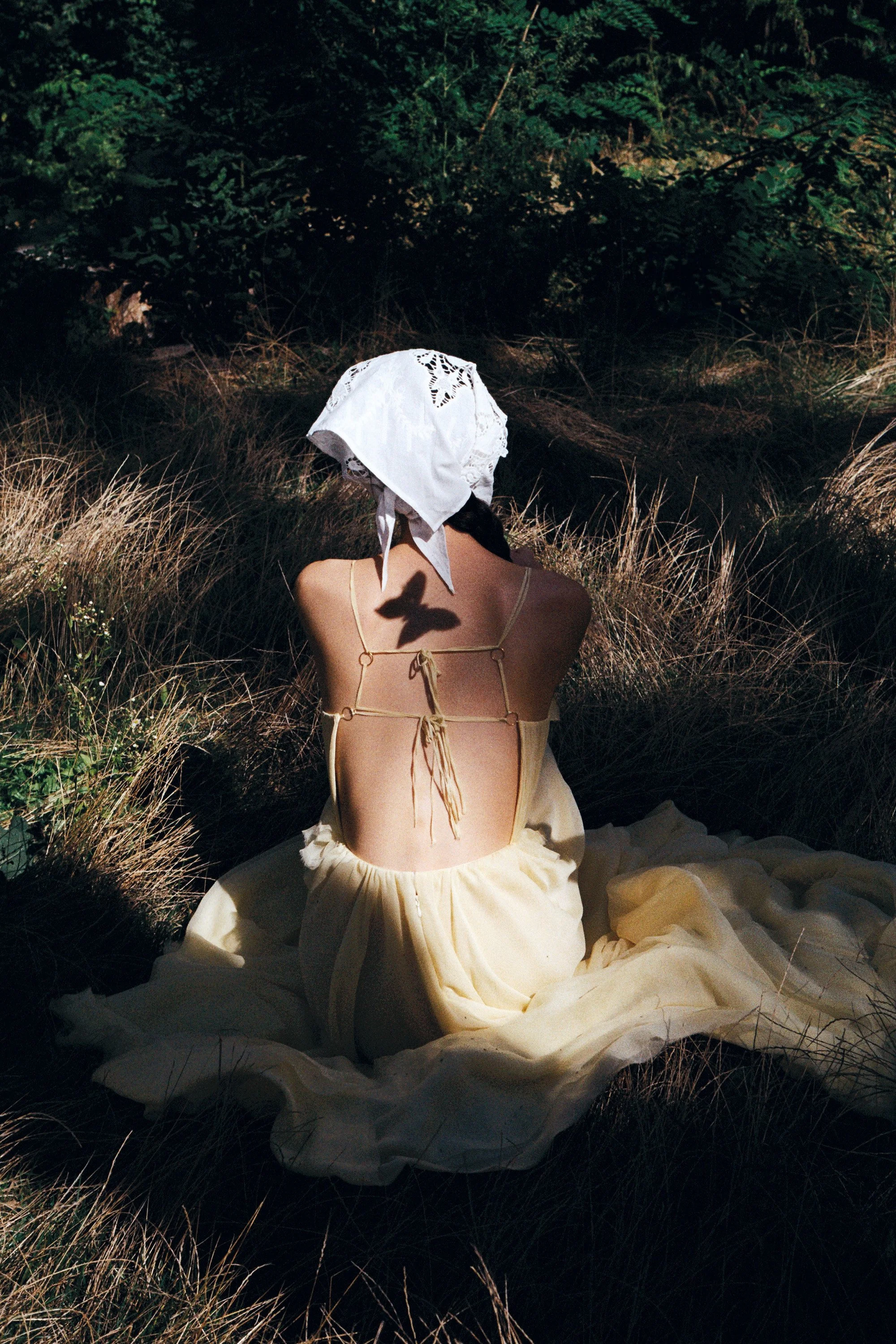
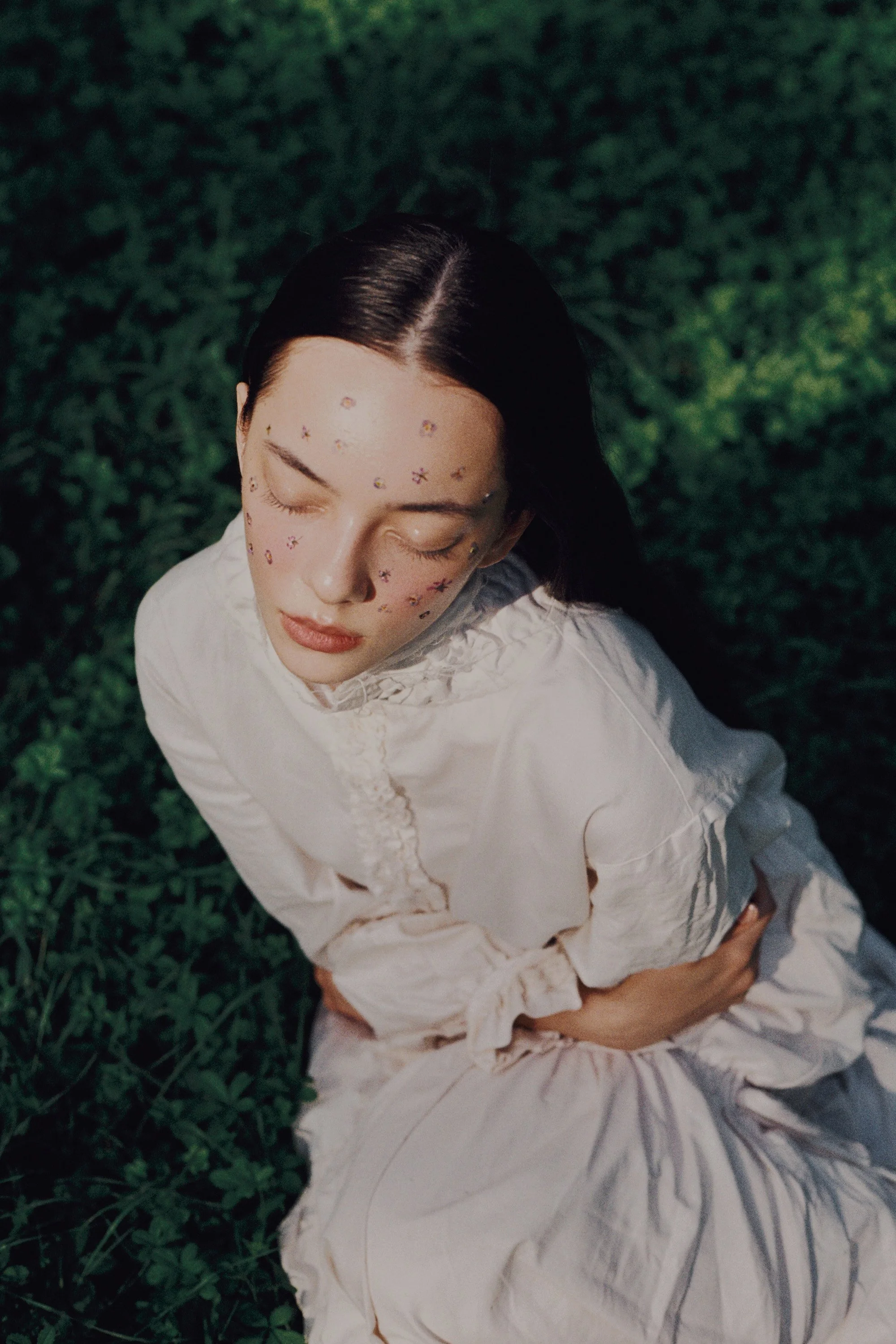
Dress MARKETA HAJKOVA, headscarf VINTAGE
Dress ALEXANDER BEL
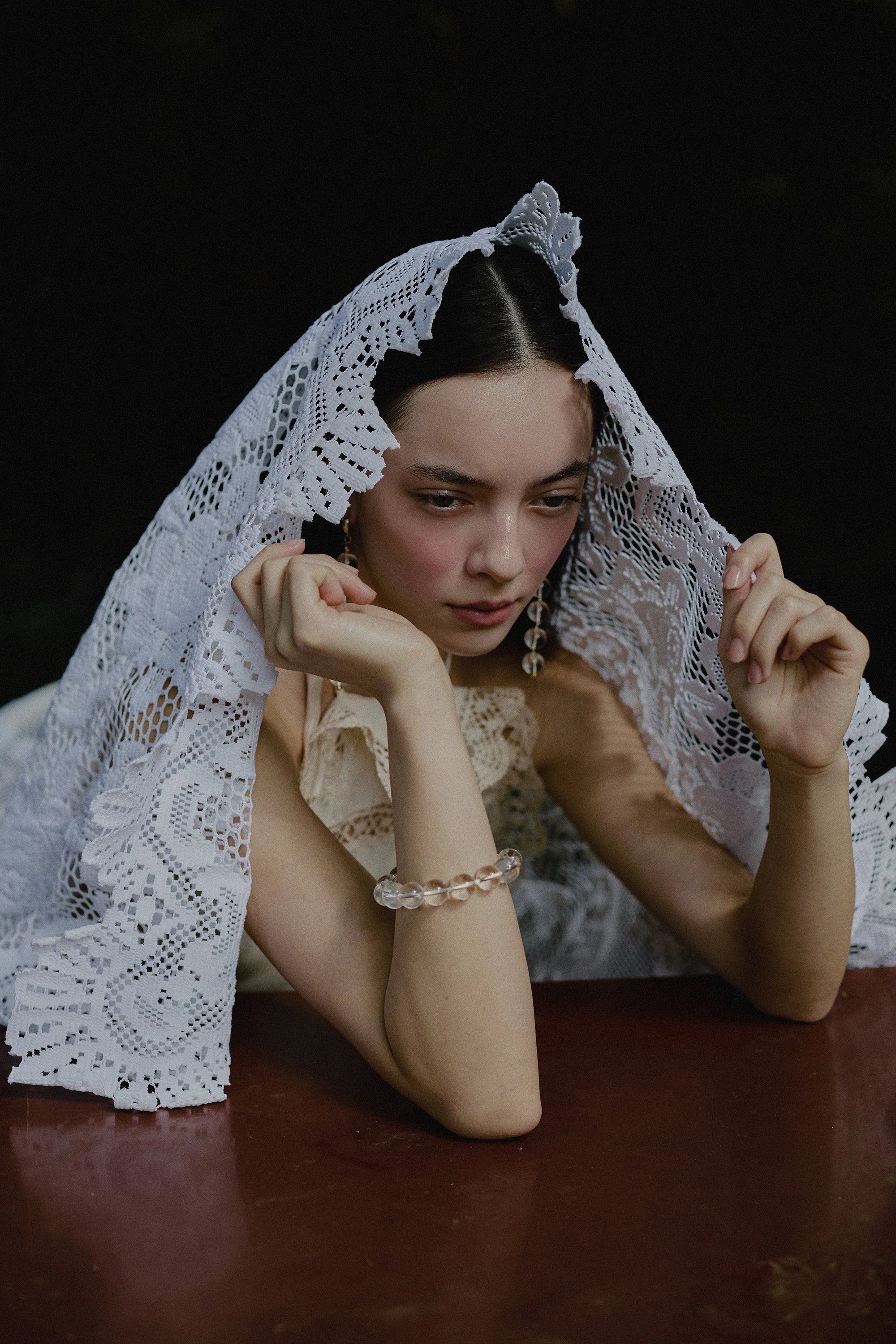
Top NIKOLA NOVOTNA, jewellery FLORE & ROAME
Dress ALEXANDER BEL
Photography - Julia Astok @julia.astok
Creative direction and styling - Magda Zurkova @magzurk
Hair & make-up - Tomas Vida @tomasvida.makeup
Stylist’s assistant - Nikola Slovikova @_nikolsaa
Model – Tina, Exit Model Management @exitmodelmanagement
Location - Tusculum Prague @tusculum_prague
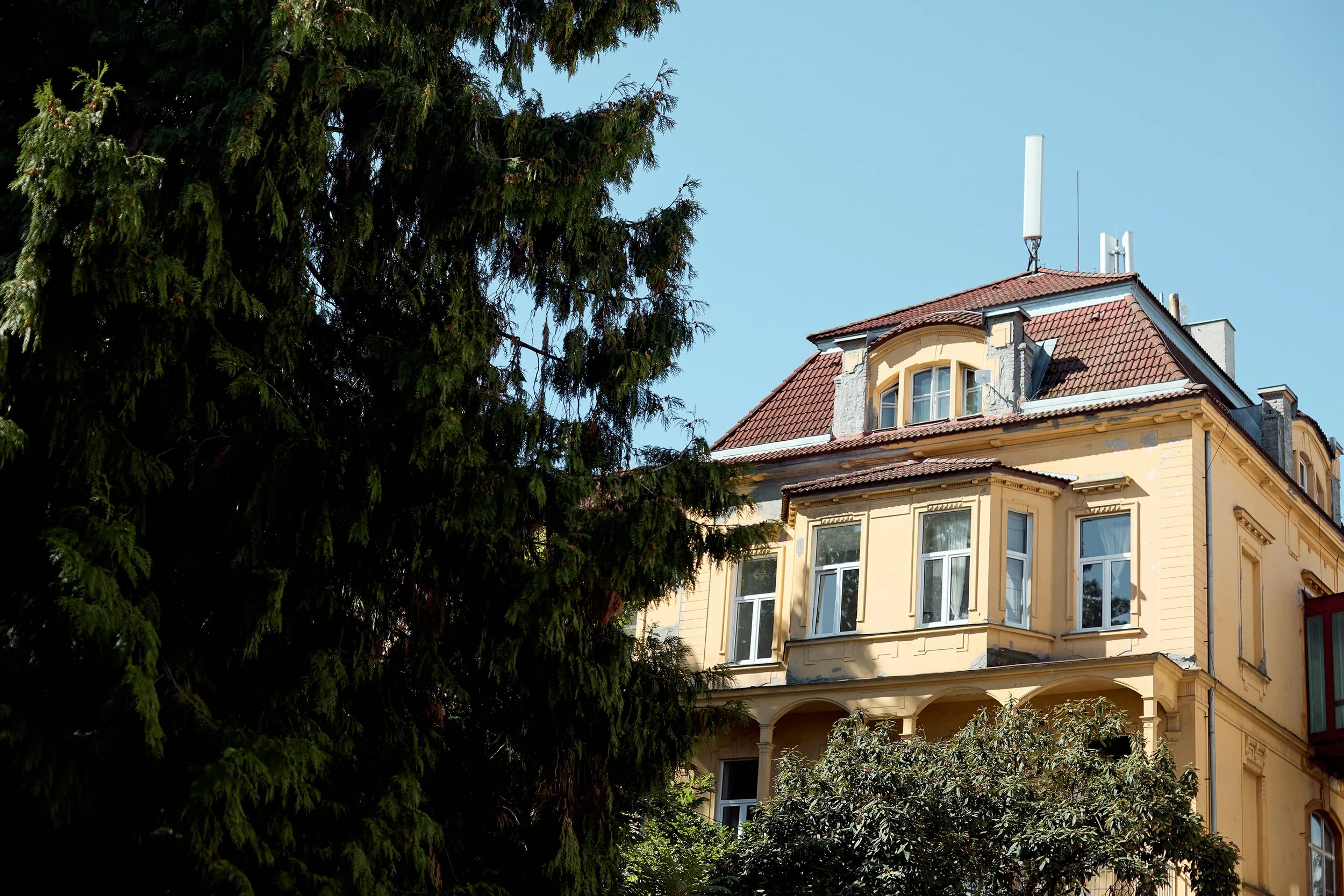
More about Tusculum Prague
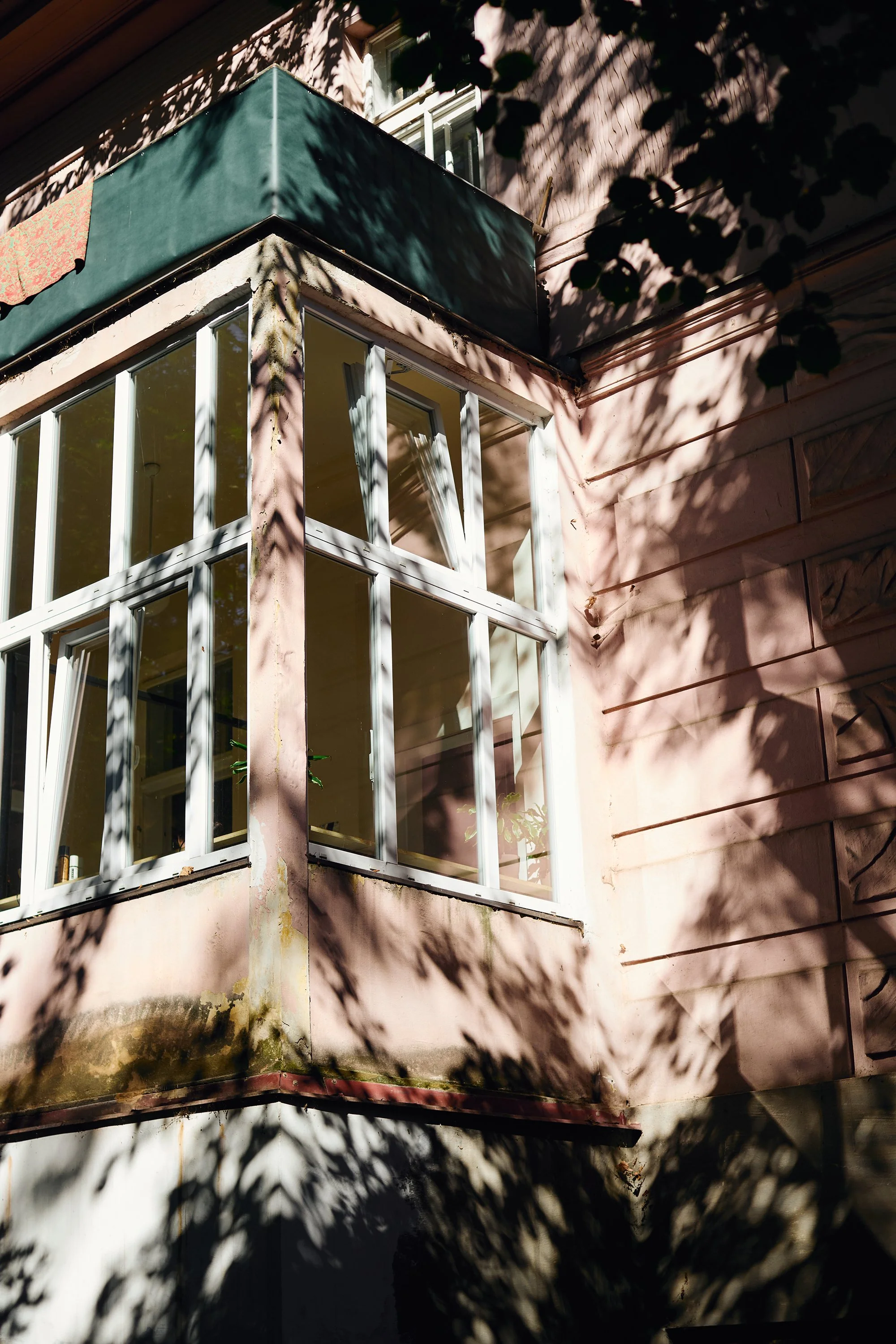
In the 18th century, the site was designed as a public garden in the Romantic English landscape tradition, later complemented by residential villas. In 1895, a psychiatric sanatorium was established on the same grounds, adding another layer to the site’s rich and complex history. Dr. Leopold Kramer, the founder of the hospital, once lived in an Empire-style villa in the garden. In 1934, he was captured and deported to the concentration camp at Terezín, and was later executed in Auschwitz in 1944.
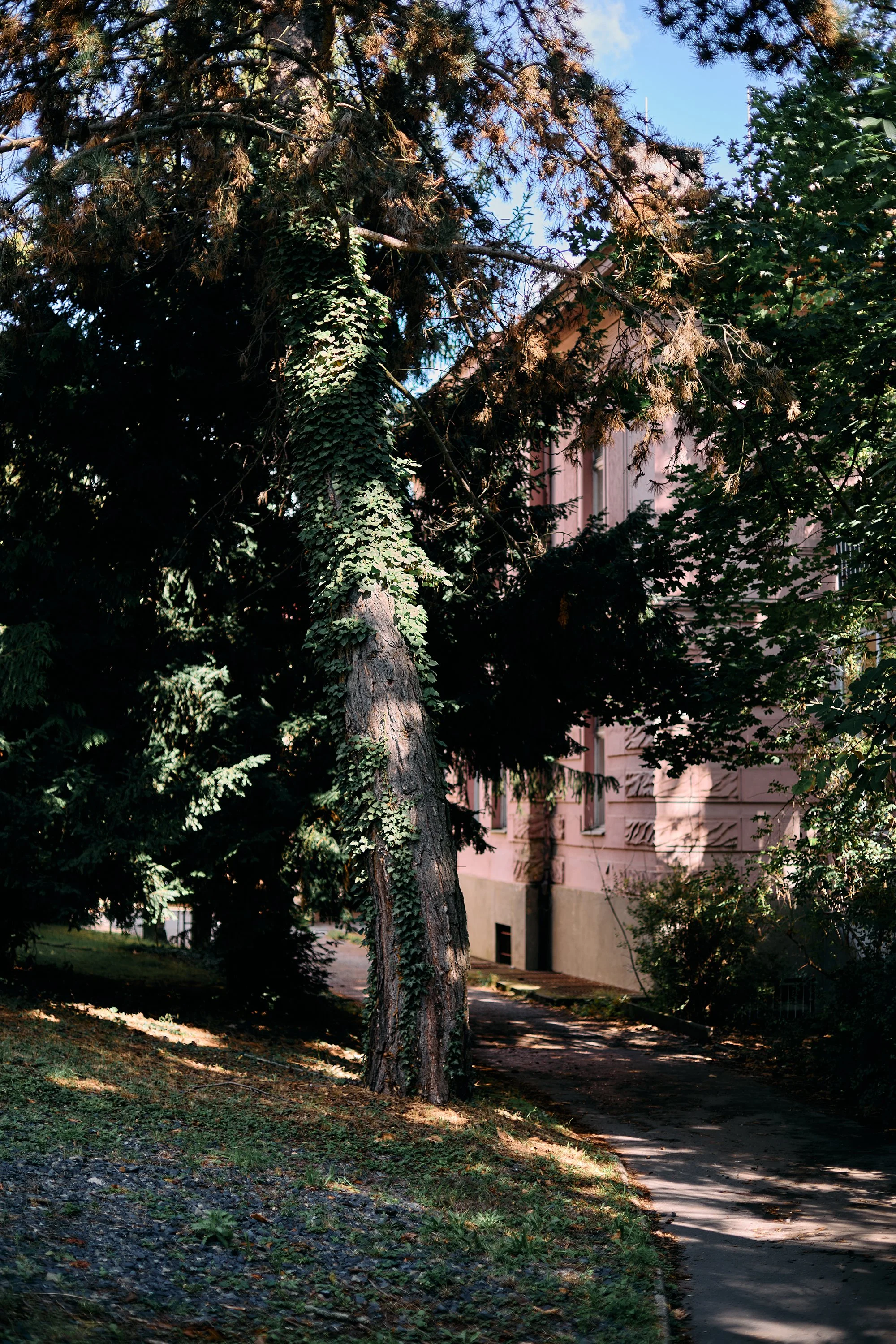
Today, the community garden brings together Prague residents cultivating vegetables and growing flowers alongside patients seeking comfort and respite beneath centuries-old horse chestnut and poplar trees.
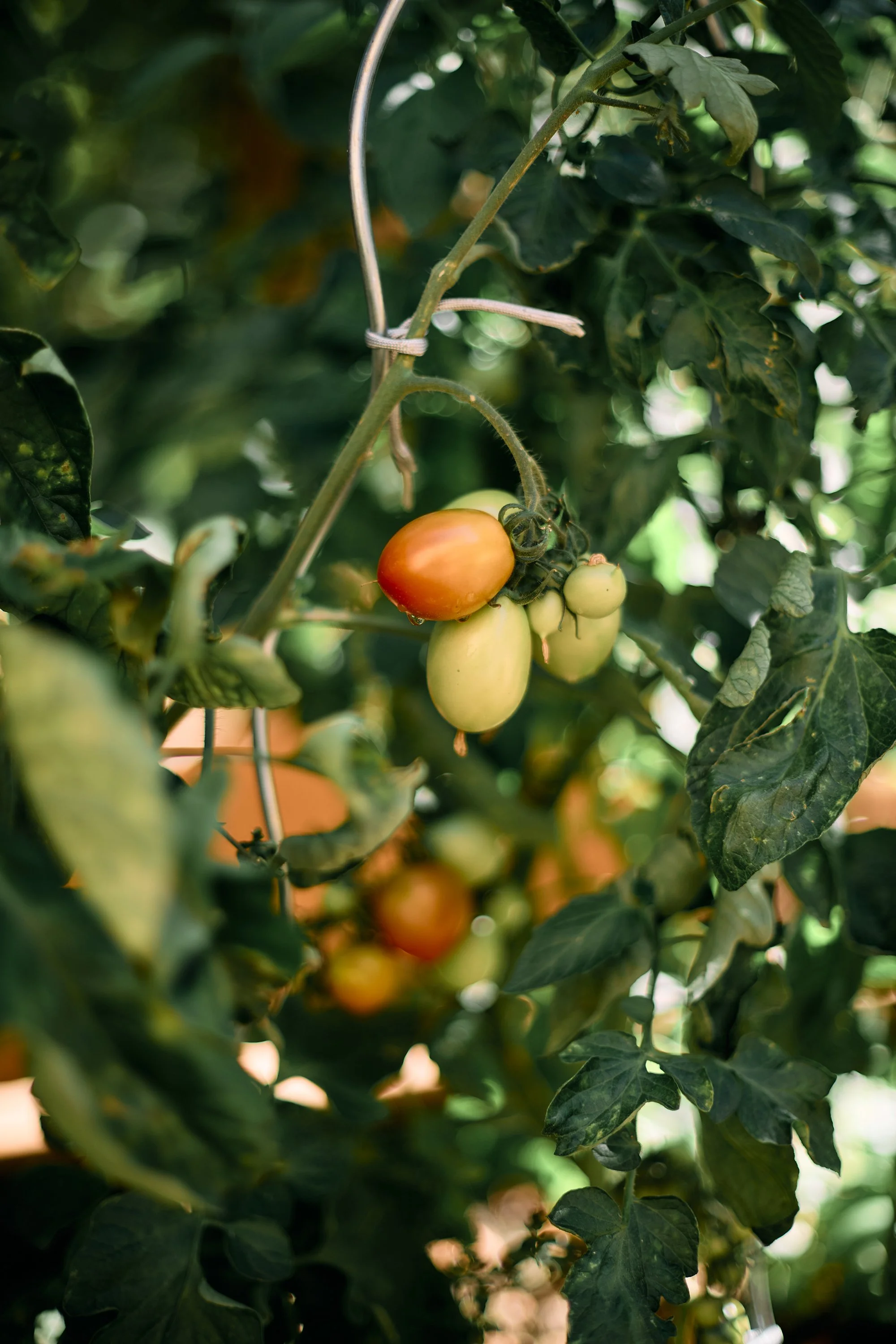
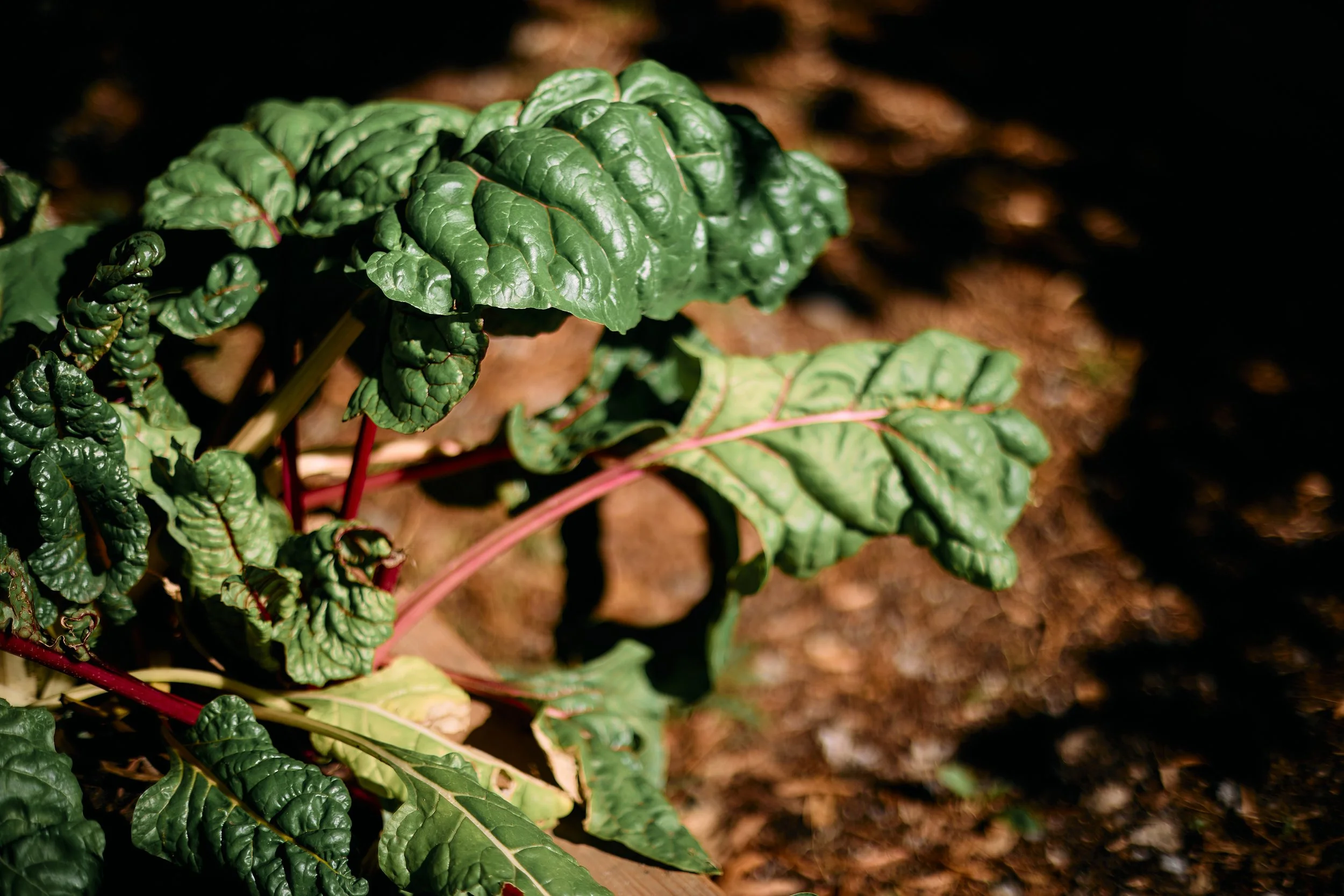
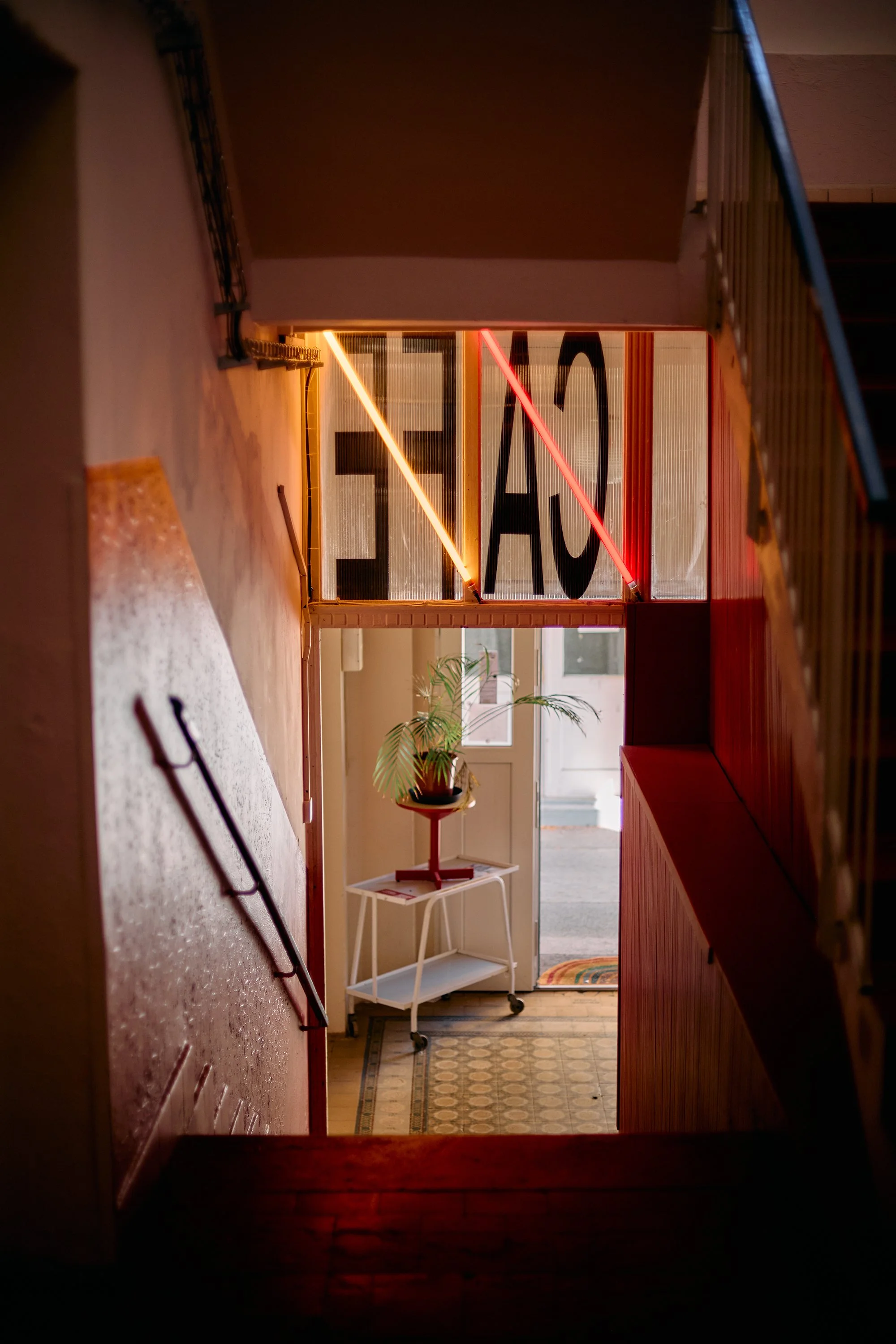
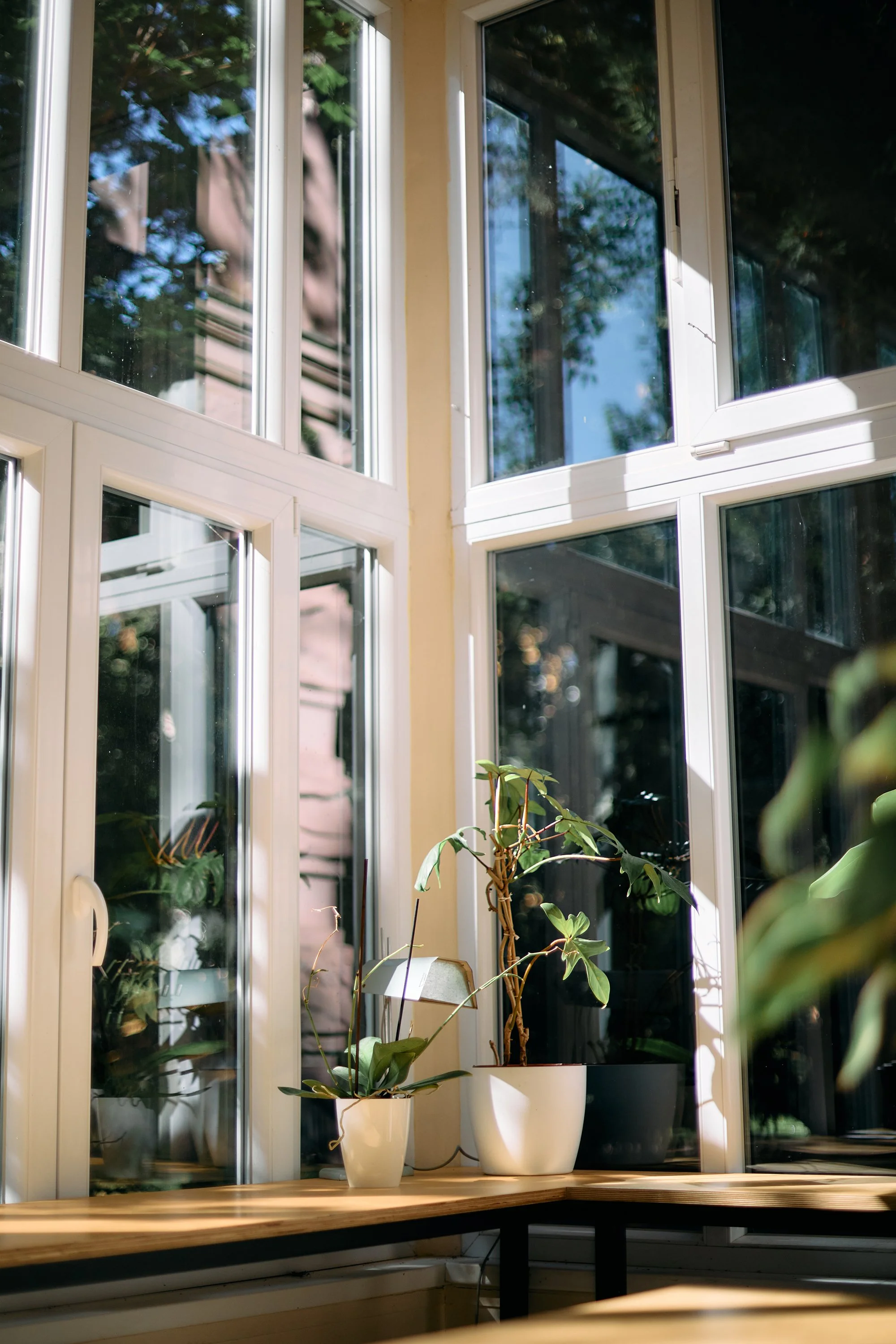
Since late 2023, Tusculum Prague - an atelier and residency centre - has inhabited the historic Chittussi Hospital complex and its surrounding park. Its facilities consist of two historic buildings containing artists’ studios, connected by the Tusculum Garden: a park encompassing a community garden, an outdoor exhibition space, and a place for intergenerational gatherings within the contemporary art scene. The park also continues to serve the patients and daily operations of the Long-Term Care Hospital.
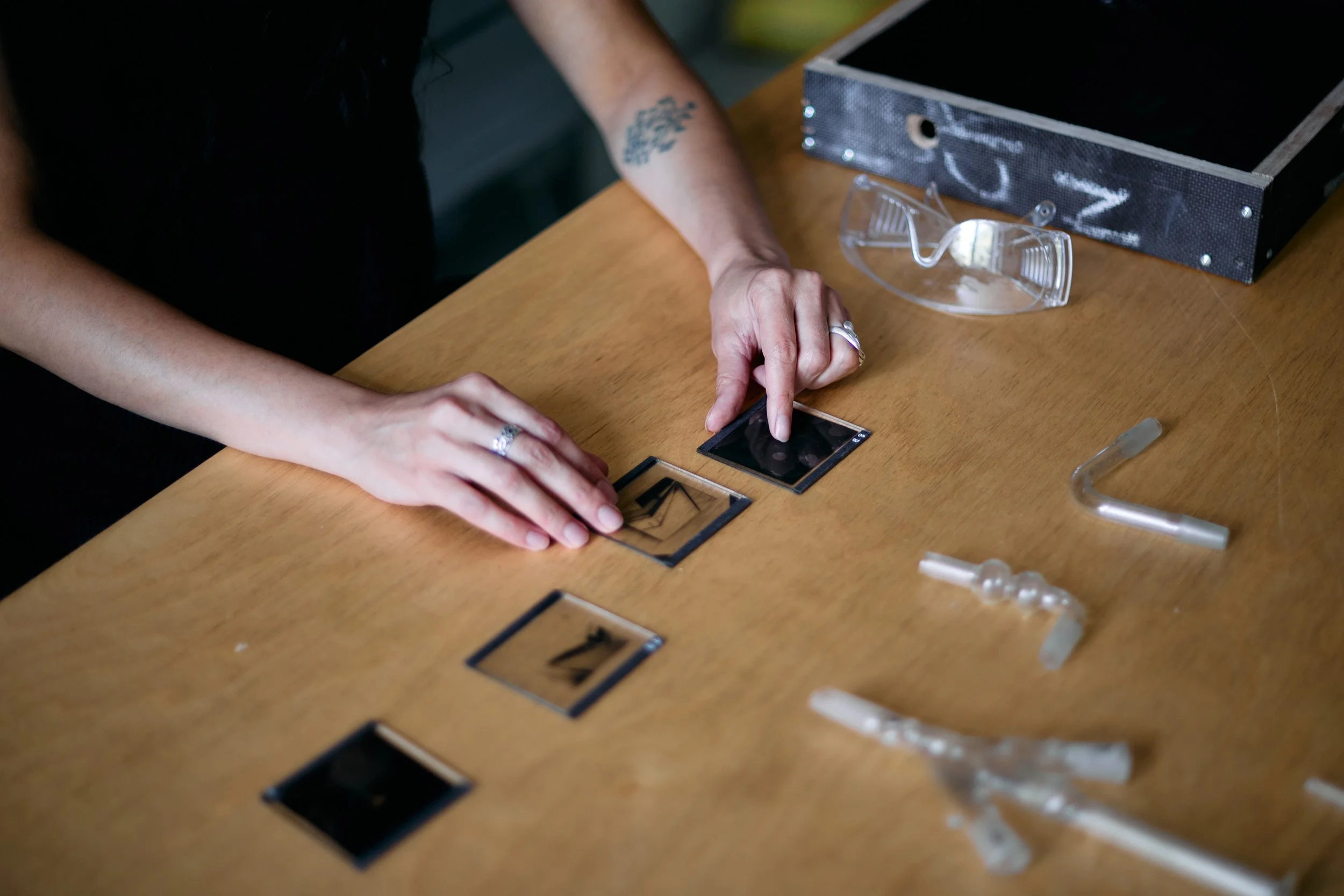
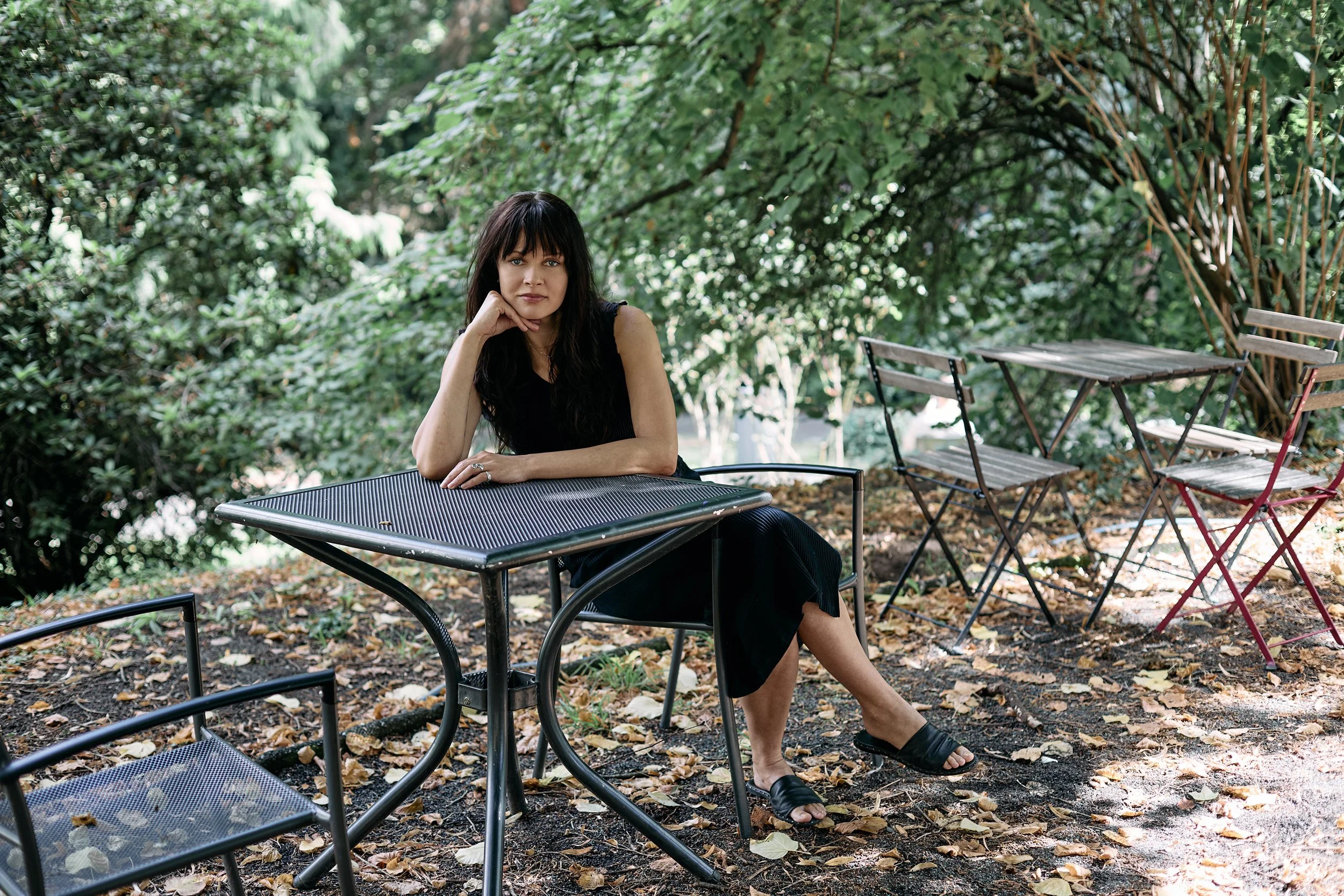
The complexity of the place is explored by Migle Vycinaité, a short-term international resident from Lithuania, who has been developing an installation across different areas of the Tusculum site, working with moving image, projection, light, glass, concrete, and other materials available in the area. “I’ve been trying to respond to various environments and their conditions, as well as found objects and architectural elements left behind,” explains Migle. She came to Tusculum already interested in medical and institutional architecture. “The garden is quite important to how I experience Tusculum because it changes the character of the former hospital. I have been looking at old pictures of the building from when it was first established as a sanatorium, when the area was still much less developed and surrounded by gardens and orchards. It made me think about how the city had developed around it, and yet the garden has remained a refuge from the city for so many decades. There are institutional buildings and traces of their previous functions, but they are surrounded by mature trees and vegetation, so the atmosphere can shift very quickly between something clinical and something intimate.”
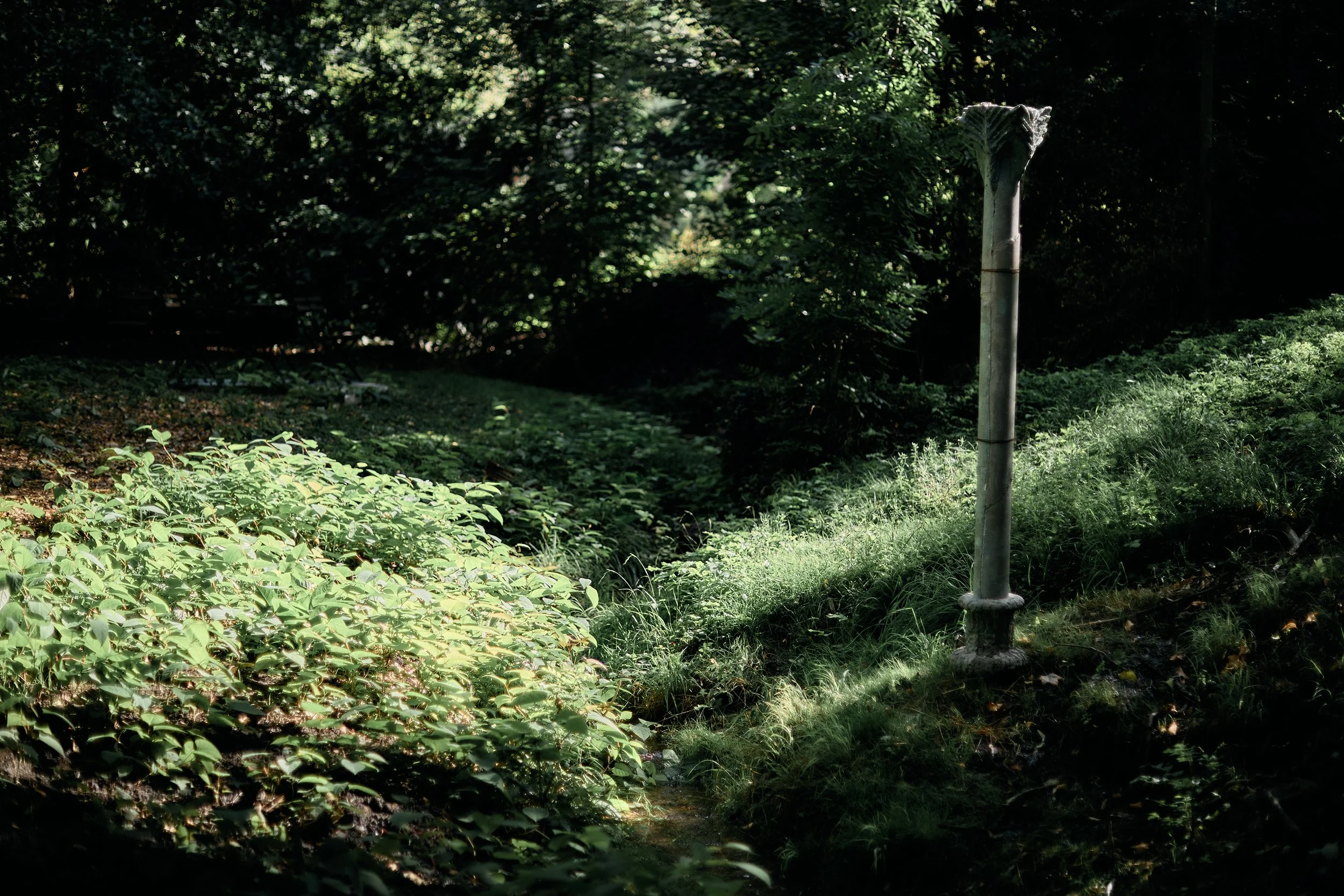
That Tusculum is a place dedicated to art is apparent after a short walk through the garden. There you will find a collection of four statues by Erika Velicka, made of concrete and fresco, called Conversation Between Bear and Wolf. The tree columns and a mad wolf carry a deep ecological and social symbolism, based on Nikolay Zabolotsky’s poem, “The Mad Wolf”. A reminder of the era of communist Czechoslovakia, in the form of a bronze sculpture of two naked female torsos, dating from 1988, can be found in the garden too. Ironically enough, the regime liked to see art in public spaces.
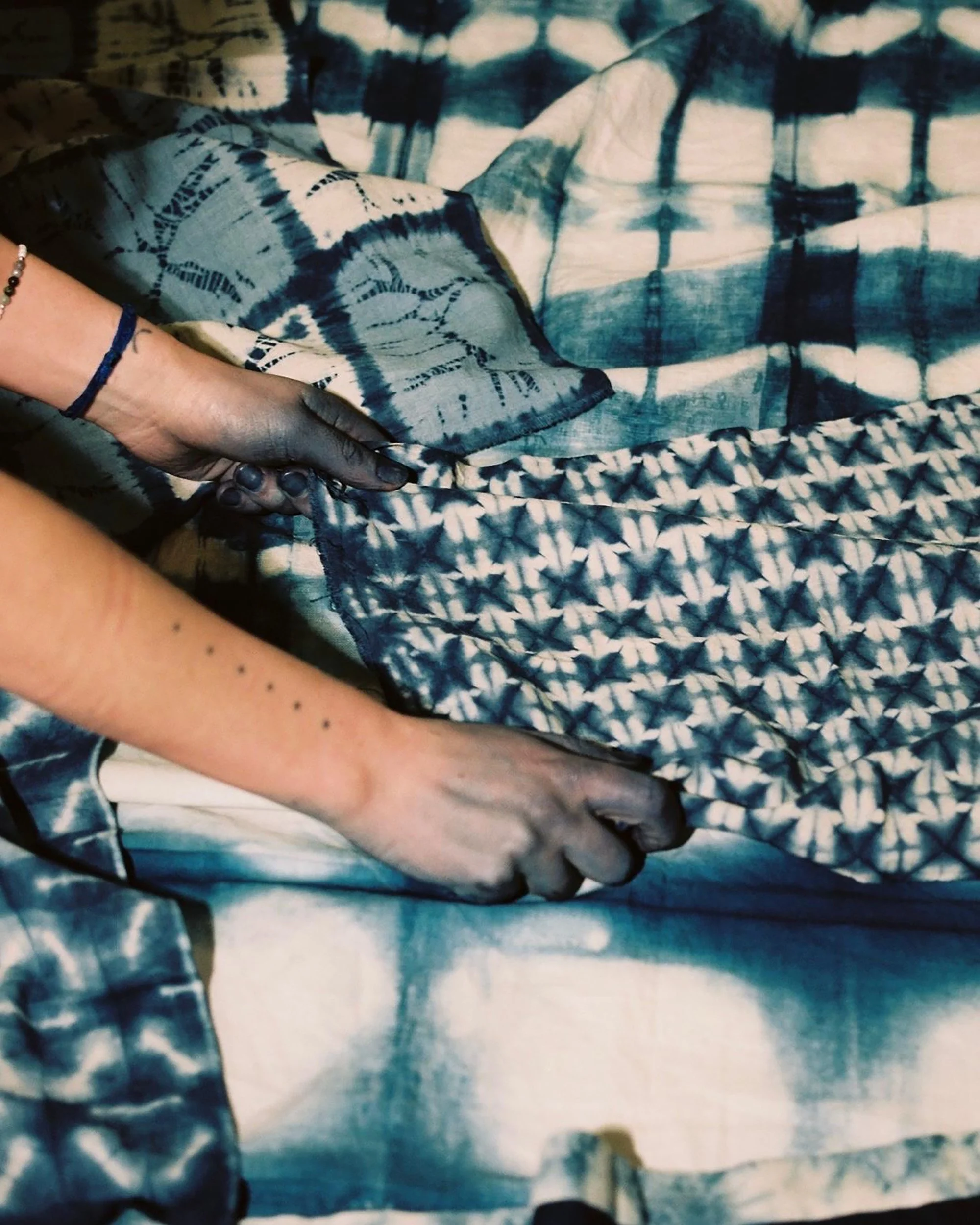
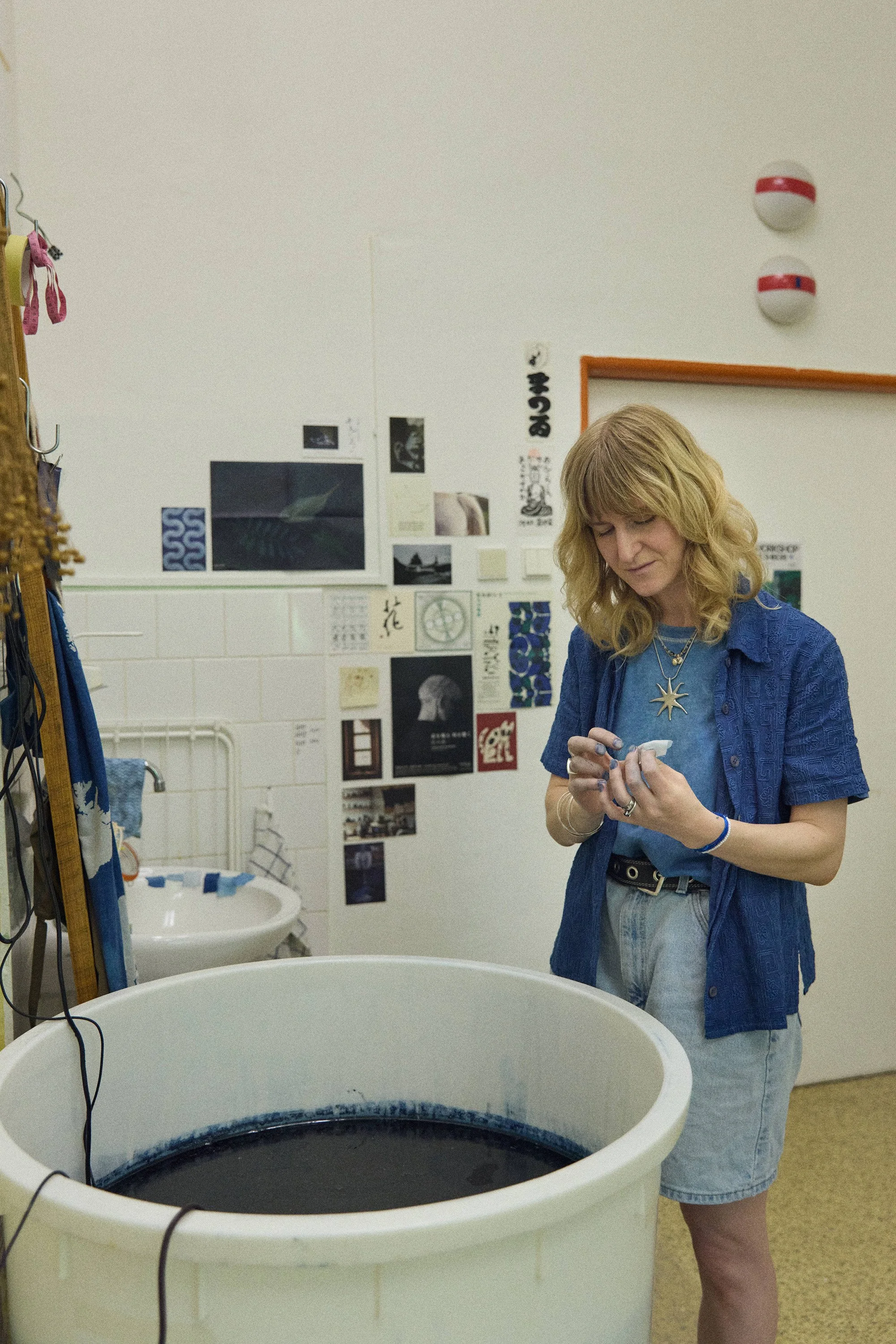
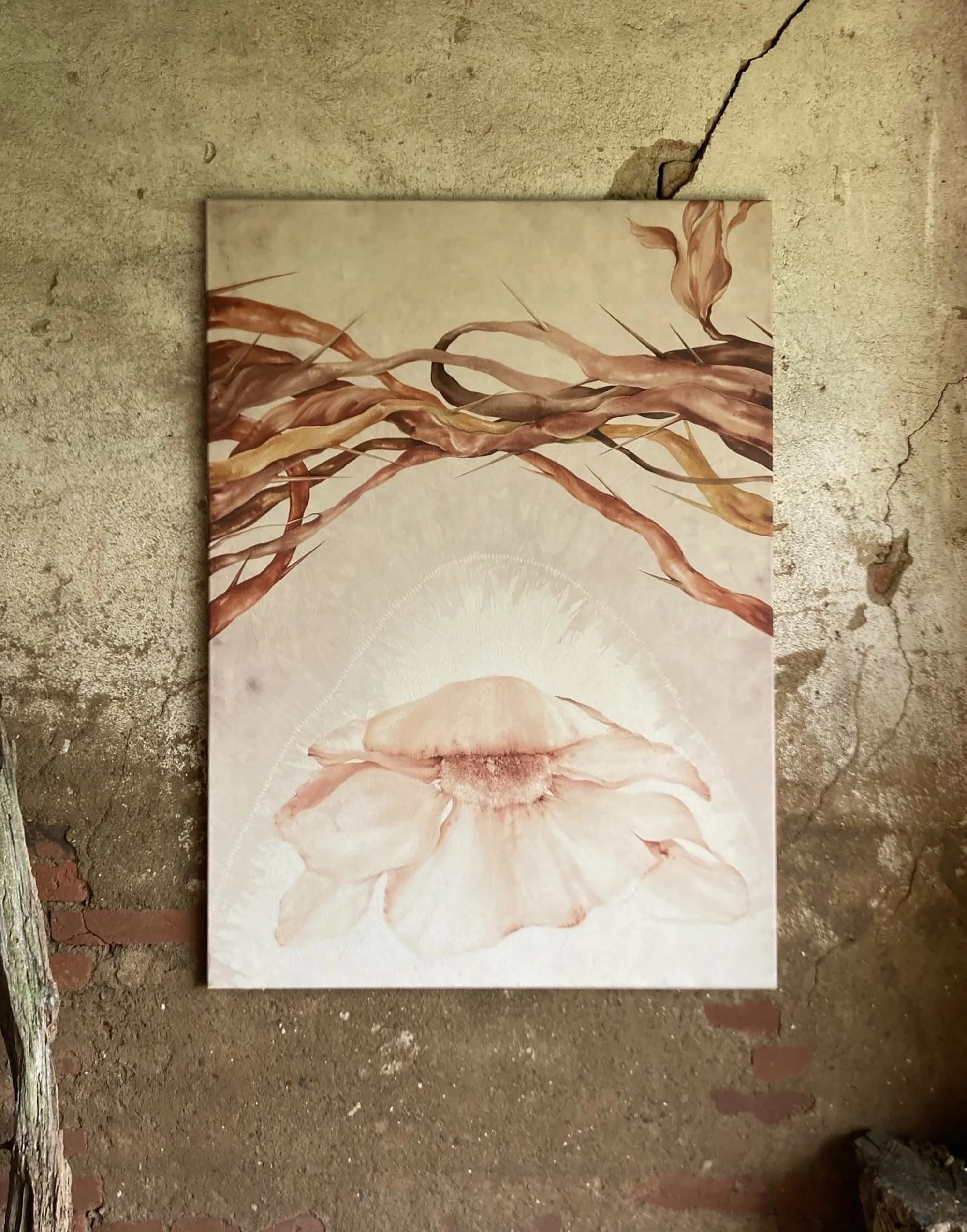
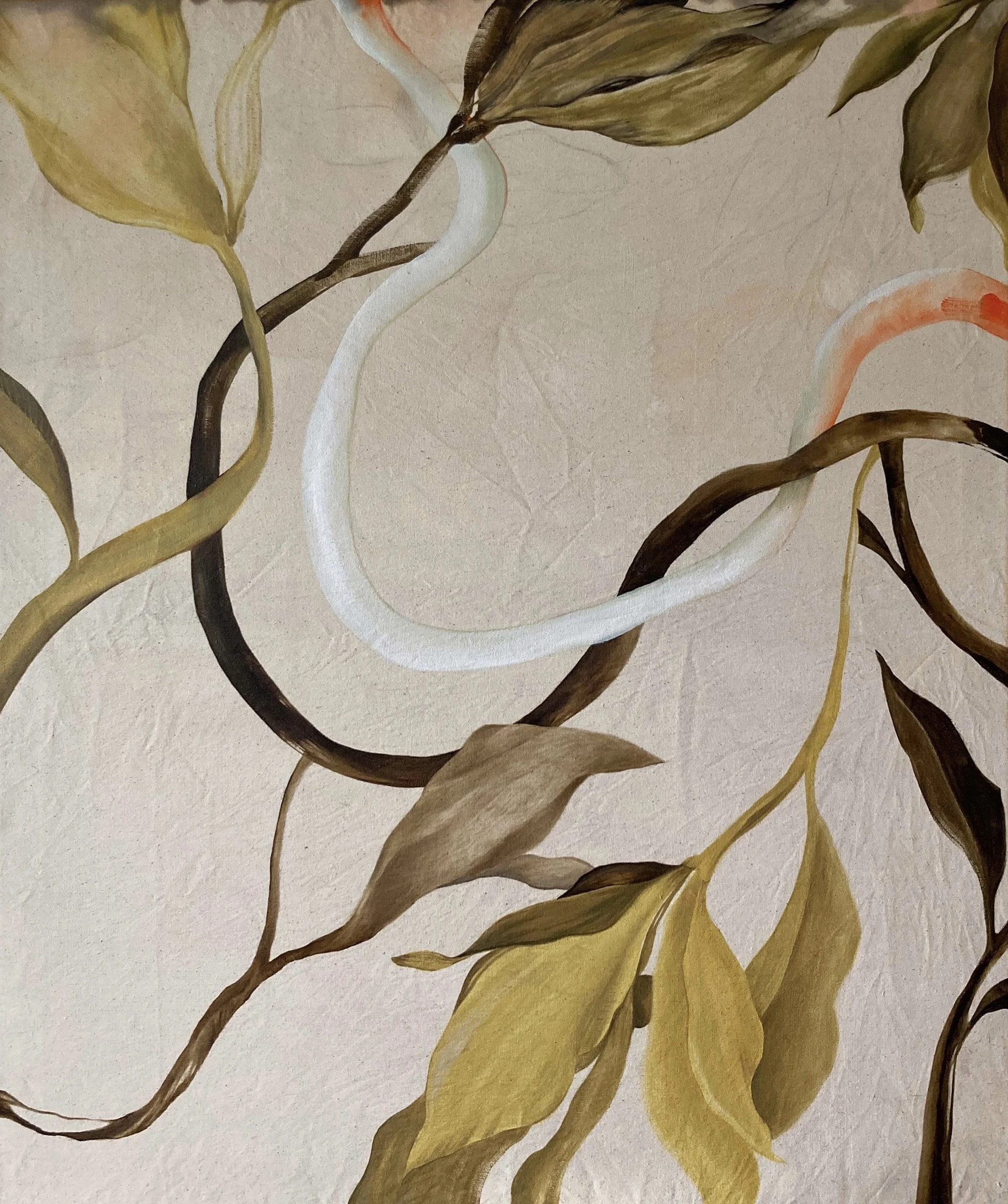
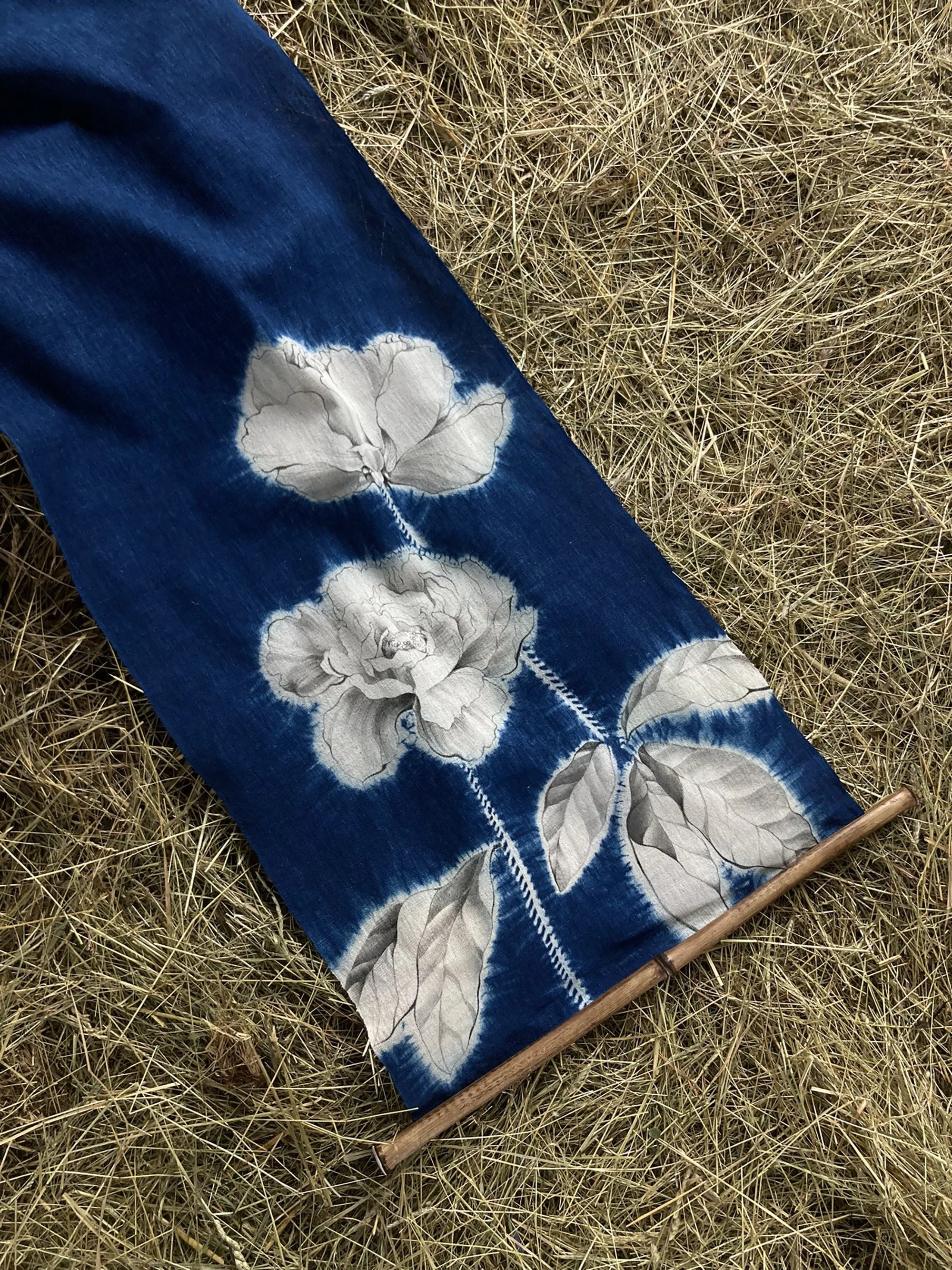
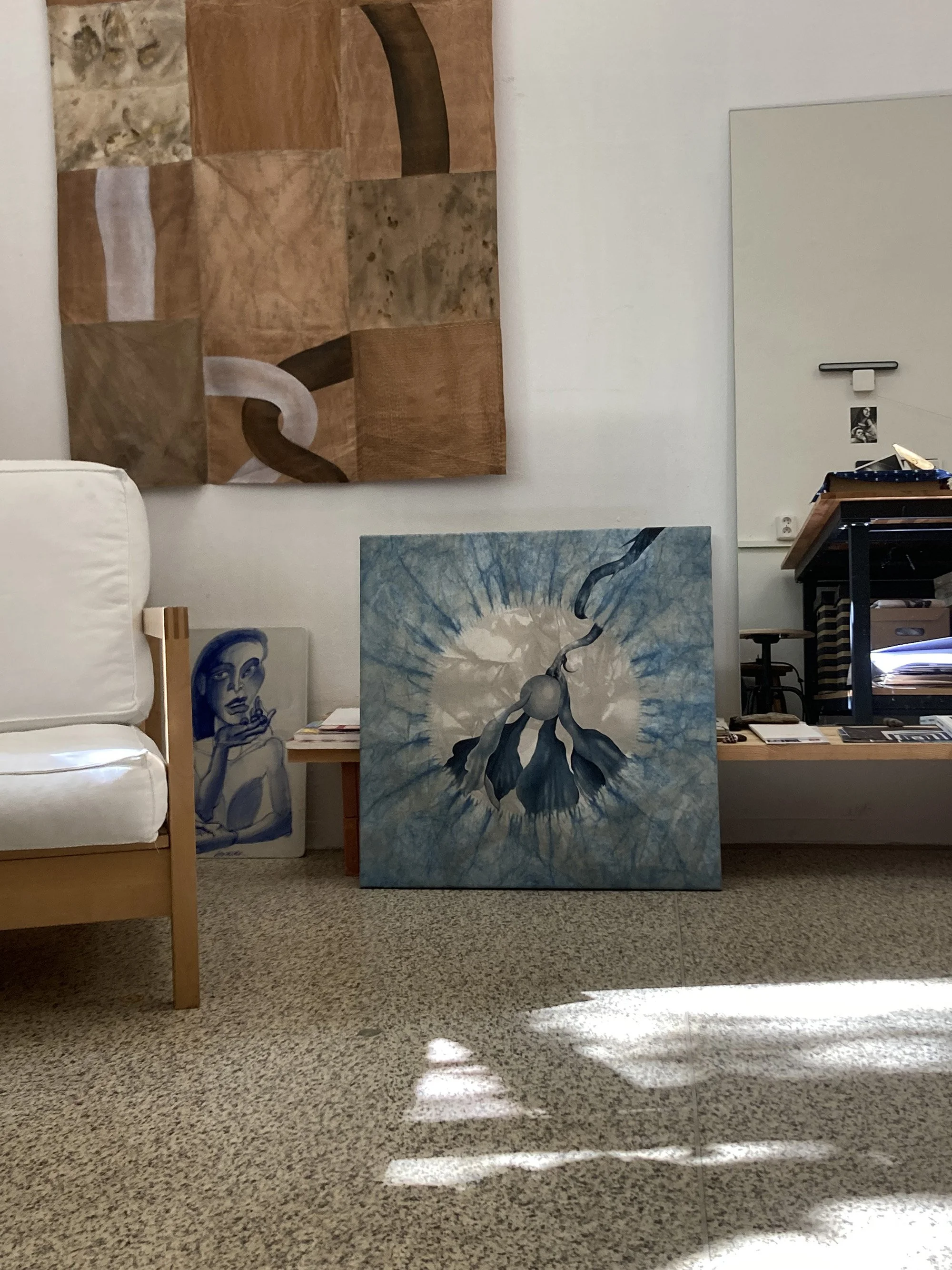
Multidisciplinary artist Tereza Nesnidalova is one of the many residents of Tusculum. When she moved back to the Czech Republic from Iceland, Tereza had been looking for an affordable place to set up her first atelier, dreaming of opening an indigo studio. Recommended by her friends, she was instantly charmed by Tusculum and the surroundings. “It almost feels like you happen to be somewhere other than in a city, watching trees and birds from your studio window, and the cafe at the entrance where you can sit by a little stream - all of that felt quite magical,” she describes the setting. The inspiration from nature and plants specifically is apparent in her paintings and textile pieces. “Having my own space where I can create makes a big difference, and Tusculum felt like a beautiful first chapter in my creative career.”
Unfortunately, the moving history of this garden and its land continues. Commercial development in the area now requires both Tusculum Prague and the hospital to find new homes, making way for further apartment construction. The fate of the garden itself remains uncertain - though it may ultimately become a private amenity for the new development, rather than the shared space it has been for generations.
Once I dug a small hole in the ground,
stuck one leg in, right up to the knee,
and stayed like that for fourteen days and nights.
I neither ate or drunk, grew thin,
and yet my leg did not take root.
Alas! I didn’t turn into the plant.
- The Mad Wolf by Nikolay Zabolotsky