
The Language of Textiles
A Conversation with Ana Cris Medina of Texere
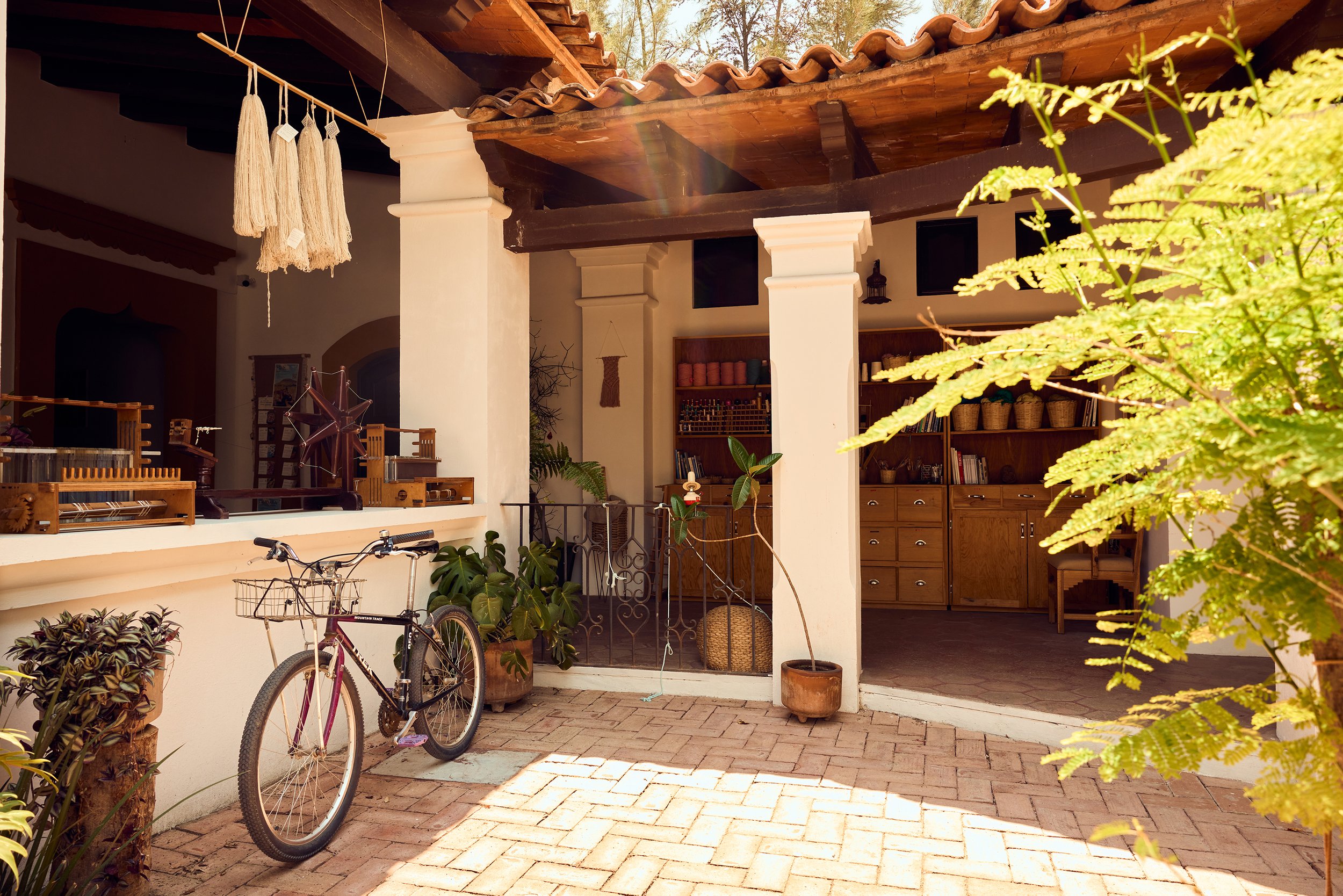
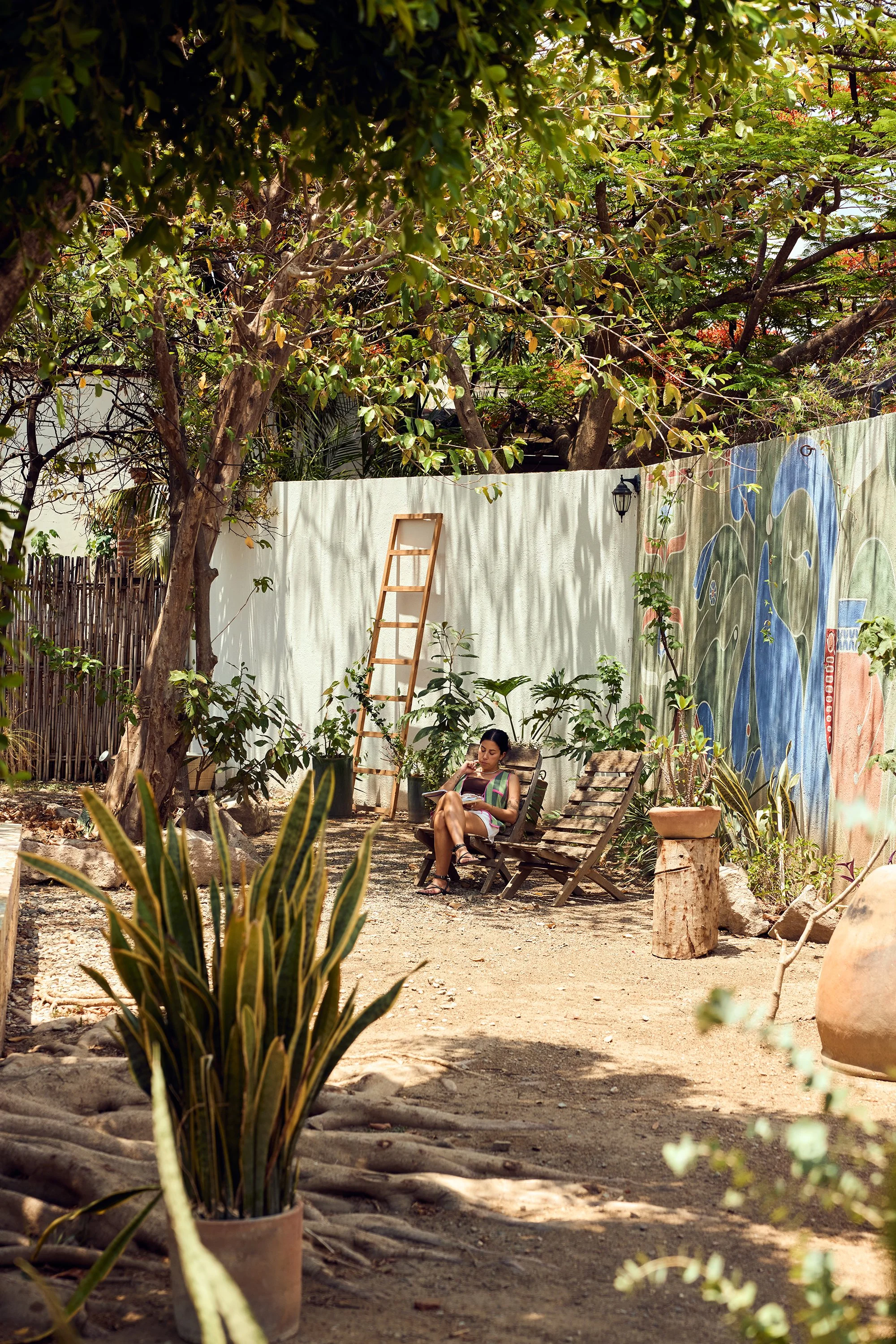
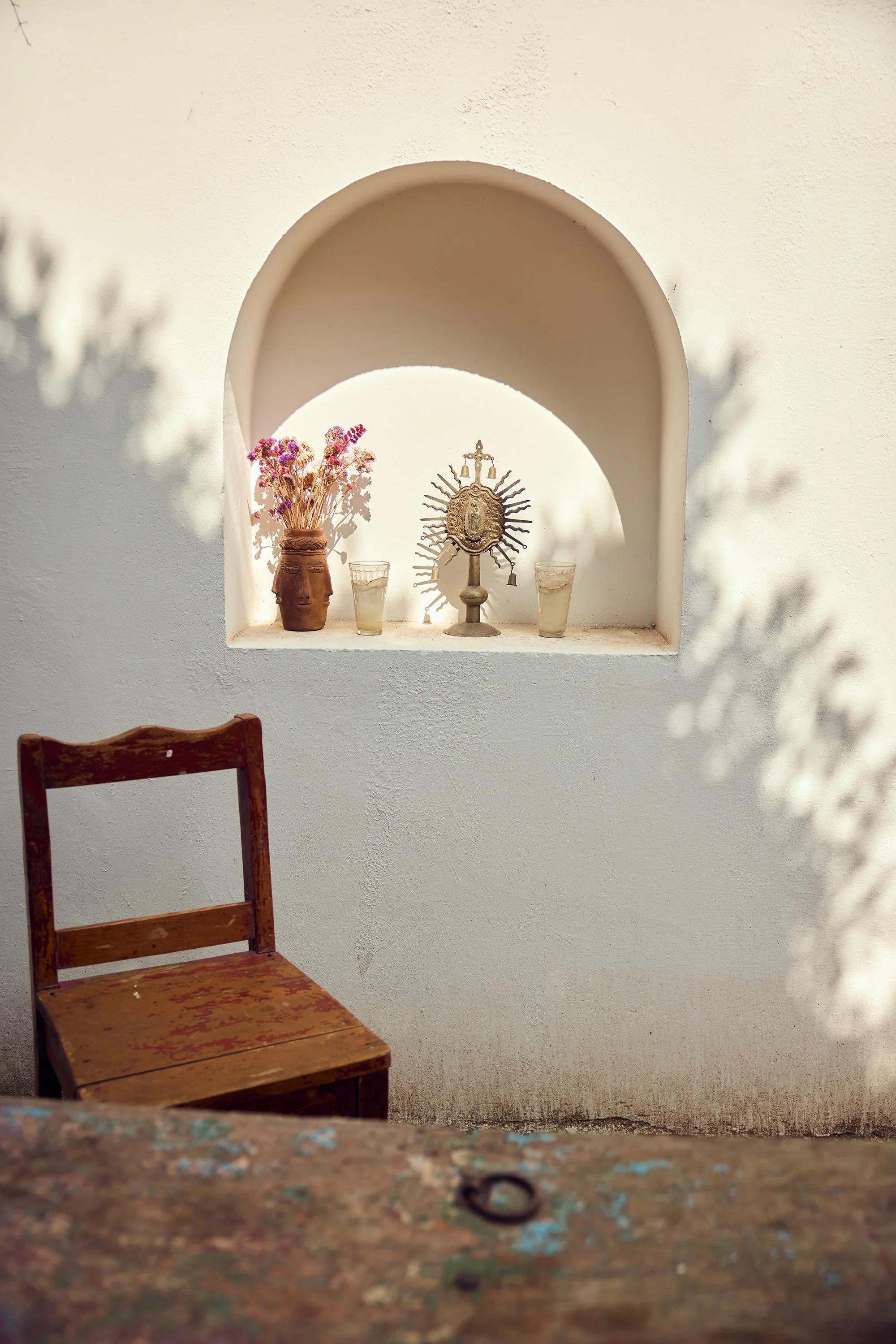
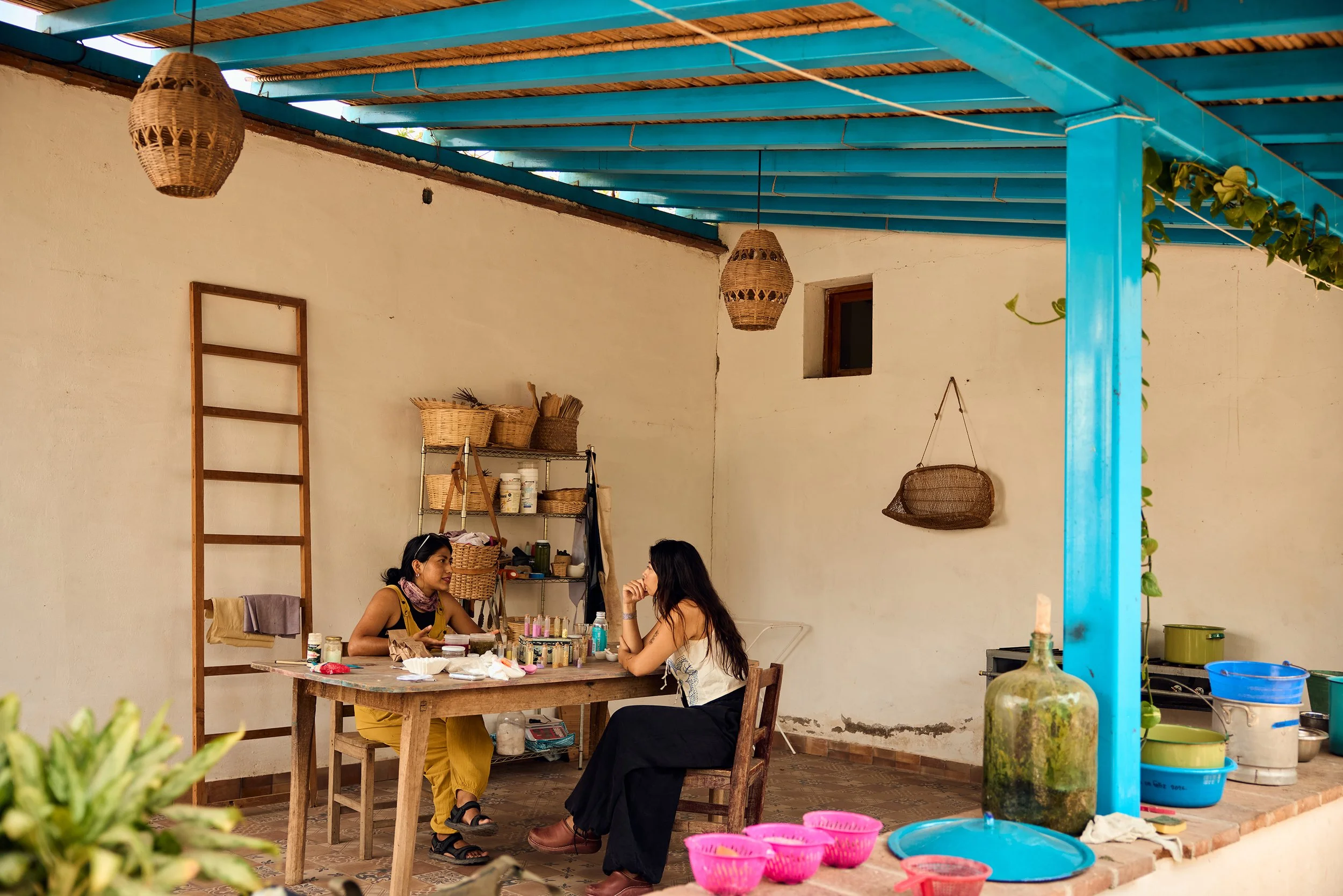
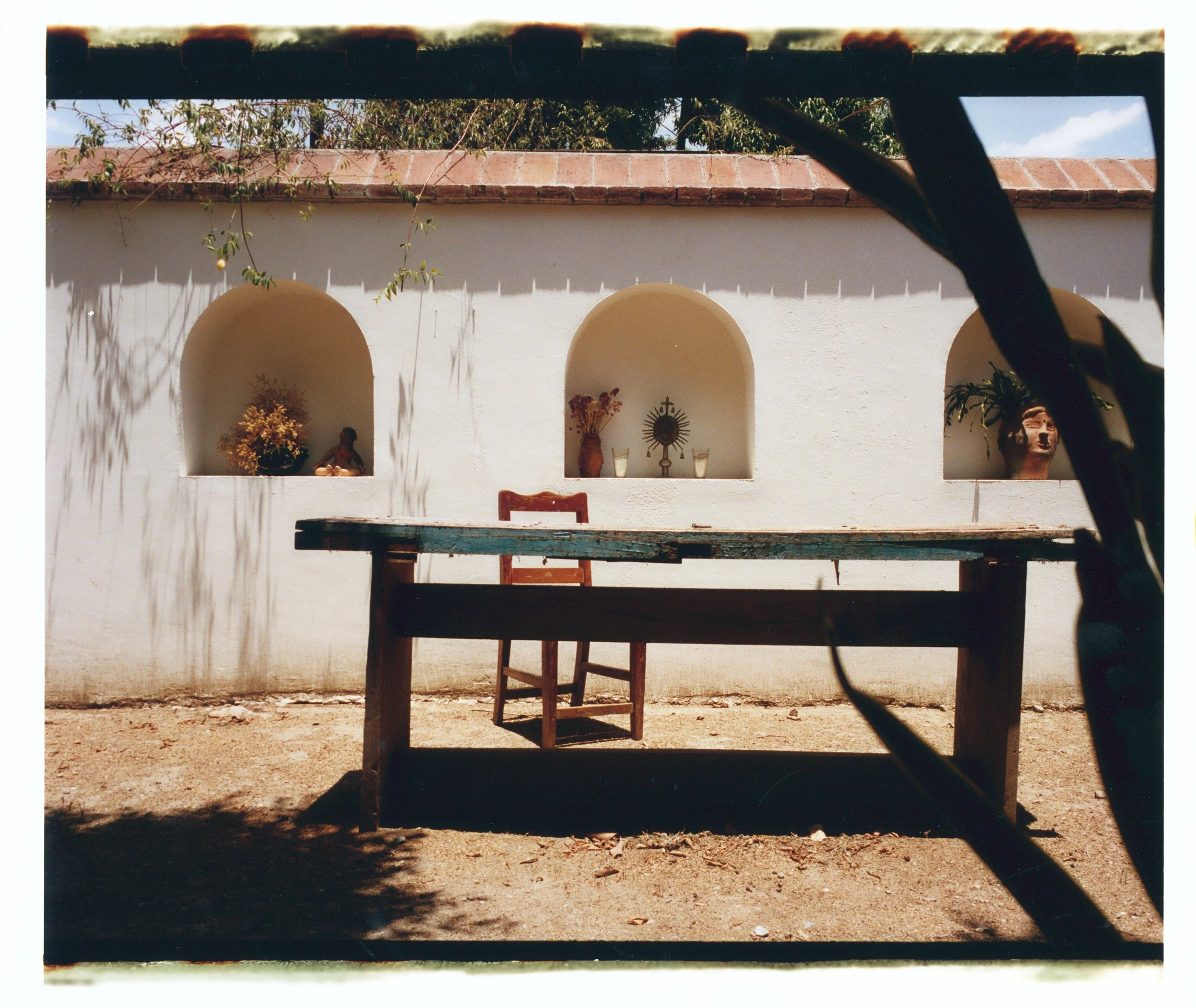
Texere is a home. But it’s more than that, too. Set in the small Mexican town of Santa María del Tule — known for a mythical Montezuma cypress believed to be one of the largest trees in the world — Texere is a textile sanctuary that, much like the cypress, is rooted in ancient memory. Here, fibers in endless expressions speak a language devoid of words — bridging understanding between artists from all over the world and the local community of artisans.
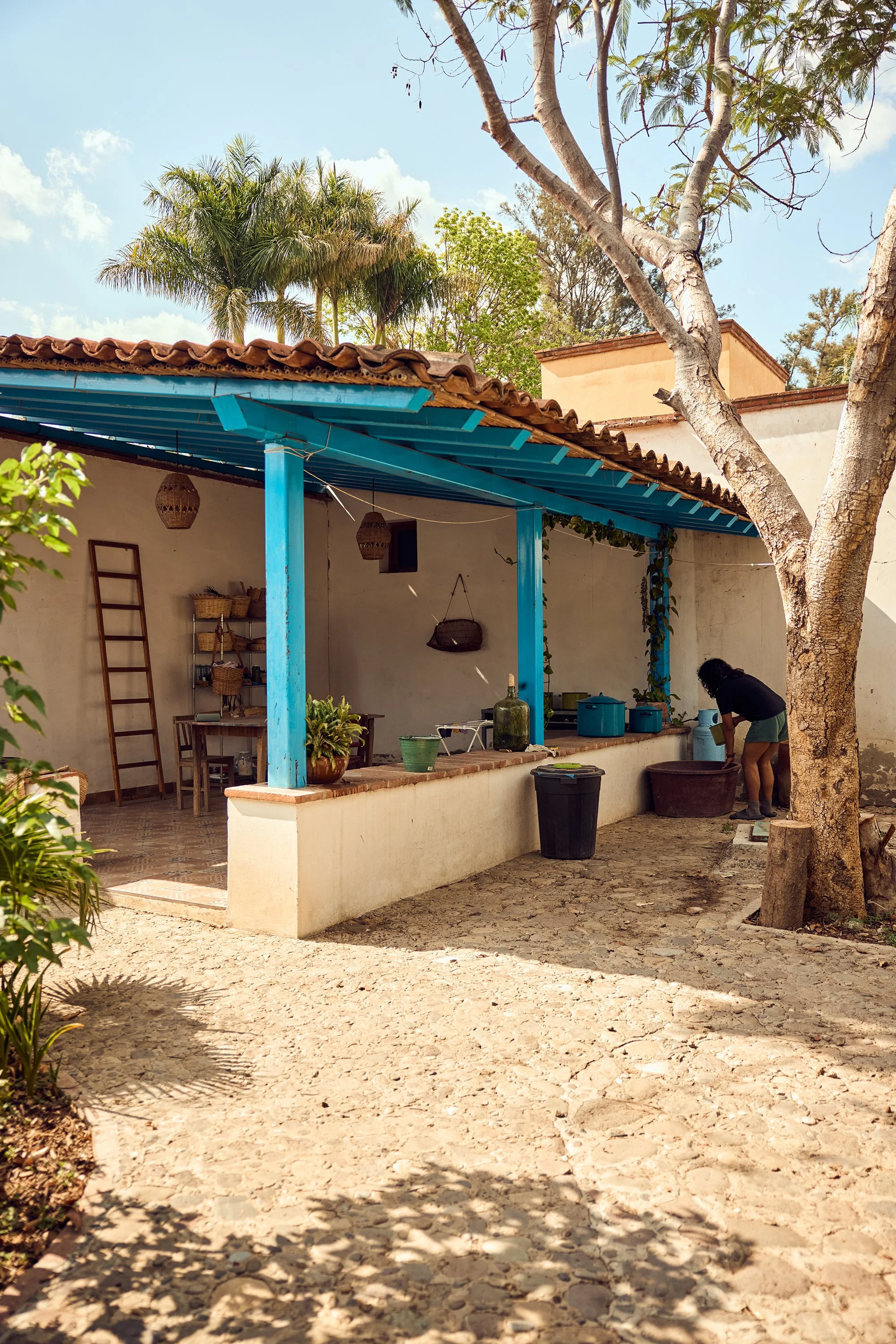
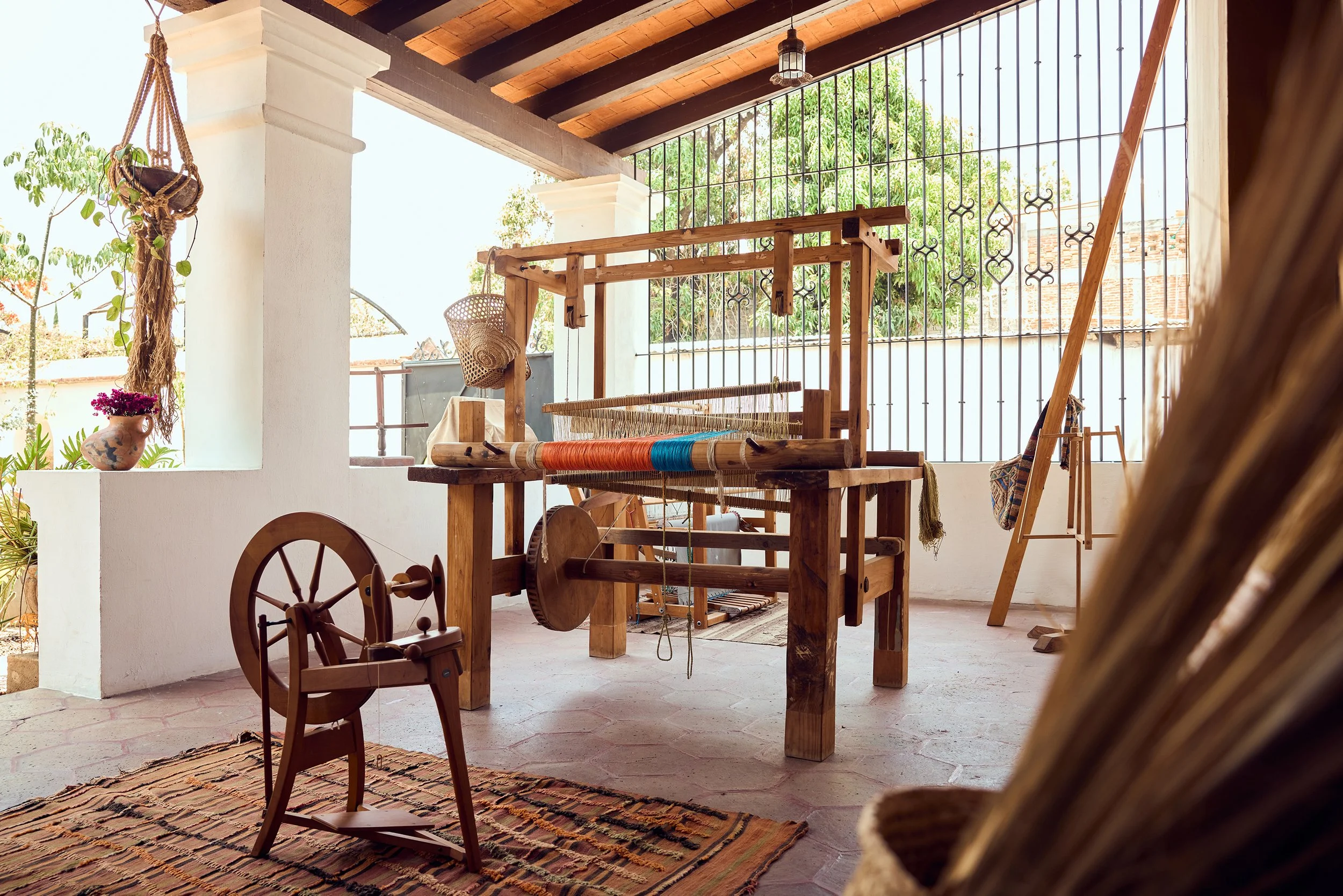
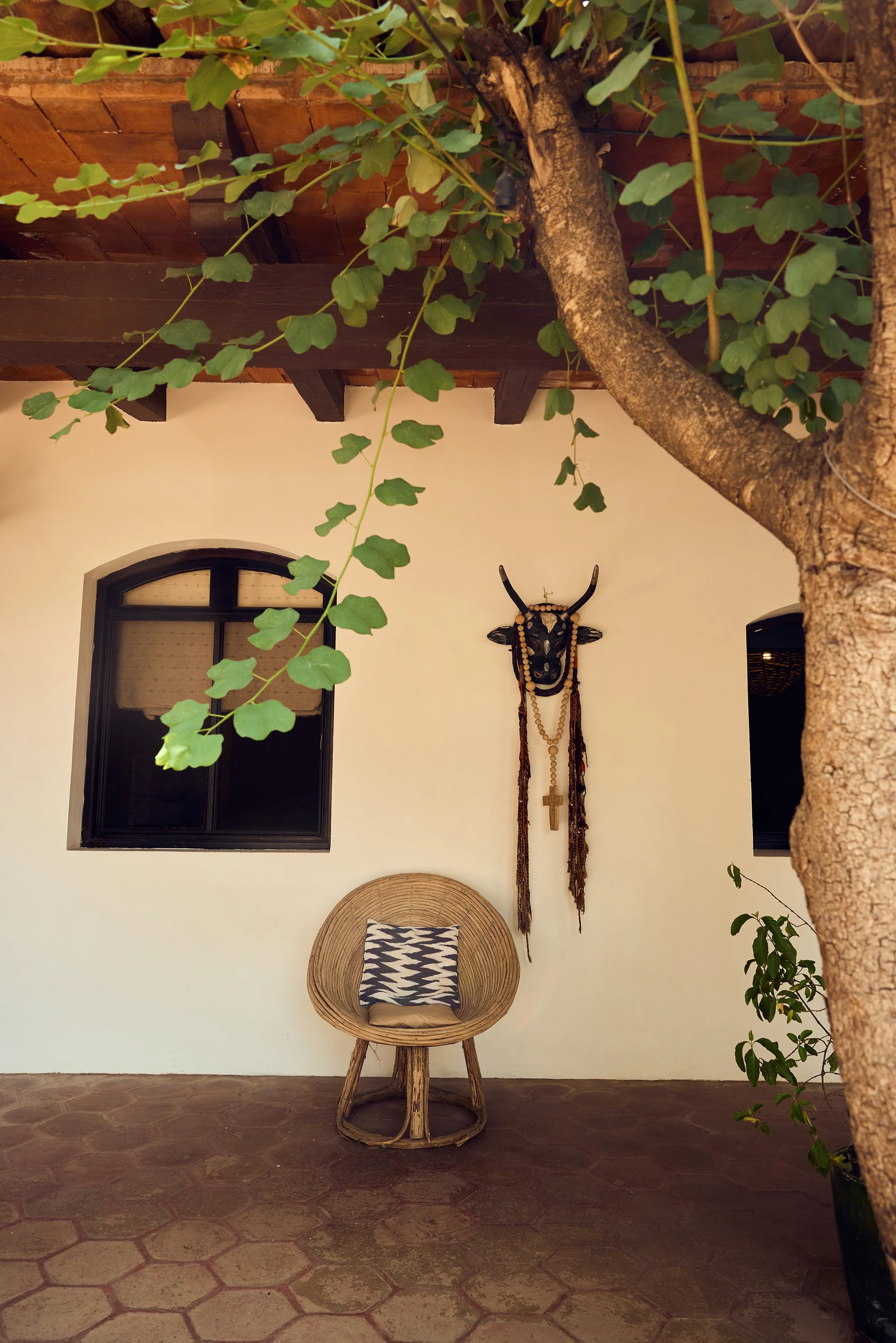
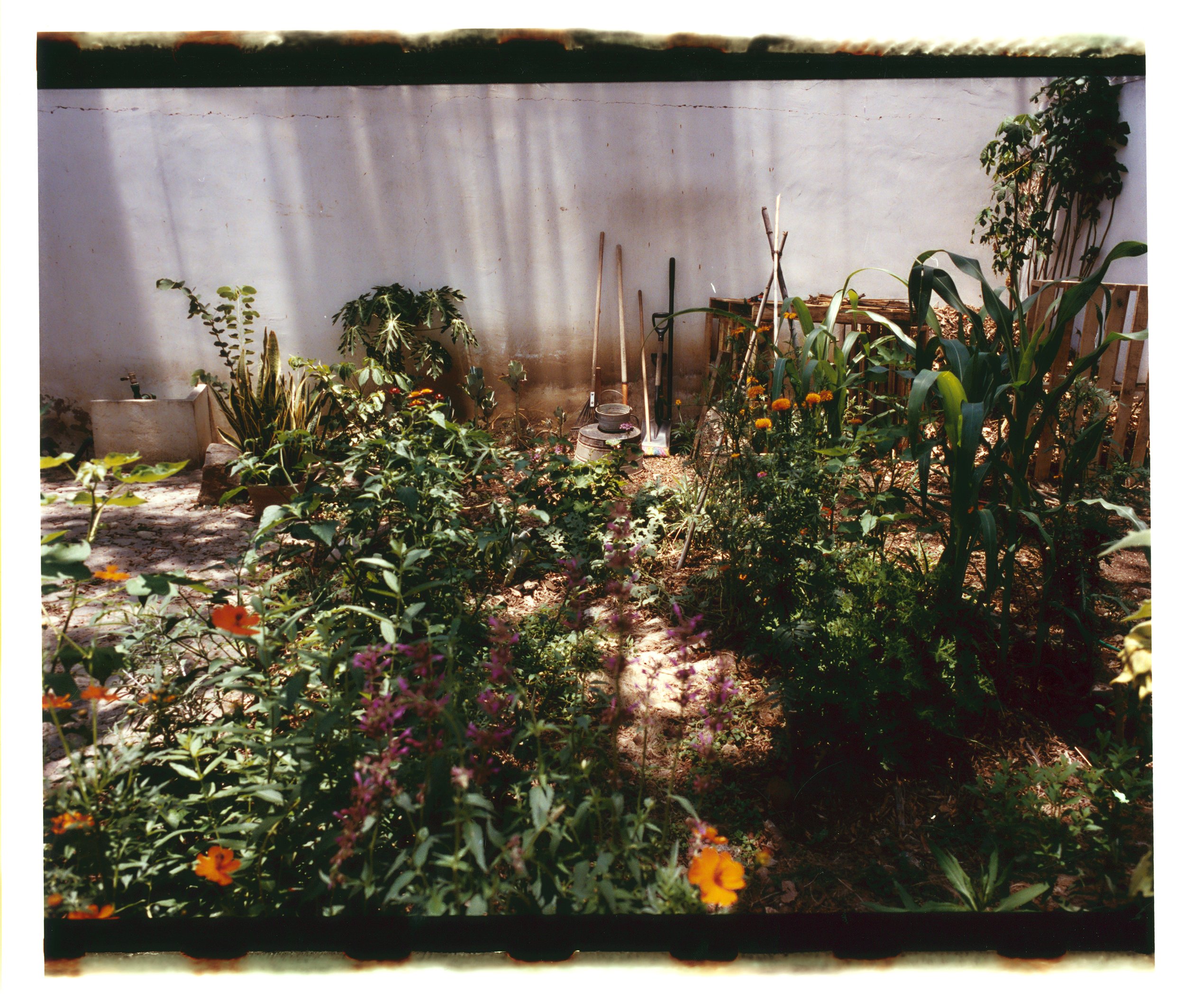
Within Texere lives an artist residency program, a shared work space open to the community, a specialty shop, and now, a growing textile garden that has given pulse to the home. Woven through it all is the impossible-to-ignore, quiet wisdom of Oaxaca. A land that intimately knows itself, that breathes art like air, and that holds deep reverence for the human hand. At Texere, you are invited to live it.
Can you tell me a little bit about yourself, how Texere was born, and what the project is all about?
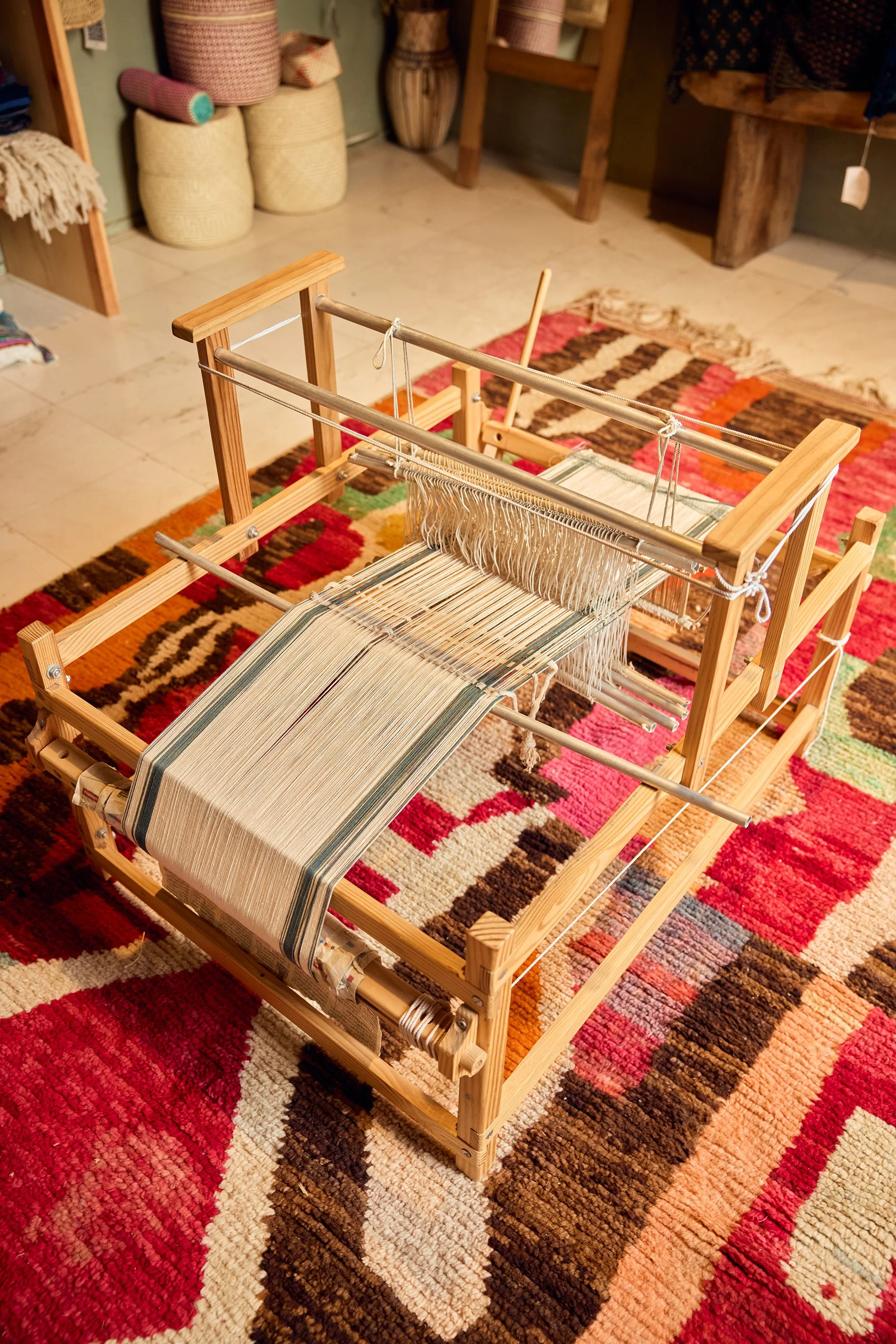
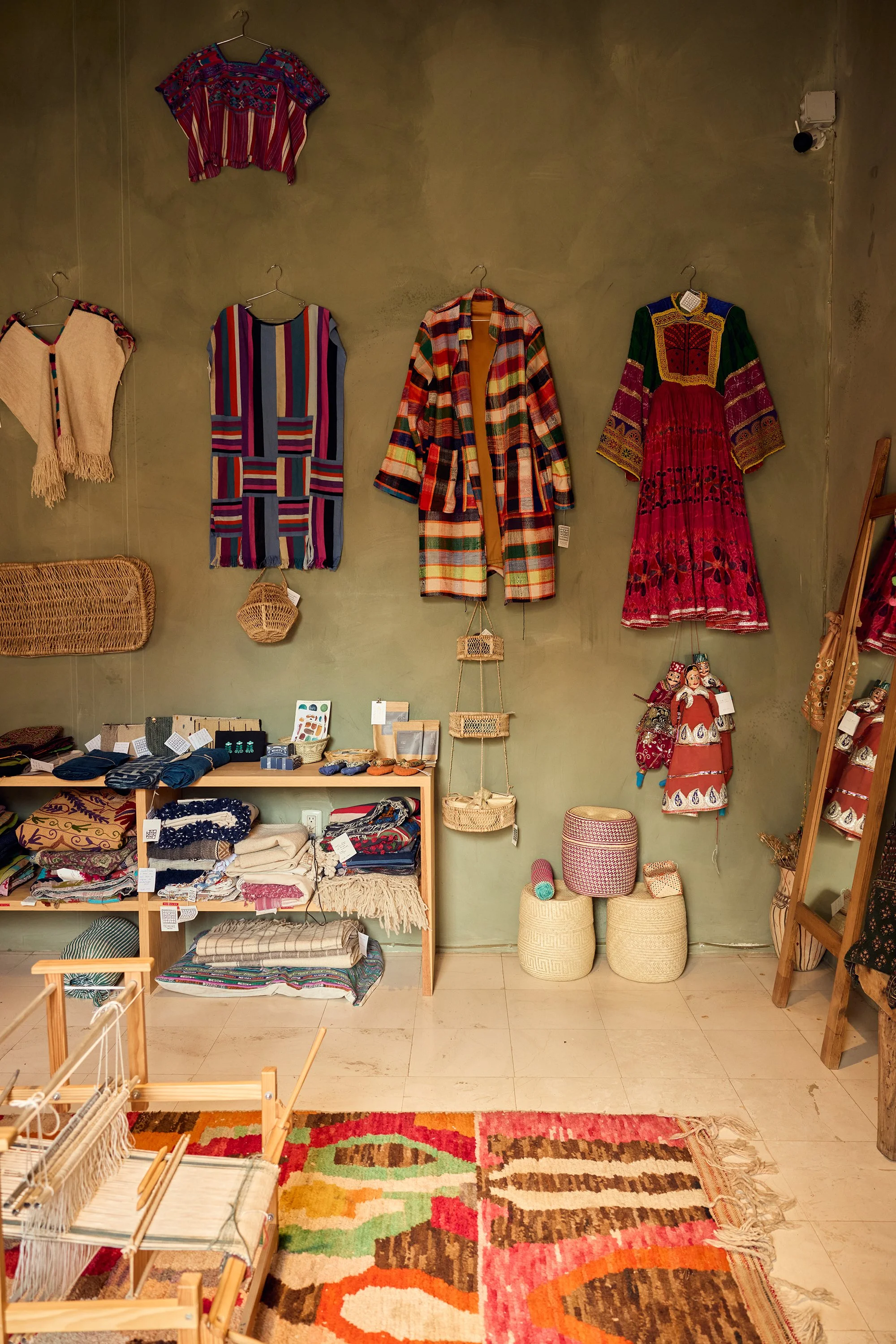
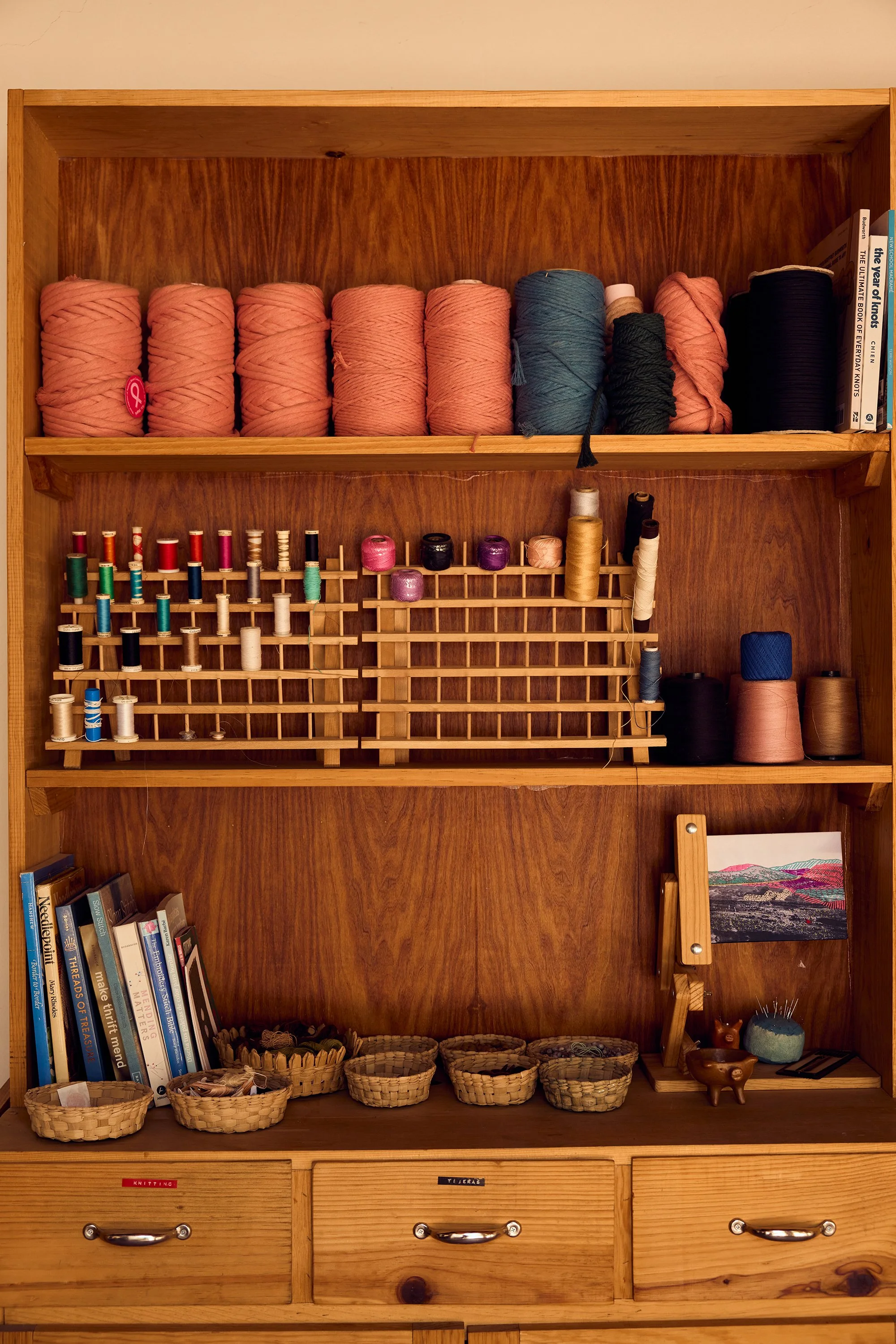
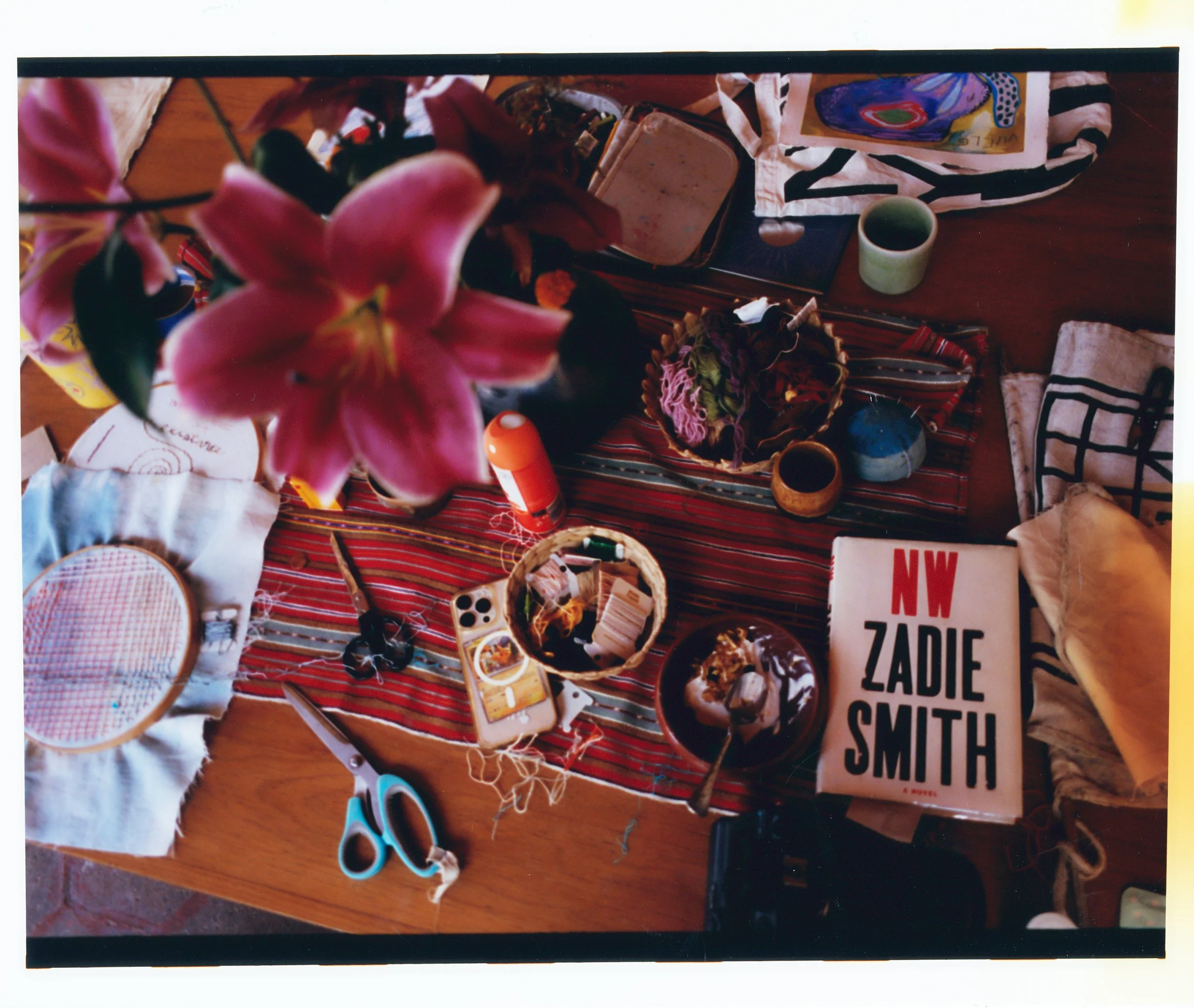
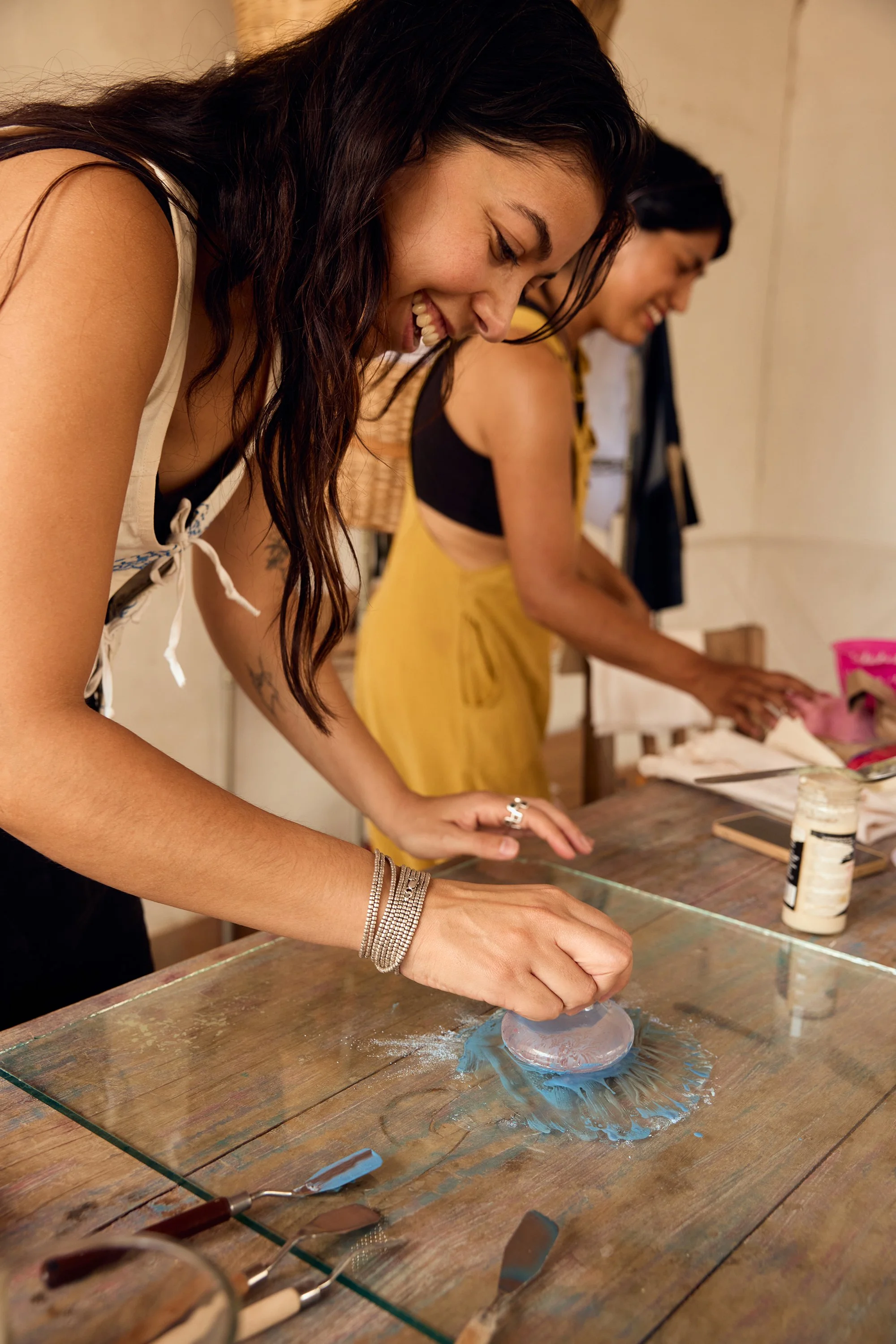
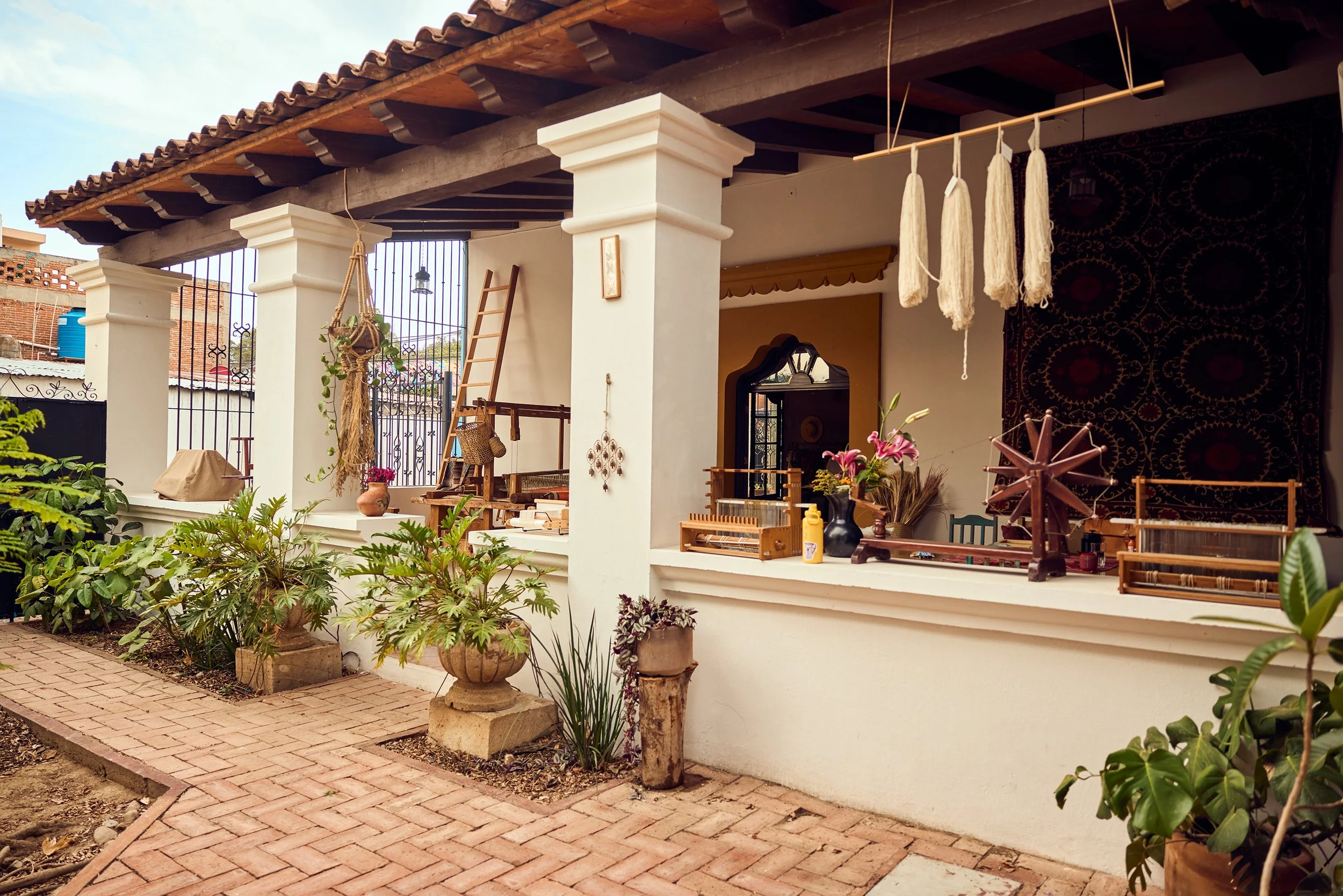
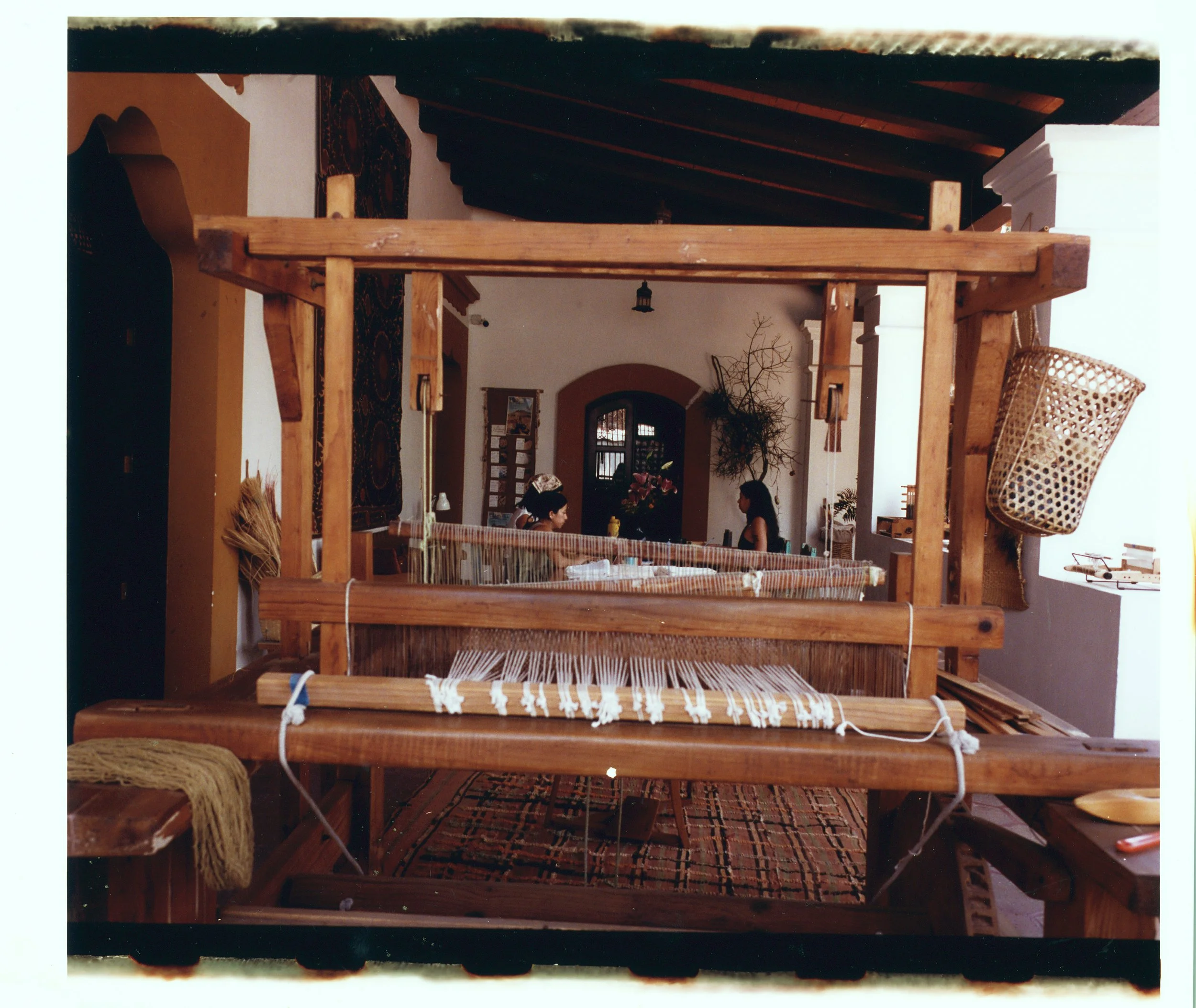
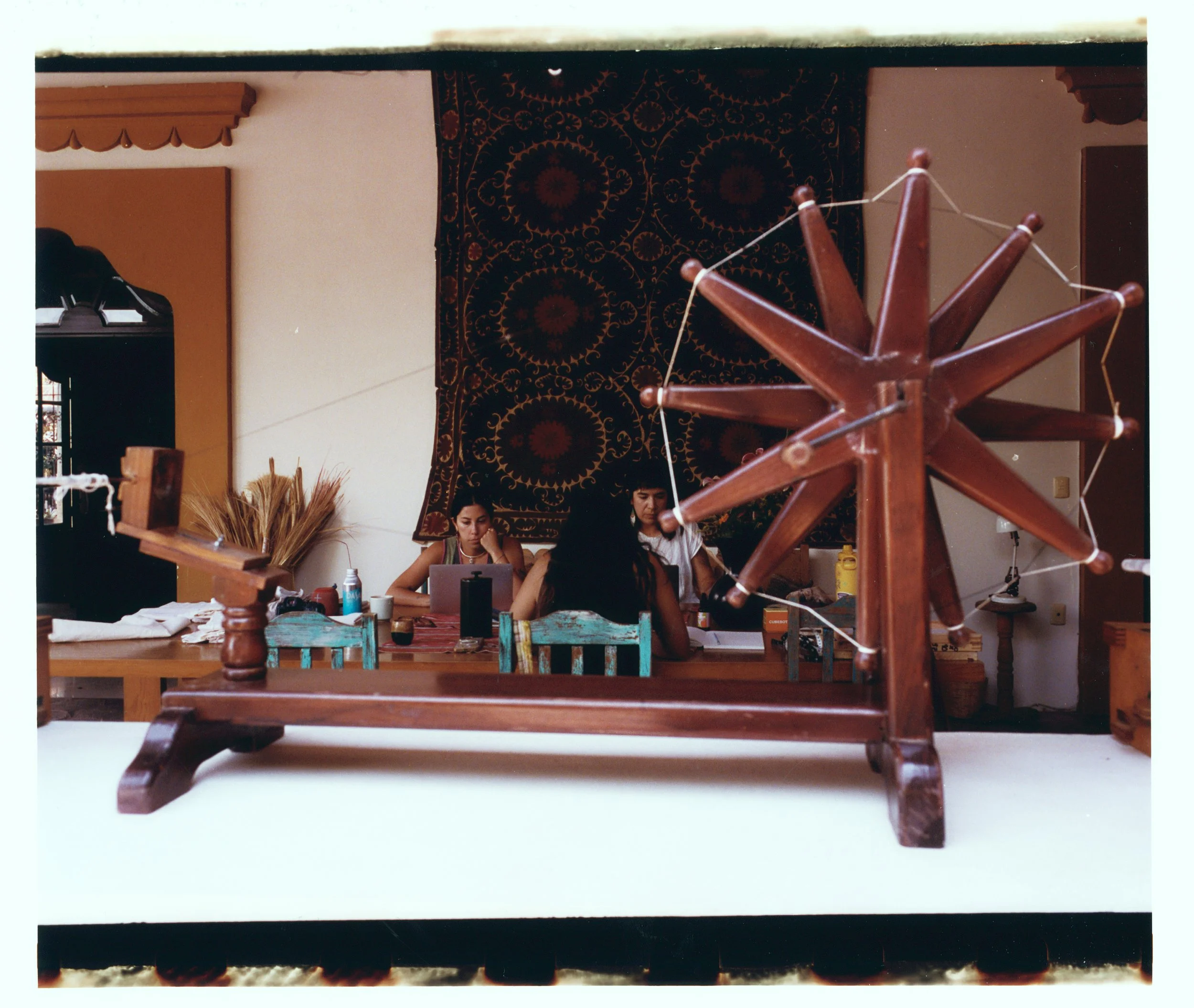
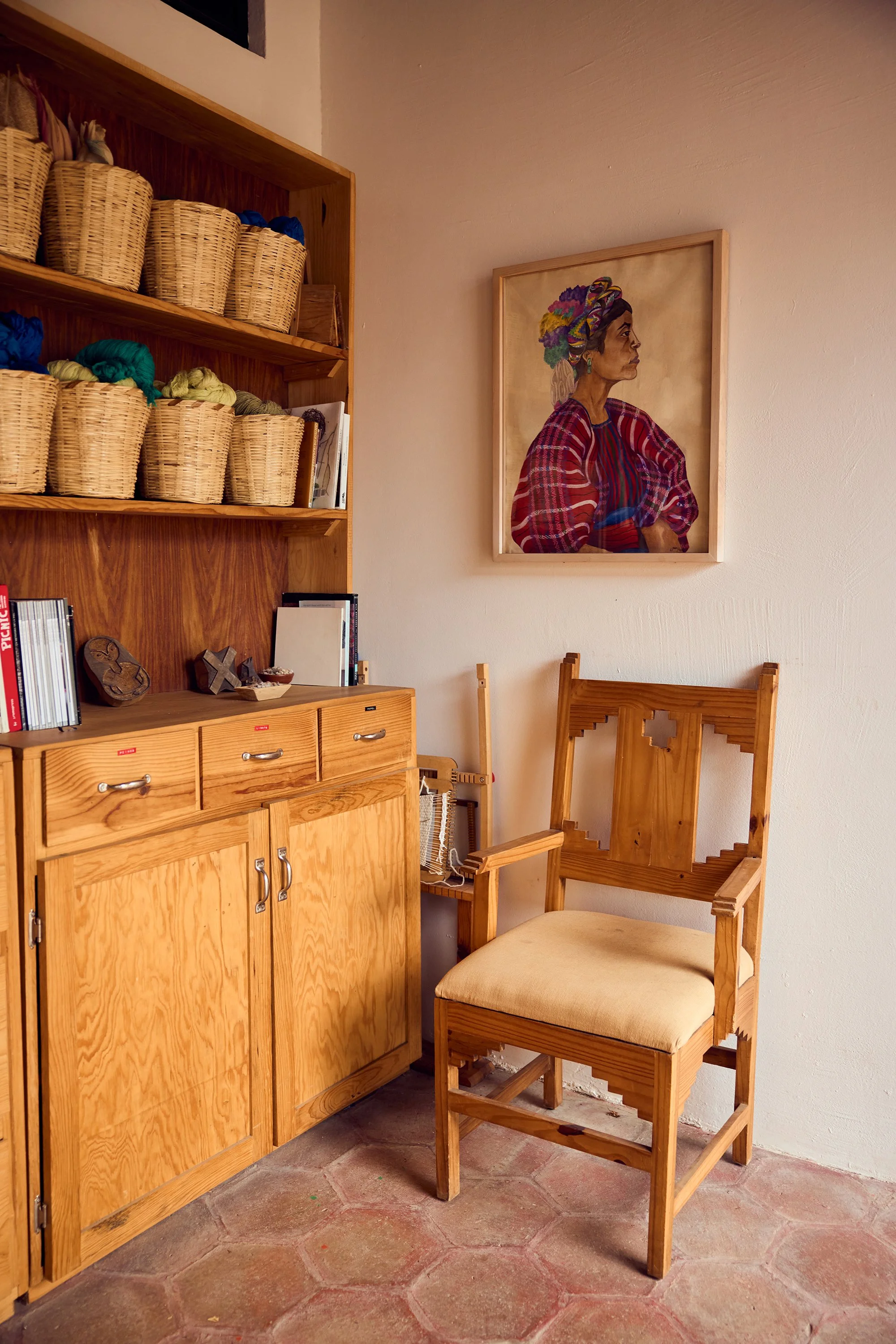
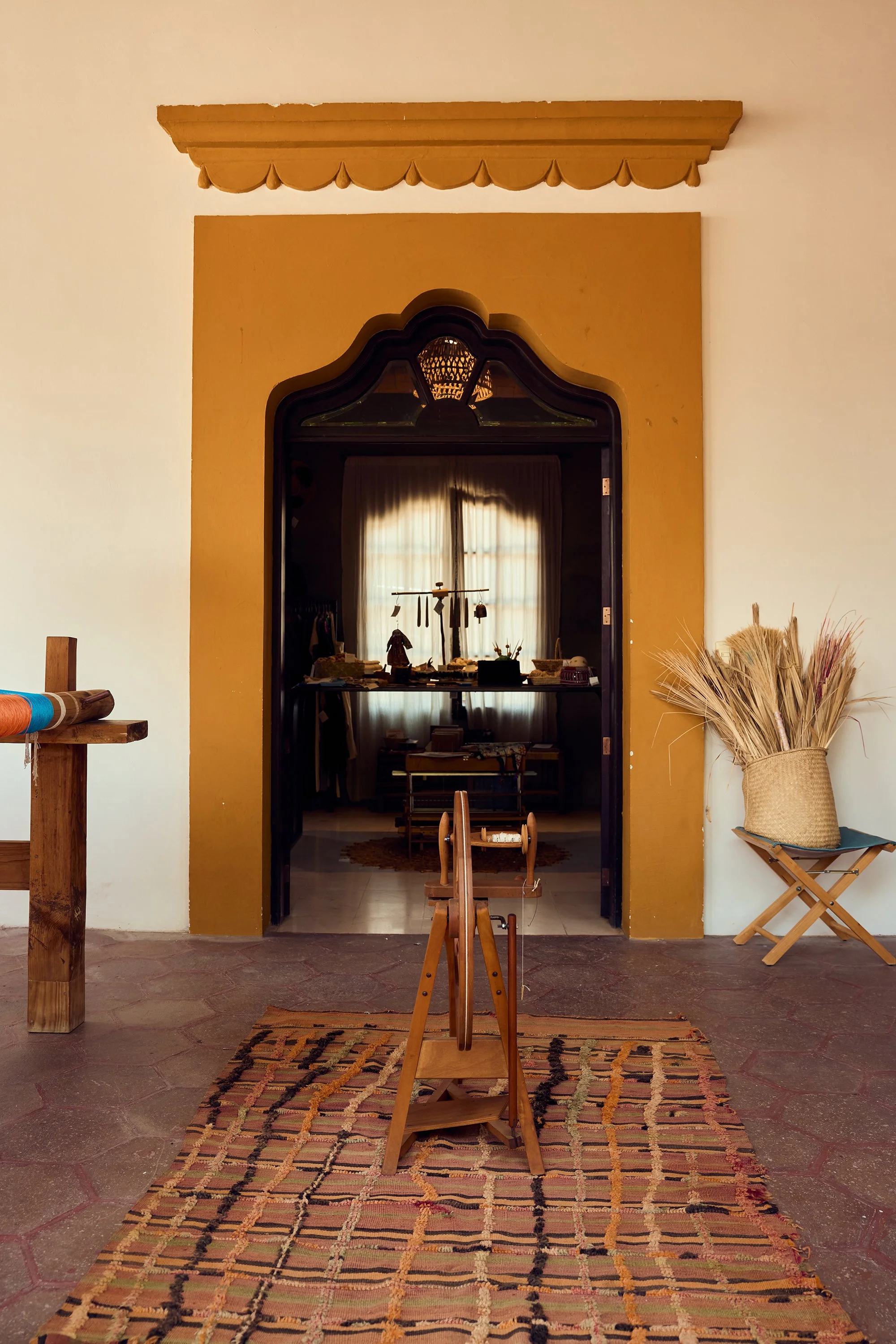
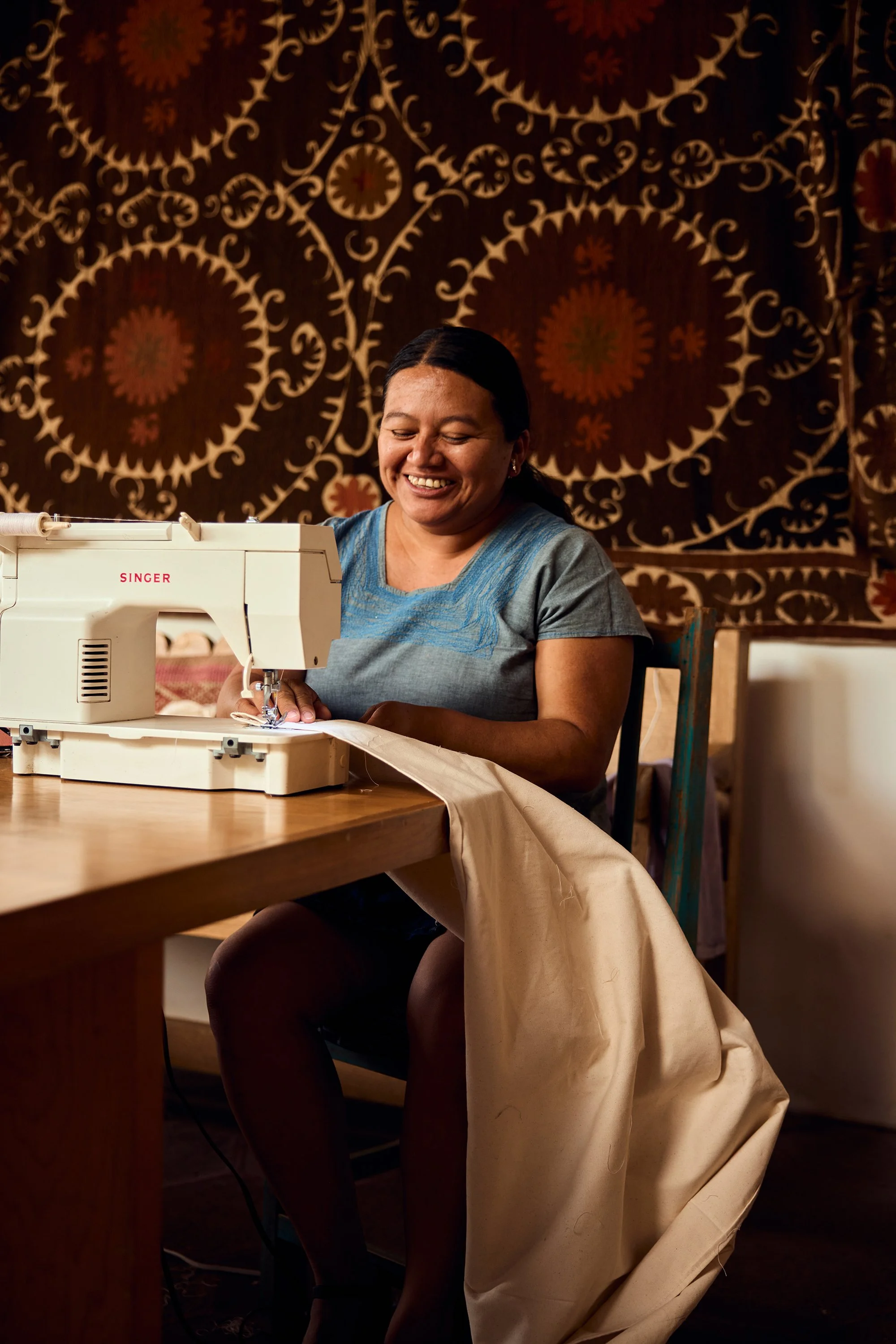
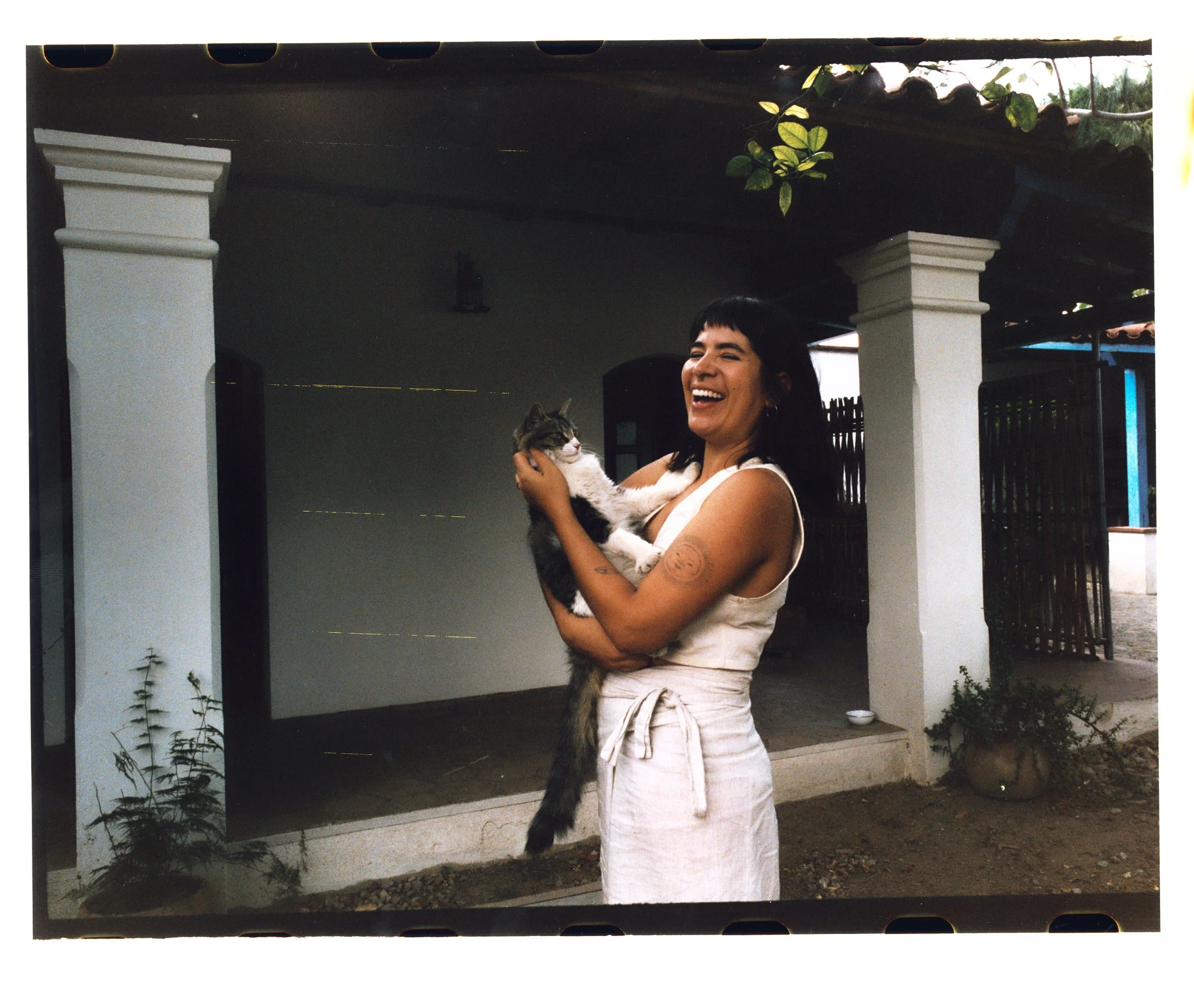
My name is Ana Cris Medina, I'm originally from Veracruz, Mexico, but now based in Oaxaca. We started Texere four years ago with my friend Caitlin Garcia-Ahern, who is the founder of Thread Caravan. Within this home, Texere has three main areas: the residency, where people can apply through the site and come stay at the house to work on a project. The shared co-working space, where we open our doors to the community and give access to our looms, sewing machines, books, threads, and workshops — and where artists and artisans connect and all the knowledge comes together. And finally, the shop, filled with hand-selected treasures Caitlin brings back from her trips around the world with Thread Caravan. It feels a bit like a textile museum — half raw material for residents to play with, half finished product.
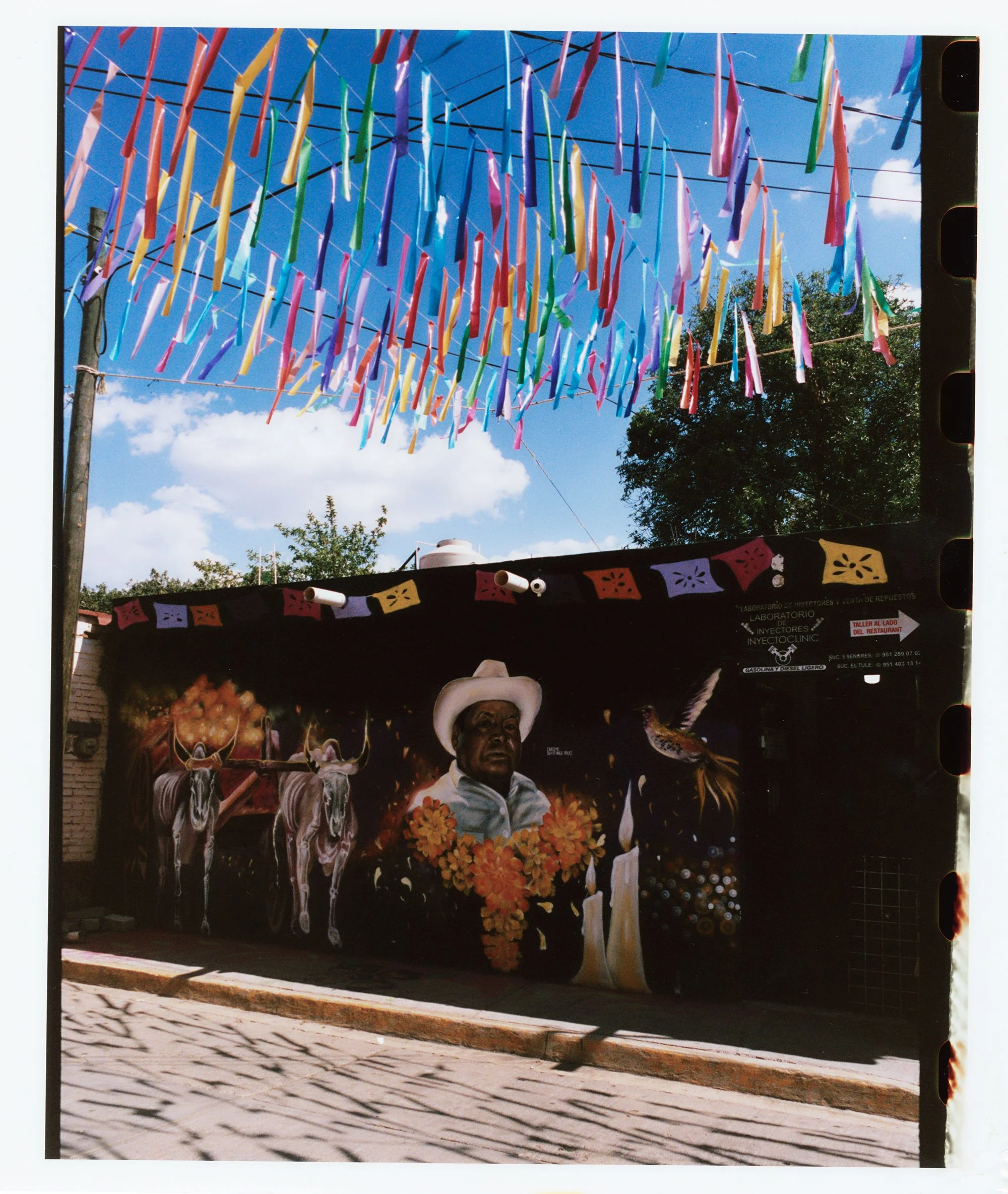
When walking through Oaxaca, ancestral knowledge feels inseparable from daily life. It’s in the food, the indigenous languages still spoken on the streets, the enduring craft traditions. How has the pulse of Oaxaca shaped Texere?
From the moment you arrive in Oaxaca, just by eating or walking, you are already absorbing the artisanal landscape of this place. The textile community is the heart of it — but what's beautiful is how all the different craft practices support each other. In Palenque for example, where they make mezcal, they use ceramic pots from a specific community of artisans they've worked with forever. The fermentation is covered with petates — traditional woven palm mats. In just one process, many crafts come together. And these are not crafts made for tourists. People here actually use them in their everyday life. They are proud of them. Texere became a physical space where we could bridge all of these connections.
So many craft practices here — particularly textiles — feel viscerally connected to the land itself. How does this intimate relationship to nature shape the work?
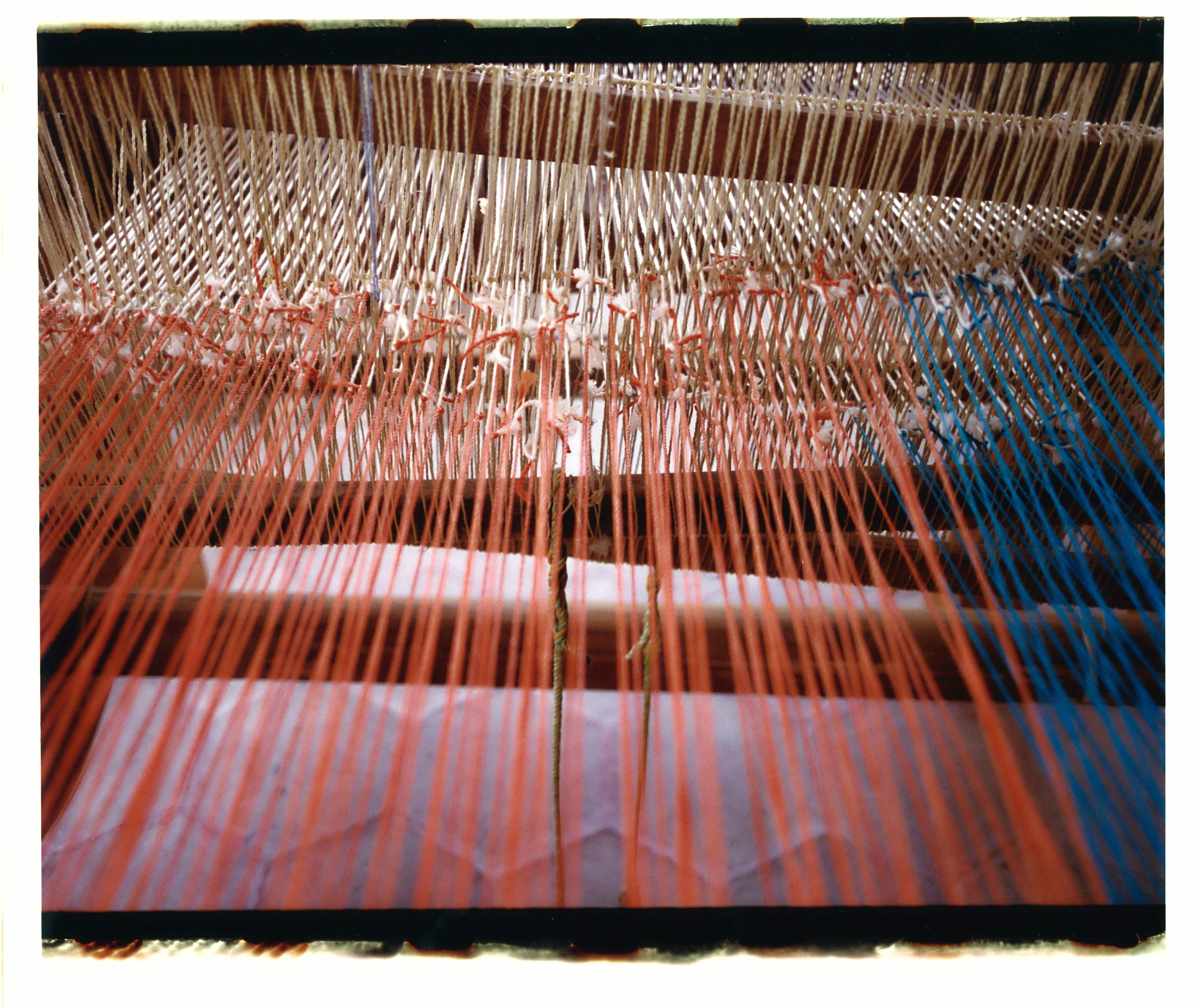
When you live in a place, you become part of its territory. It took me years to truly understand this. There is a map in the Oaxacan Textile Museum made by Alejandro de Avila that connects three things: language, biodiversity of plant fibers, and textiles. Just in the state of Oaxaca, there are 16 distinct indigenous languages spoken. As you move across the map from the coast to the Sierra Norte, you can see how deeply intertwined these three are. If one shifts, the other two shift with it. Everything goes back to land.
It seems like craft here is almost a reflection of livelihood. Would you agree?
Yes, craft here is so much more than just economics. There is a village in Mexico called Santa María Ixcatlán where the women never stop weaving — so they measure time by their work. They know, for instance, that it takes five hats to walk to the next town. The material stops being just a source of income. It becomes a form of measurement, a language, a way of keeping time.

Residents visit from all over the world, often without any roots to Oaxaca. How do you help them access some of this wisdom that’s so embedded in place?
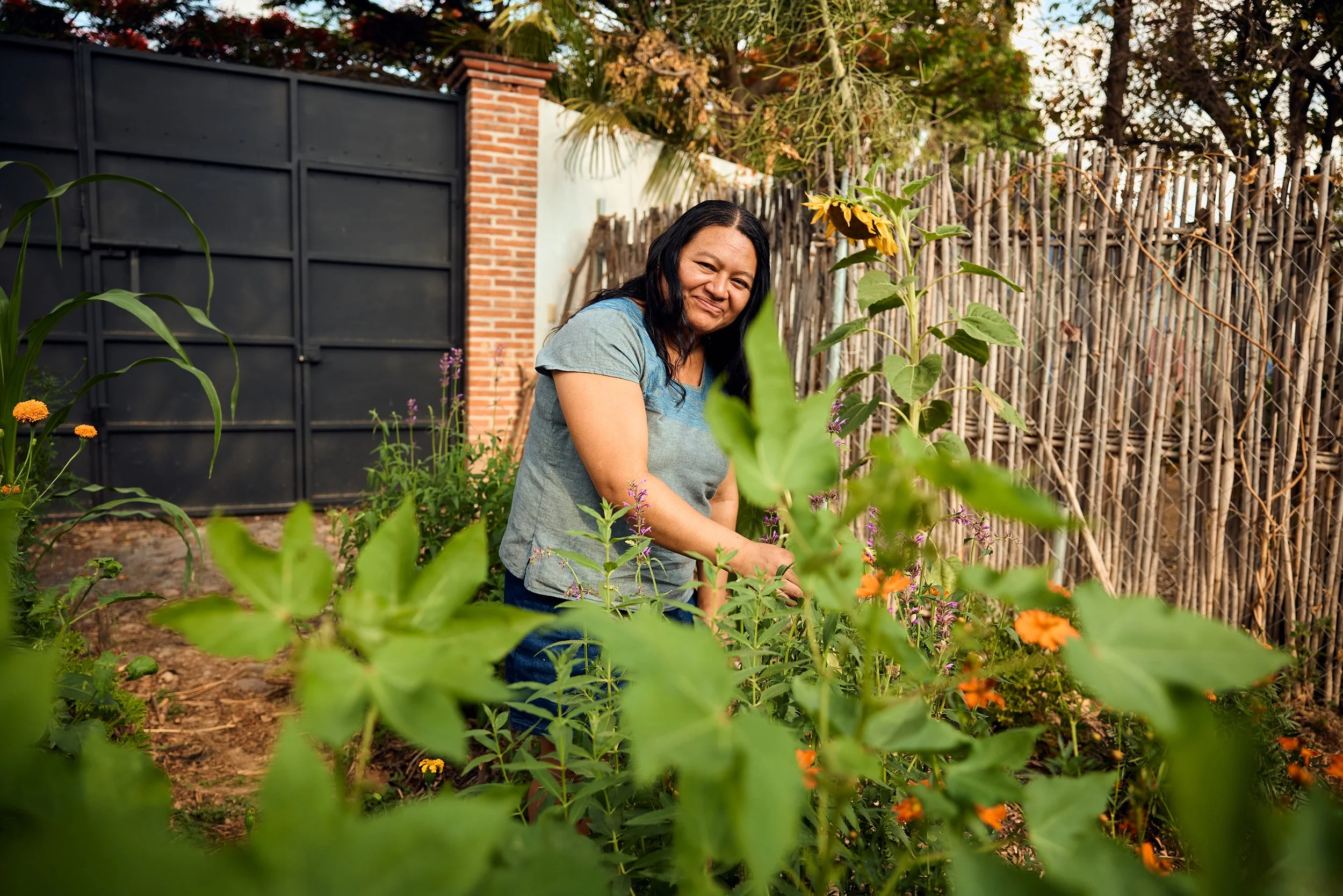
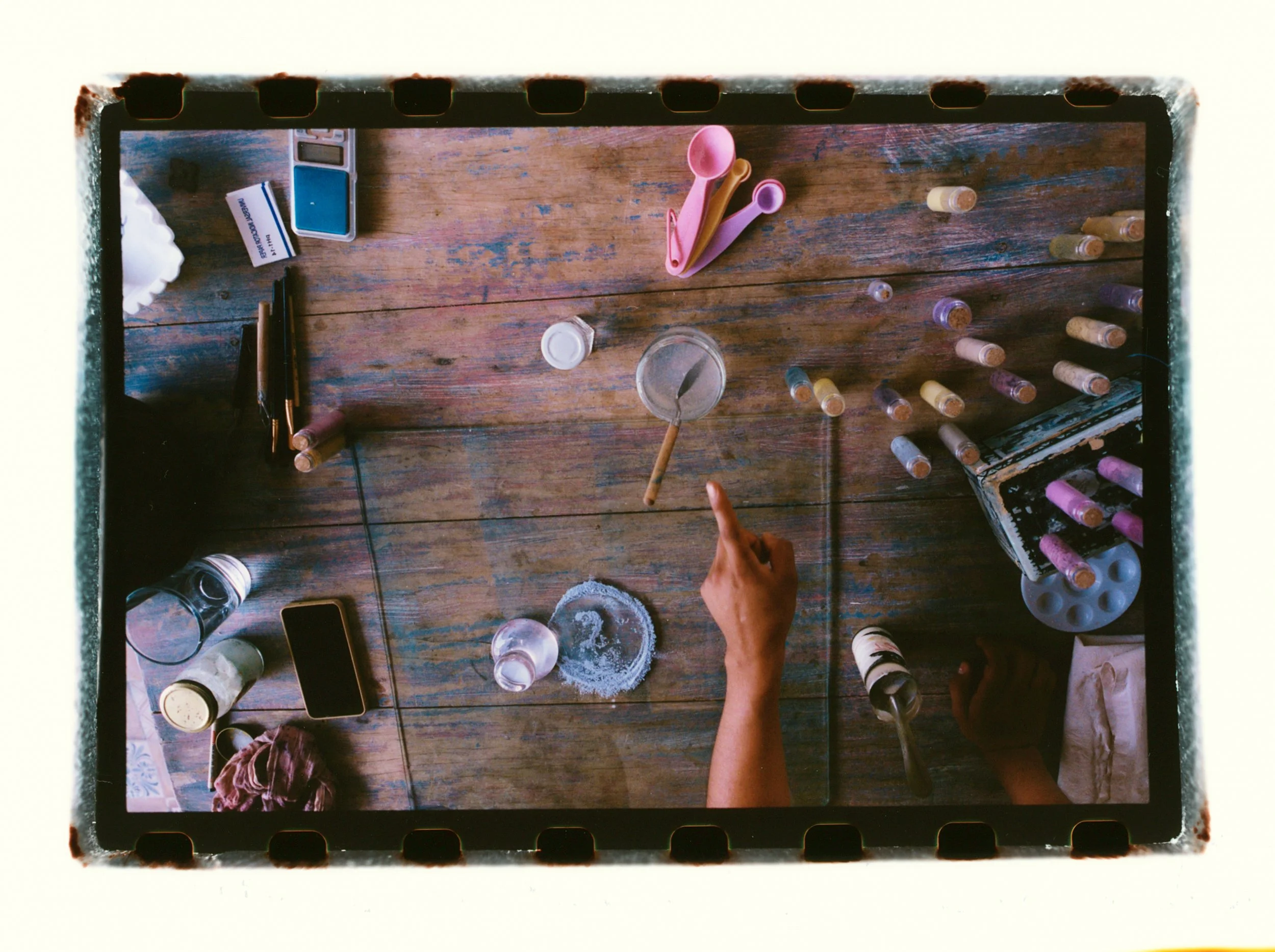
A lot of the native languages here in Oaxaca talk about the material in the third person. When we talk about cochineal or indigo, for example, they consider the material a living thing. The people here are so connected to the materials that they often don’t even need to measure. Laura, a Oaxacan artisan who works with us, comes from a long family of weavers. Her mom doesn’t count threads, she just touches and knows. This wisdom is impossible to put into words. But when the residents are learning from the artisans, like Laura, they witness that ability to let go and trust the material. Something shifts.
You recently transformed a parking lot into a textile garden. Can you tell me a little bit about this?
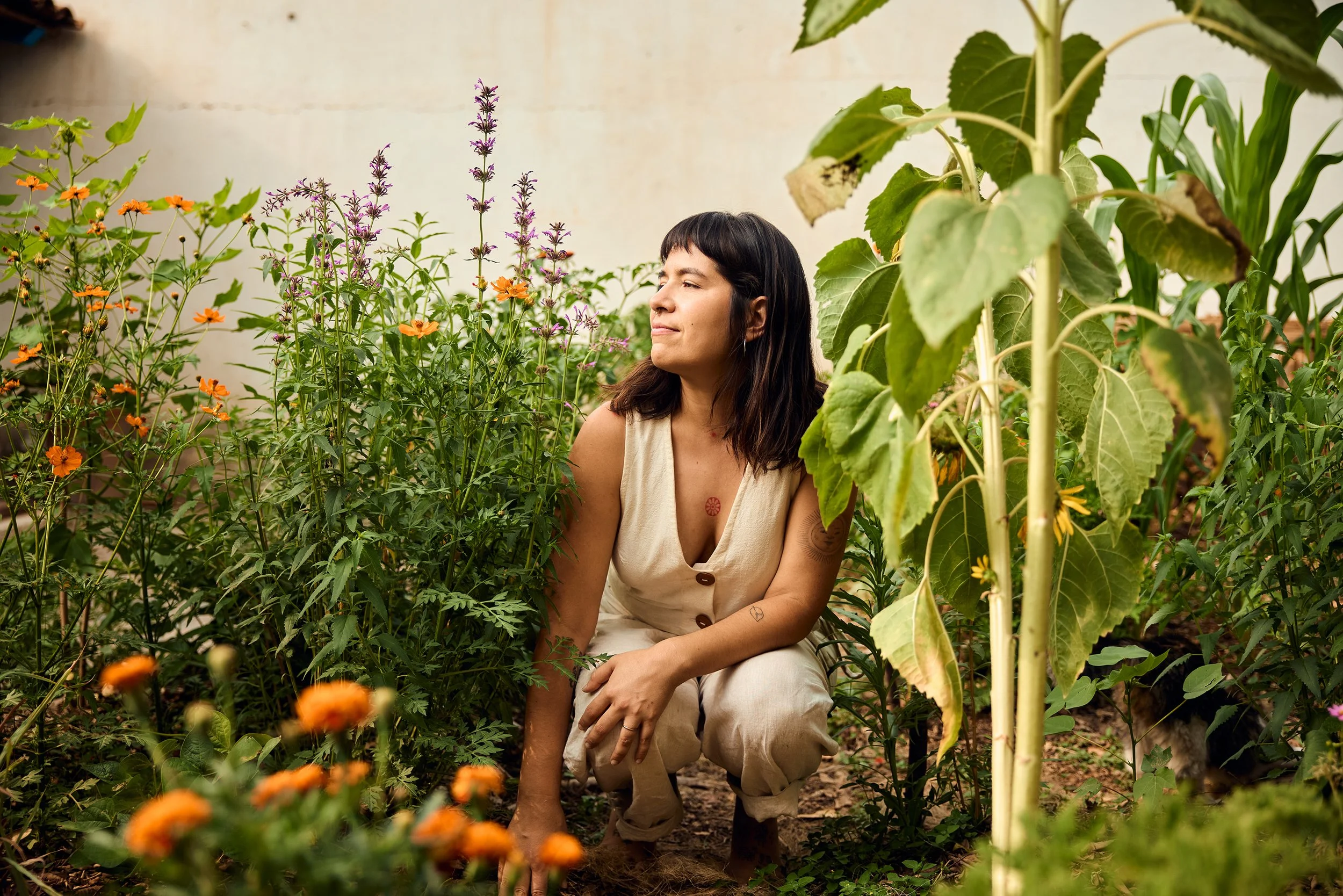
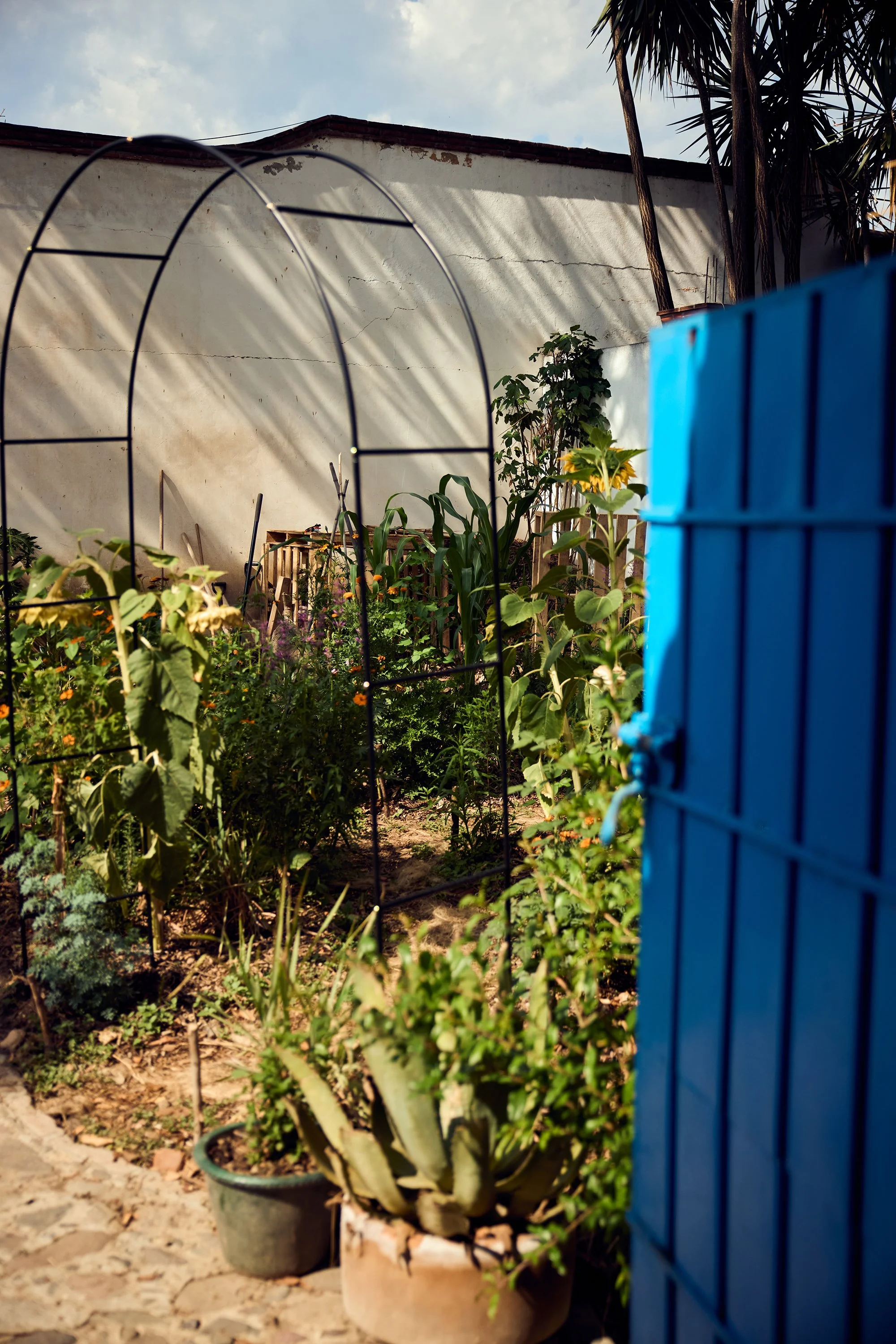
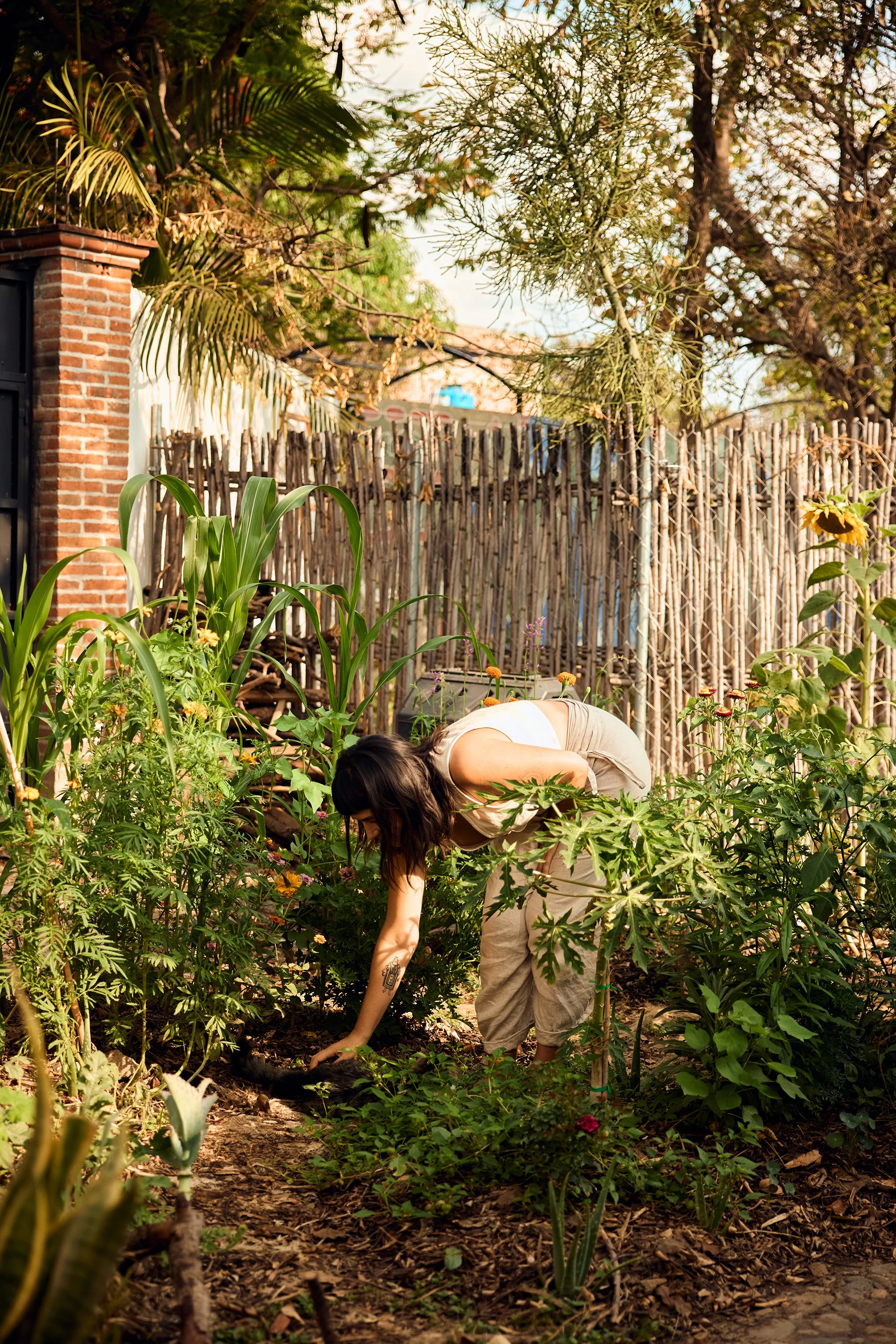
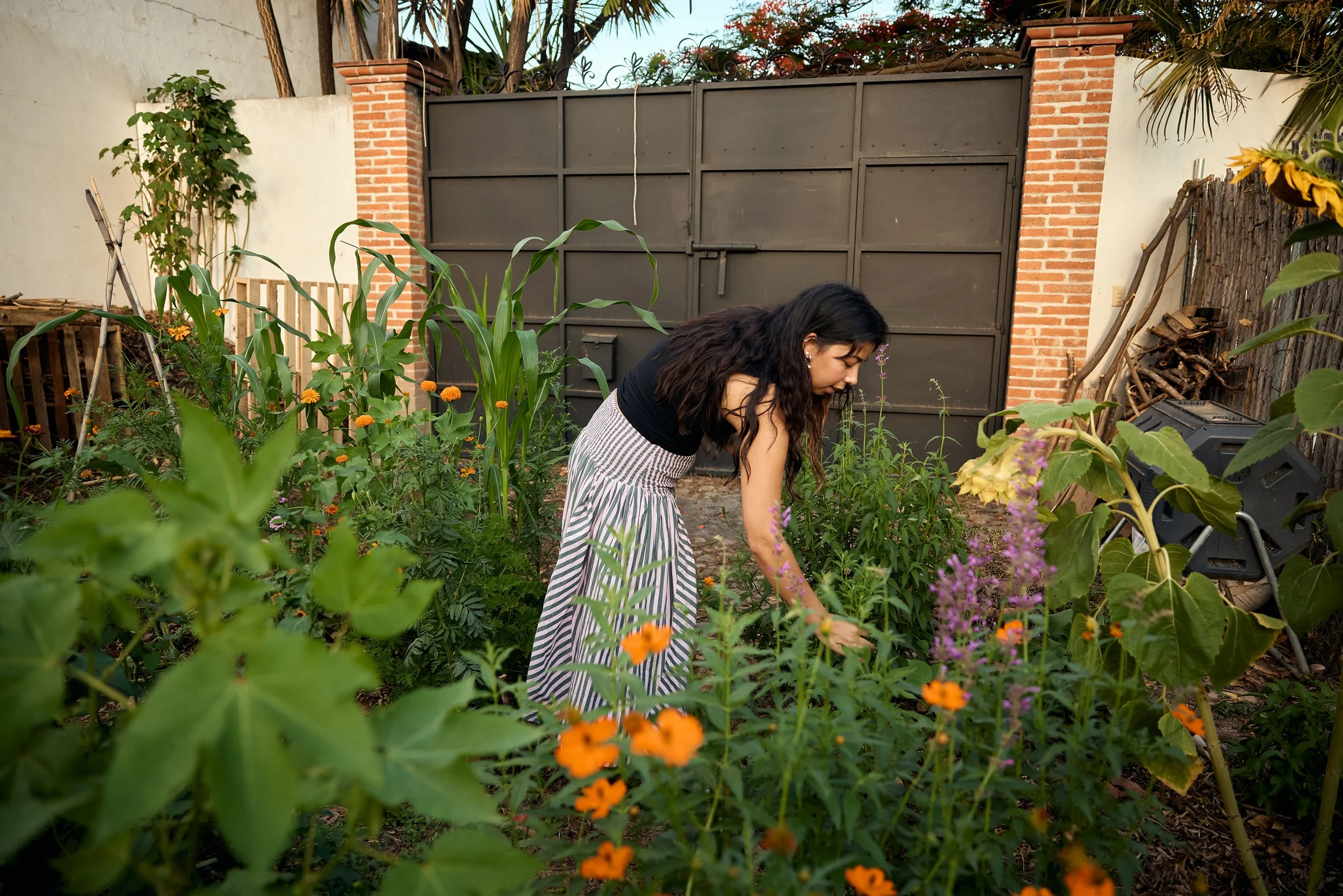
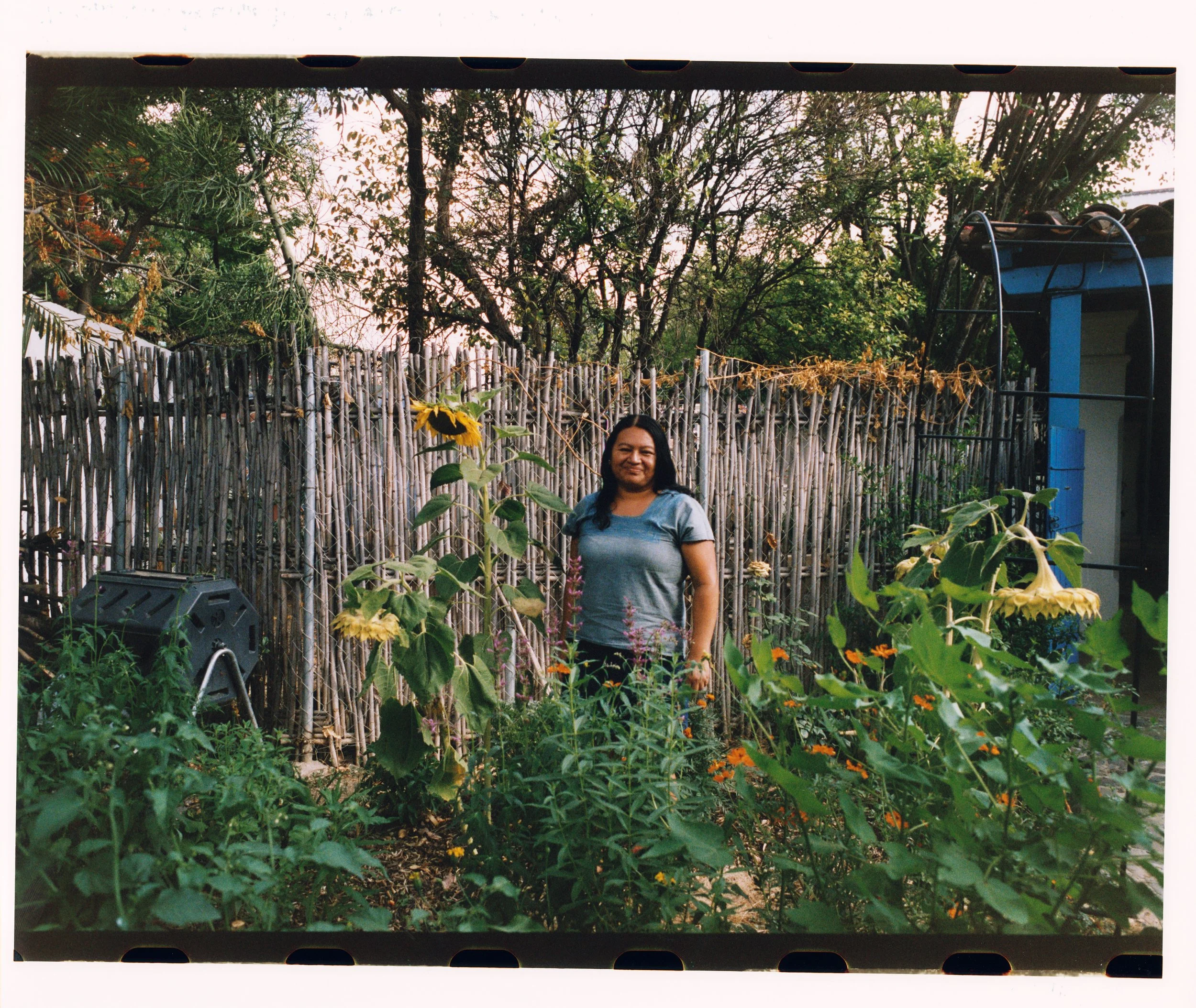
I really wanted to have full access to the entire textile process — to harvest, spin, dye, and weave our own fibers. We started with cotton. But a garden quickly teaches you to let go of control. Instead of pushing for a full textile garden, we went with a syntropic approach — where everything we grow supports each other, mimicking a natural ecosystem. In Oaxaca, the dry season is brutal, and this method helps the land retain water. So yes, it's a textile garden. But it's also a medicine garden, an aromatic garden, and an edible garden.
Has the presence of the garden affected the creation process at all?
The garden has become the heart of the home. Whenever we host a workshop or a resident, being able to harvest the material changes everything. There are people who have never seen a cotton plant — even though cotton is everywhere. The garden awakens something in them. It makes it land. There's also a slow rhythm inherent to gardening that carries into the work itself. The best part is that it used to be a parking lot. Now it's full of life. There are new insects, new birds, and a whole new lineup of pollinators.
You mentioned that natural dyes are the purest expression of a territory. Can you expand?
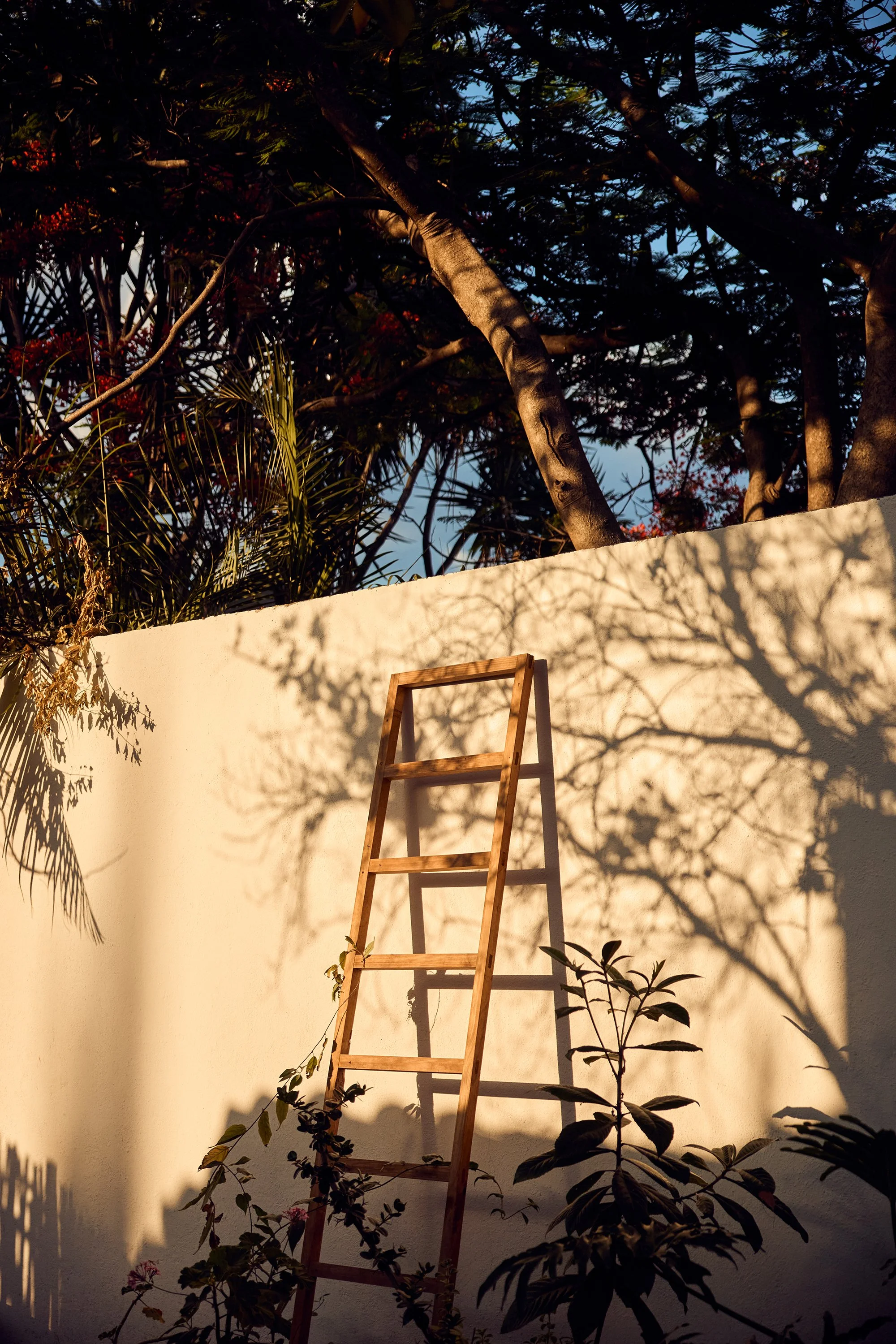
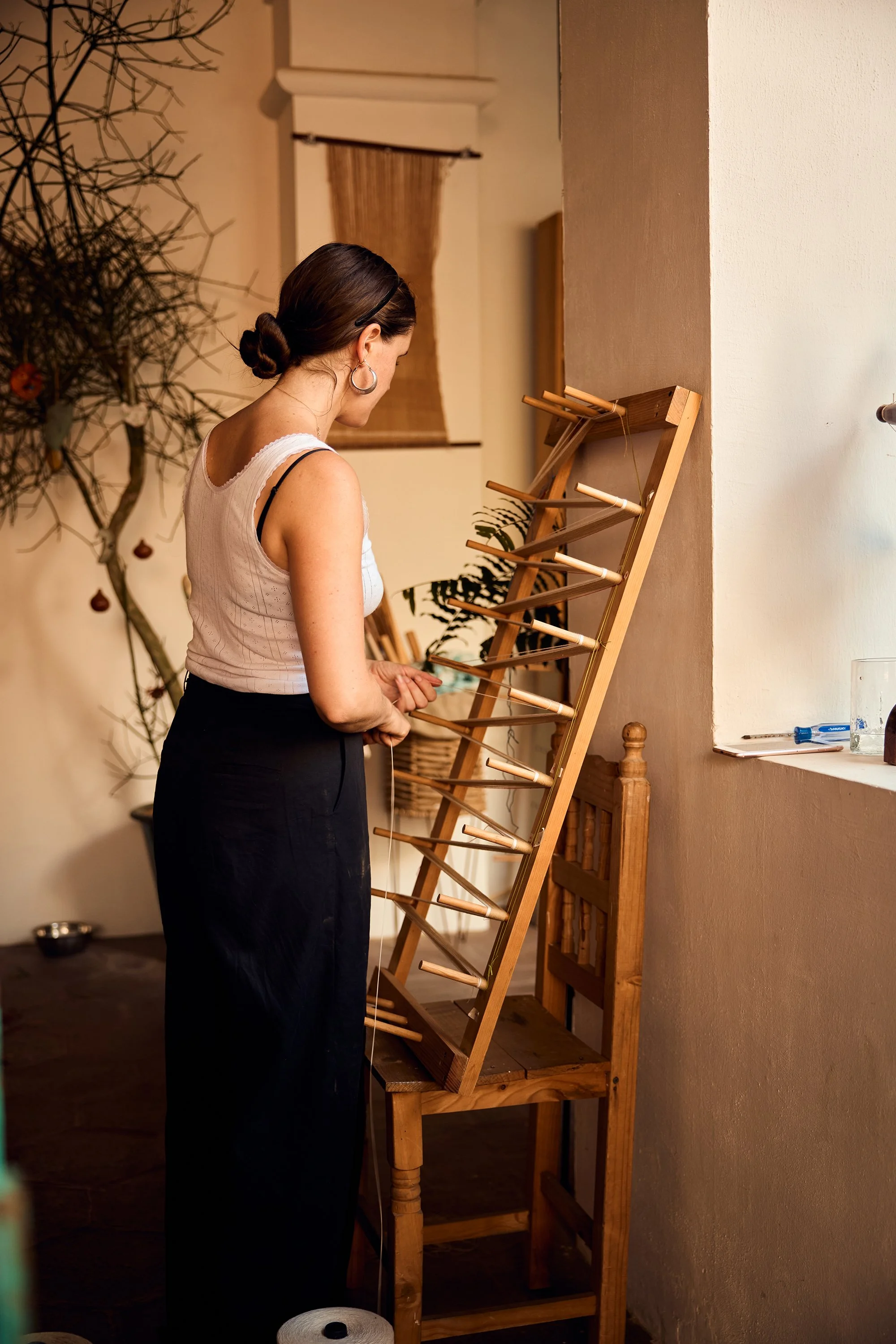
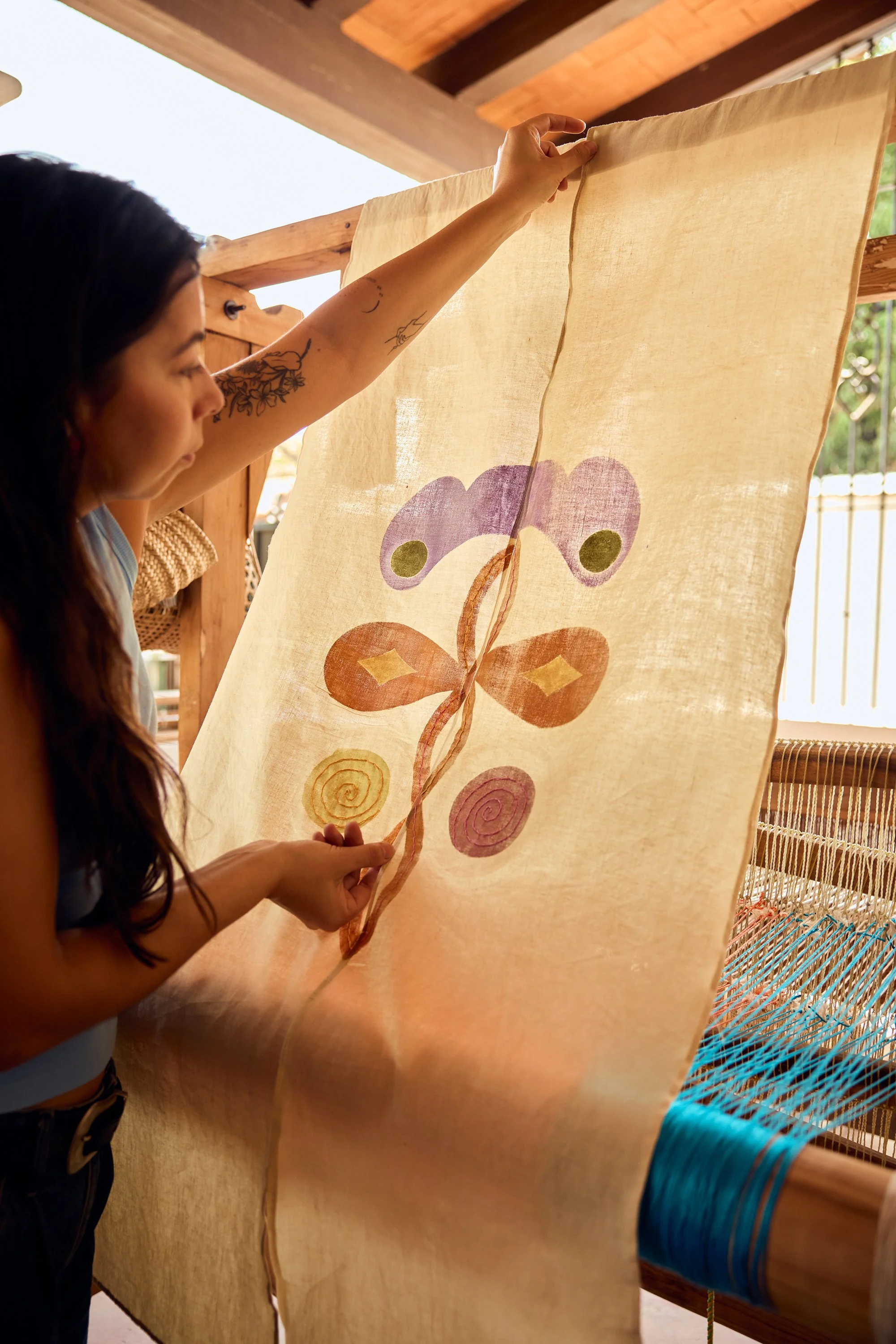
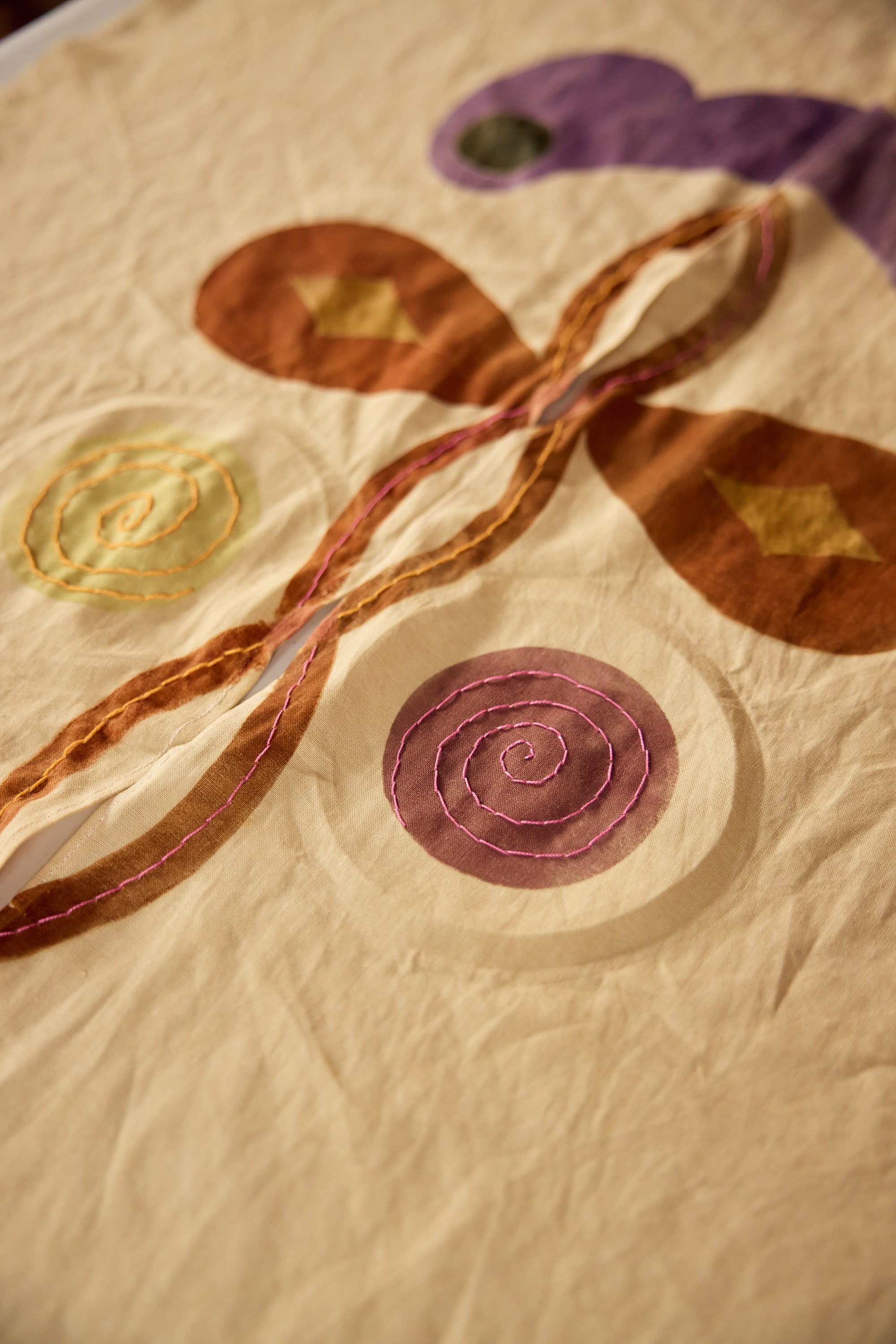
Each region of Oaxaca has its own flora and fauna, and therefore its own colors. Each season brings different plants, different insects, different barks. The land is constantly changing what it offers. Many artists can't travel with raw material. But they can carry a naturally dyed textile. It becomes almost like a photograph — a way of materializing a place and taking it with you.
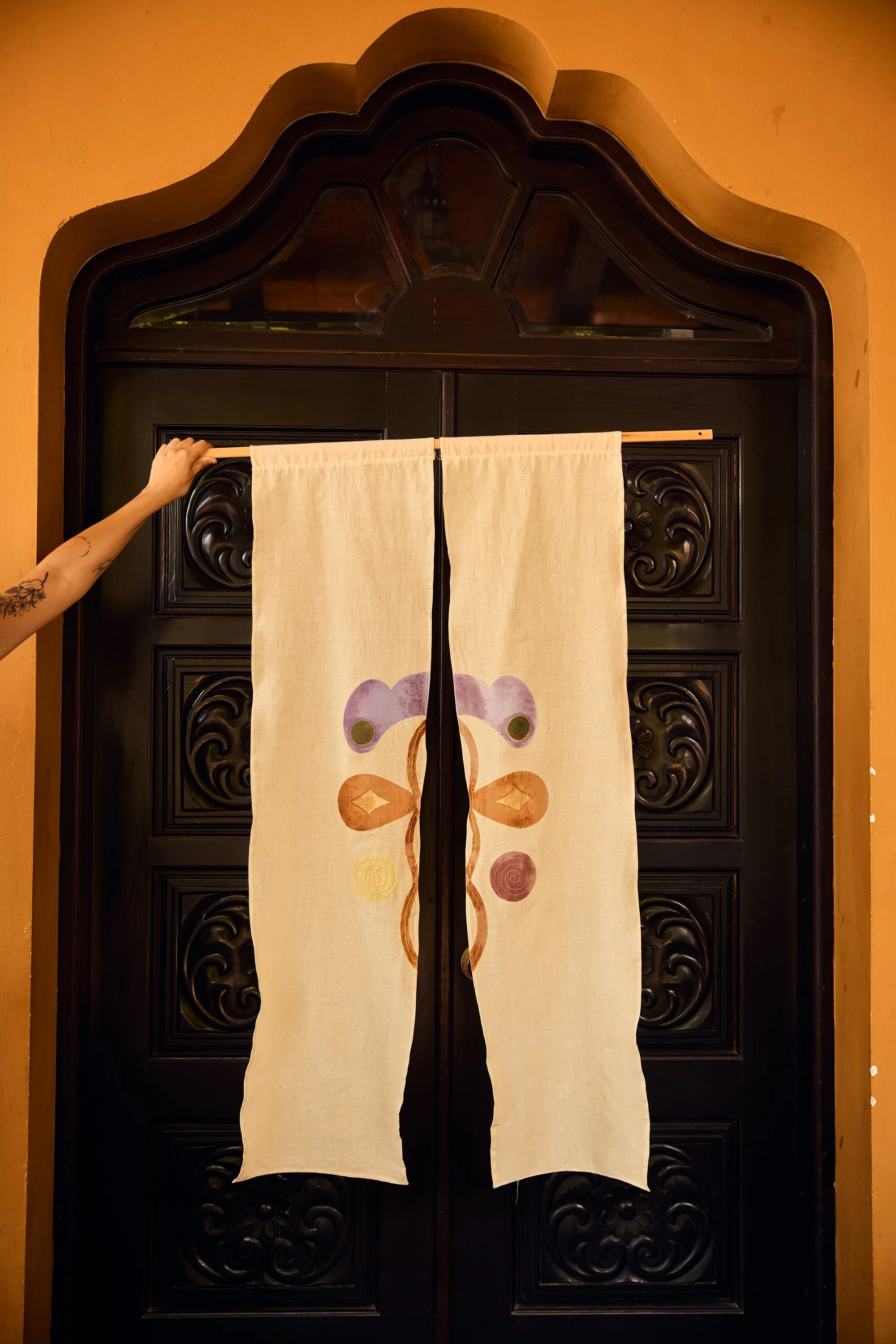
You are weaving fibers — but also a beautiful network of people. How do you ensure this exchange is reciprocal, for both residents and local artisans?
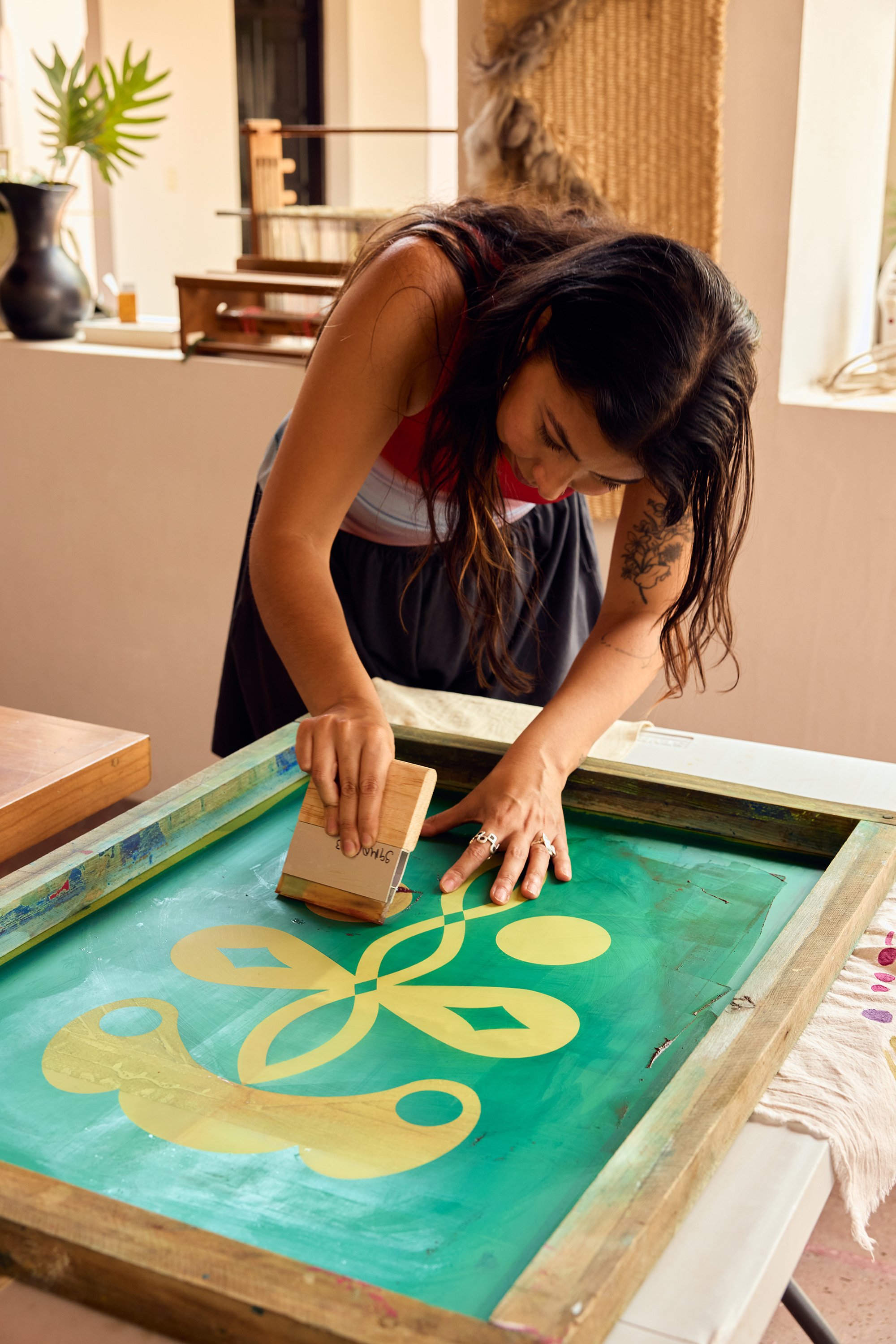
It's hard to measure. But over time I've seen a genuine impact on both sides. Many residents tell us they don't have a community at home, and being here helps them find that again. When artisans keep wanting to work with us, that's when we know it's working. Laura weaves in the Yalalag tradition from Sierra Norte. She learned to weave out of necessity, not by choice. But working with people who deeply value it has given that value back to her. Residents push her to experiment. She is still doing her traditional weaving, but her world has expanded. Her only son is going to study music, so the family tradition will end with him. But because she has taught so many people, she believes it will live on. She keeps a world map of everyone she has ever taught to remember this.
Textiles only answer to slow, handmade processes. In a world that rewards speed and convenience above all else, why is sustaining these practices an act of resistance?
The process of making a textile is deeply meditative. If you try to rush it, it won't work. All it asks is a moment to connect — with yourself and with the material. That has been very healing for me. Textiles are also about care and domestic life. They are made mostly by women, and have never received the visibility or praise of other art forms. Mending, sewing, knitting, weaving — these are profound practices. In a way, textiles are an extension of the body itself. A second skin. They carry these slow, invisible traditions that have always been here, long before we were. If we lose them, we risk losing a connection to ourselves. The work we do at Texere is to bring that back into focus.
In your site, you write: “Textiles are one of the first and most powerful languages we speak.” A lot of your residents don’t speak Spanish. How have you seen textiles extend understanding between people, beyond language?
Texere means to weave in Latin. The English word "text" shares the same root. Making textiles is deeply connected to the body. It needs both support and rhythm, so body language is ever-present. You have to read the threads and fine-tune tension and movement as you go. Laura's first language is Zapotec. Many residents come here without any Spanish. But that doesn't really matter, because it all goes back to the body. We make gestures with our hands, we read each other, and a mutual language is created. There are technical terms we don't share, but we share the same tools. When working together, words take a backseat — and the threads become the guide.
When you think about Texere years from now, what legacy do you hope it will leave? Both for those who pass through it and for the local community?
We hope for the essence of Texere to remain. To continue to be a school. To continue to be a space for the community. To continue to be a family. My only wish is to connect even more deeply with the community of Tule, the town where the house is. I want to work with the school and the local people here. It’s very important to us. This will be our next focus.
Founder of Texere - Ana Cris Medina @aaaaaanacris
Founder of Texere - Caitlin Garcia-Ahern @caitlin.garcia.ahern
Photographer - Lauren Alex Kim @laurenalexkim
www.laurenalexkim.com
Writer - Camila Andrea Gonzalez @camiigonzalez
www.camilacamila.substack.com