
The Art of Slow Living
A Conversation with Feldspar
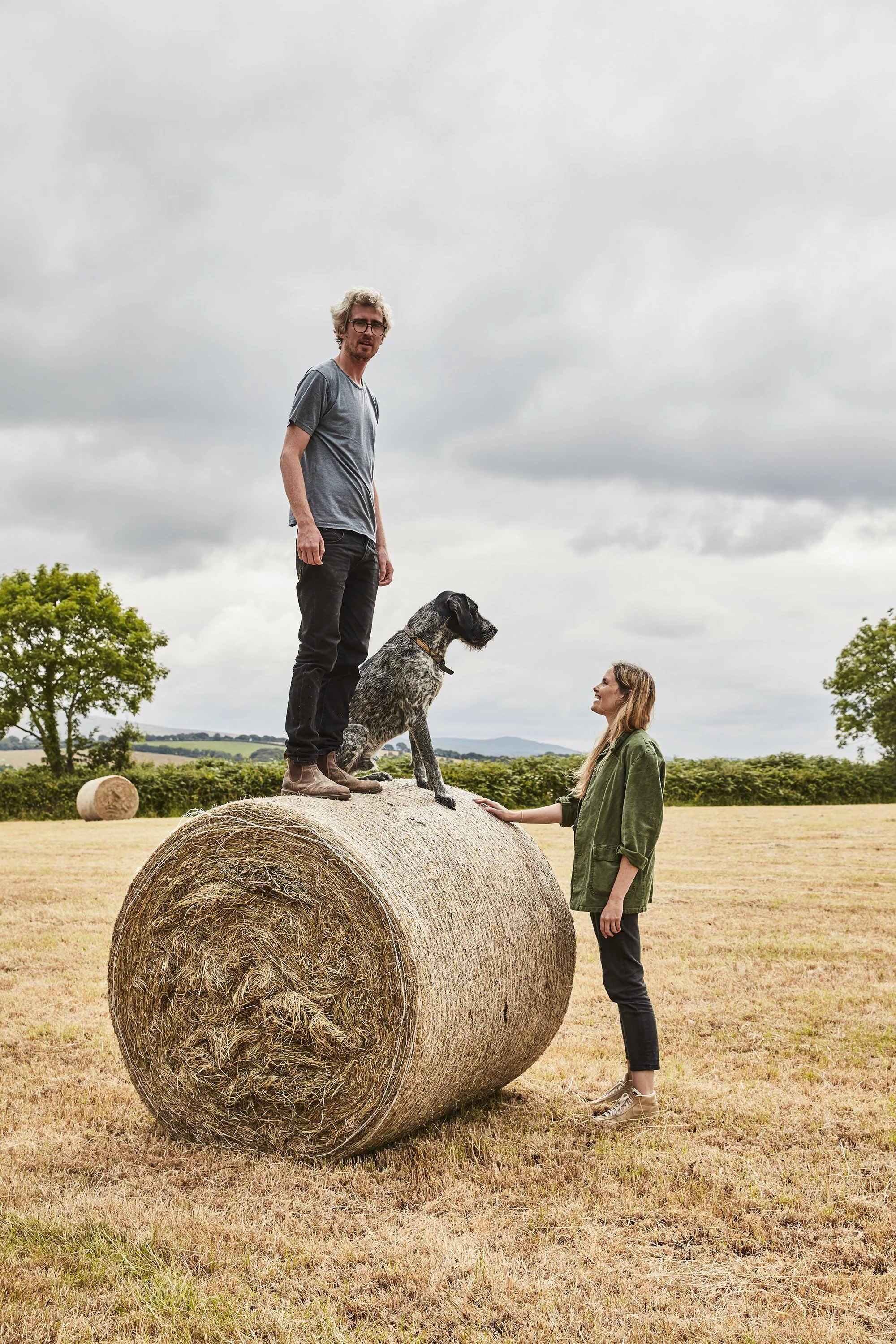
In the heart of the Devon countryside, where the rhythm of life is dictated by the seasons and the rugged beauty of Dartmoor, Jeremy and Cath are quietly defying the pace of the modern world. As the founders of Feldspar, they have turned “objects for life” into a philosophy, crafting exquisite fine bone china and woodwork that celebrate the “perfectly imperfect” touch of the human hand. From their remote workshop to the tables of those who cherish timeless design, the duo explores the delicate balance between functional utility and soulful artistry. We sat down with them to discuss the shift from London’s frenzy to the wilds of the South West, the preservation of endangered British crafts, and why the “dimples” on a coffee mug might just be the key to a more mindful morning.
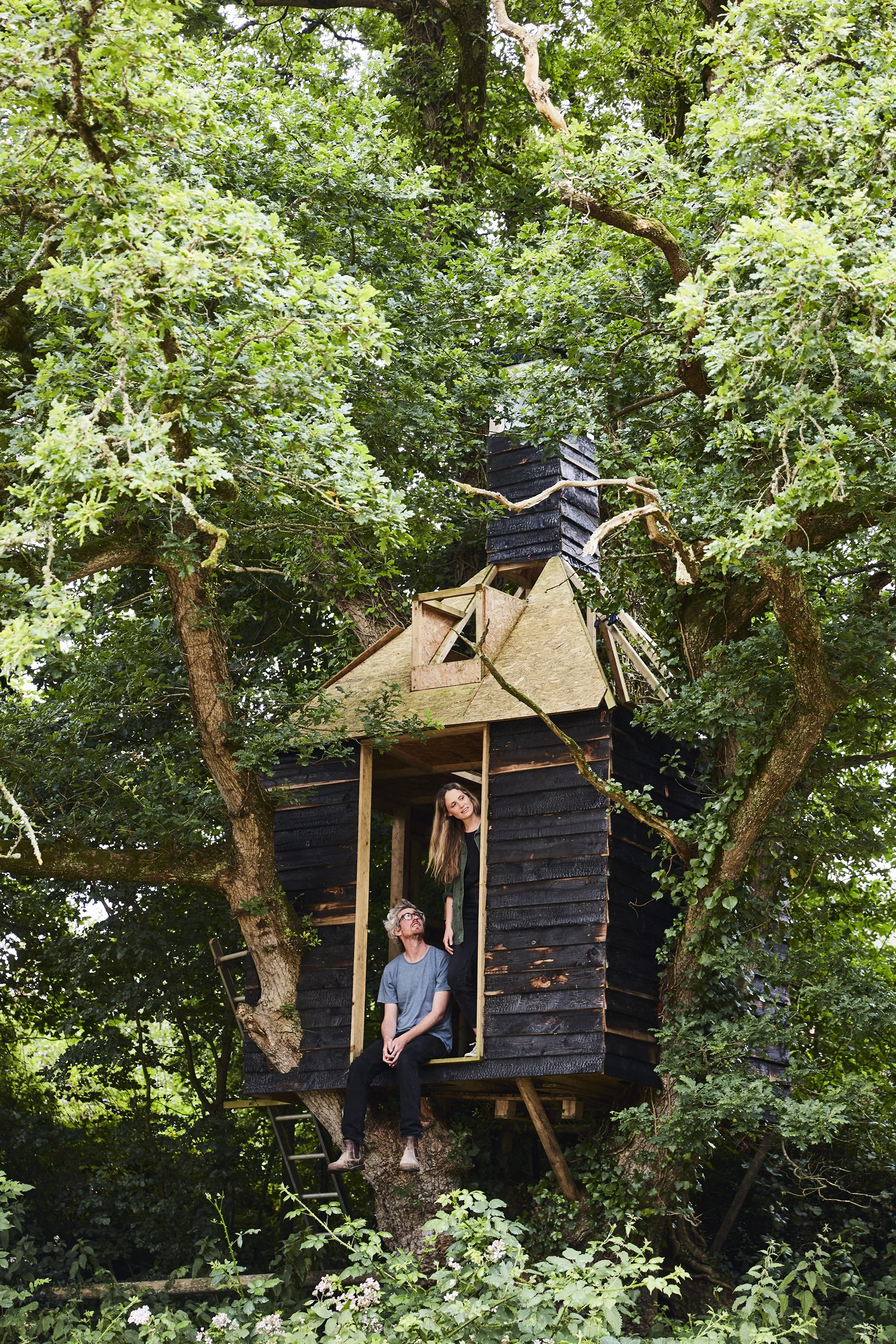
Hello Jeremy & Cath, how are you? Can you tell us a bit about yourself, who you are, where you’re based, and what you do?
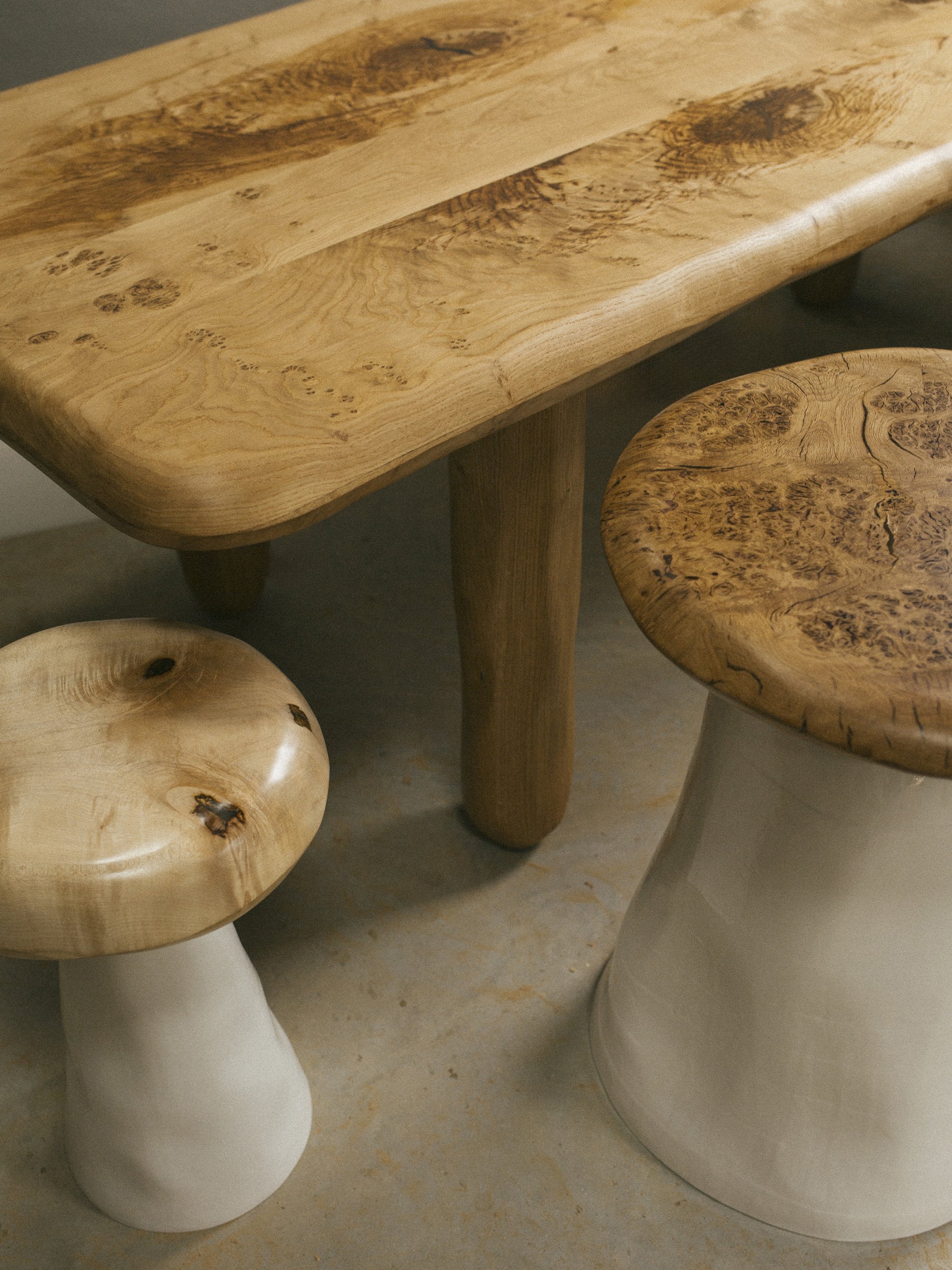
C - Hello! We are based in Devon, at the South West of the UK - we're surrounded by moorland and farmland, and we have a workshop here where we design and make all our Feldspar wares, mostly using fine bone china but also from storm felled native timber.
You traded the pace of London for the wilds of Dartmoor nearly a decade ago. How did this shift in geography alter your perception of time, and how does that “slower” rhythm manifest in the way you design today?
C - It helps in many ways - having the quiet and the space to be able to be creative. Both physical space and mental space - here we feel less bombarded by stuff and busy-ness. Our lives here are necessarily dictated by the seasons too in a way that you can easily ignore in the city - we live very differently when it’s warm enough that we can do everything outside, and that naturally informs what we design too.
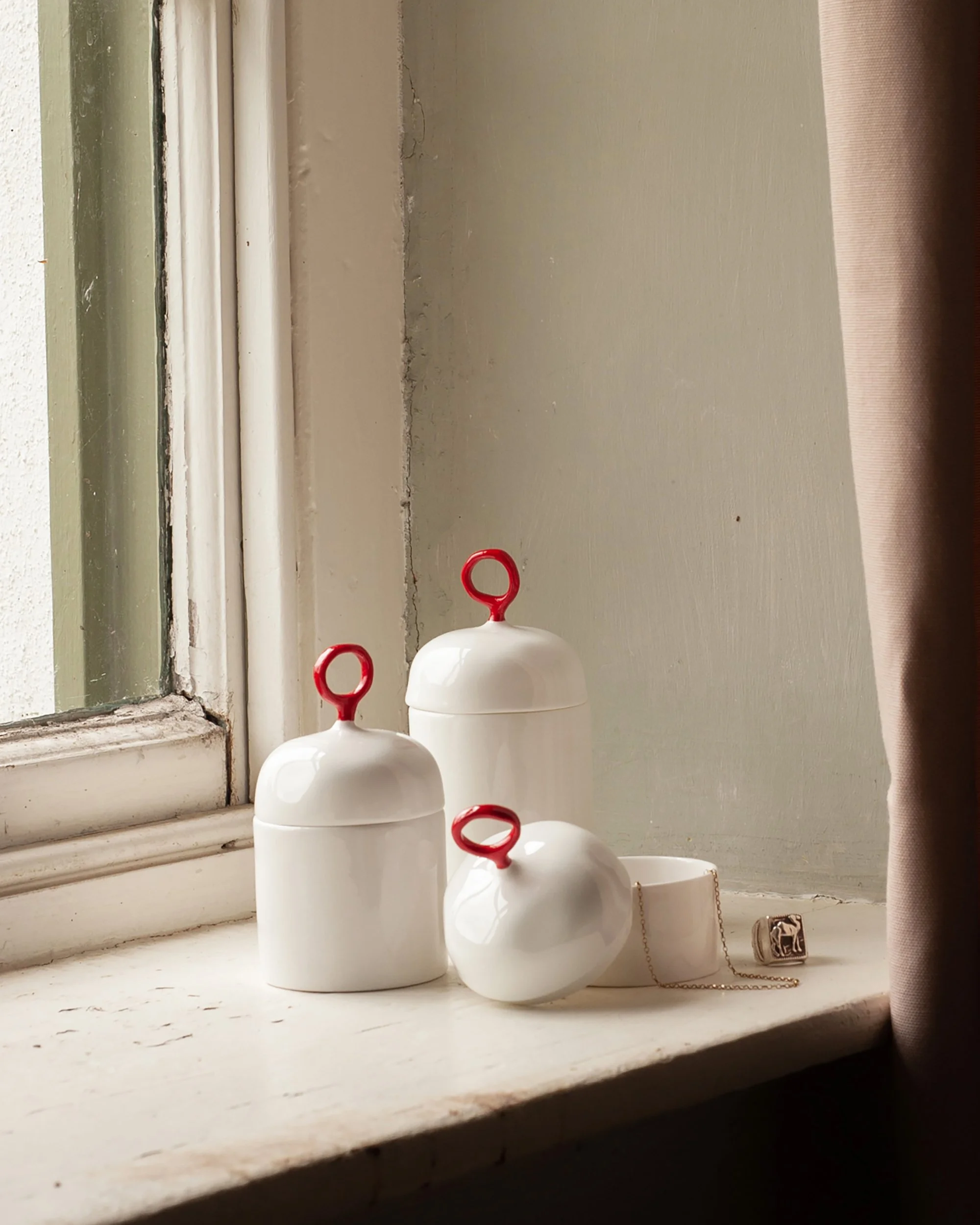
“Objects for life” in a world dominated by transient trends, what are the essential qualities a physical object must possess to truly earn a permanent place in someone’s home?
J - For us everything must be functional - work perfectly at what it is made to do, and also be beautiful to look at. Our wares are elegant but very minimal, so they can sit within any interiors and weather the trends of time.
You’ve mentioned embracing subtle slip trails and “wonky” profiles that reflect the human hand. Why is it important for you to maintain these “fingerprints” of the maker rather than striving for industrial perfection?
C - We think it is so important not to loose connection with the makers - it is too easy to buy things cheaply these days and be completely removed from the idea that someone actually made it with their own two hands. We want to keep that connection - this is why we hand-paint everything too, so no two wares are ever exactly the same.
Working with fine bone china in the UK could be now considered a “critically endangered” craft. What draws you to this specific medium, and what do you feel is lost when these traditional manufacturing skills disappear from a landscape?
J - It is indeed listed as a ‘critically endangered’ craft here in the UK - so few brands actually create their fine bone china here from start to finish. It’s rare, and special - and we think it’s important to preserve these skills for future generations. We hear a lot about ceramics firms closing here, more and more - and it becomes ever more vital to keep these skills alive.
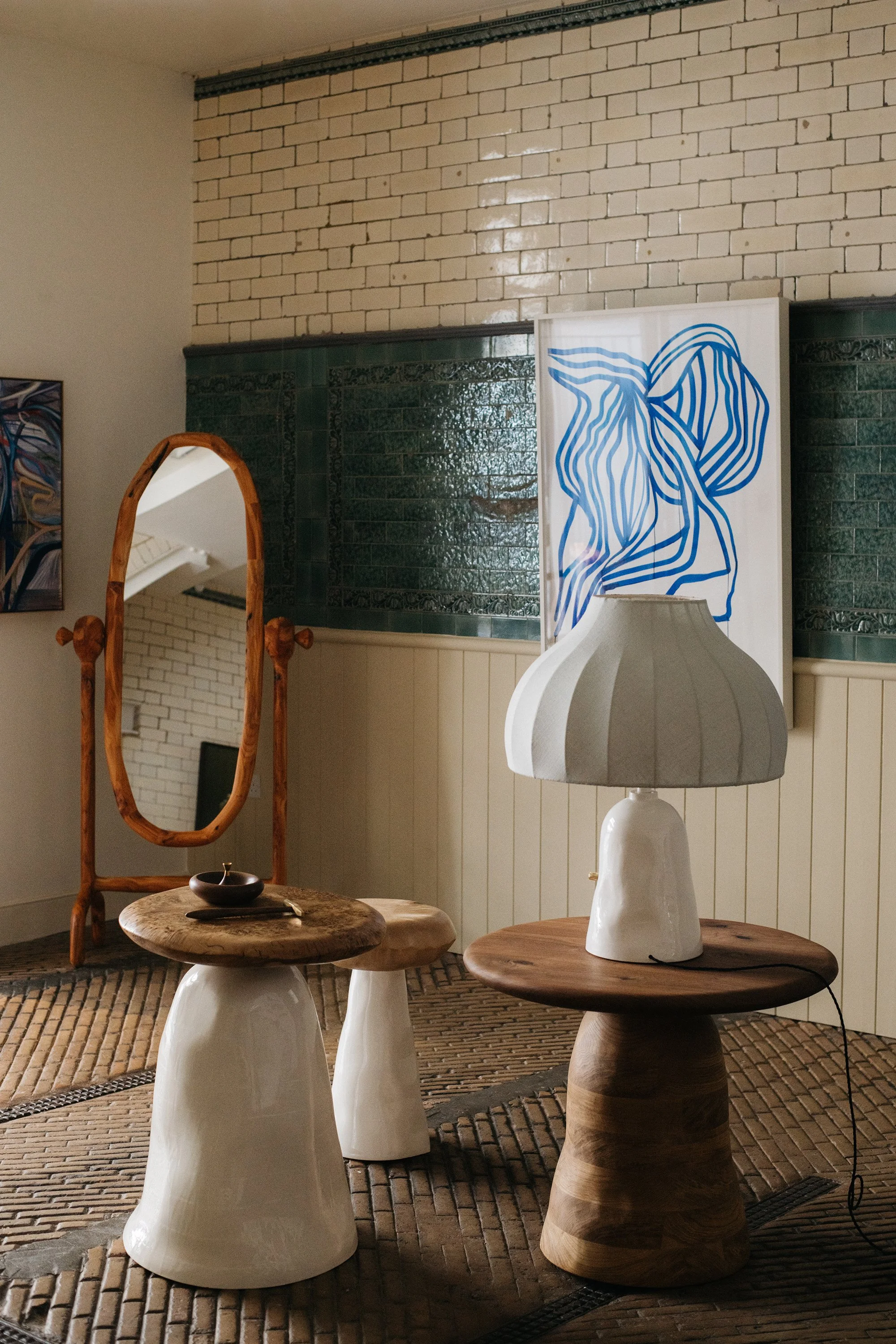
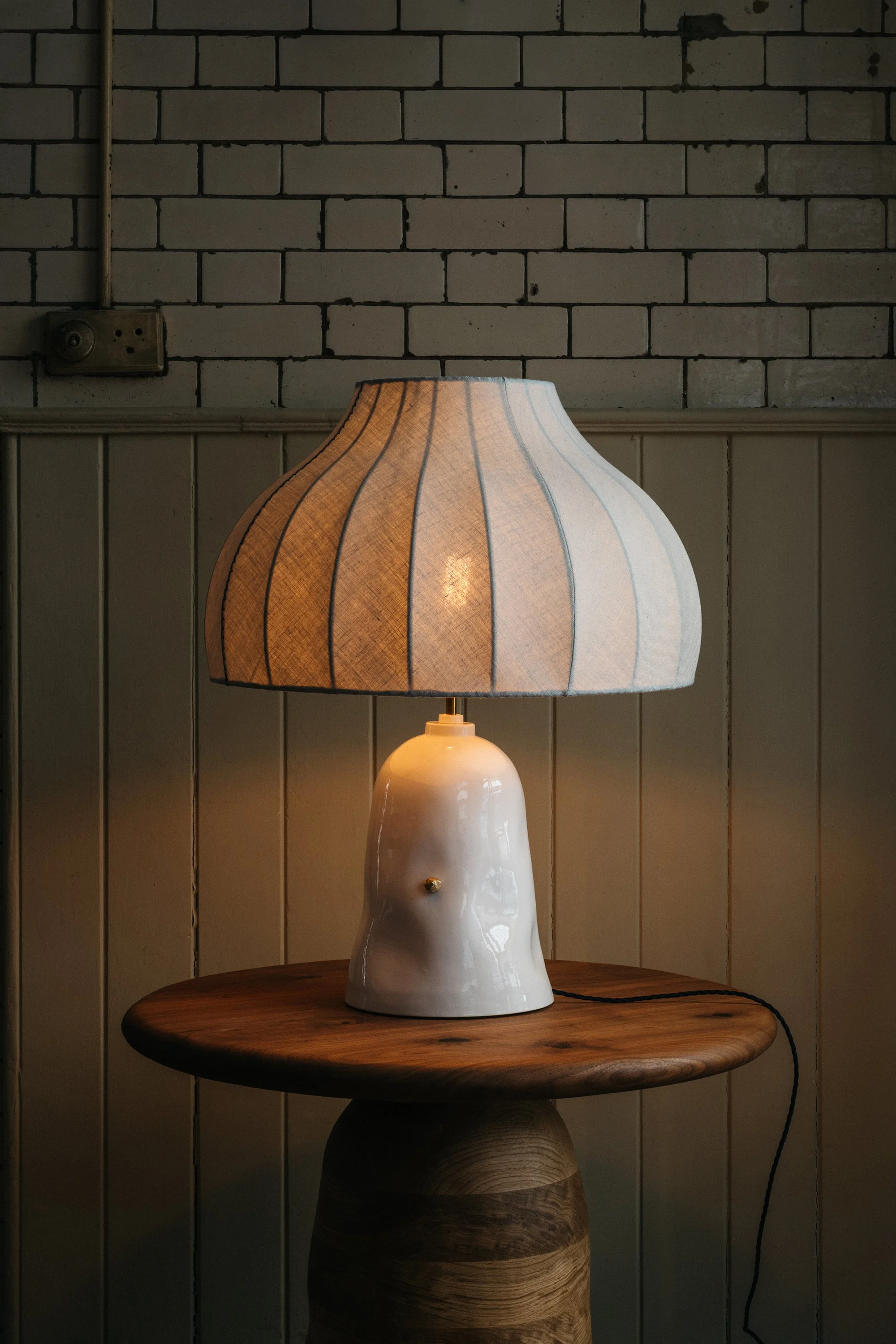
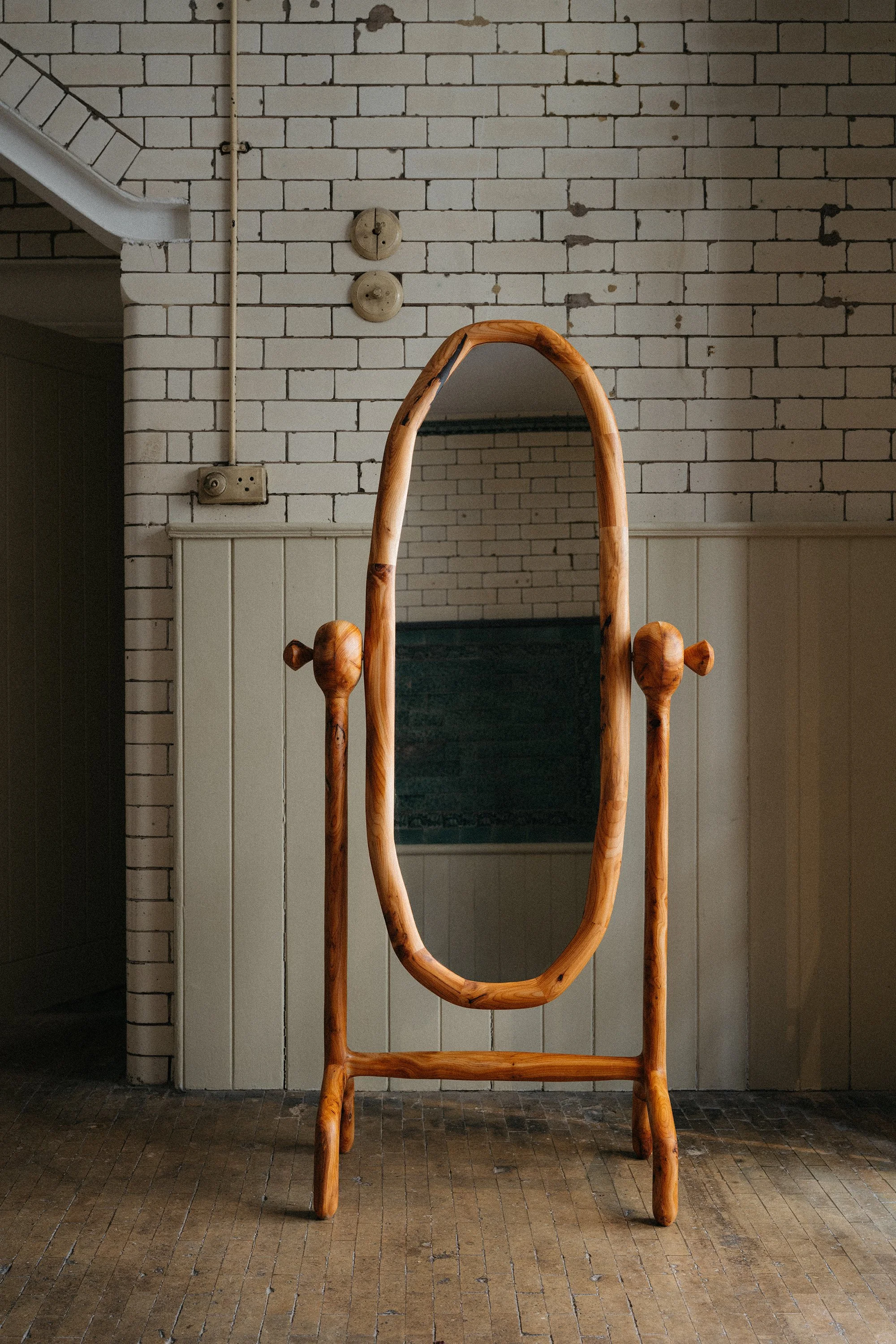
After a decade focused on clay, there is a move back toward woodwork using local, storm-felled timber. How does the tactile experience of working with wood compare to the delicacy of ceramics?
J - The process of working with wood is much slower, more gradual and iterative process. It gives you more time to think, while the ceramics is more immediate - once something is cast you have a very limited time to add handles or details - so they’re very opposite working methods.
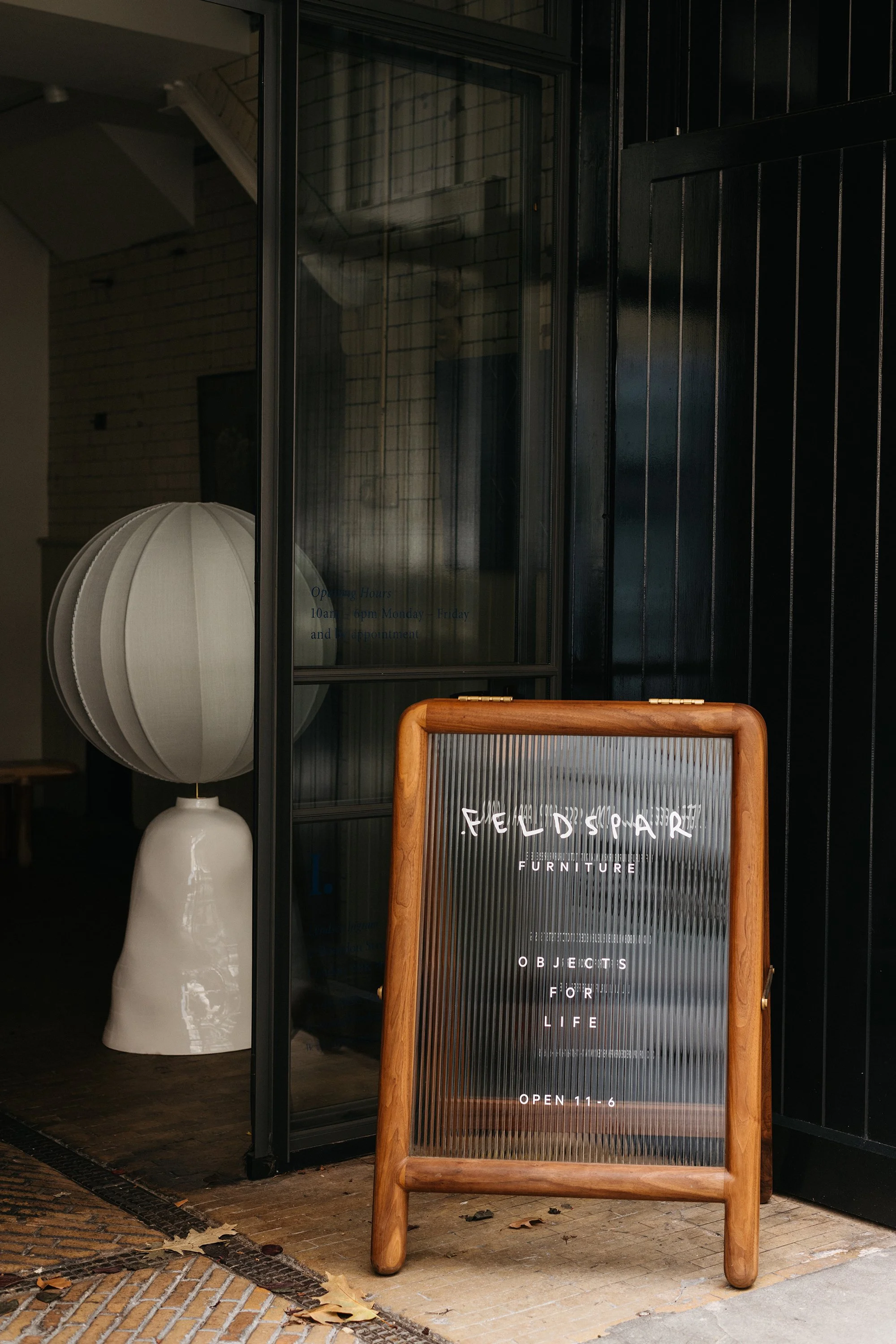
Your early designs were influenced by items used by your grandparents that survived for centuries. If you could look 100 years into the future, how do you hope a Feldspar piece will look and feel in the hands of its future owner?
C - Exactly the same as it does now! We design things to be tactile, and hopefully people will still use their hands to drink from a mug in 100 years and wont be being fed by robots, but apart from that our designs are minimal, they’re not trend-led and are designed to fit into every possible interior - even futuristic ones.
How does the specific light, flora, surroundings of the Devon countryside find its way into your color palette, collections?
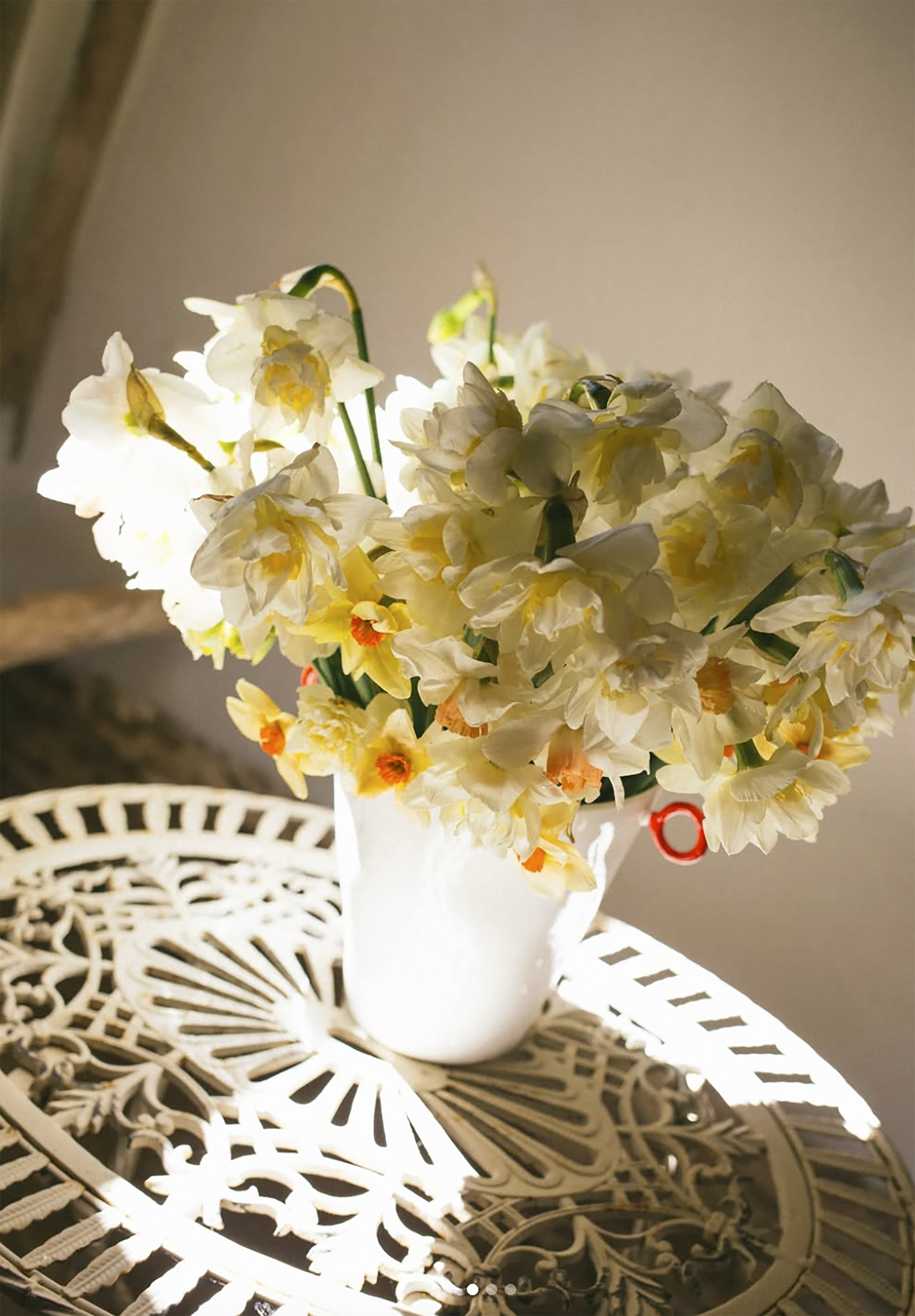
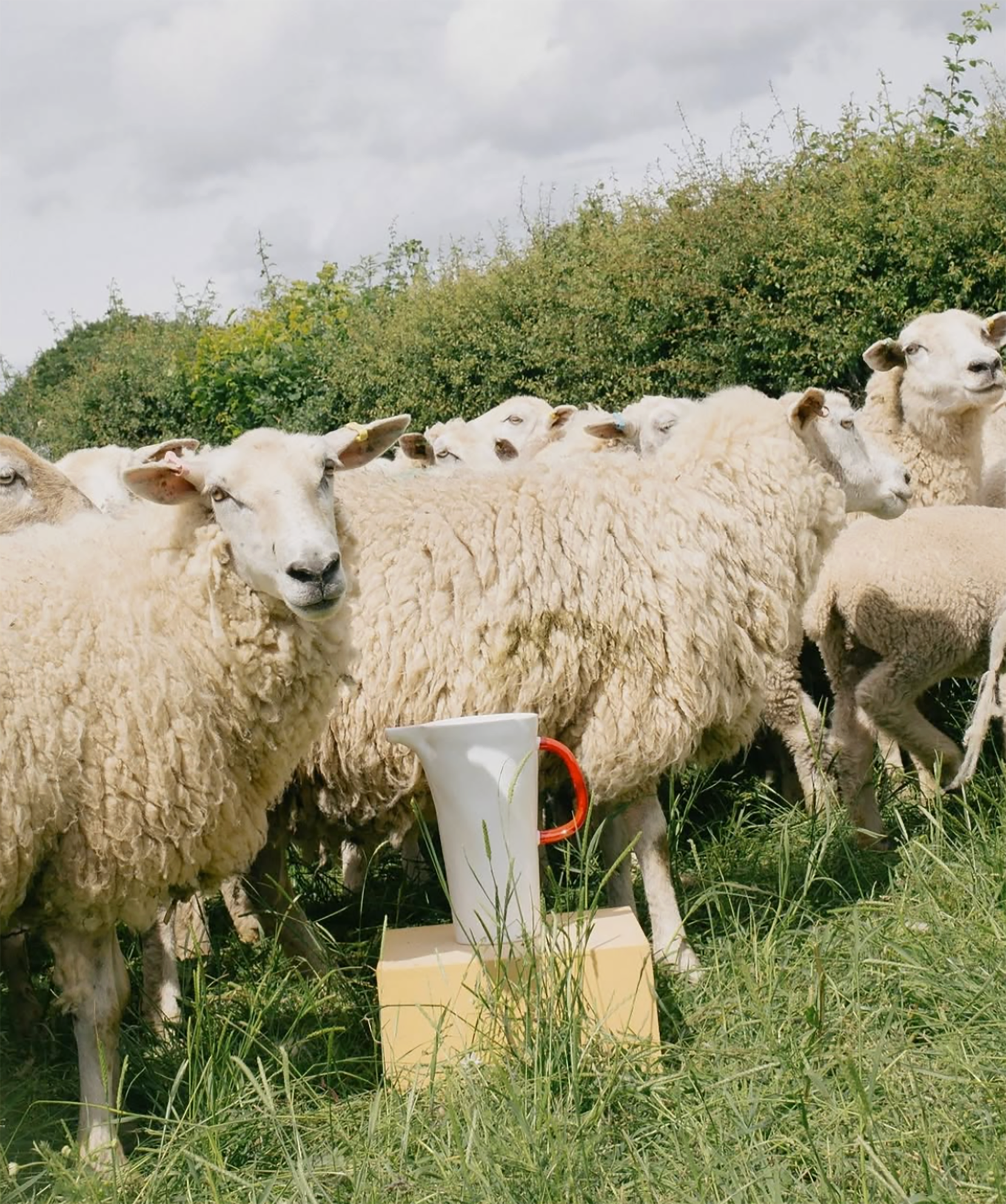
C - We’re actually about to launch a new colour - Russet - that was inspired by the amazing red colour of the soil all around us here - it’s a very distinctive deep reddish-brown, such a beautiful colour. And we have a ‘Forest Green’ that’s inspired by all the pine forests up on Dartmoor, a misty deep green, very dark and elegant. T
As a husband-and-wife team, how do you navigate owning a brand together? Could you tell us about your roles?
C - We have very opposite skill sets, so I think that helps with the running of the business as we naturally gravitate towards very different tasks - Jeremy drives the business and is the creative director, he designs everything - while I focus on the story-telling and the communication with the outside world - how and why and how our things fit into people’s lives.
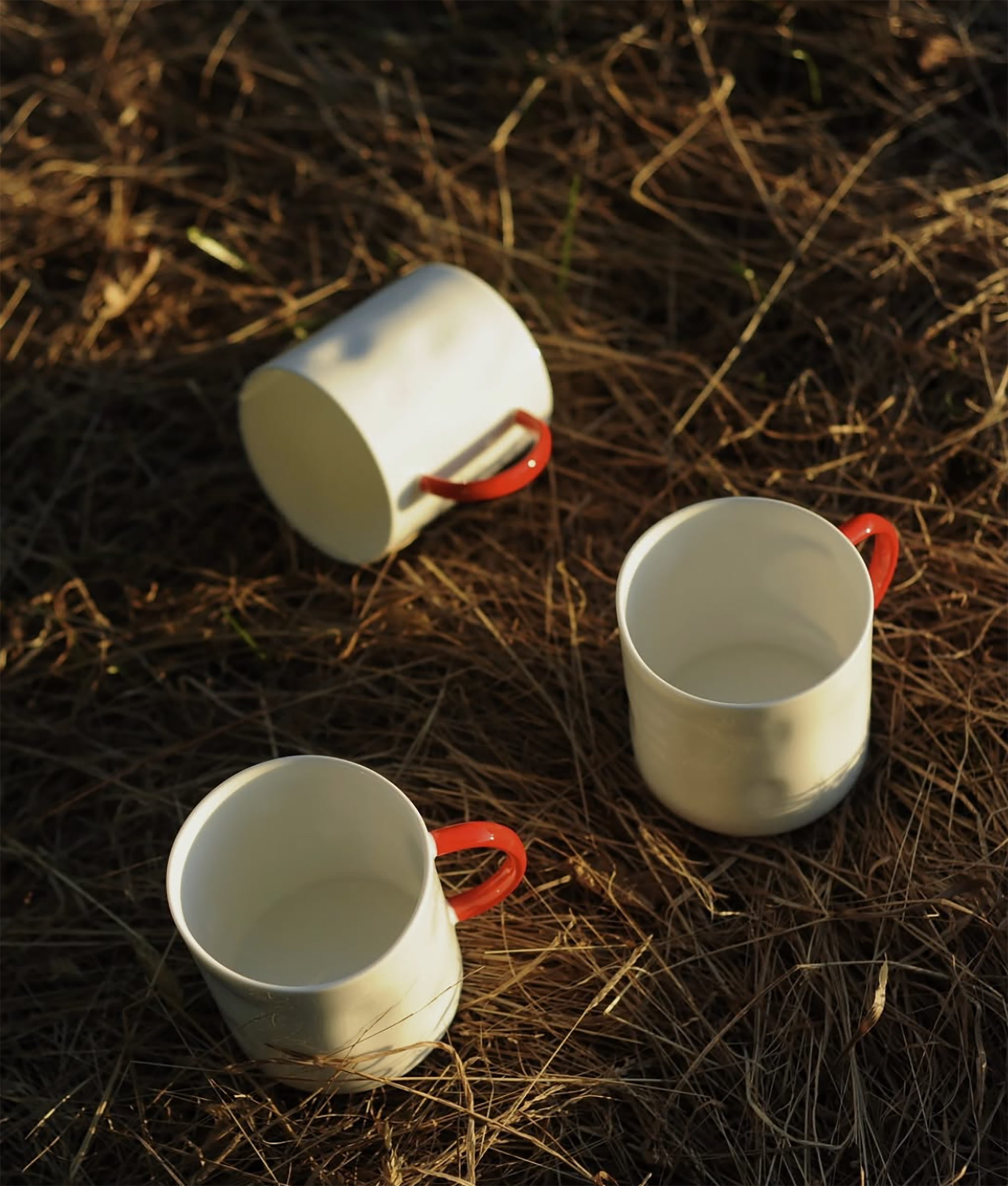
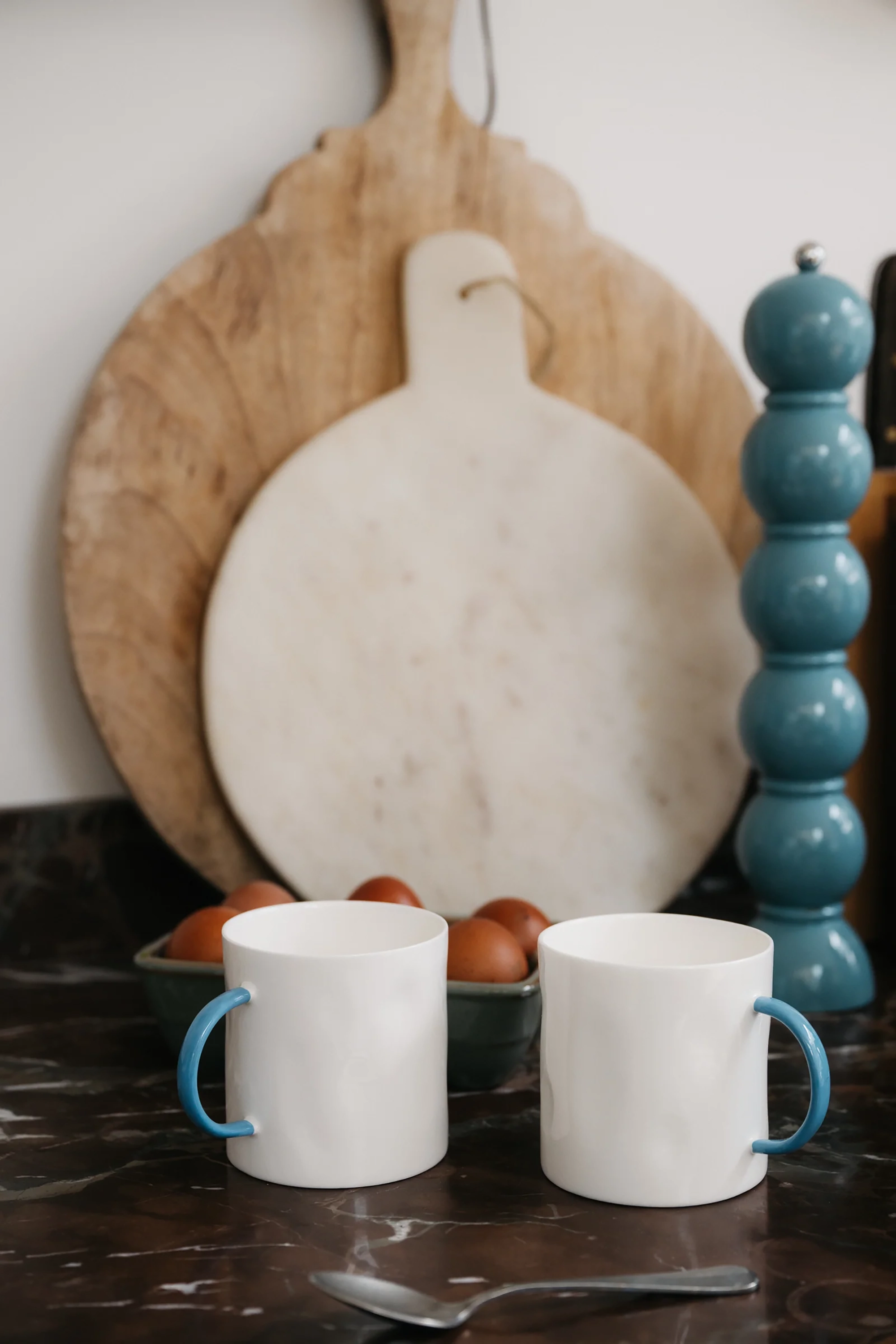
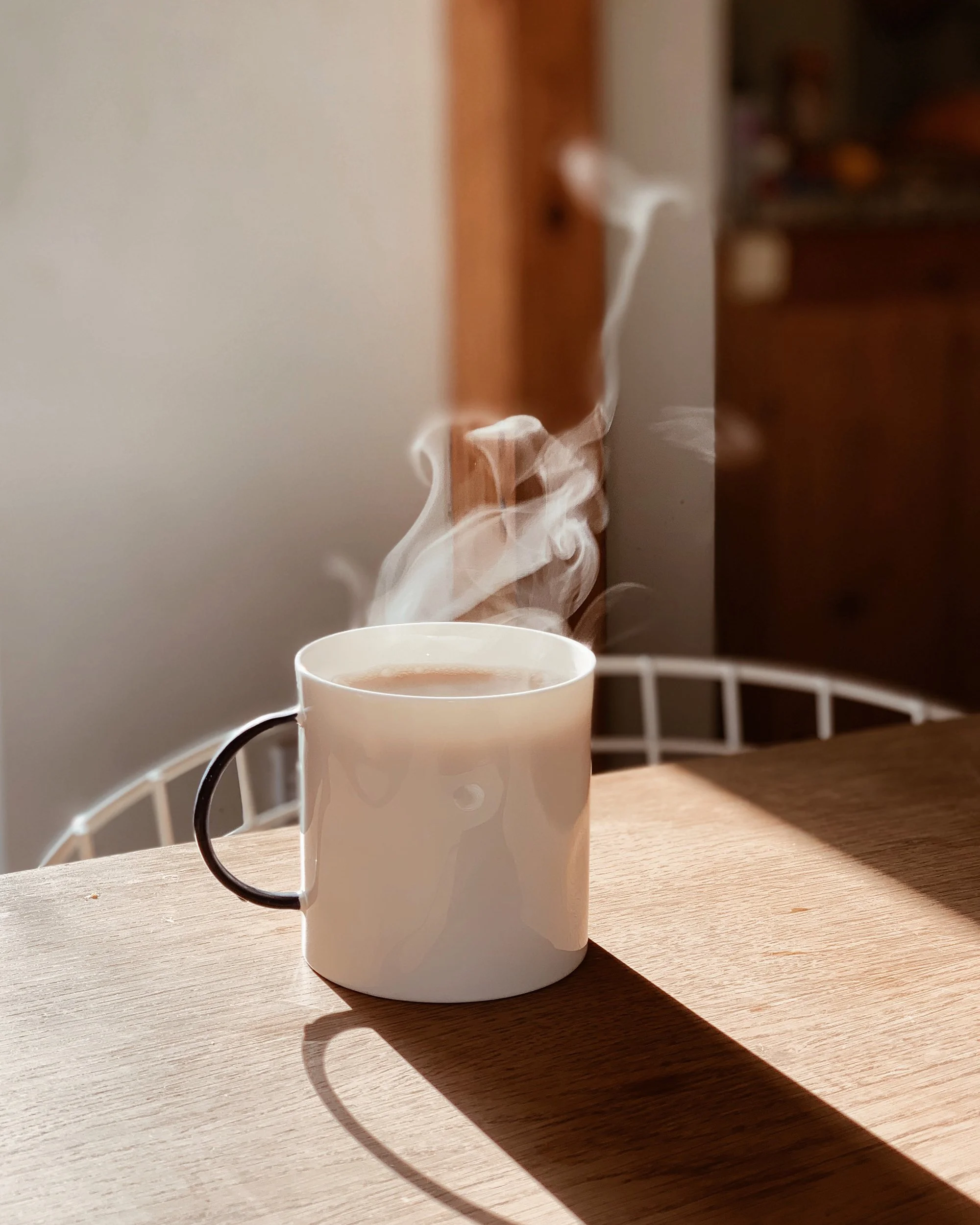
Your very first creation was a coffee mug. For many, the morning coffee is a sacred ritual, how does the design of a vessel change the emotional experience of that daily moment?
J - Our coffee mug is specifically designed to encourage a pause in the day to drink coffee - the dimples around the body of it perfectly fit your hands (mugs are only perfectly cylindrical because they’re easier to make that way) - with a handle that is slightly thinner than you’d expect, still robust as fine bone china is the strongest type of ceramic body, but enough to give you a momentary pause. And the mug itself is cast very finely which makes it really lovely to drink from, you don't end up with a mouthful of clay. It’s designed to be perfectly functional but elegant and surprising too.
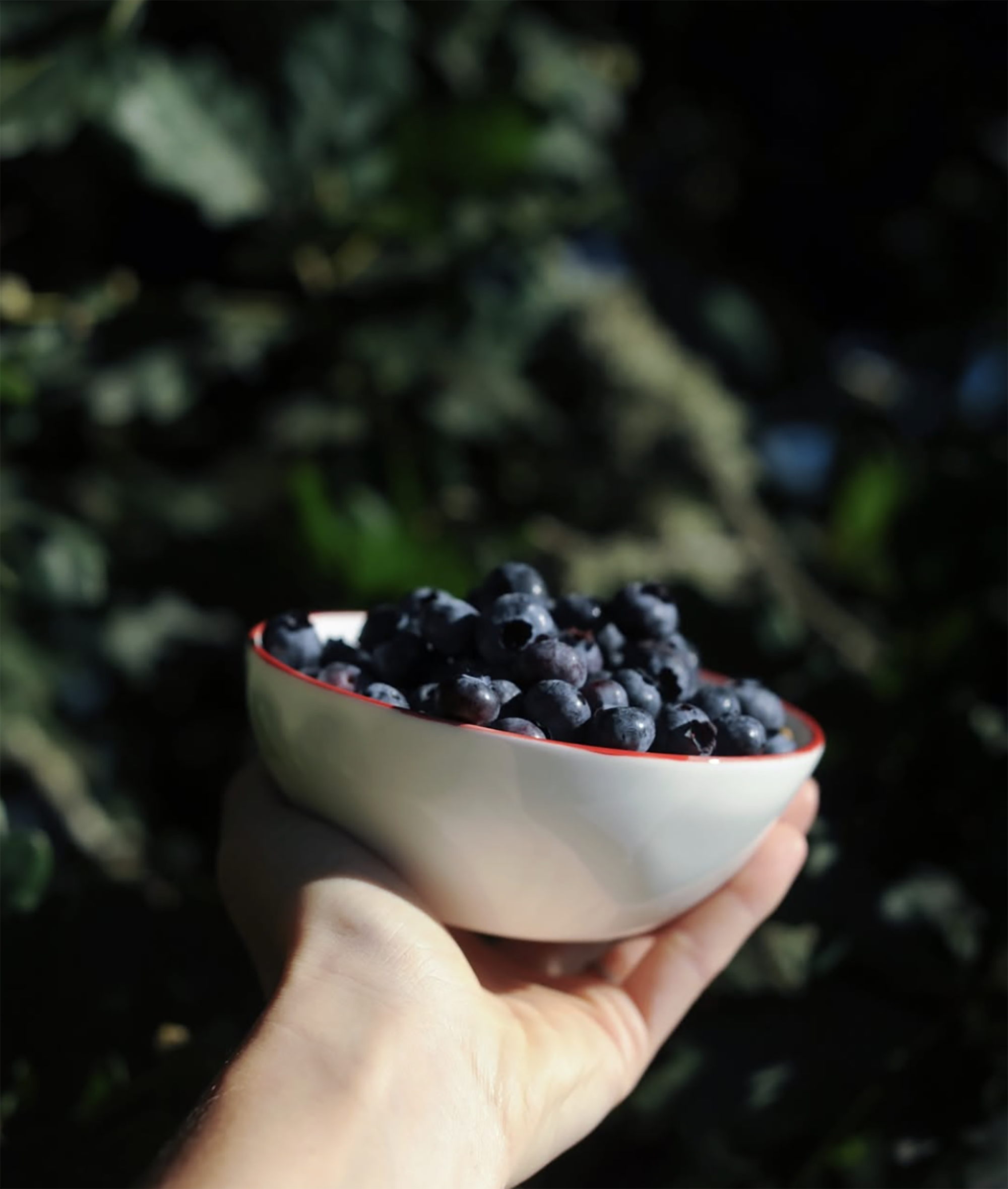
Among all the pieces you have brought to life, which one feels most like a ‘soul object’, one that carries the strongest echo of the vintage heirlooms that first inspired you?
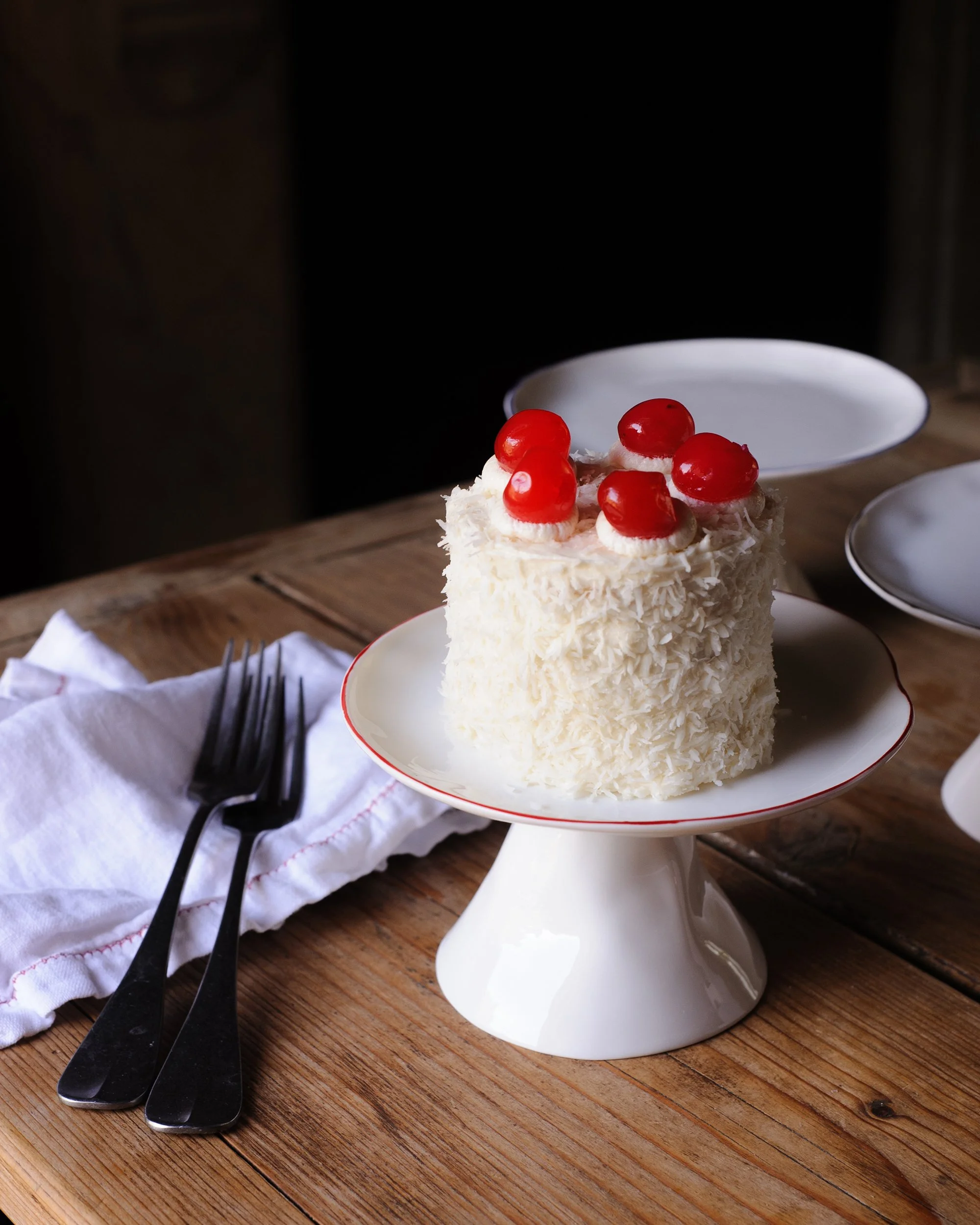
C - Probably one of the more unusual items we make - our little Berry Bowl for example, is a beautiful little colander on raised china feet straight out of a storybook, so you can rinse bugs off your berries in style. It works so well but is unusual and delightful to look at - a perfect object for life - technically tricky to make but worth all the extra time it takes.
With your recent expansion into woodwork and furniture, the Feldspar universe is growing. Are there other materials or ancient techniques whispering to you, waiting to be explored in your Devon workshops?
J - Always! Marquetry has always fascinated me, that’s something that we’ve wanted to explore for years. I've always wanted to cast more metal components too, I did that in my previous job a lot and it was so brilliant, so a mini-foundry is top of the list to create next.