
Material Thoughts
In Conversation with Mirit Weinstock
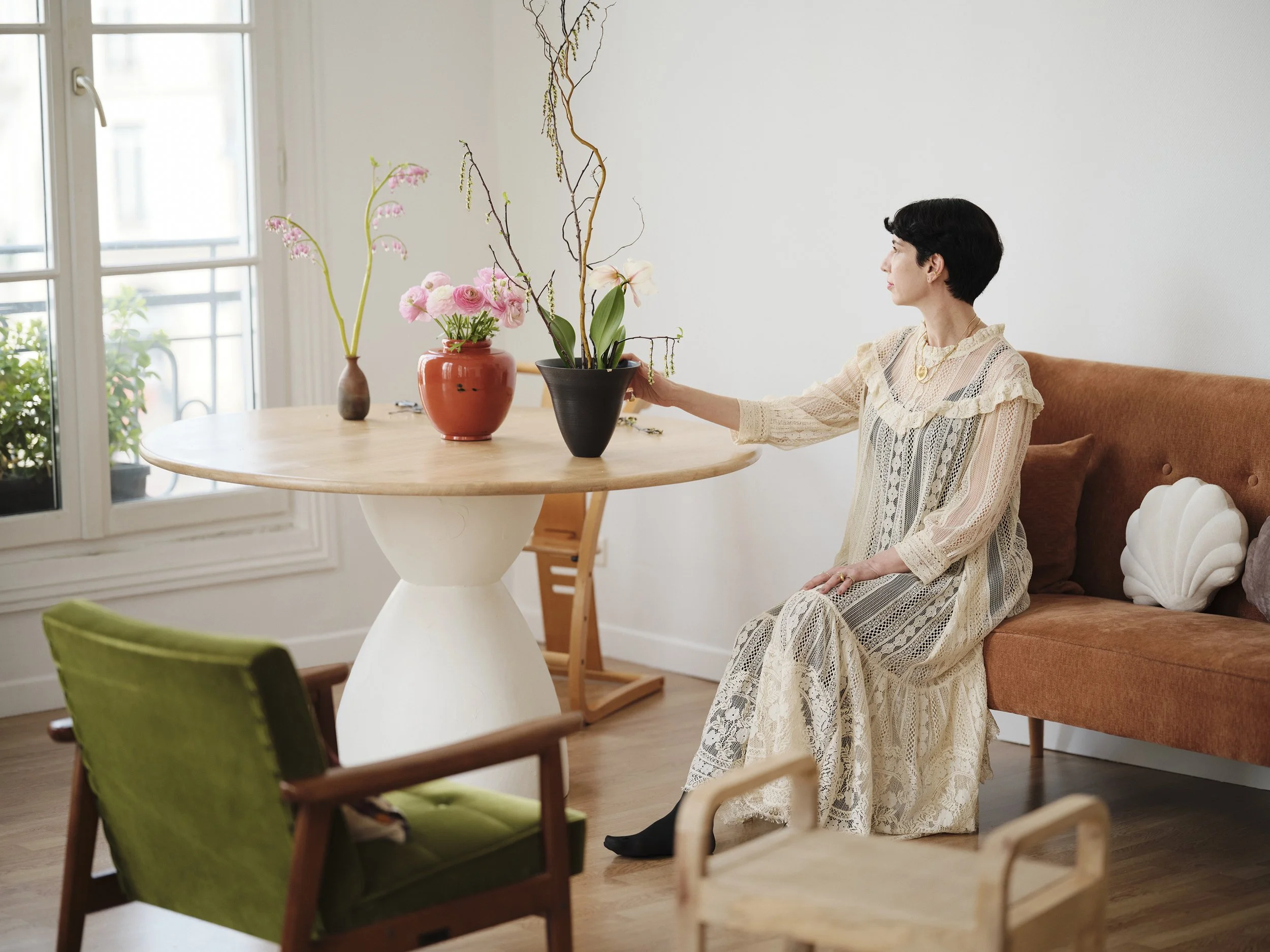
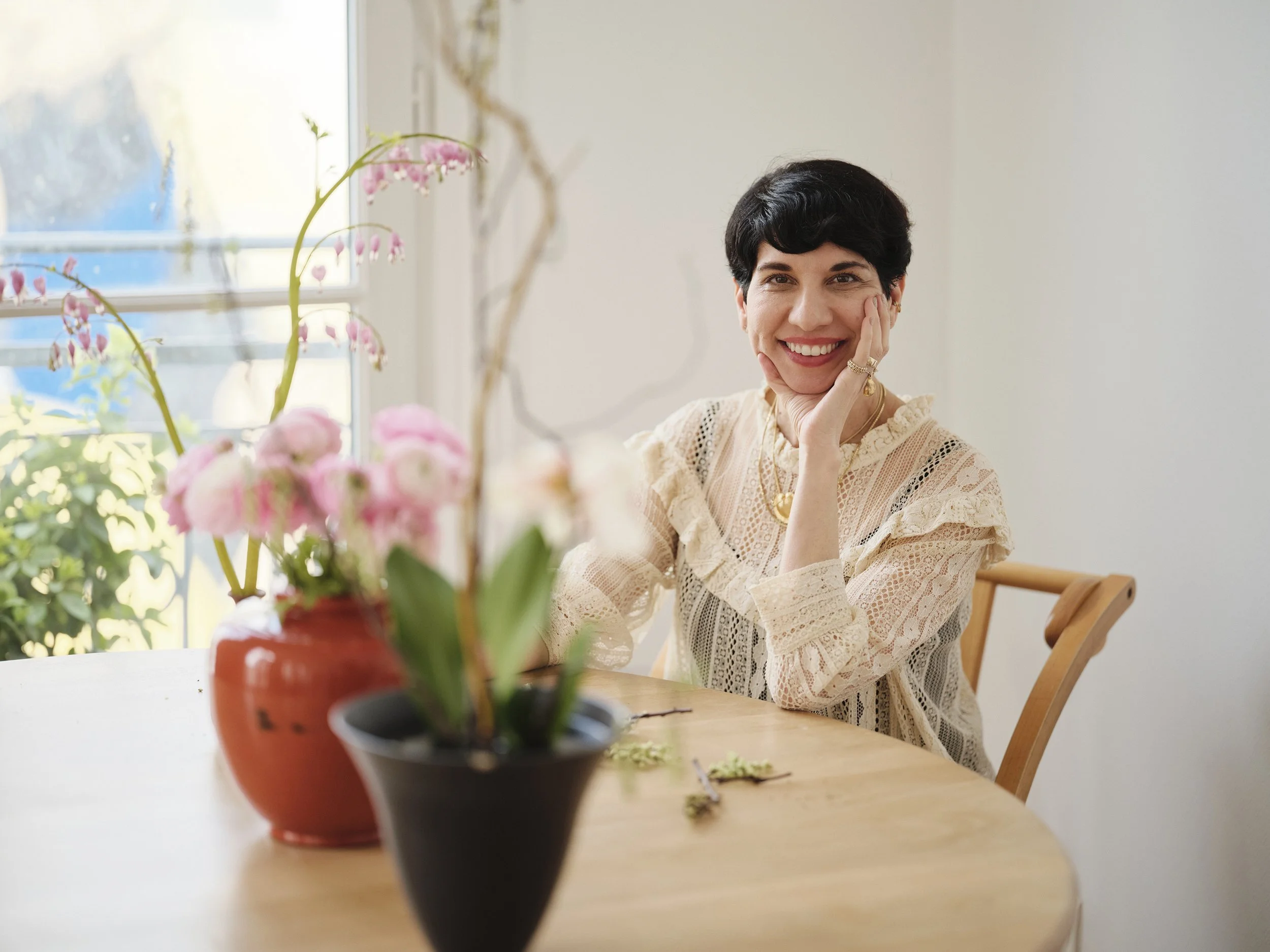
Multi-disciplinary artist Mirit Weinstock moves effortlessly between fashion, fine art, ceramics, and Ikebana. Her signature approach pairs traditional craftsmanship with unconventional materials, elevating everyday objects into poetic wearable art and sculpture. Fresh off a relocation back to Paris, Weinstock speaks with us about learning from fashion legends, her deep creative evolution in Japan, and the delicate art of freezing fleeting moments in gold and porcelain.
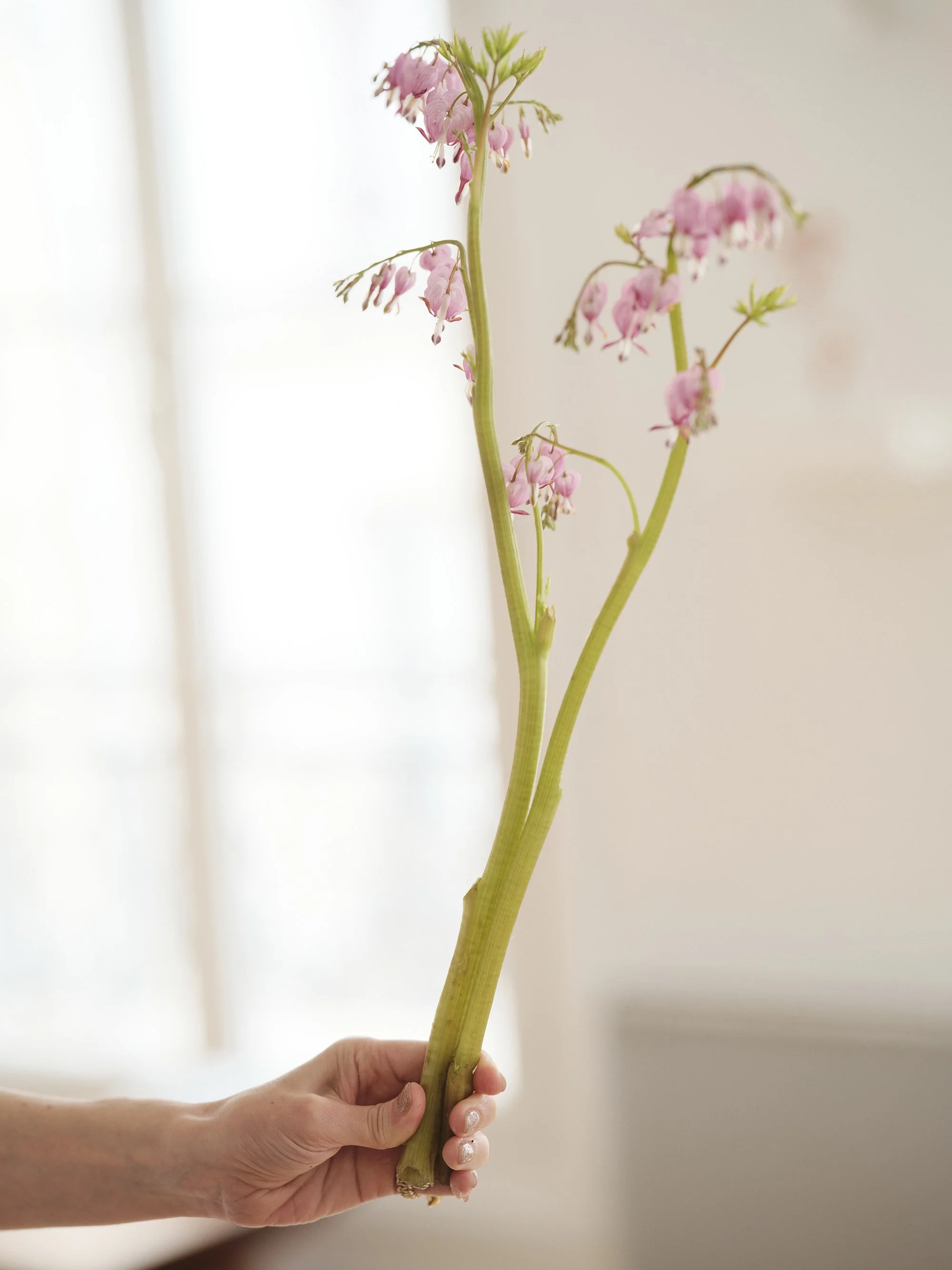
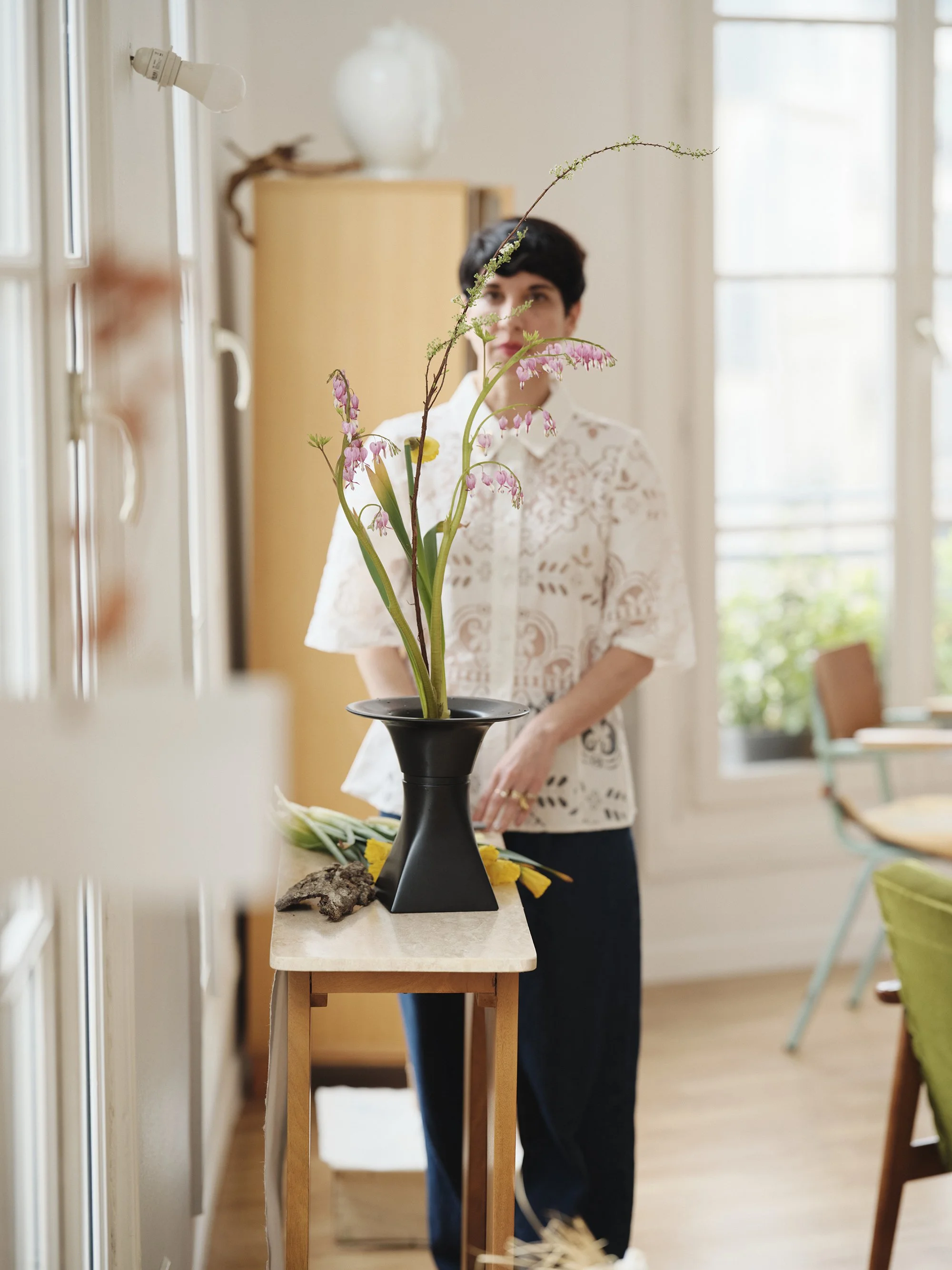
Your artistic practice is incredibly diverse, spanning jewelry, visual art, ceramics, and Ikebana. How do these different disciplines communicate with one another, and do you feel they all tell the same story through different materials?
My first love was fashion. As a young designer, I was fascinated by the craftsmanship hidden behind garments—the techniques, the handwork, and the transformation of materials. Later, I found myself drawn toward visual art and completed a Master's degree in Fine Art. Then, almost unexpectedly, moving to Japan opened another chapter through ikebana, ceramics, and traditional crafts. Looking back, my path may seem eclectic, but for me it has always been driven by the same curiosity: a desire to learn through making. Whether I work with jewelry, porcelain, or art installations, I am deeply interested in traditional techniques, material knowledge, and the relationship between the hand and the object. I don’t necessarily feel that all these disciplines tell the same story. My jewelry practice emerged from my background in fashion and design and is often rooted in material research and the reinterpretation of familiar symbols such as hearts, bows, ribbons, and hoops. My work as a visual artist comes from a more personal and symbolic place, exploring themes of memory, transformation, nature, and lived experience. For me, each transition felt natural. Rather than replacing one practice with another, each added a new layer to my development as an artist. What connects them all is an ongoing dialogue between tradition and contemporary expression, and between inherited techniques and personal experience.
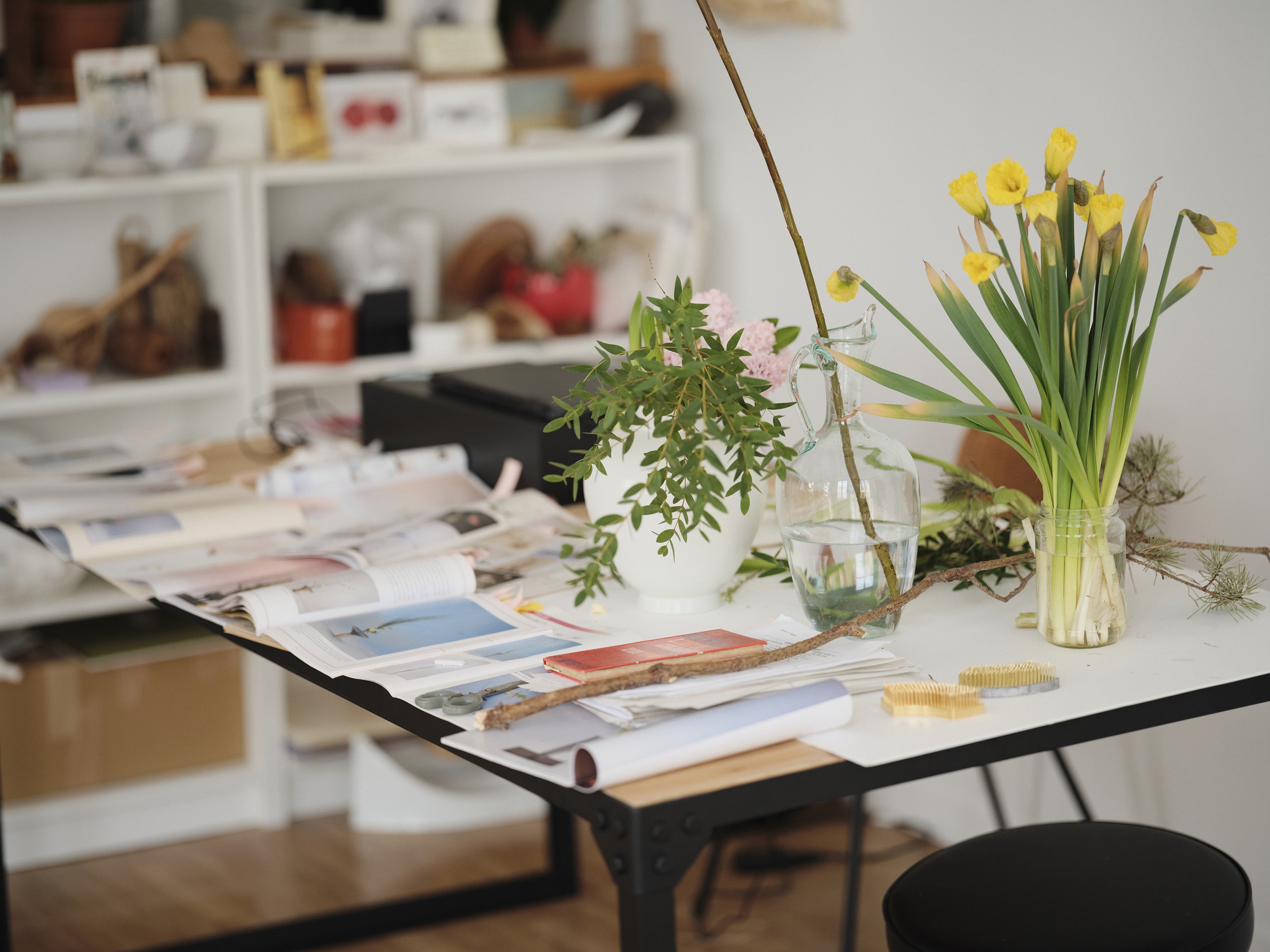
Early in your career, you worked with fashion giants like Alexander McQueen and Alber Elbaz at Lanvin. How did those experiences shape your vision of luxury, craftsmanship, and the human body?
When I read this question, I immediately think of moments from the studios of Lee Alexander McQueen and Alber Elbaz rather than of fashion itself. I remember standing in McQueen’s studio and watching him fitting runway pieces on Kate Moss and other extraordinary models who seemed to have arrived from another world. I remember the intensity of the creative process and the feeling that every detail was part of something much larger. At the end of one of the shows I worked on, a model walked through a monumental tunnel against a powerful wind, wearing a kimono whose long train floated behind her. Embroidered across the garment was a beautiful Japanese story that seemed to unfold as she moved. It felt less like a fashion show and more like a complete artistic experience. With Alber Elbaz, the atmosphere was very different, but equally powerful. The ateliers were located beneath the Lanvin studio, above the historic flagship store in Paris, and it was there that I observed the way Alber thought about women. What struck me most was how deeply he connected to femininity through both strength and tenderness. He was not only designing garments; he was creating a vision of femininity. He often spoke about the personality of the woman wearing the clothes, not only about the clothes themselves. He spoke about elegance, emotion, confidence, and character, and every decision—from the cut of a bias seam to the movement of a dress—was part of that larger narrative. What both experiences taught me was what it means to be a truly complete creator. Their work extended far beyond a single discipline. Fashion, craft, storytelling, emotion, movement, and culture all came together as part of one coherent vision. I think I always recognized that desire in myself as well. What inspired me most was not fashion alone, but the possibility of developing a personal artistic language that could move freely between disciplines while remaining authentic and deeply personal. Even today, I am less interested in categories—whether one is called a designer or an artist—than in creating a body of work where different forms and mediums come together to express a singular vision.
Your jewelry brand is celebrated for its poetic quality and its use of uncommon materials, trinkets, and souvenirs. What draws you to these nostalgic or unconventional objects when designing wearable art?
I am a material lover. More than precious stones or metals, I am drawn to objects that already possess a beauty of their own. My jewelry practice began when I was running a fashion label and became fascinated by an unexpected object: a badminton shuttlecock. I remember looking at it and immediately seeing a piece of jewelry rather than a sports accessory. I transformed it into a collection that was later launched at the legendary Colette boutique in Paris. I think Sarah Andelman recognized something in that vision and gave me the confidence to continue exploring this very personal path. Since then, I have realized that I experience materials differently. When I see artificial eyelashes in a shop, I immediately imagine how they could become jewelry. When I see a branch, a flower, a shell, a piece of raffia, or even a sheet of paper, I instinctively begin imagining forms, structures, and techniques that could transform them into wearable pieces. Perhaps because I am not a trained jeweler, I approach jewelry from a different angle. I am interested in transformation: taking a material that belongs to another world and giving it a new life through craft. I handcraft these materials into jewelry forms and later transform them through processes such as electroforming, allowing them to acquire a new presence while preserving their original character. That curiosity about materials, and the dialogue between traditional techniques and unexpected forms, remains at the heart of my work today.
The craftsmanship behind your jewelry involves a fascinating technical process—folding paper or ribbons into classic shapes like hearts and bows, and then transforming them into precious metals through electroforming. Can you talk about this desire to freeze something as light and temporary as paper into solid silver and gold?
As a material lover, electroforming allows me to reveal and enhance the beauty that already exists within a material. I often think of it as a second skin. Electroforming highlights details that we tend to overlook—a flower petal, the crease of paper, or the intricate structure of a handmade knot. One of my favorite collections, and perhaps the best example of this approach, is my Mizuhiki collection. Mizuhiki is a traditional Japanese paper cord used for ceremonial gift wrapping and decorative knotting. I learned this craft while living in Japan, and through practicing it I realized that its folds and knots could be transformed into contemporary jewelry. Using mizuhiki, I created rings, earrings, necklaces, and bracelets whose surfaces resemble something between knotting and knitting, rich with texture, detail, and craftsmanship. I first handcraft the original forms, coat them through electroforming, and then cast them in silver. The final pieces preserve every detail of the original craft while transforming it into precious metal. For me, this process is not about preserving an object, but about revealing its beauty and elevating craftsmanship itself into a form of luxury.
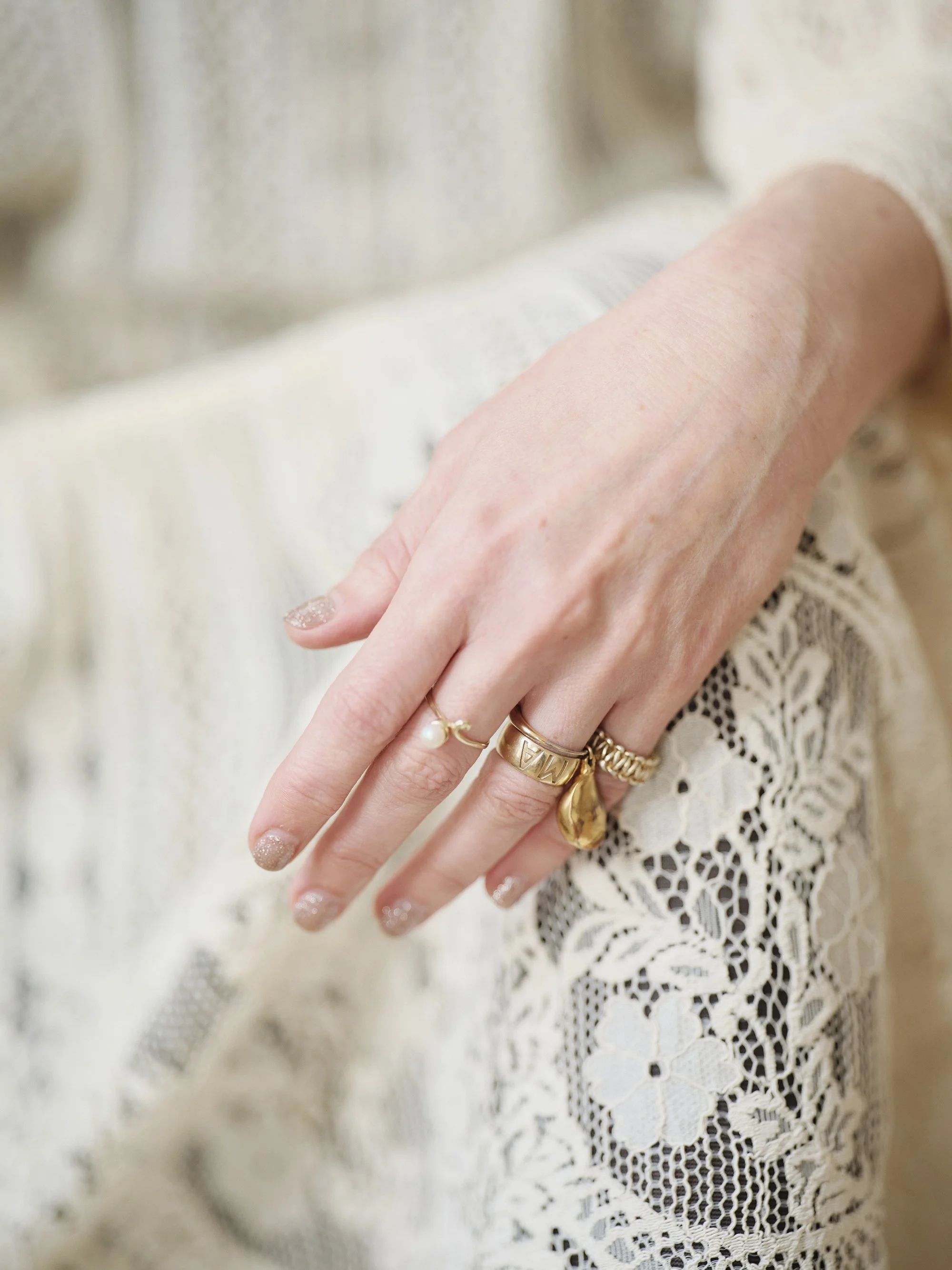
You spent several years living in Japan, which seemed to spark a profound artistic transformation. What was it about Japanese culture that altered your creative path so deeply?
One of the experiences that stayed with me most from my years in Japan happened during an ikebana class at a Buddhist temple. I was speaking with one of the women studying alongside me and discovered that she had been practicing ikebana for fifty years. At first, I thought I had misunderstood her Japanese. I asked my teacher the following week, and he confirmed that she had indeed been studying for five decades, beginning in her twenties and continuing into her seventies. That moment deeply moved me. It revealed something I found profoundly inspiring in Japanese culture: the attention to detail, dedication, and long-term practice that allow a person to continuously deepen their work. In the West, we often place more emphasis on progression, achievement, or professional output. In Japan, it was very moving for me to see women in their seventies and eighties still attending ikebana classes, receiving guidance from their teacher, and refining their work—not because it was “not good enough,” but because there was always another layer of depth to discover. This approach to practice—practice for the sake of practice, for deepening rather than for outcome—became deeply embodied for me. It shaped my understanding of time, patience, and aesthetics, and continues to influence my work today.
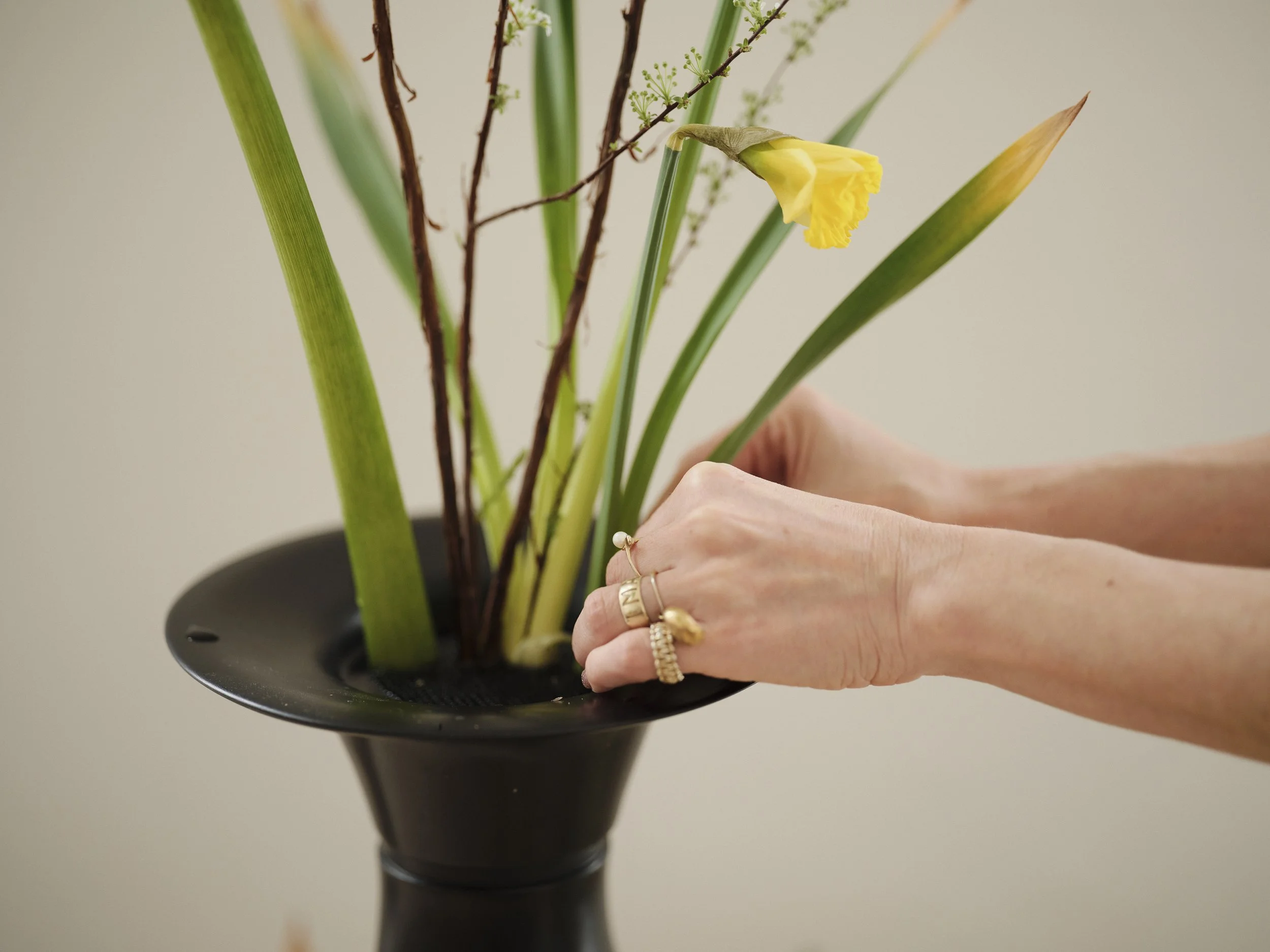
You didn't just observe traditional arts; you became a Master Instructor in Ikebana. How did studying the philosophy of flower arrangement change your understanding of space, movement, and the power of restraint?
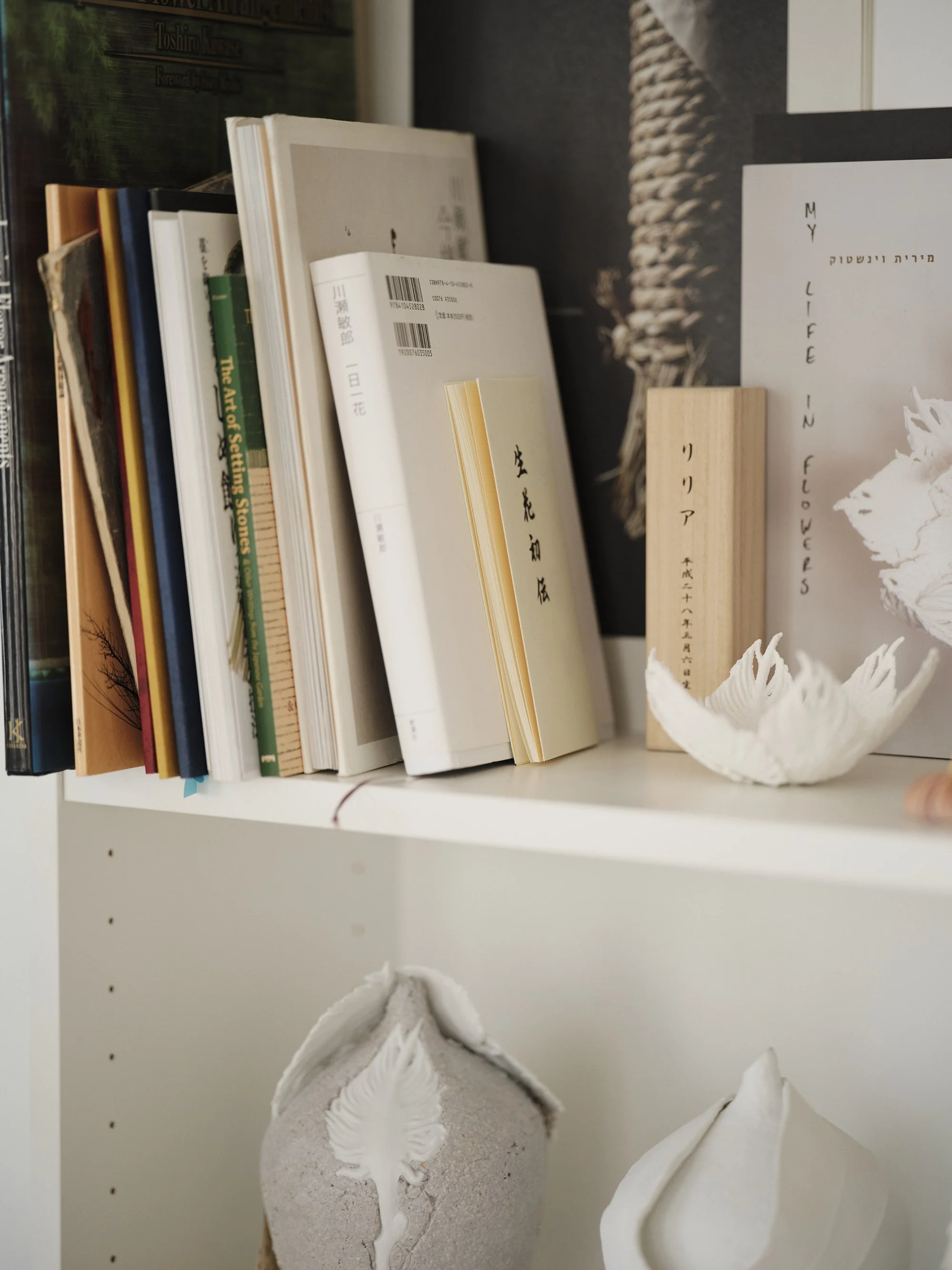
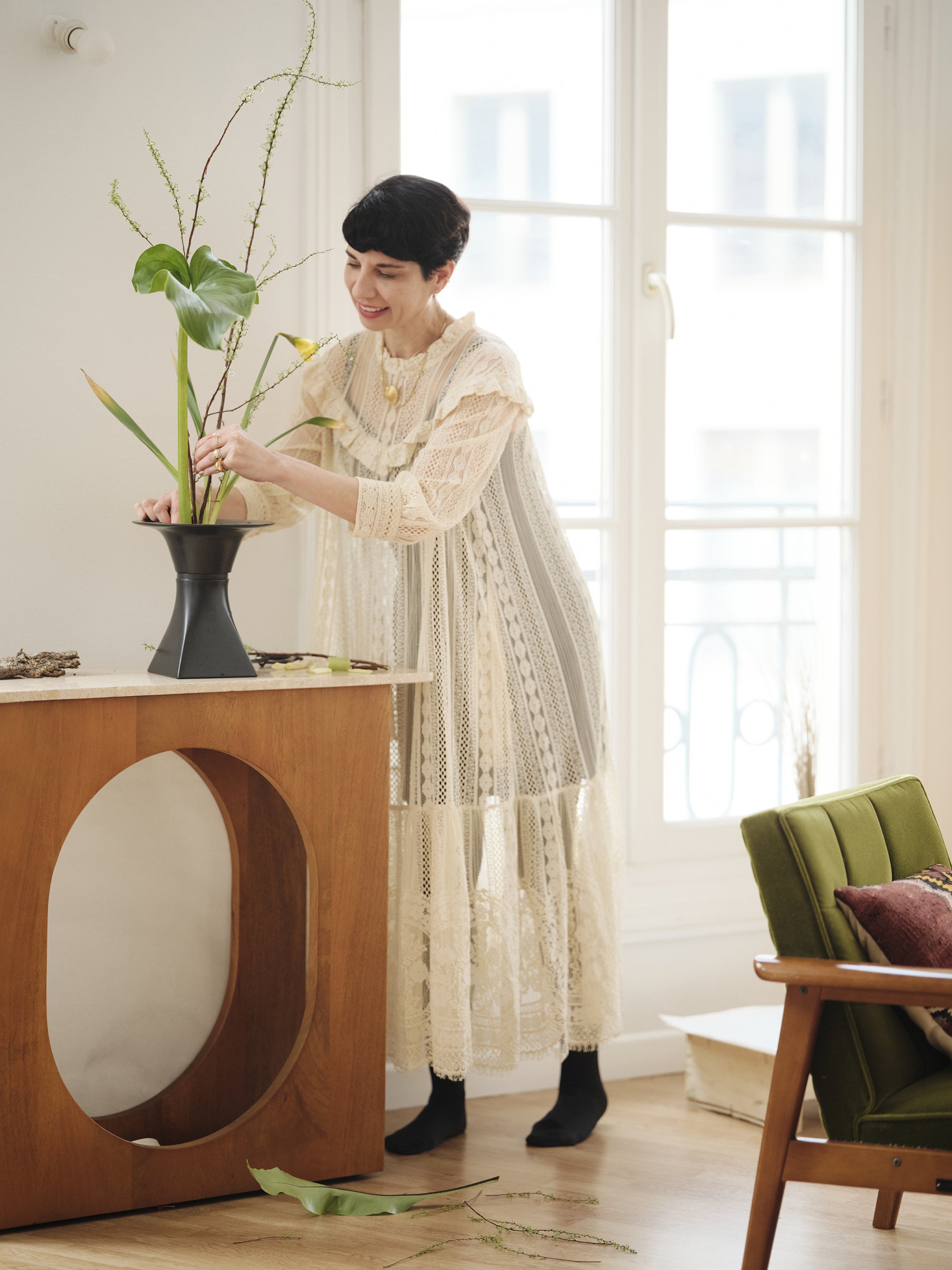
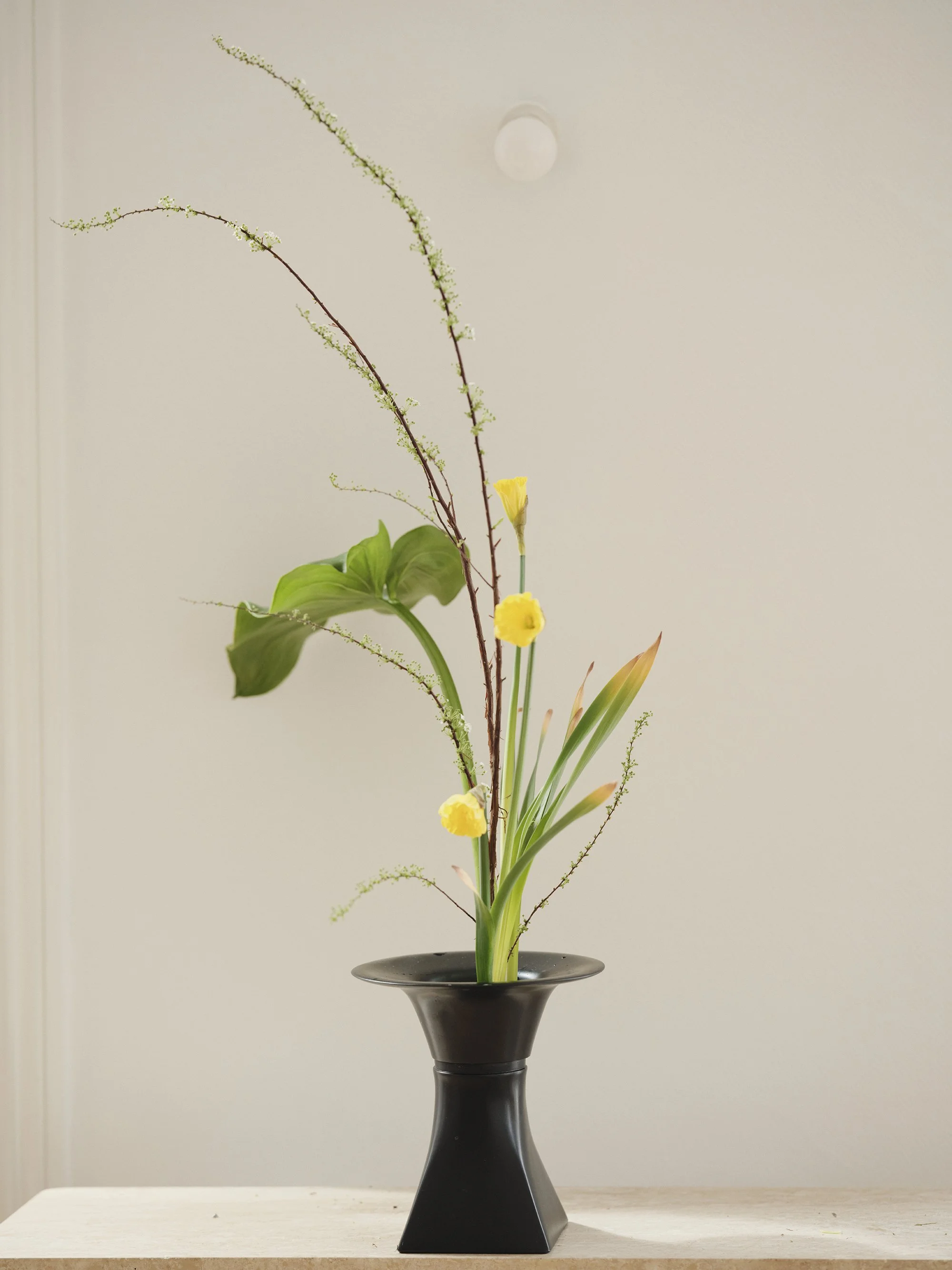
I relocated to Japan to study traditional crafts, and while immersing myself in that world, I quickly fell in love with ikebana and devoted myself to studying it at Ikenobo, the oldest school of ikebana in Japan. What captivated me was not only the practice itself, but the philosophy behind it. The philosophy of ikebana resonated deeply with my natural attraction to minimalism. Even as a fashion student, I was fascinated by Coco Chanel’s idea that the greatest challenge lies in simplicity—that when very little is present, every detail becomes essential. One of the most important ideas I encountered through ikebana was the Japanese concept of ma—the meaningful space between things. During my ikebana studies, while arranging flowers, branches, and leaves, my Sensei (teacher in Japanese) would constantly encourage me to look for the space around them. At first, I found it difficult to understand. I could see the materials themselves, but it took me time to recognize that the empty space surrounding them is essential for harmony within the composition. Discovering ma changed the way I think about composition, beauty, and even life itself. It taught me that what is invisible can be just as important as what is visible. It remains a subtle and elusive idea—one that I still try to practice, both in my work and in the way I move through life.
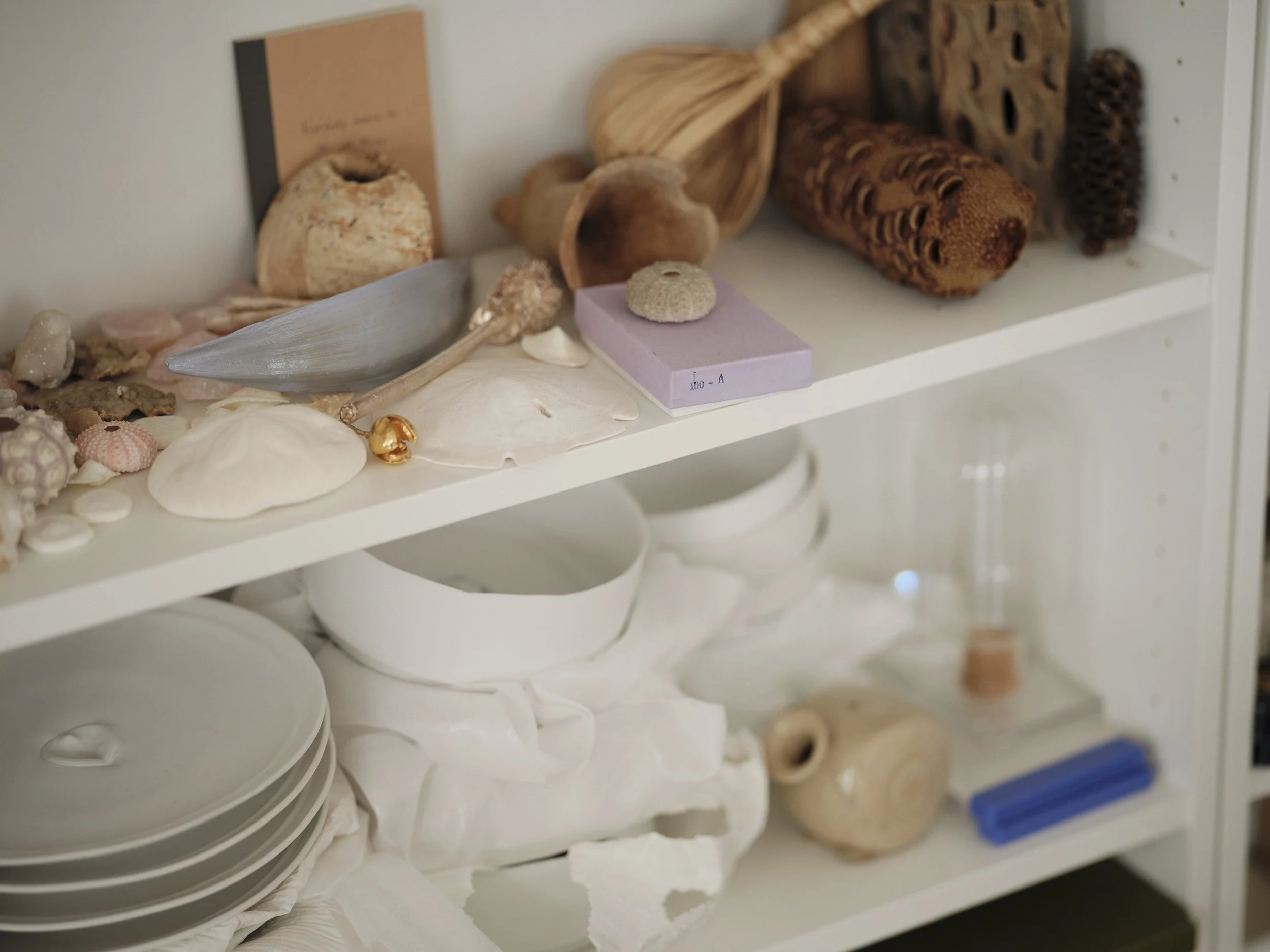
During your time in Japan, you also completed ceramic residencies in historic towns like Shigaraki and Arita. How did working with local porcelain allow you to translate the fragile, fleeting beauty of Ikebana into long-lasting sculptural forms?
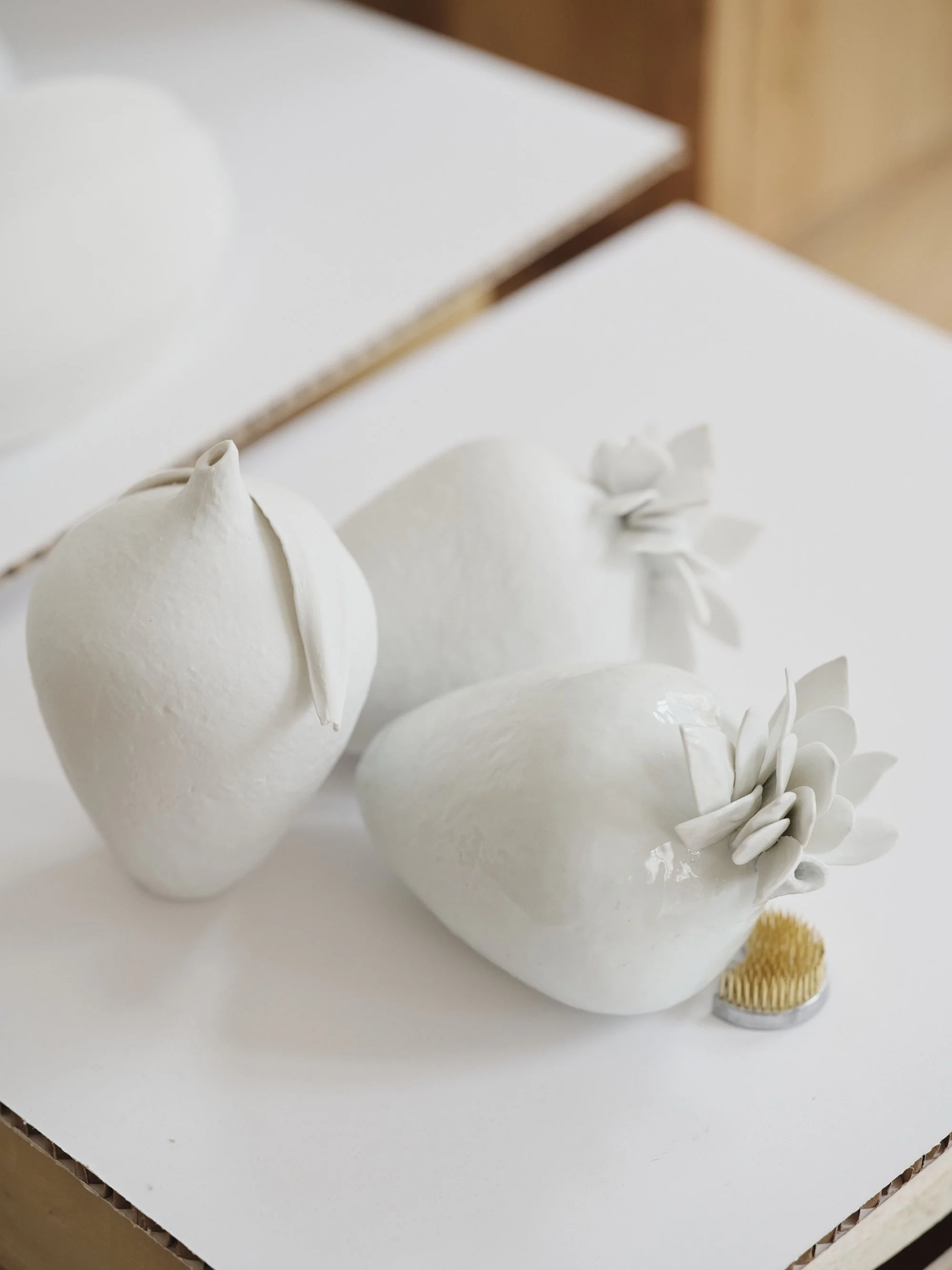
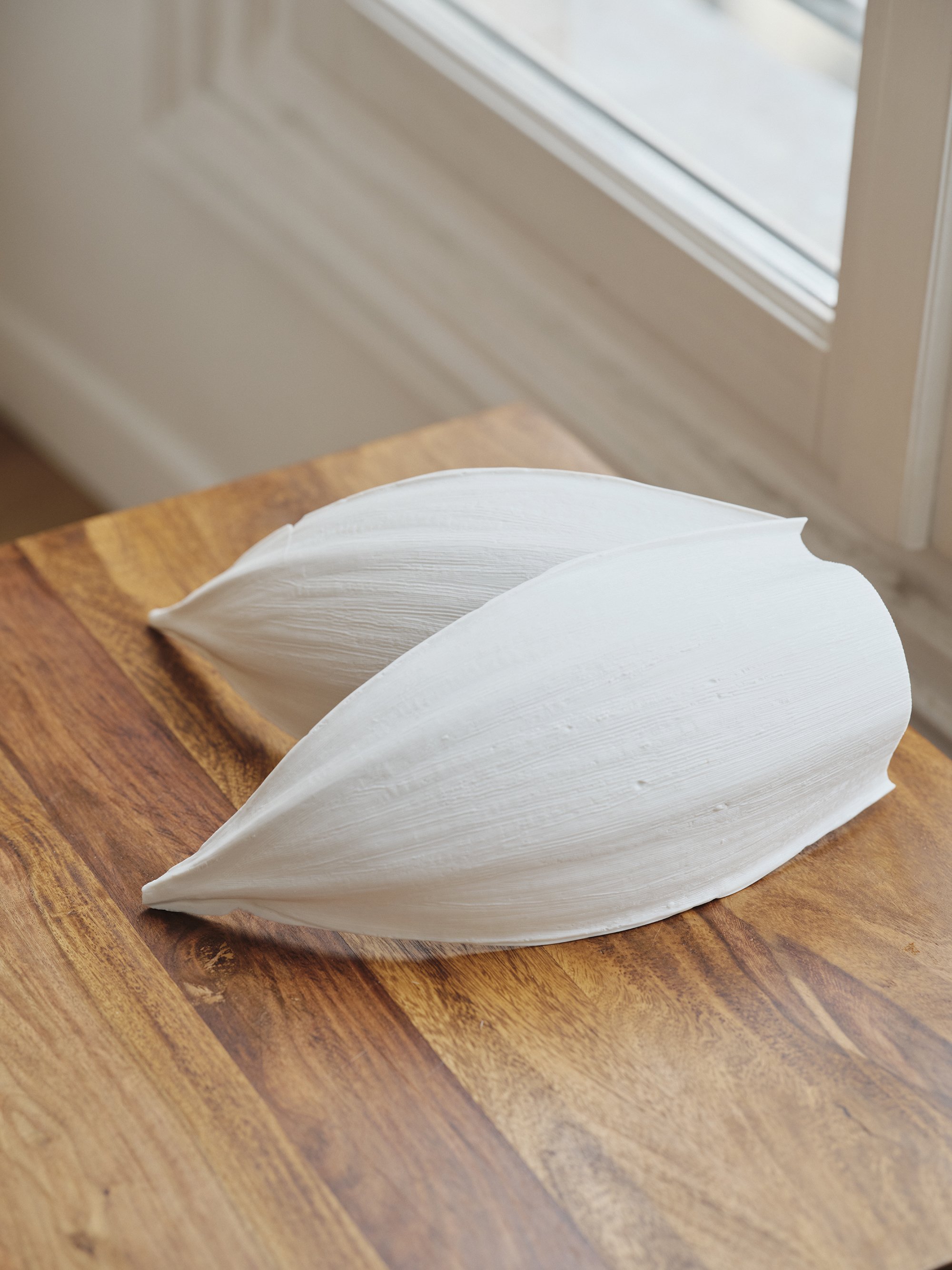
When my daughter and I packed for our stay at the ceramic village of Shigaraki, one of the most important things I brought with me was a collection of dried flowers, leaves, branches, and plants that I had gathered throughout Japan. Some came from my ikebana studies, others from arrangements I had created and carefully preserved before they completely faded. I brought them with me because I already knew they would become the starting point of my work in porcelain. Porcelain immediately resonated with me. It carries the same sense of fragility, impermanence, and quiet beauty that I had encountered through ikebana. For me, it became another way to explore the relationship between nature and time. During my residencies in Shigaraki and later in Arita, I created molds from these dried botanical materials and cast them in local porcelain. I also developed vessels inspired by traditional ceramic forms I encountered there, creating works that brought together sculpture, porcelain, and the language of ikebana. These residencies were much more than technical training. They allowed me to engage deeply with another Japanese craft tradition and to discover a meeting point between natural forms and sculptural expression. Since then, porcelain has remained an important part of my practice. It opened a new dimension in my work, one that continues to evolve through dialogues between porcelain, living plants, and botanical forms preserved in metal.
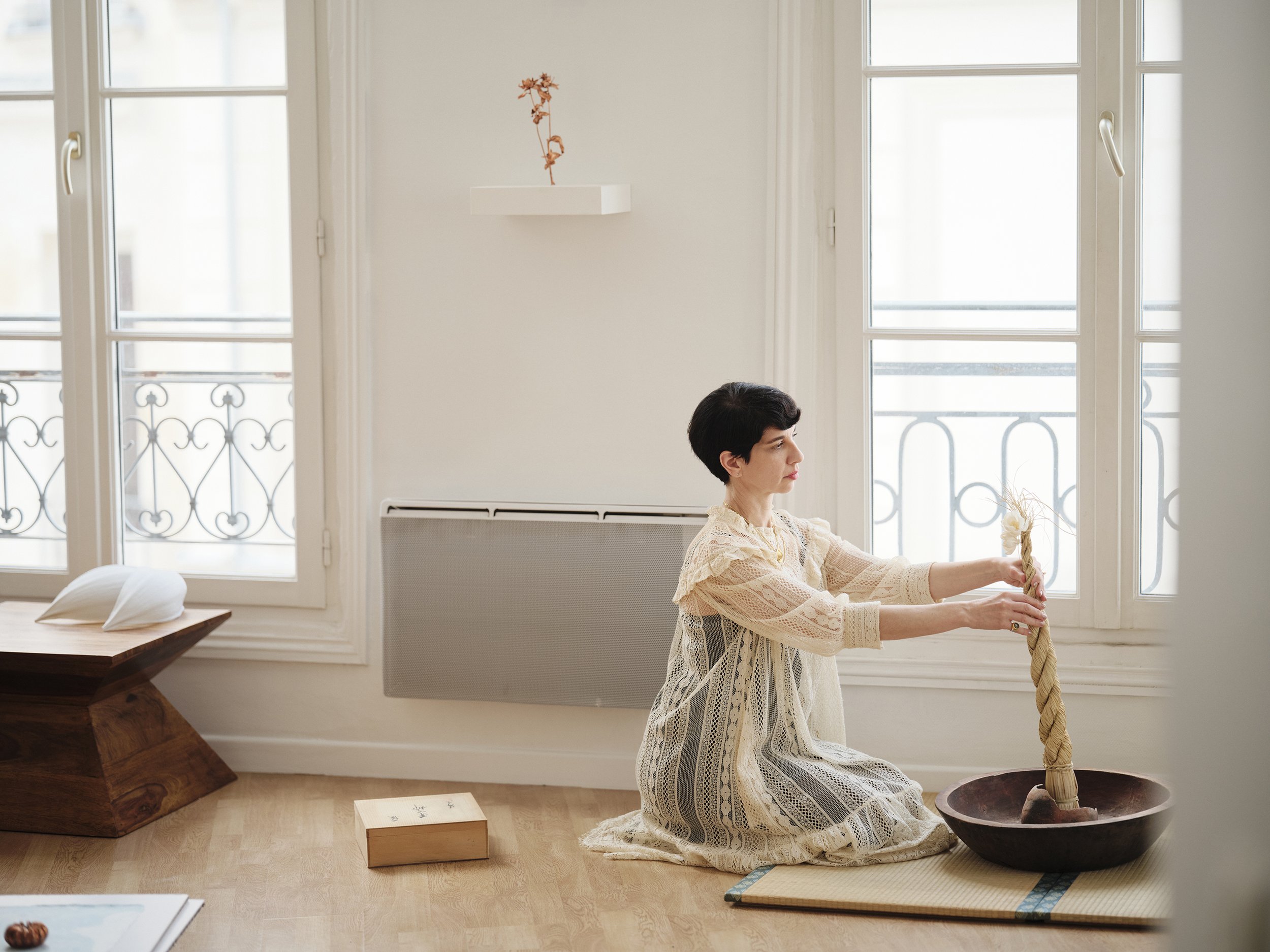
In your exhibition My Life in Flowers, you use plants, branches, and water to map out highly personal moments and emotions. How does a single flower or a bent branch become a tool to express deep, intimate feelings like loneliness or the longing for comfort?
During my years in Japan, I fell in love with ikebana and discovered not only the beauty of flowers, but also their symbolic role in our lives. As Kakuzo Okakura writes in The Book of Tea: “In joy or sadness, flowers are our constant friends.” My first work for the exhibition My Life in Flowers was titled Everything Here Is Beautiful, but I Don’t Understand a Thing—a feeling that captured both wonder and disorientation during my early years in Japan. The title came before the arrangement itself. It became a way of translating an emotional state into flowers, branches, water, and space. Working with ikebana became a way for me to express intimate emotions through floral compositions. Another work, I Just Want to Lean My Head on Someone, took the form of a single white lily resting on a fragile porcelain vessel, expressing a longing for comfort and connection. In another work, Lost in Translation, spiraling branches and drifting stems emerged as a reflection of loneliness, movement, and the experience of searching for meaning within the overwhelming rhythm of Tokyo. For me, flowers become emotional self-portraits. A bent branch, a flower, or a vessel can sometimes express a feeling more precisely than words. Through these compositions, I explore the fragile human condition and its constant dialogue with nature, time, and memory.
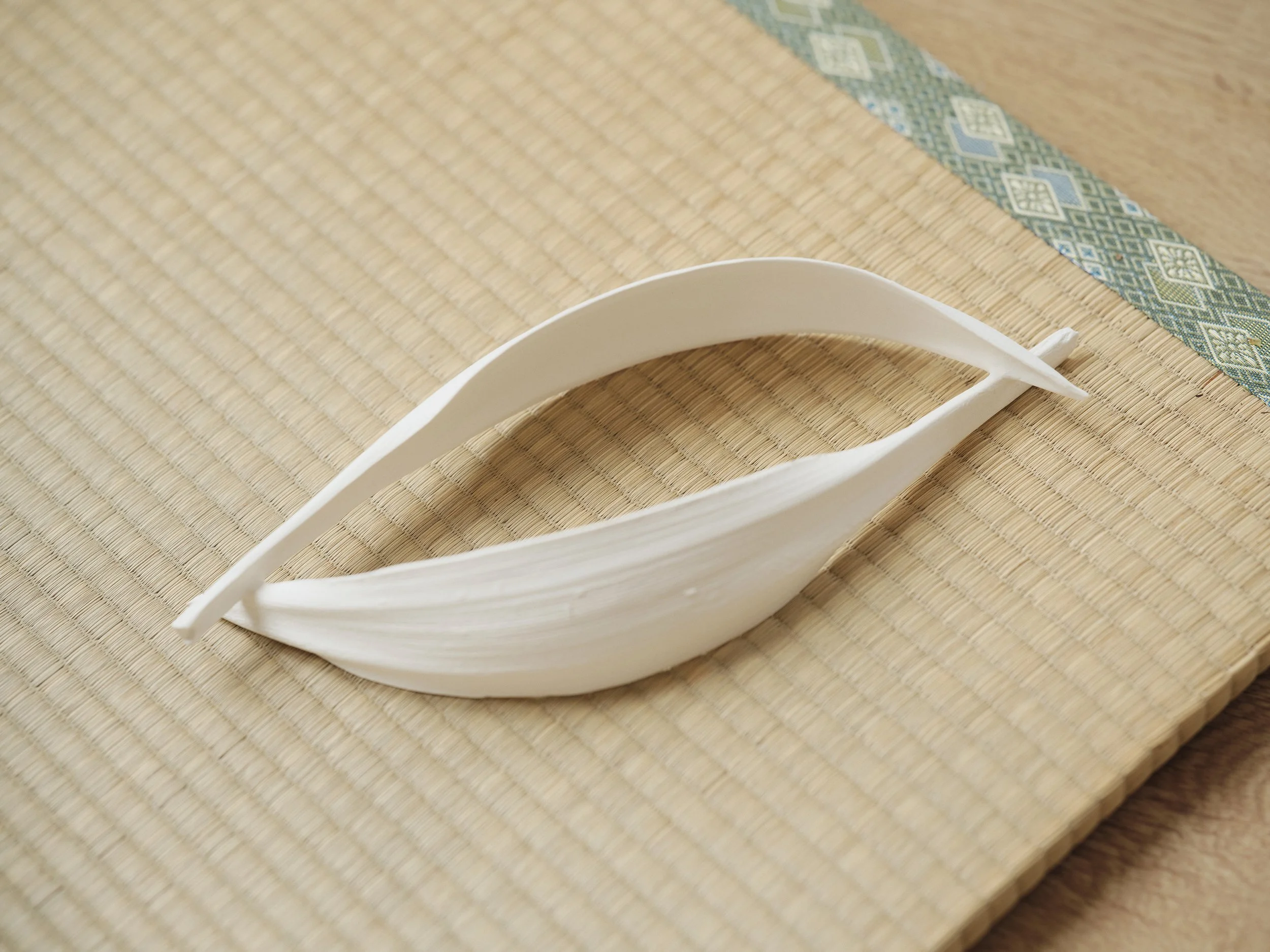
There is a beautiful quote by Shirasu Masako that you resonate with: "A natural flower is beautiful, but when it is touched by a human, it becomes a thought." How do you balance the wild, natural essence of your materials with your own private thoughts and emotions?
This quote comes from Shirasu Masako, a remarkable Japanese writer and aesthete whom I deeply admire. During my years in Japan, I discovered her writings and became fascinated by the way she connected beauty, nature, and everyday life. When I first came across the sentence, “A natural flower is beautiful, but when it is touched by a human, it becomes a thought,” it resonated with me immediately. I think it relates closely to ikebana, but it also goes beyond it. Traditional ikebana is deeply connected to history, seasonality, ritual, and a rich set of rules and principles. Studying within that tradition gave me a profound foundation, but this quote helped me understand something more personal: that flowers could also become a language for expressing my own inner world. It gave me permission to move beyond tradition and to use flowers as a medium for private thoughts and emotions. Just as another artist might work with clay, paint, or words, I found myself expressing my deepest feelings through natural materials. When I work with a flower, a branch, or a dried leaf, I am already responding to something that exists within the material itself—its movement, fragility, imperfections, or stage of life. My role is not to erase its natural character, but to listen to it and allow it to carry my emotions, memories, thoughts, and longings.
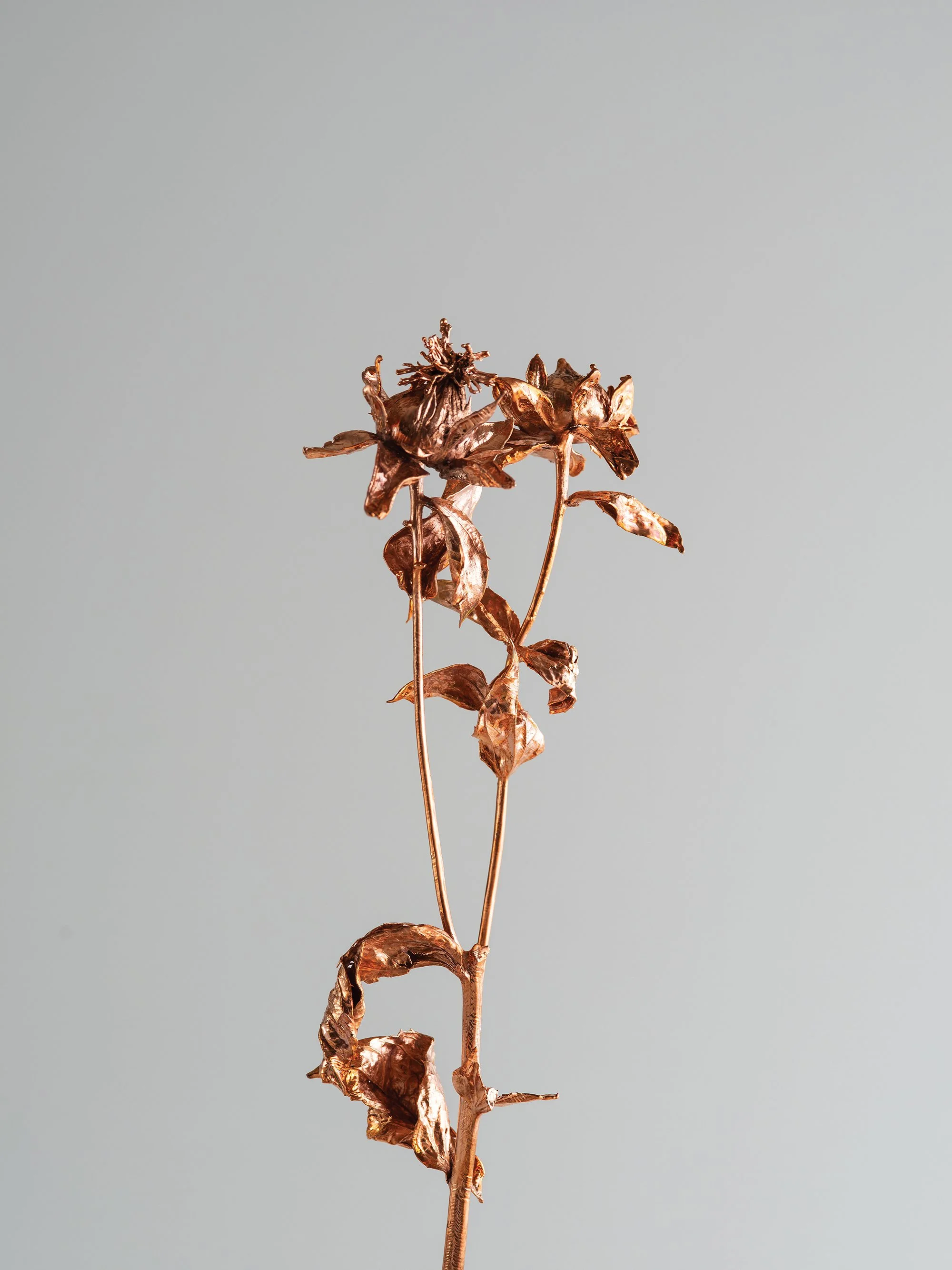
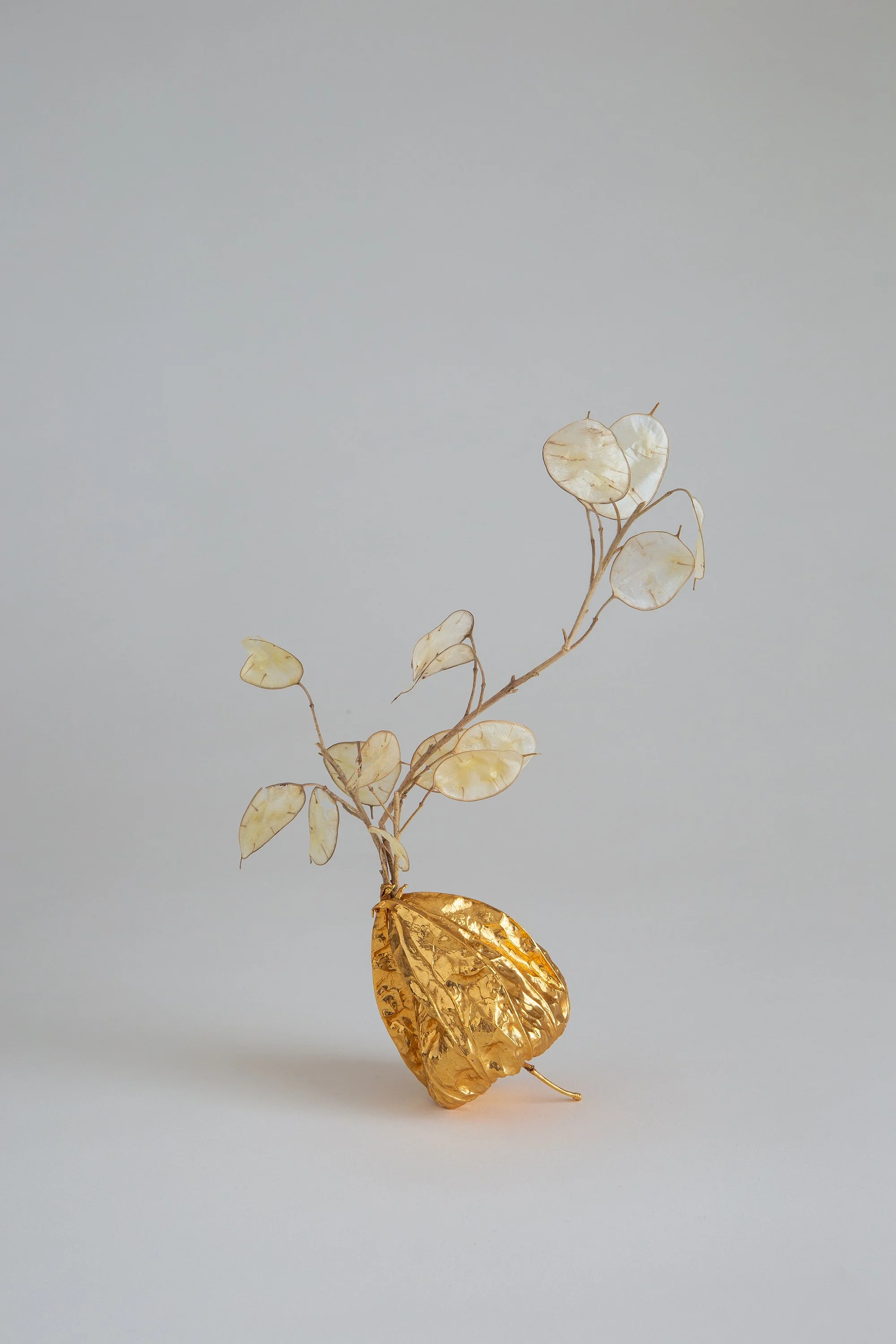
You often coat natural and dried flowers in copper and gold, giving them what you call a "second skin". What is the intention behind preserving nature this way—is it an attempt to grant eternal life to something inherently ephemeral?
In My Life in Flowers, I presented works of dried flowers coated in copper and gold, like a second skin. This gesture extends my practice from jewelry into sculpture, and continues my exploration of nature entering the gallery space and the way we perceive its symbolic and emotional presence. The coated flowers no longer decay or wilt; they remain within the sculpture, almost suspended in time, as if granted a form of permanence. Of course, this raises the question of whether true eternity is possible, or whether it simply transforms our perception of the ephemeral. For me, this work does not aim to deny impermanence, but rather to hold it in tension with the idea of the eternal—allowing both to coexist within the same object.
To conclude, your journey has taken you from Tel Aviv to Paris and Tokyo, evolving from high fashion to contemporary sculpture. Looking to the future, what new materials, landscapes, or emotions are you hoping to explore next in your work?
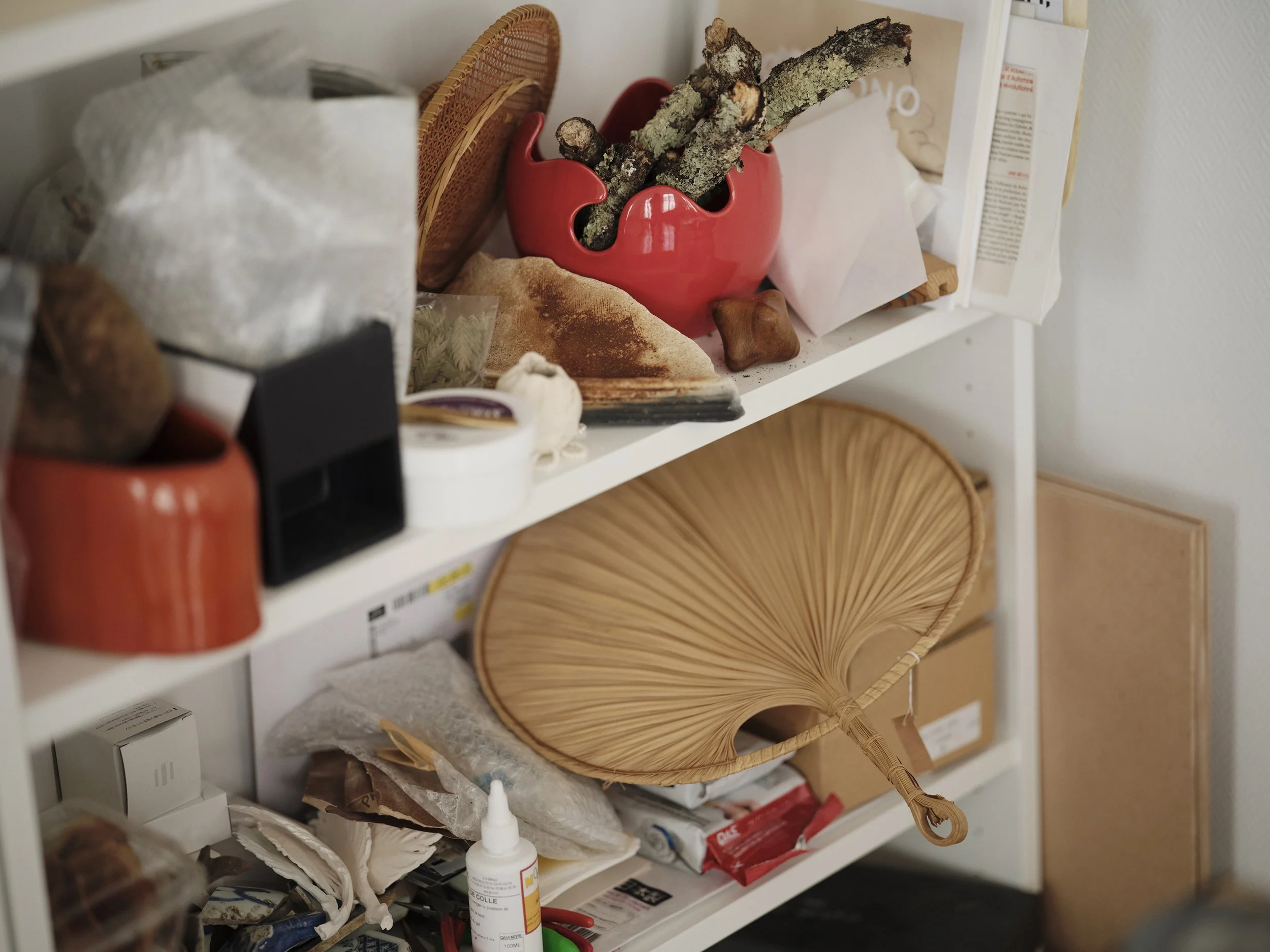
I have always believed that life is a great adventure. Following my dreams, I moved from Tel Aviv to London, Paris, Tokyo, and back to Paris again, with each place opening new perspectives and possibilities. My journey from fashion to jewelry, sculpture, ceramics, and ikebana has never felt like a series of separate chapters, but rather an ongoing process of learning and discovery. At heart, I am an artist, a researcher, and a traveler. I am interested in continuing to deepen the different aspects of my work while refining my own artistic voice. Returning to Paris last summer has opened a new chapter for me. Being surrounded by the city's vibrant community of artists, designers, and cultural institutions is both inspiring and energizing, and I look forward to the new dialogues and collaborations that may emerge from it. Looking back, the most meaningful turns in my life often began when I stepped into something I knew very little about—a new material, a new craft, a new culture, or a new place. Fashion led me to art, art led me to Japan, and Japan transformed the way I see the world. So rather than asking myself where I want to arrive, I am more interested in remaining open to what I have not yet discovered. Curiosity has guided me so far, and I trust it will continue to guide me into whatever comes next.
@mirit_weinstock
pictures - @davidvasiljevic_photo
jewelry - www.miritweinstock.com
ikebana - www.miritweinstock.com/pages/ikebana
art exhibition - www.miritweinstock.com/pages/exhibitions