
A patient gardener
Christian Louboutin in the Jardins de Kerdalo
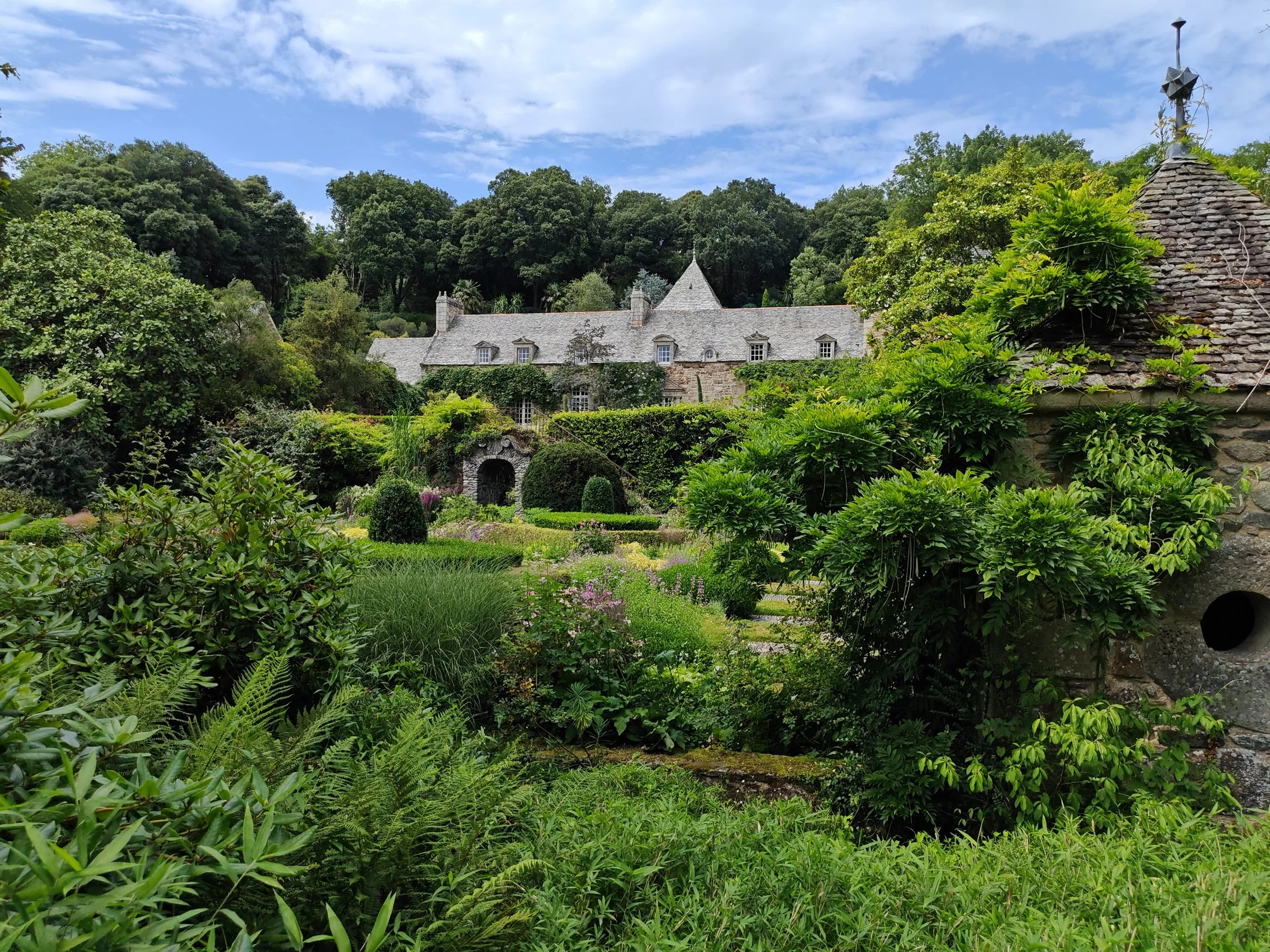
Before “millions of red soles miraculously blossomed, like poppies, on pavements around the world”*, Christian Louboutin set aside sketches and design for a time to create gardens. Four decades later, he is the proud owner of a “remarkable garden” in his native Brittany, which he is restoring and opening to visitors: a place to wander and wonder.
How did your passion for gardens begin, and how did it become a full-fledged pursuit to the point, for a time, of taking precedence over your work as a fashion designer, before you founded your shoe brand?
I developed an interest in plants, flowers, and trees at a very early age. It wasn’t so different from designing shoes. It’s all about textures, colours, shadows, light, materials… I started my first landscape practice when I was about twenty, in Vendée, at Bruno’s, my associate. At the time, I was designing shoes for various brands, and in 1988 I assisted Roger Vivier with his retrospective exhibition at the Musée des Arts de la Mode (now part of the Musée des Arts Décoratifs). I did everything for him, except design shoes. After working for the man I considered my mentor, I couldn’t see myself continuing to work for others. So, I turned another of my passions into a profession, and that’s when I began designing gardens.
The creation of the red sole is linked to the ‘Pensée’ design. To what extent did the world of gardening influence your approach?
It isn’t directly linked to Warhol’s silkscreen depicting a pansy, although it is true that the first red sole appeared on that particular design.
In my twenties — which is also why I stopped designing gardens — nature simply did not move fast enough for my impatience, typical of that age. It requires patience. Through them, I also learned that man cannot be master of everything and, above all, that nature forces you to be humble.
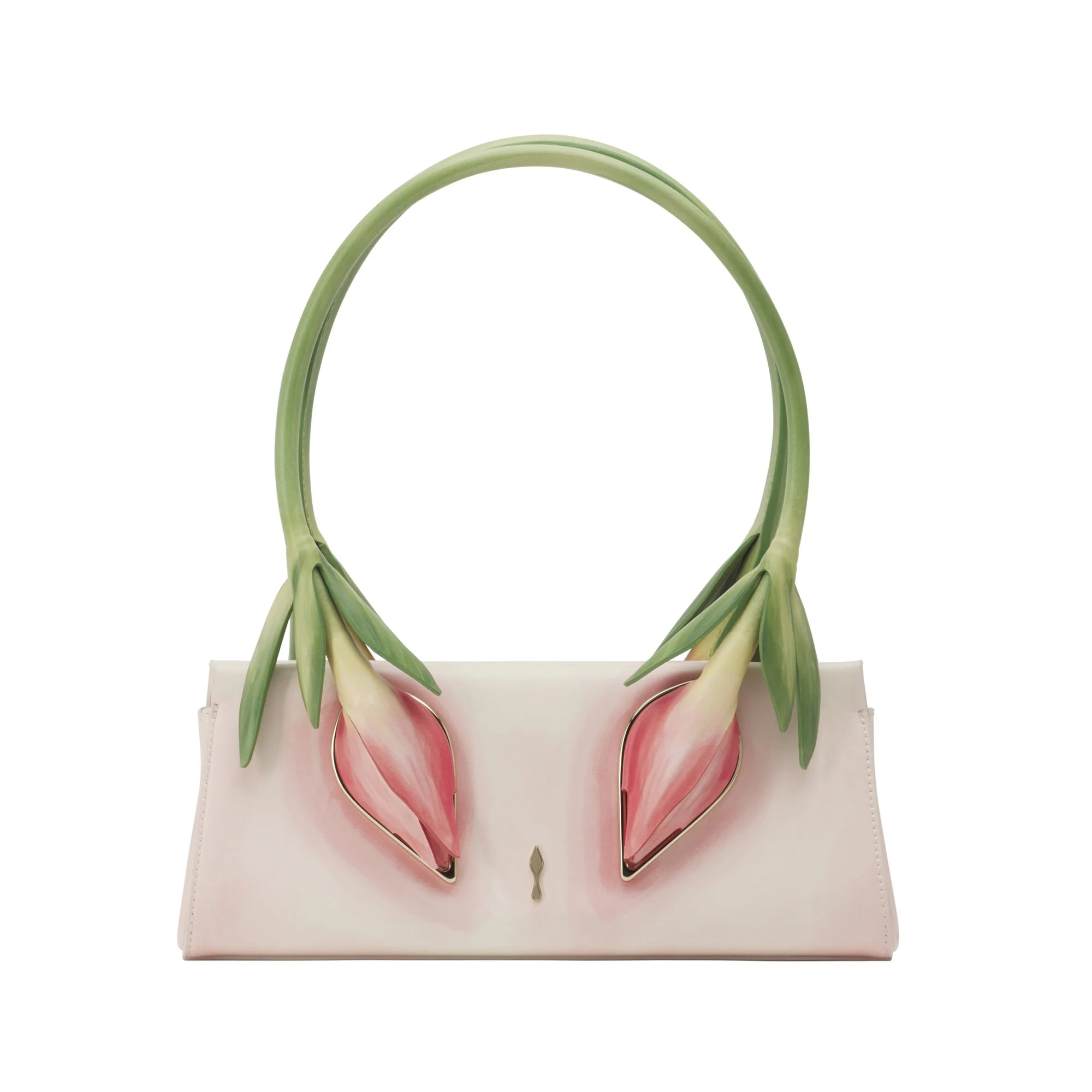
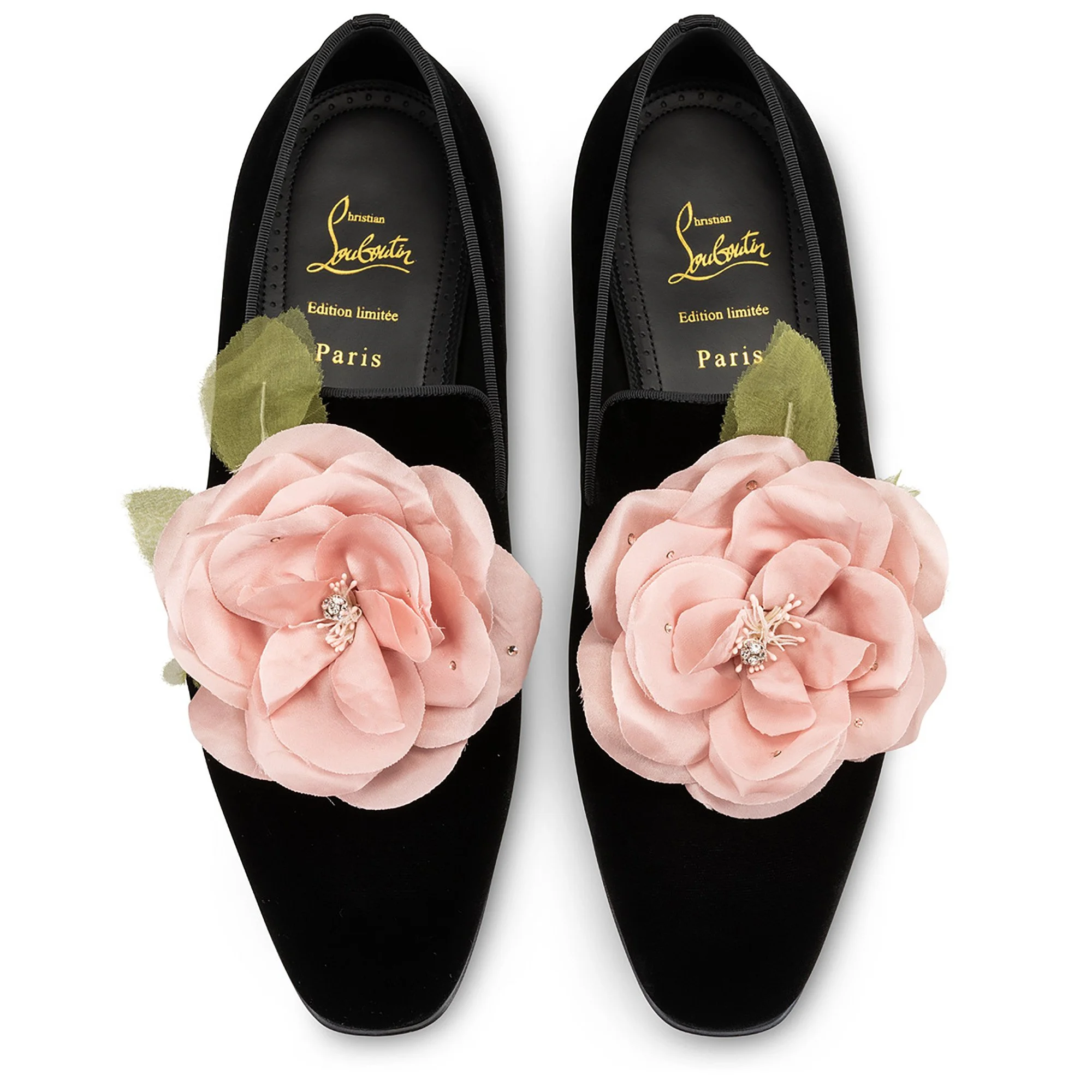
Are there any designs or objects in your collection today that are directly inspired by the world of gardens or botany?
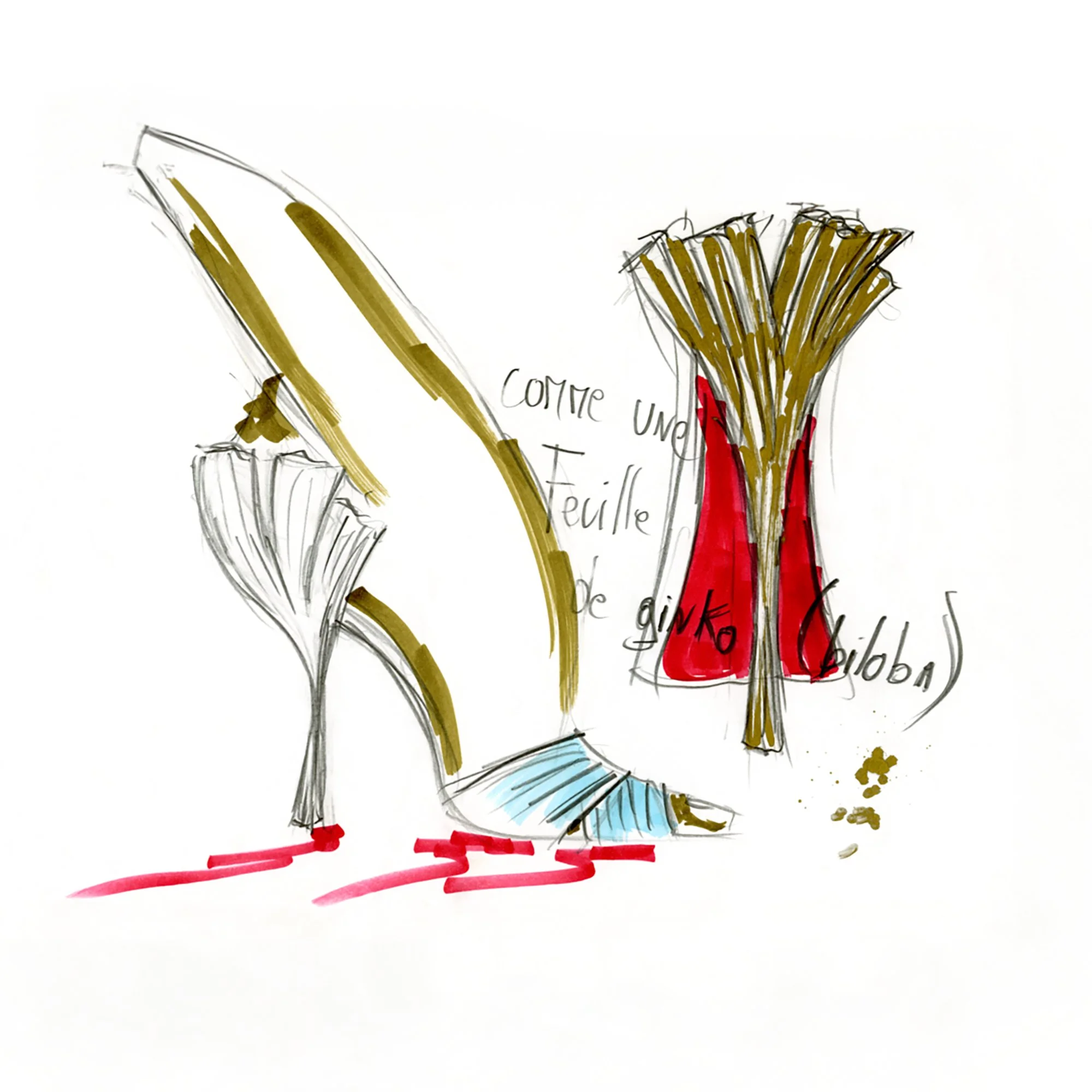
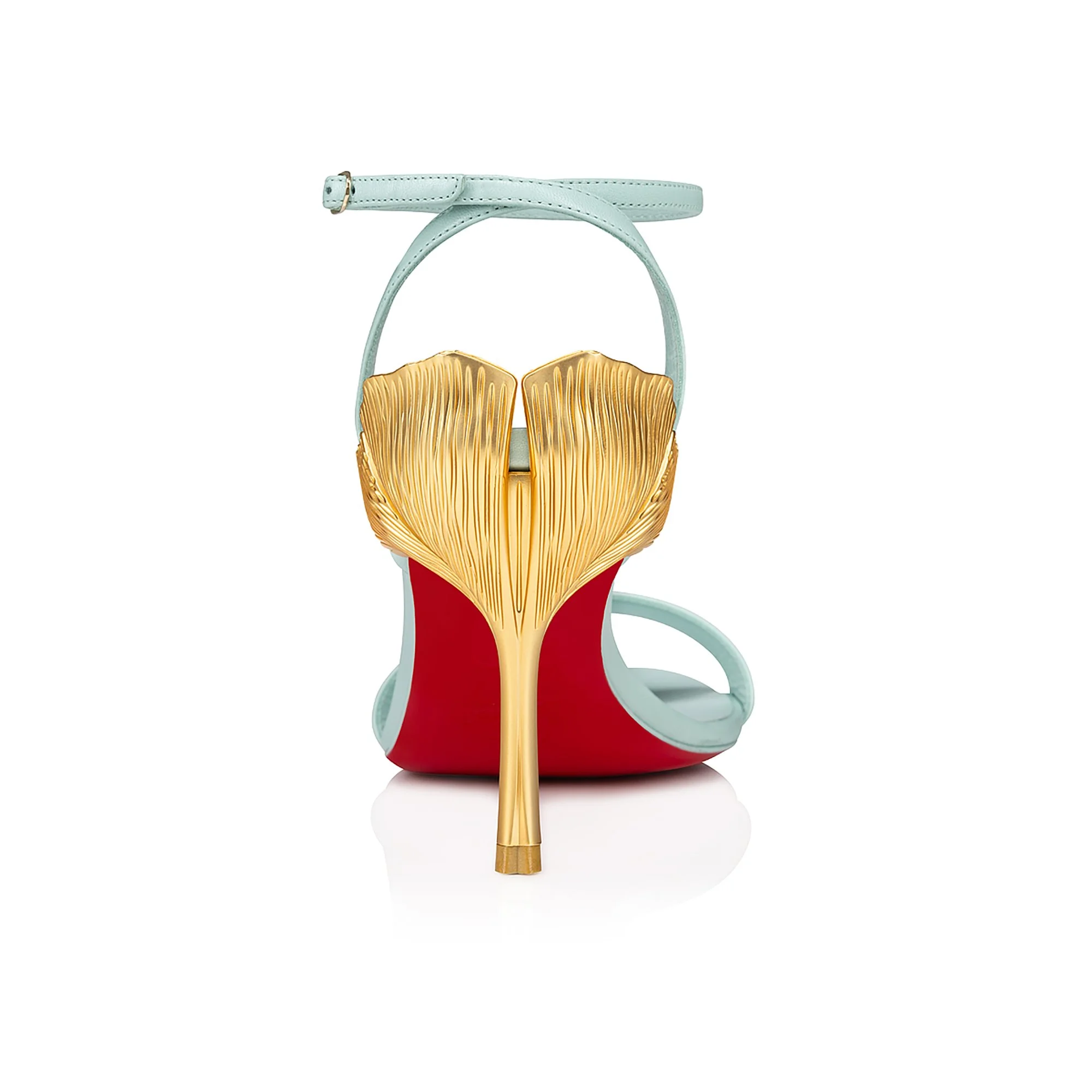
Of course, and this has been the case since my early collections. In 1995, I launched the Clovis shoe, which features a plexiglass heel containing hydrangea petals that I had gathered in Vendée. It has been a hugely inspiring world for me, whether French formal gardens, the Alhambra, Hidcote Manor, or Mughal and Persian landscapes, and so on…
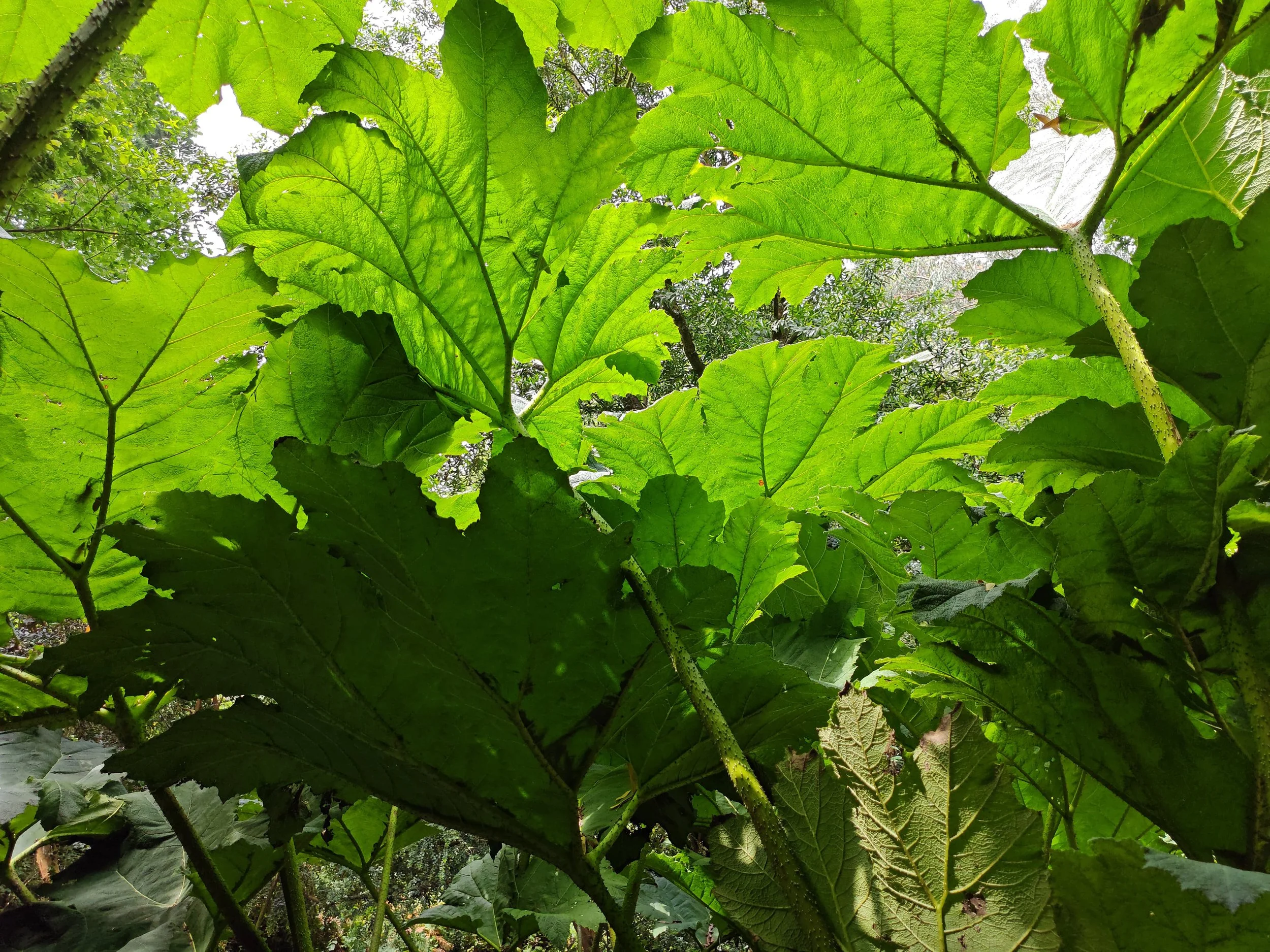
Plants, in the broadest sense, often feature in my collections through textures: pansies become velvet, the underside of certain bamboo leaves becomes iridescent leather, or even a combination of colours I might have observed in a flowerbed. Botanical inspiration is never far away.
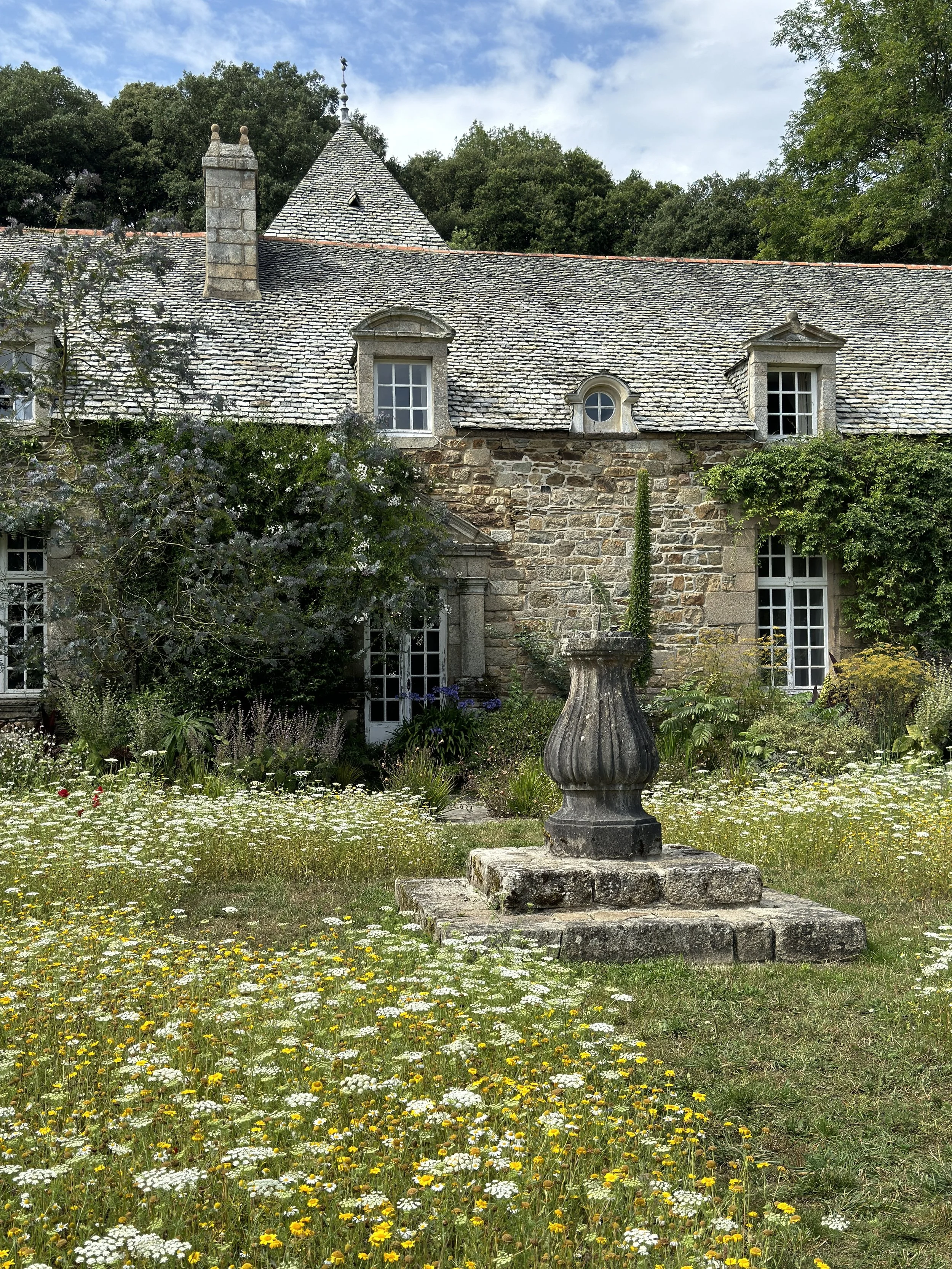
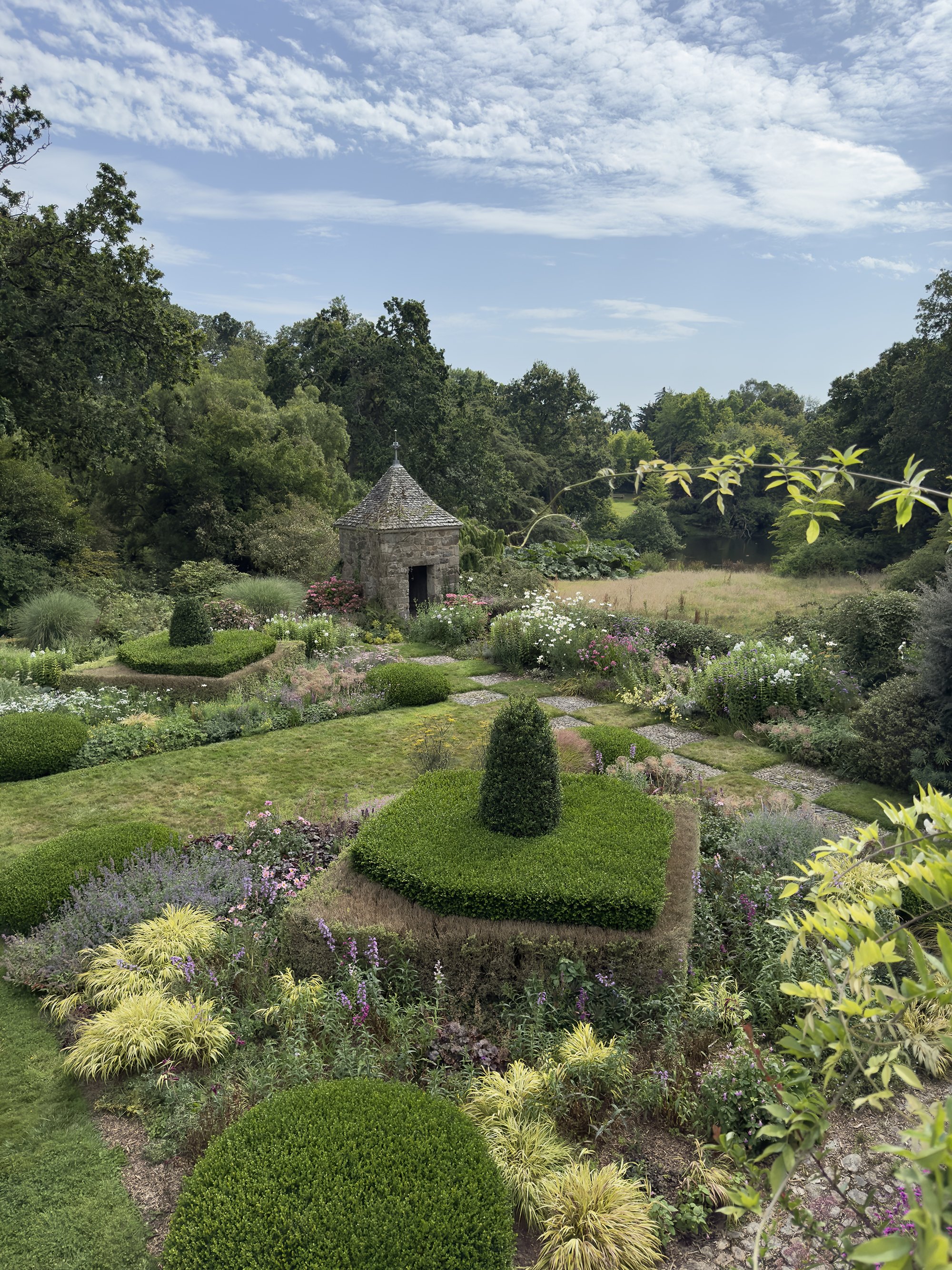
You’re originally from Brittany — how did Kerdalo enter your life, and holds a particular place within your creative ecosystem, which now spans fashion, hospitality, and lifestyle?
I discovered Kerdalo whilst I was creating a garden, in my mid-twenties, on the island of Bréhat. There was no nursery on the island, and the nearest one was run by Timothy Vaughan at Kerdalo. The grounds were not open to visitors, but when I went to the nursery I sneaked a little peek, catching a glimpse of the Quatre Carrés before making a quick getaway when the Prince appeared. It was a fleeting sight, but one that left a strong impression on me. In 2020, it took me a few days to react when I heard, in passing, that Kerdalo was for sale. I then jumped on a train to meet Isabelle Vaughan.
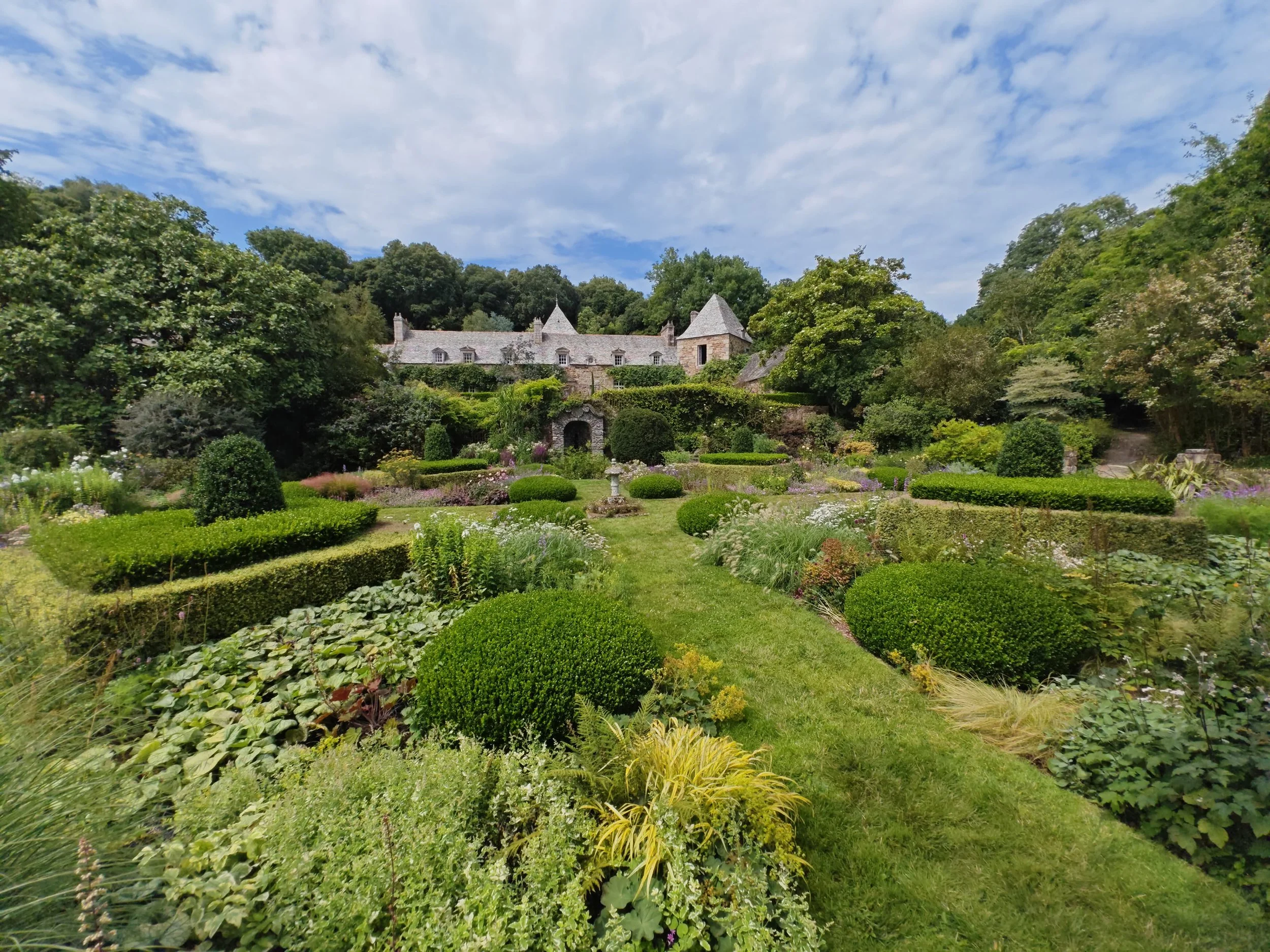
Kerdalo has since become a very important place for me. It is a space where I find inspiration, where I express myself through the choice of plants, viewpoints, and in the restoration of the house. I take friends, family, and collaborators there alike. The energy of the place is extraordinary. It is precisely this: gardens, like houses, carry a force to which I am particularly receptive.
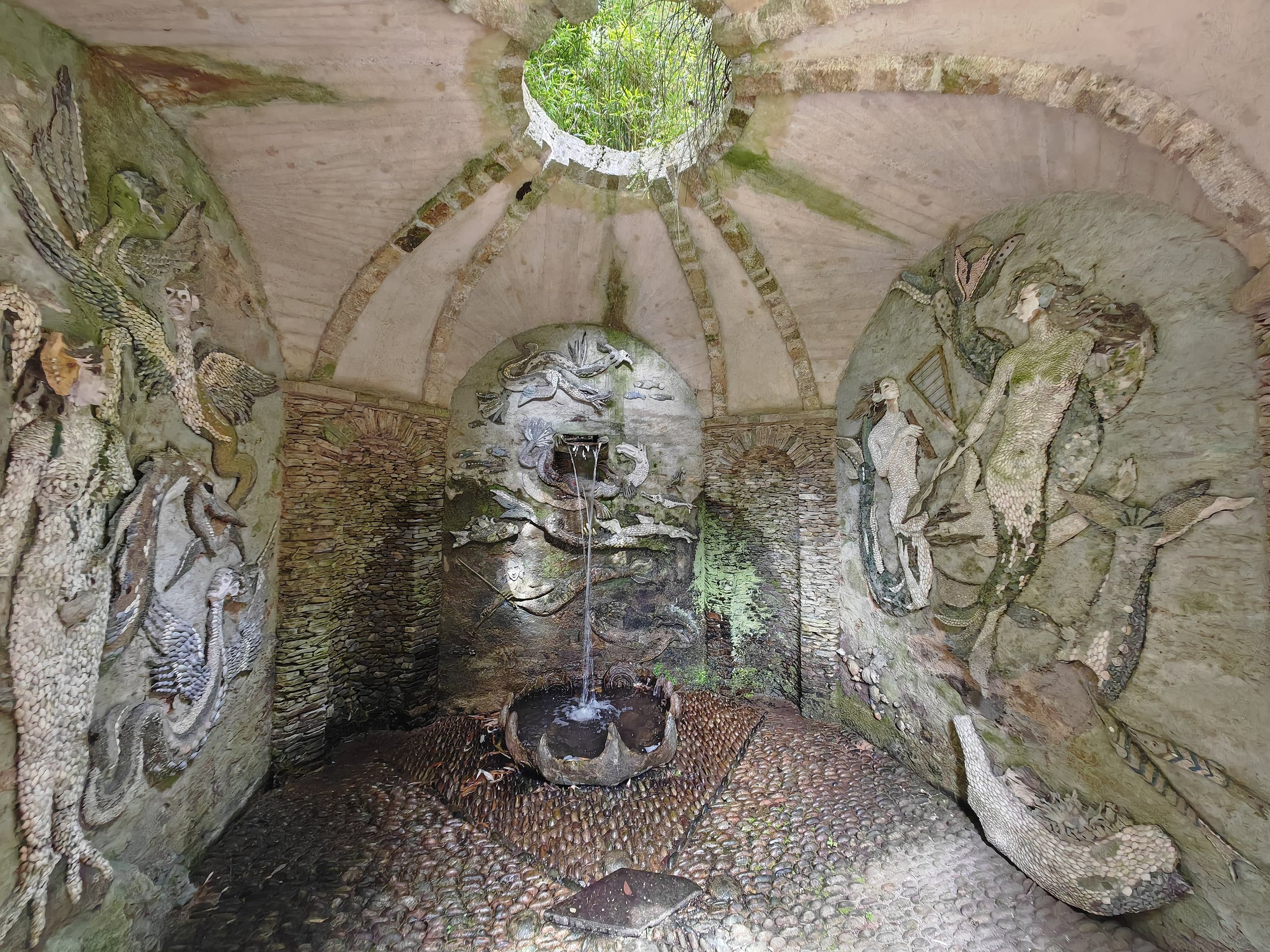
What made you want to take on the challenge of restoring this historic garden?
I am Breton — it was a kind of return to my roots. Passion, I suppose, and also the challenge. But there is also a certain responsibility in preserving such a fragile work. I am very serious when it comes to heritage, even if I don’t have a precise reason for it. I believe in the vital importance of preserving heritage, whatever it may be and wherever it may be.
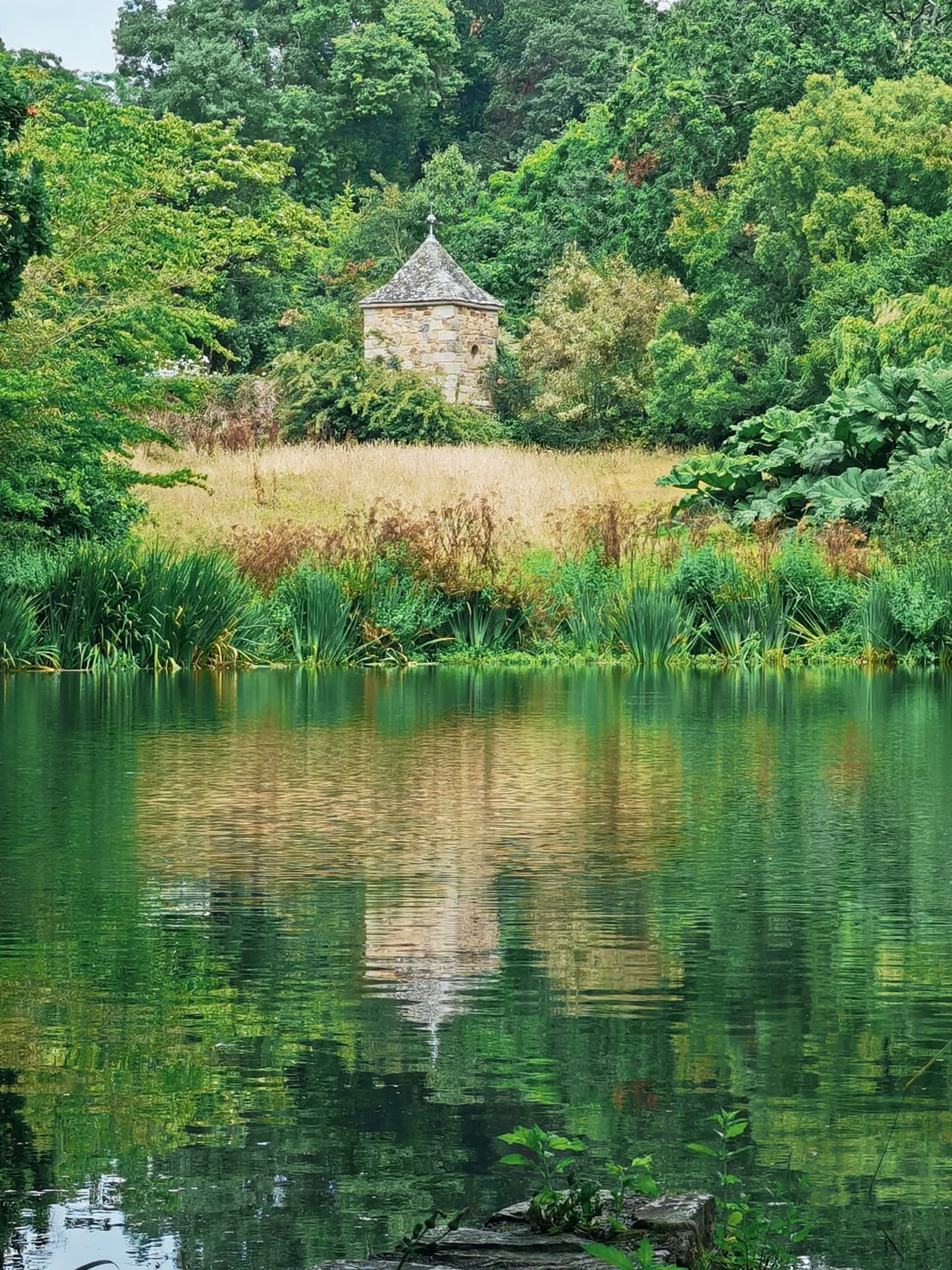
How did you organise this restoration work, and with which teams?
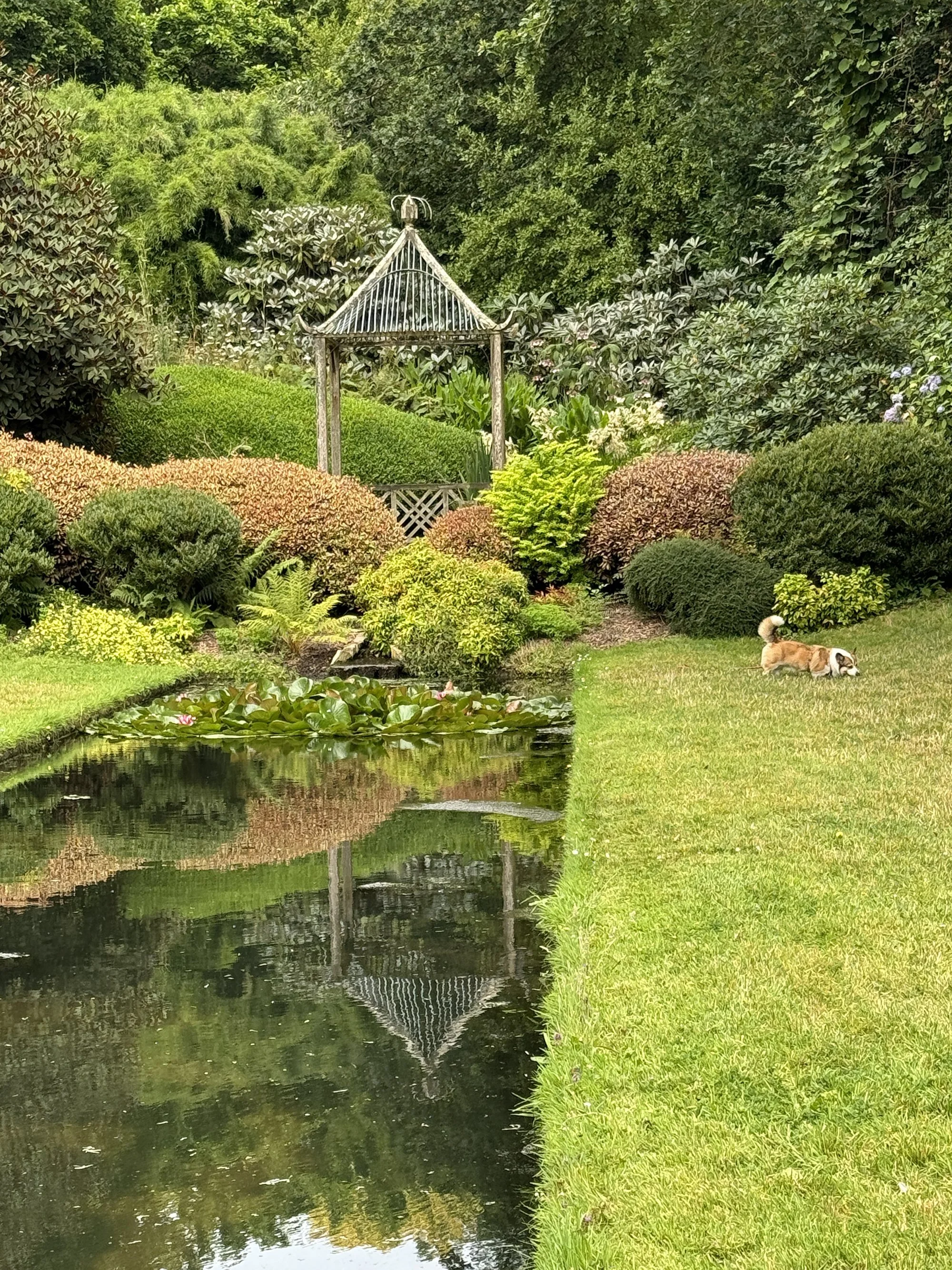
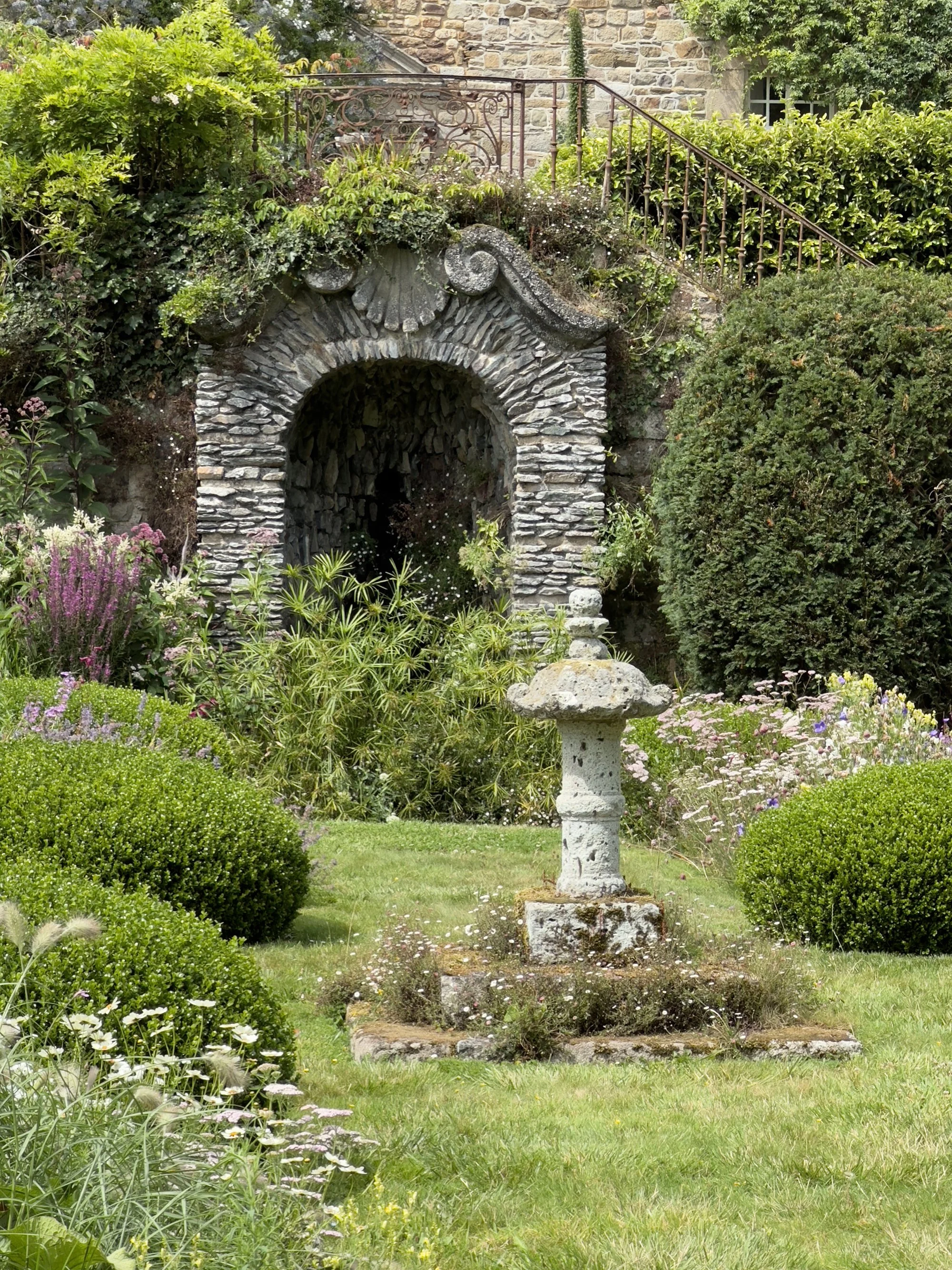
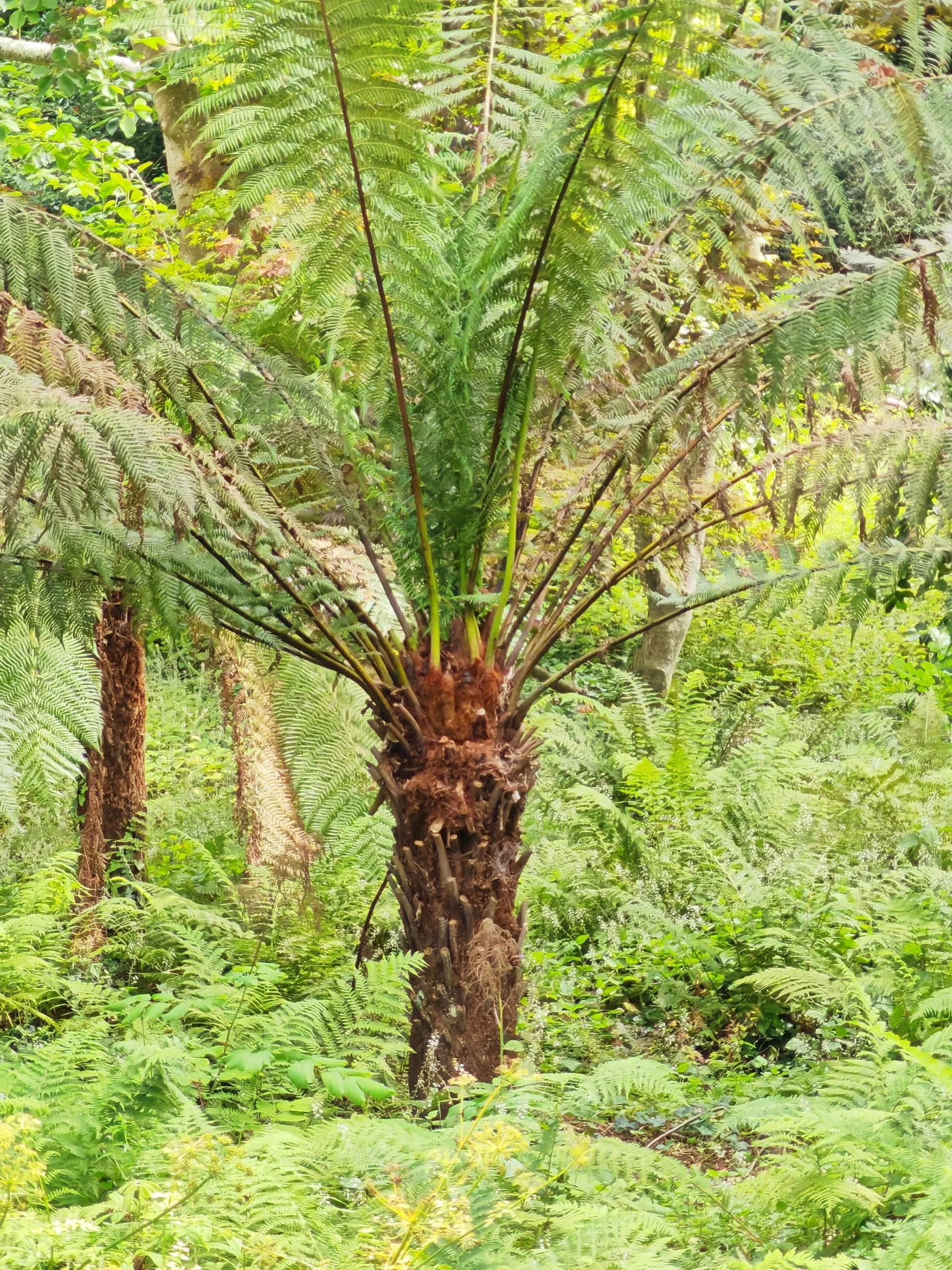
The Gardens have undergone little restoration work since their creation in the mid-1960s. With the support of the DRAC Bretagne, the craftsmen who have worked in the Gardens for several decades, and a solid team of gardeners, we tackled the most urgent issues: re-waterproofing the canals and ponds, whose leaks were causing the surrounding plants to rot; replanting species better suited to withstand drought and water shortages; and creating a visitor route that makes P. Wolkonsky’s vision clearer. The next phase of work will focus on the shell decorations in the pavilions of the Quatre Carrés and the Italian grotto.
How would you describe your style of garden?
I love landscapes that reflect the history of their creator. I much prefer eclectic gardens to ‘historic’ ones. I love places that feel alive, thanks to water and scents, and which evoke a sense of peaceful, quiet tranquillity.
What is your vision for Kerdalo today: a botanical laboratory, a source of personal inspiration, a plant conservatory, or a place for passing on knowledge?
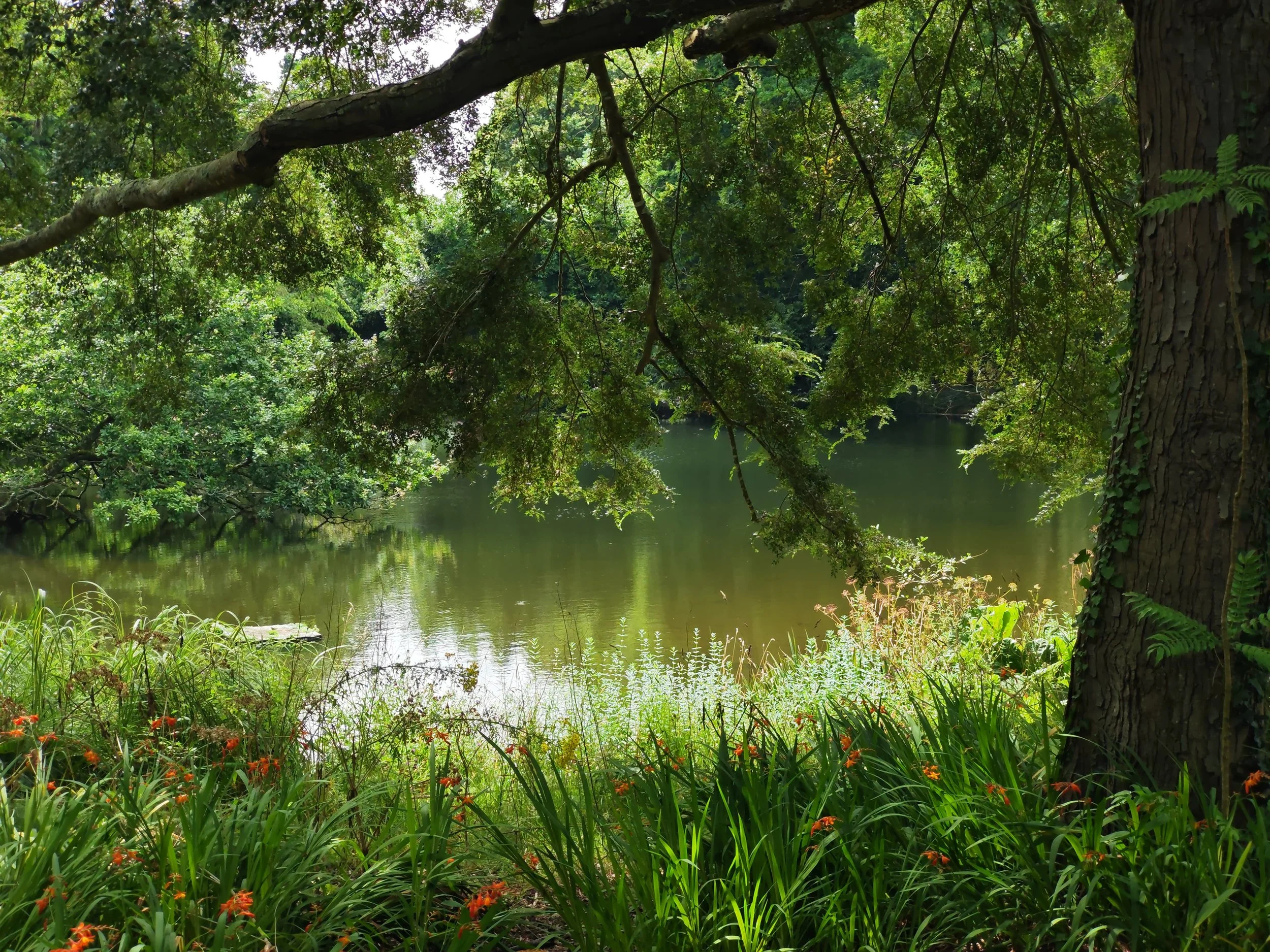
I believe that for a place to endure, you must first and foremost love it; that is why I spend so much time there. But today, the most important thing is to make Kerdalo resilient. It is a garden that began in the 1960s, planted with specimens suited to the climate of that era but which today is suffering from climate change. A number of trees and plants die every year from lack of water, while others succumb to storms, so the question arises of how to ensure the long-term survival of this work and its evolution. Together with the team of gardeners on site, we are trying to introduce new practices and new varieties. It provides a wonderful canvas for experimentation, whilst keeping the original vision of the creator of the estate at heart.
Are there any special events or programmes planned this summer for visitors to the gardens?
The estate is still very much a work in progress. The restoration of the house should be completed in the autumn. The Quatre Carrés, in a new version designed by the Italian ceramicist Giuseppe Ducrot, are taking shape; I am thinking of the chinoiserie at the end of the canal, which is falling into disrepair and will need to be reimagined. The grounds are not quite ready yet for a cultural programme. But they are, on the other hand, beautiful, adorned with their colours and suffused with their scents. They are waiting to be loved and appreciated. Kerdalo will evolve slowly but surely, at a pace where visitors will always be welcome, and I hope they will be surprised by the elegance of the place.
*Éric Reinhardt, Christian Louboutin Exhibition[niste], Rizzoli, 2020.
Interview & pictures by Juliette Sebille @juliette.sebille
Les Jardins de Kerdalo @les.jardins.de.kerdalo @christianlouboutin
www.lesjardinsdekerdalo.com