
Nature Captured in Blue
A Conversation with the Creative Duo Behind Invincible Été
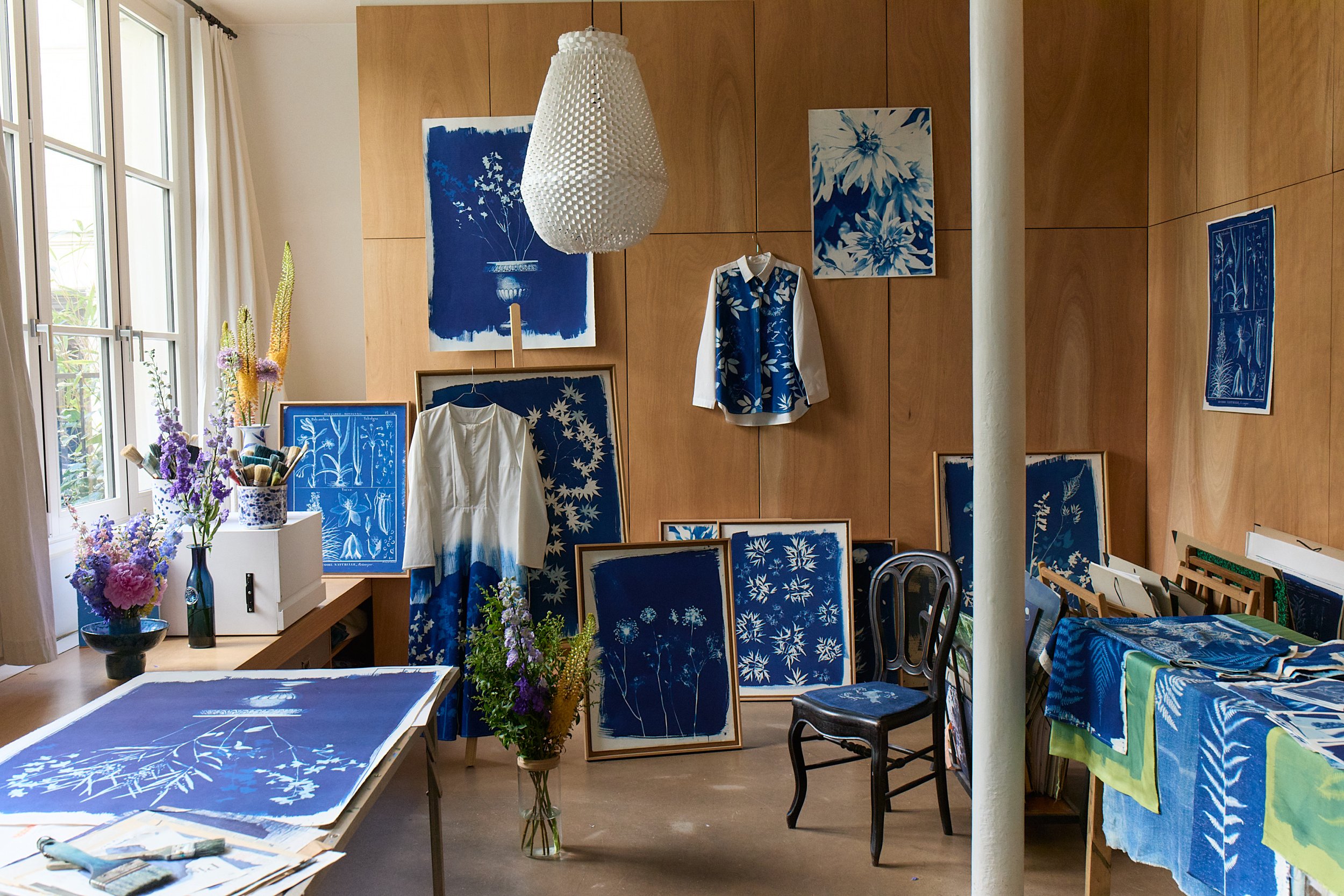
Imagine a world where time stops, and the fleeting beauty of a wildflower is captured forever in a deep, hypnotic shade of Prussian blue. This is the daily reality for Camille and Marie, the visionary duo behind Invincible Été. Balancing traditional 19th-century craftsmanship with a fiercely modern edge, they have turned the ancient art of cyanotype into a creative playground—one that has caught the eye of the world’s most prestigious luxury houses. In this exclusive interview, they share the secrets behind their patented innovations, their captivating creative dance, and how they manage to capture the eternal warmth of the sun.
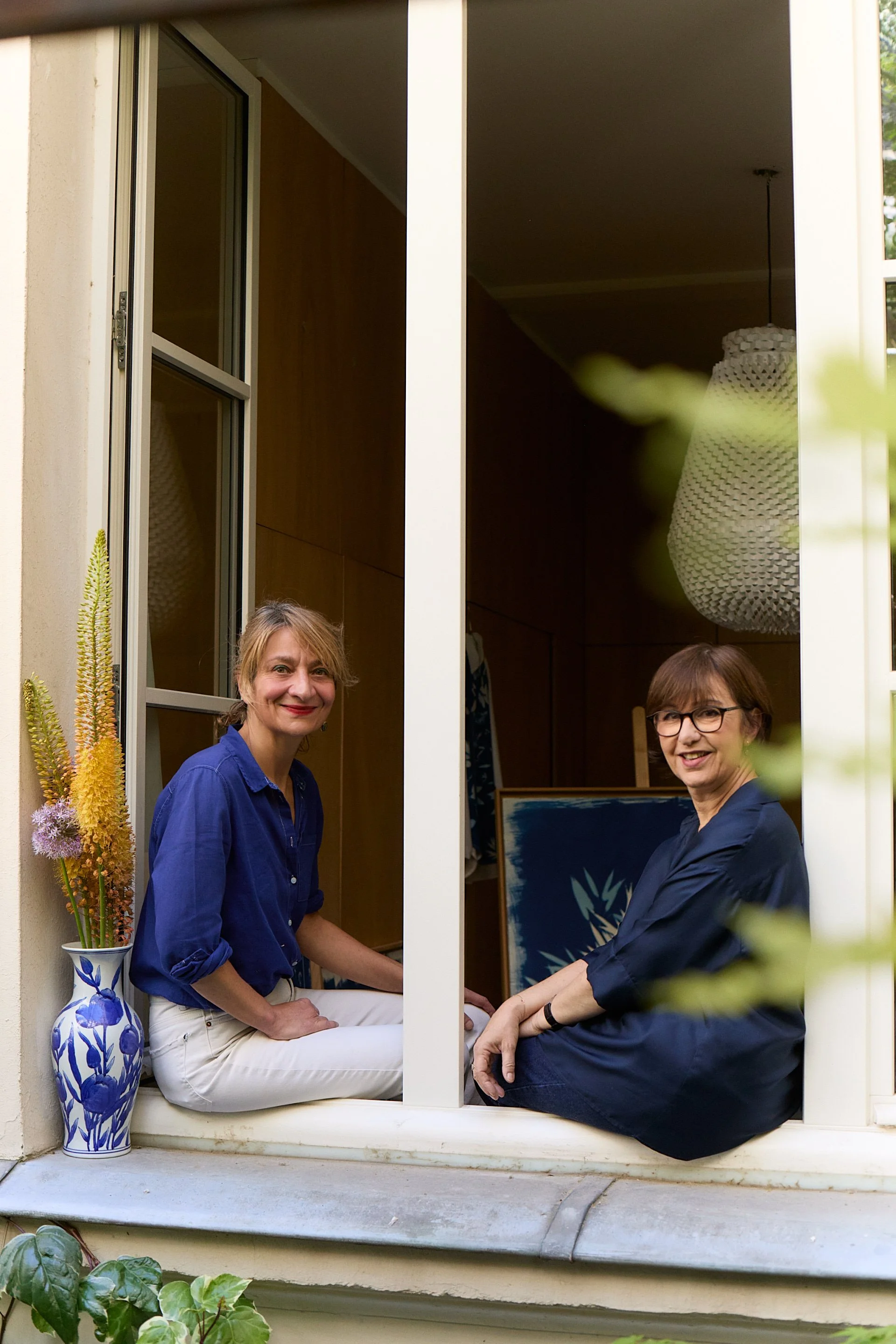
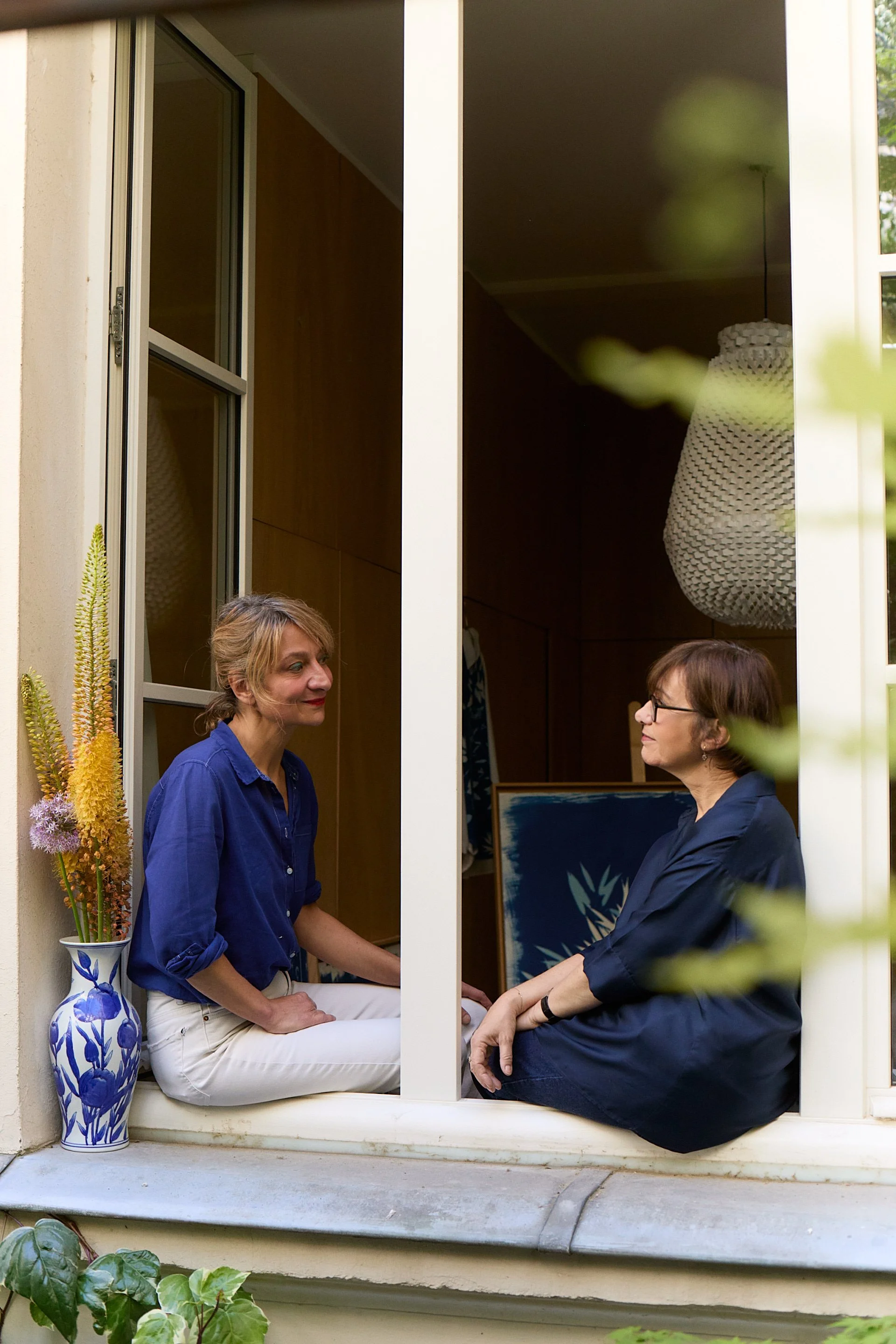
Your brand has a beautiful and evocative name, Invincible été (Invincible Summer). What is the story behind this name, and what does it represent for your duo?
This name comes from a famous quote by Albert Camus that I absolutely adore:
“In the midst of winter, I found there was, within me, an invincible summer.”
— Return to Tipasa, 1952
This “invincible summer”—which we adapted to name ourselves Invincible Été—makes perfect sense for us. Cyanotype is deeply connected to the sun, to light-filled days that allow us to expose our prints, to warm nights where the paper can dry... to nature in full bloom that we take joy in capturing forever... to the happiness of rinsing large formats with plenty of water, and to the blue of the sky and the sea!
And when you own a cyanotype... right in the heart of winter, this blue plunges you back into those warm, sunny sensations of the past summer while you wait for the next one. It’s a true sensory remedy to get through the cold months!
For Camille: You discovered the cyanotype technique during a trip to Greece, but you didn't launch the project immediately. What was the spark, the turning point that pushed you to transform this passion into a real professional business?
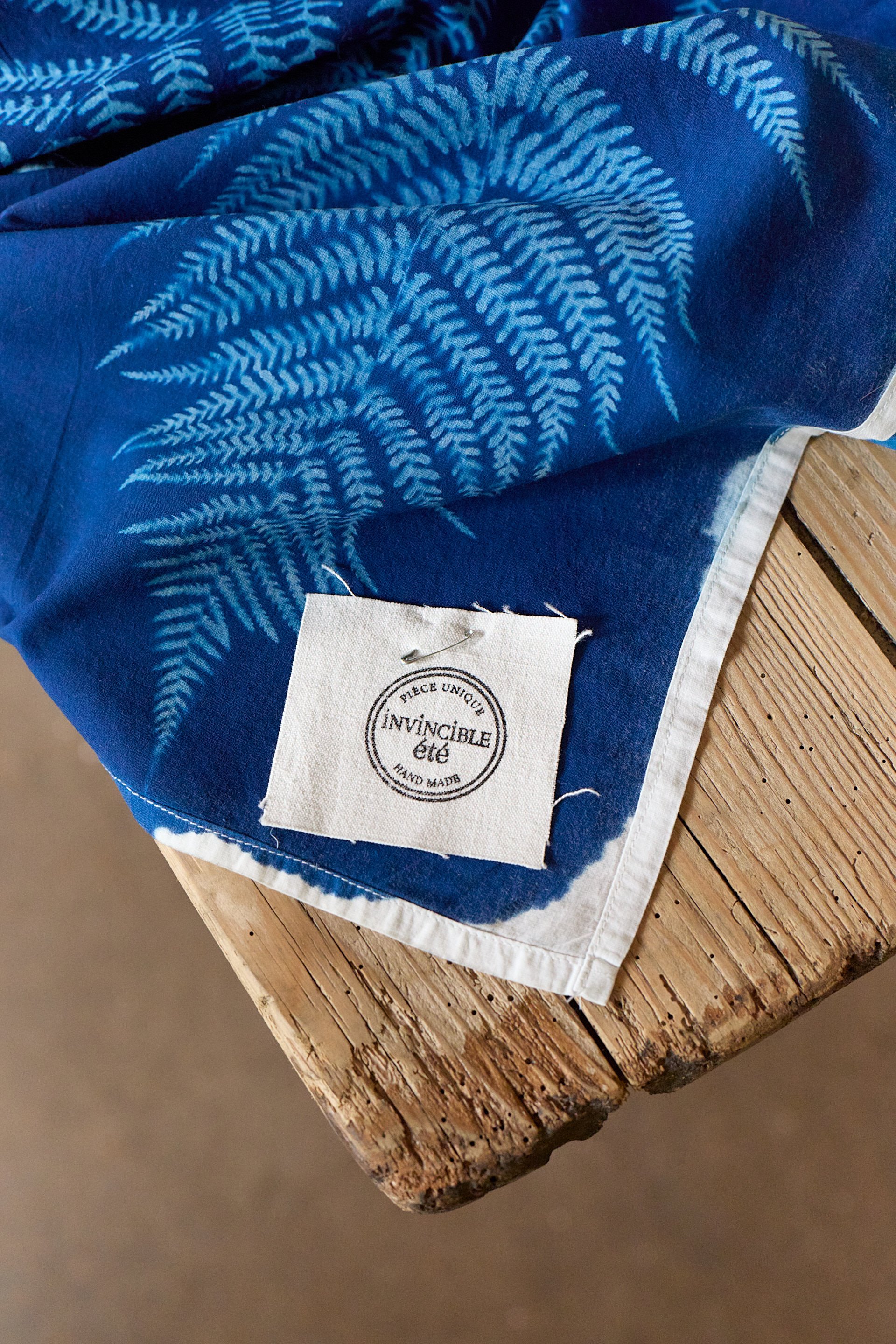
Discovering it in Greece during the summer of 2017 with an artist friend, Erik Rehl, was a real shock... I couldn't believe I had never heard of this technique before, despite my years of study at École Estienne, the Beaux-Arts de Paris, and Leeds Metropolitan University in England, not to mention my family heritage (being a descendant of the Brongniart family and the Audouin naturalist family—both passionate about botany and herbaria).
Coming back from that Greek summer, it was obvious to me that I had to revive this process and share this wonderful history. However, I never do projects alone because I love teamwork, the energy that comes from it, and sharing skills. Everything is always easier when there are two of you, and happiness is shared with even more joy—plus, there are many skills I simply don't have.
I was looking for the ideal partner... time passed, and I was champing at the bit because I couldn't see who to build this artistic project with. When Marie and I had lunch in April 2018, and she shared her desire to start a “handcrafted” project to get away from the computer, it became an absolute certainty that I had to do this project with her. We’ve known each other for 35 years. Marie has an inexhaustible work ethic, skills very different from mine, and a calm temperament that soothes me... I am excessive, she is measured; I am blunt, she uses kid gloves; I am a fashion stylist, she is a graphic designer; I am all about movement, she is all about stability... but we are both publishers and makers at heart, with eyes trained in design and art.
We are a duo of opposites and differences, yet we share the exact same values of friendship, commitment, hard work, and humanity. For both of us, this project is a creative outlet—a "danseuse"—that allows us to explore other worlds and ecosystems with complete freedom and no constraints, to experience wild and creative projects... and we are both incredibly hard workers to balance it all.
For those who aren't familiar with cyanotype, could you explain the main steps of creating a print? How does the magic happen, from the paper to the final blue image?
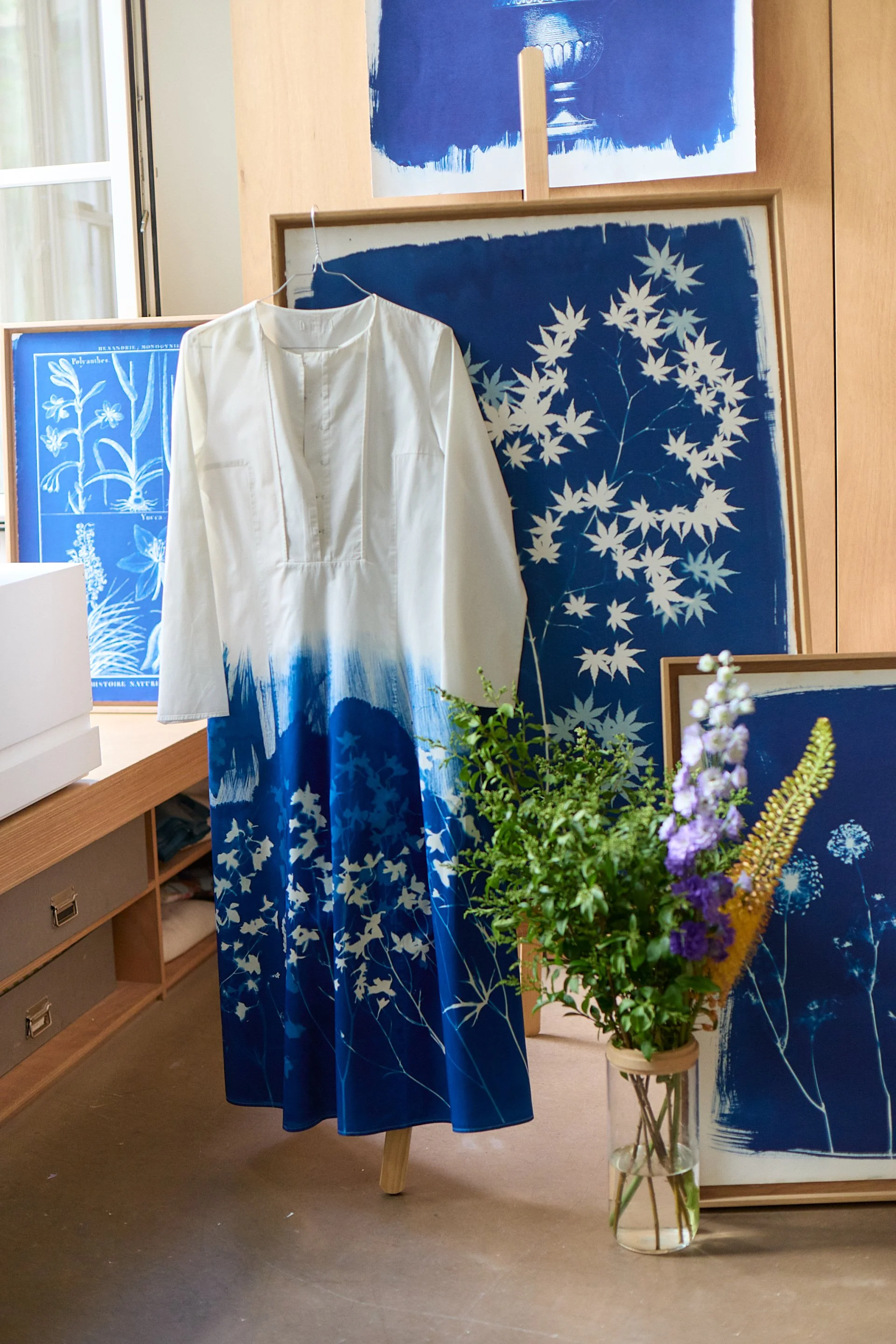
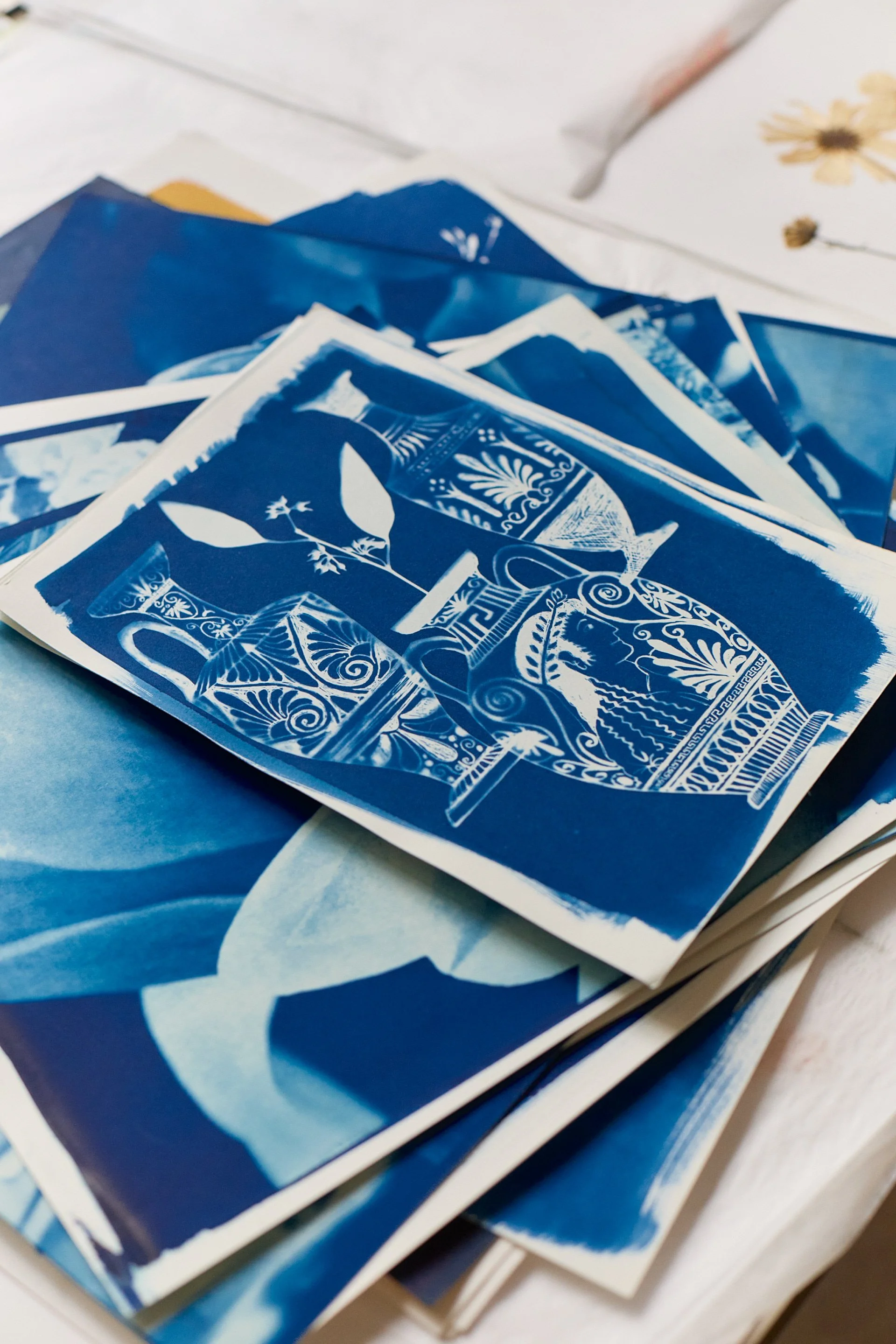
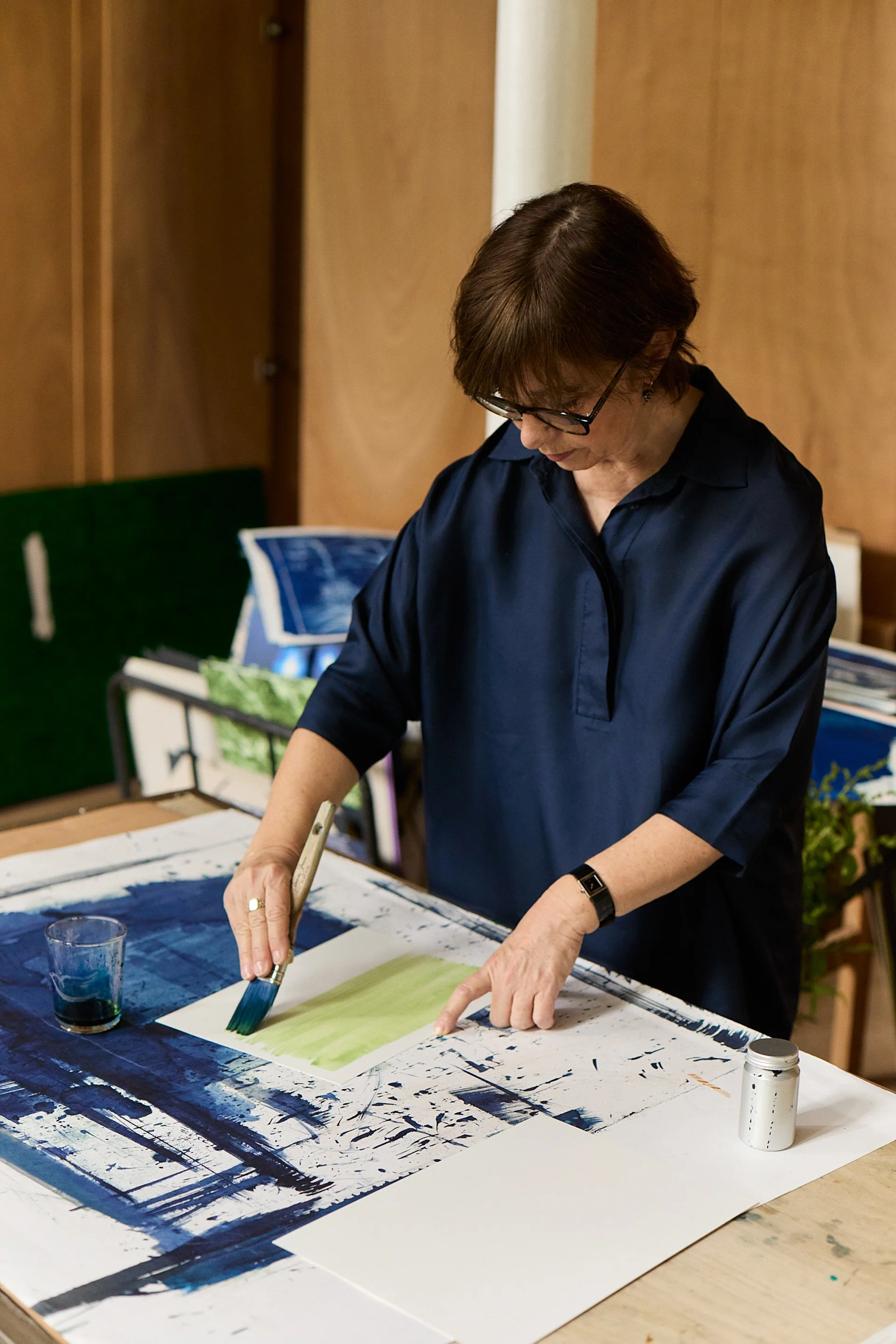
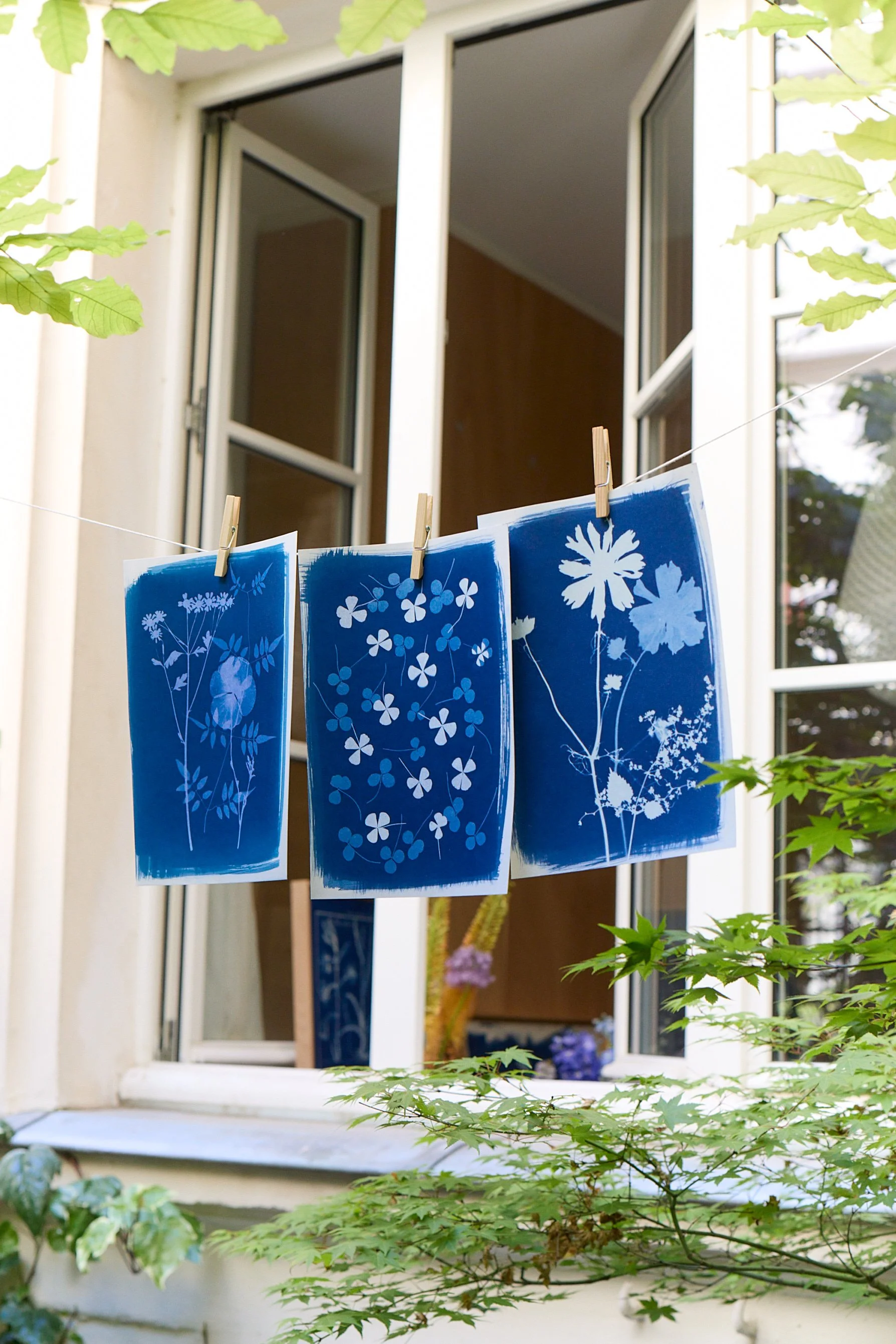
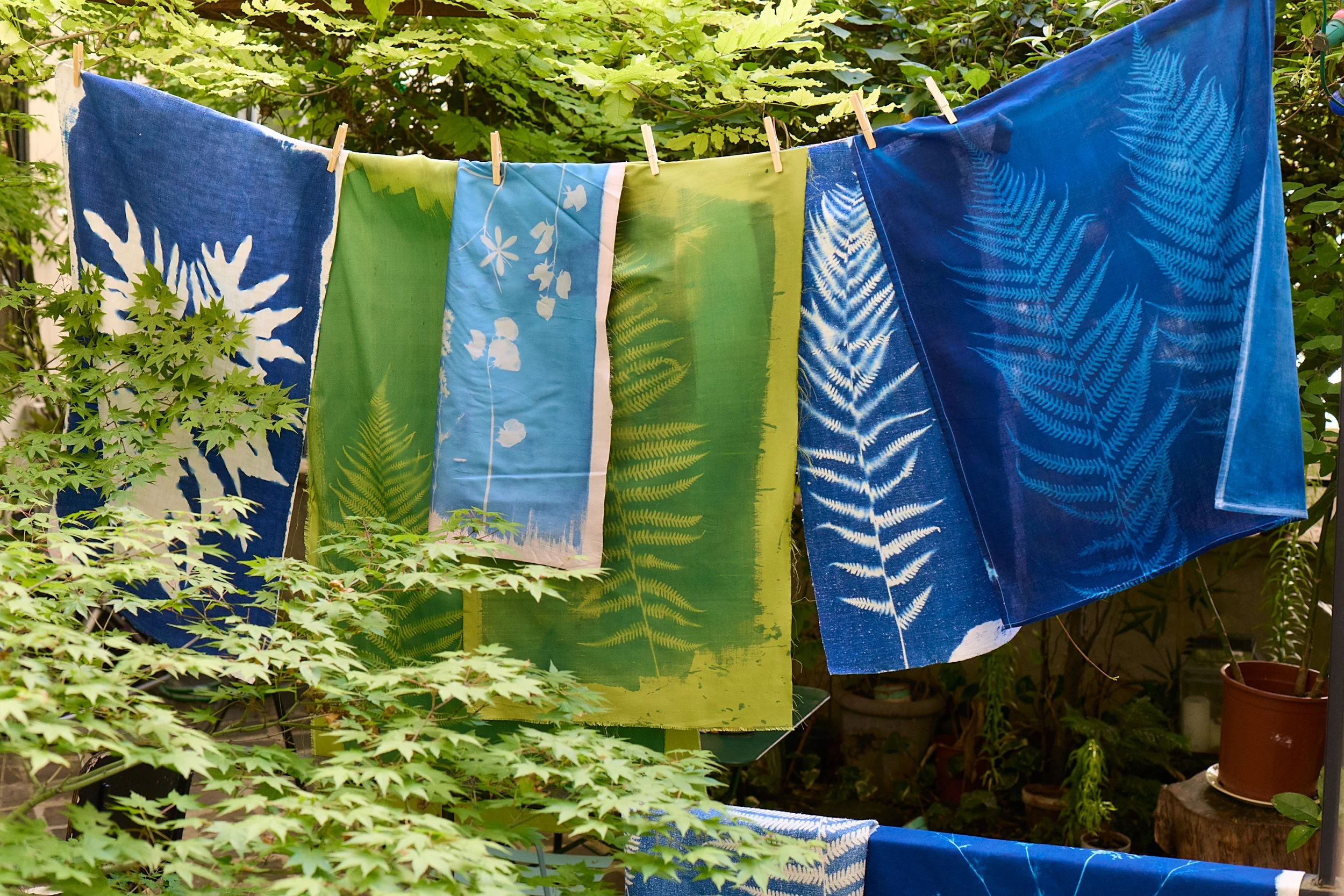
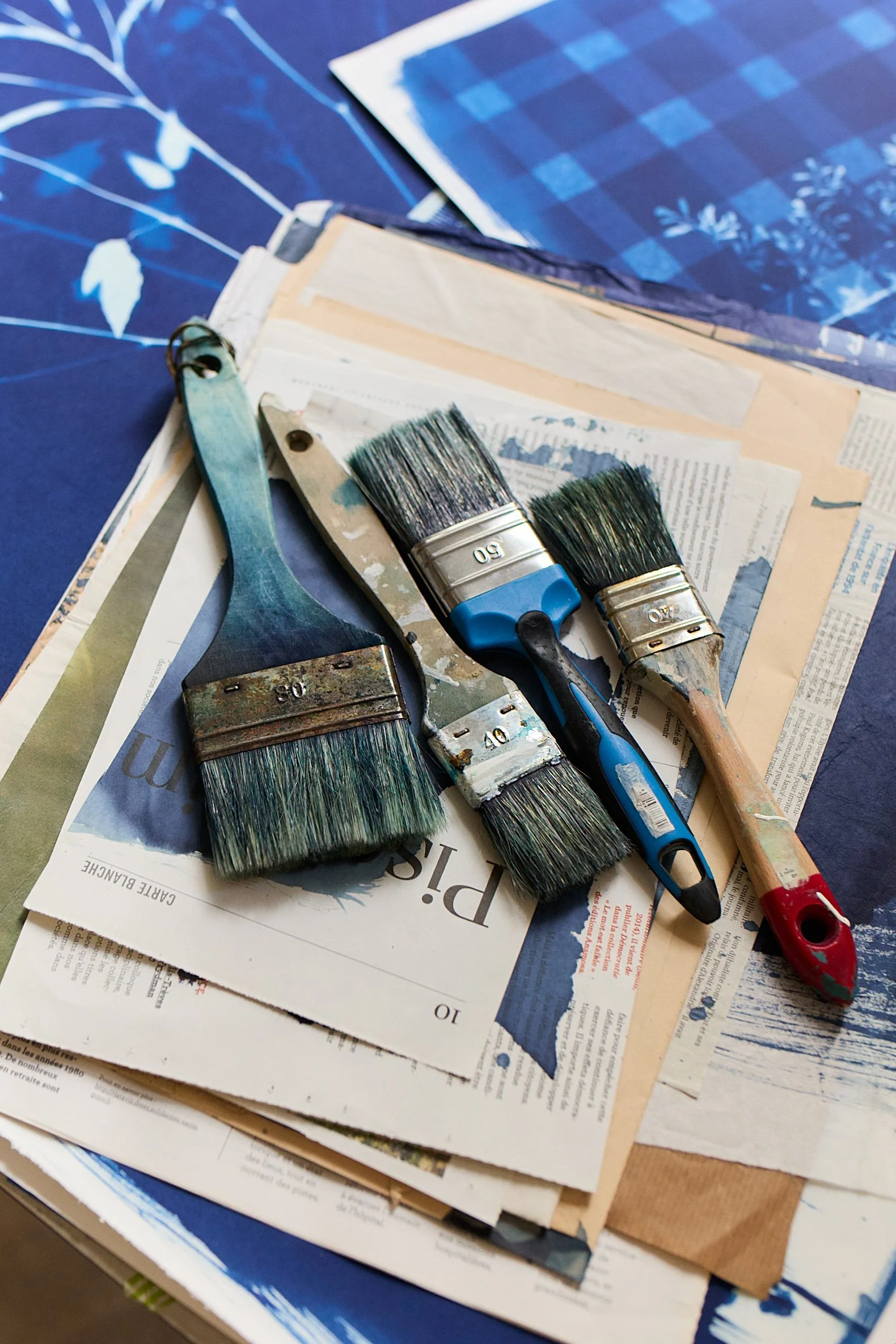
At night (protected from UV light), watercolor paper is painted with a brush using a photosensitive solution—a mixture of Potassium Ferricyanure and Ferric Ammonium Citrate. The paper is then left to dry and stored away from UV rays.
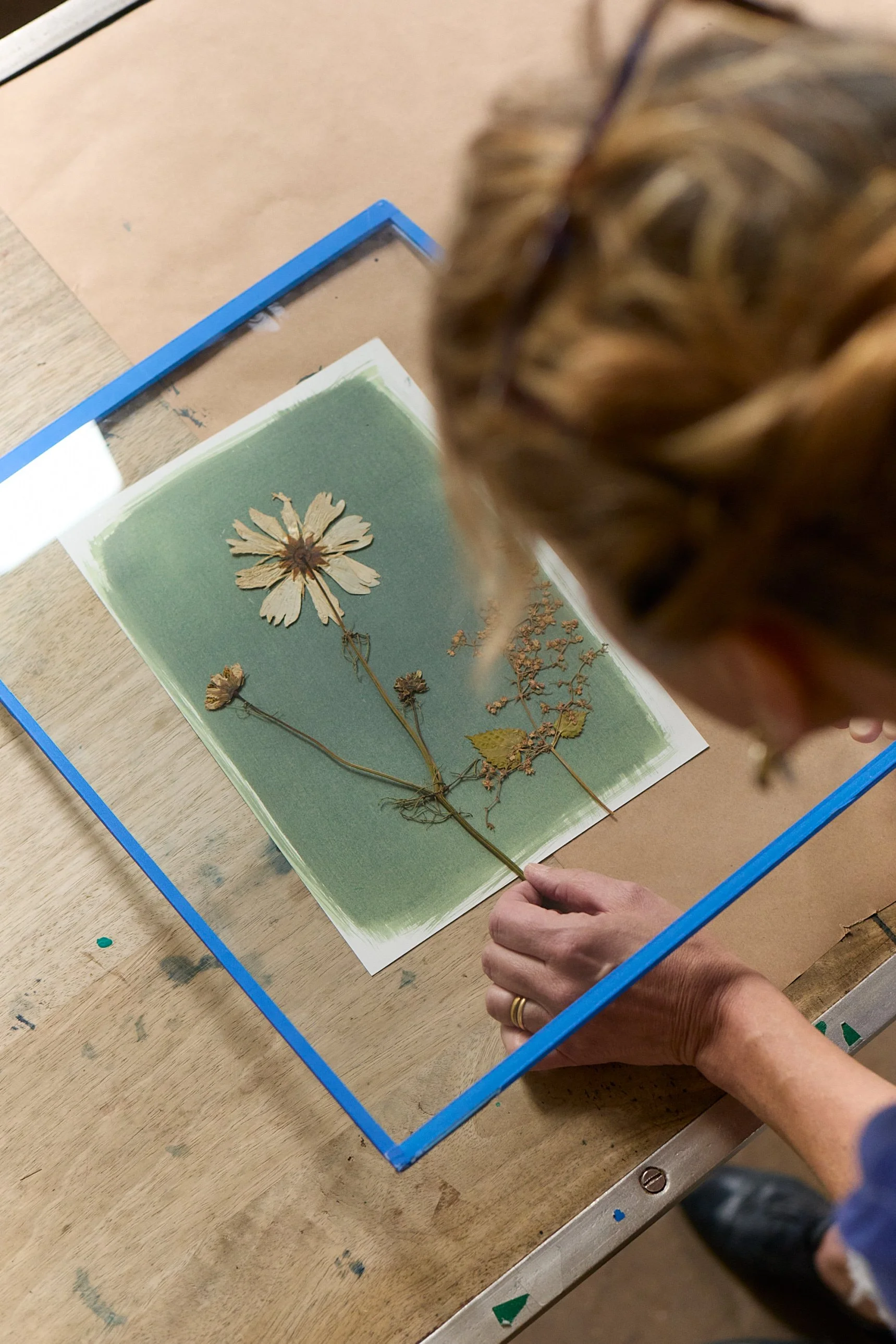
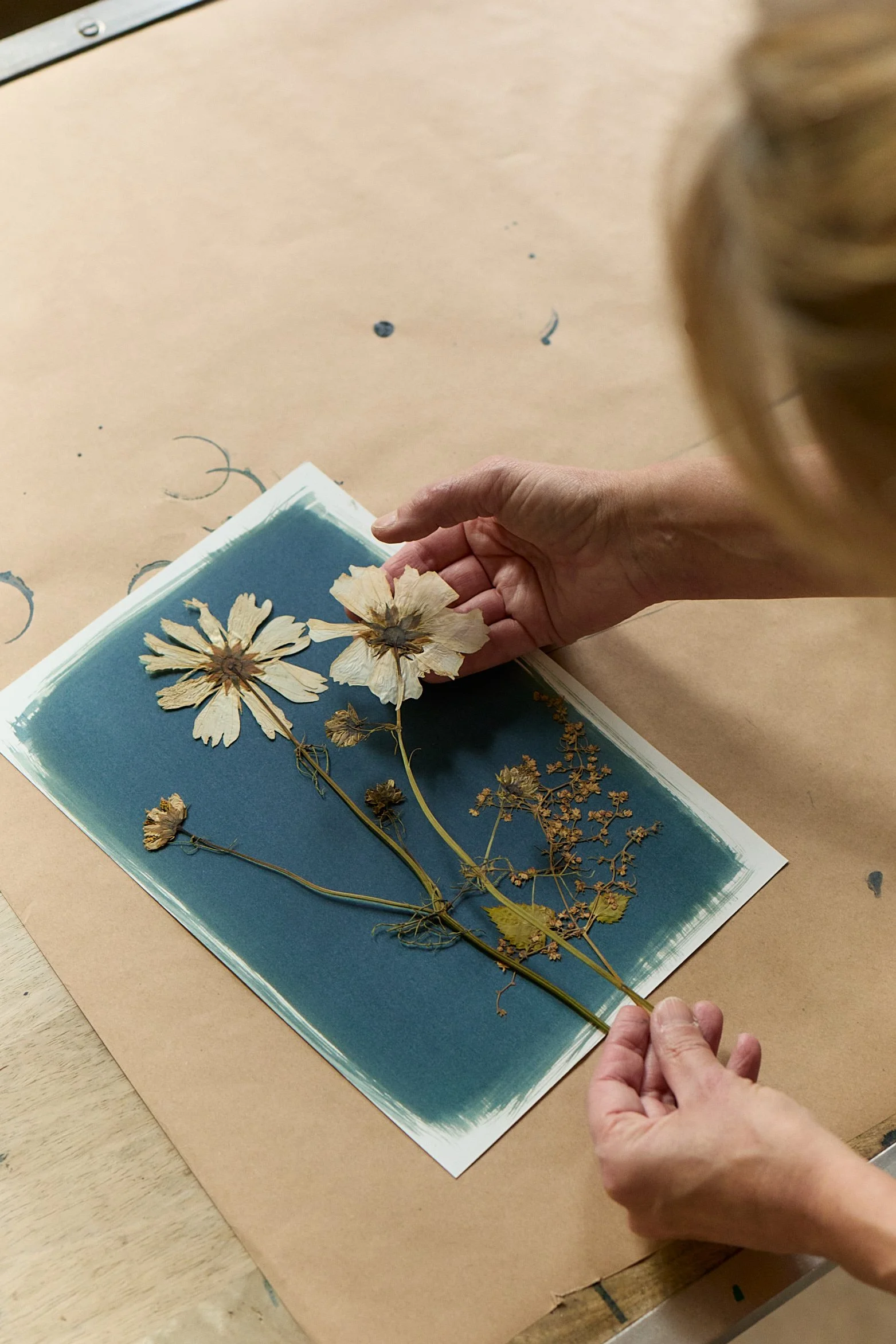
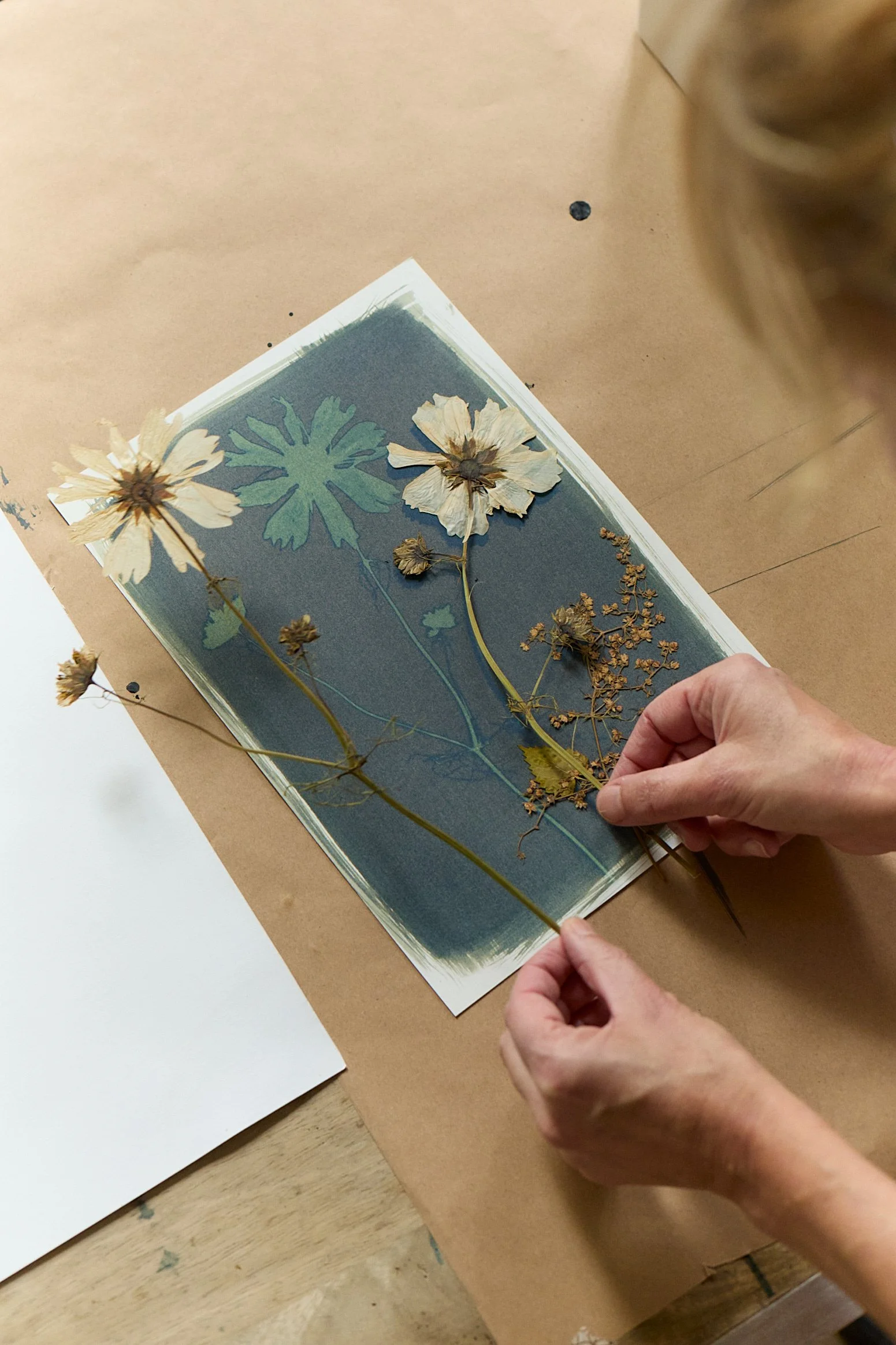
When the sun comes out, the elements to be exposed (such as plants) are placed onto the coated paper according to the desired composition. They are exposed to the sun while being held down by a sheet of glass to prevent the wind from moving everything around.
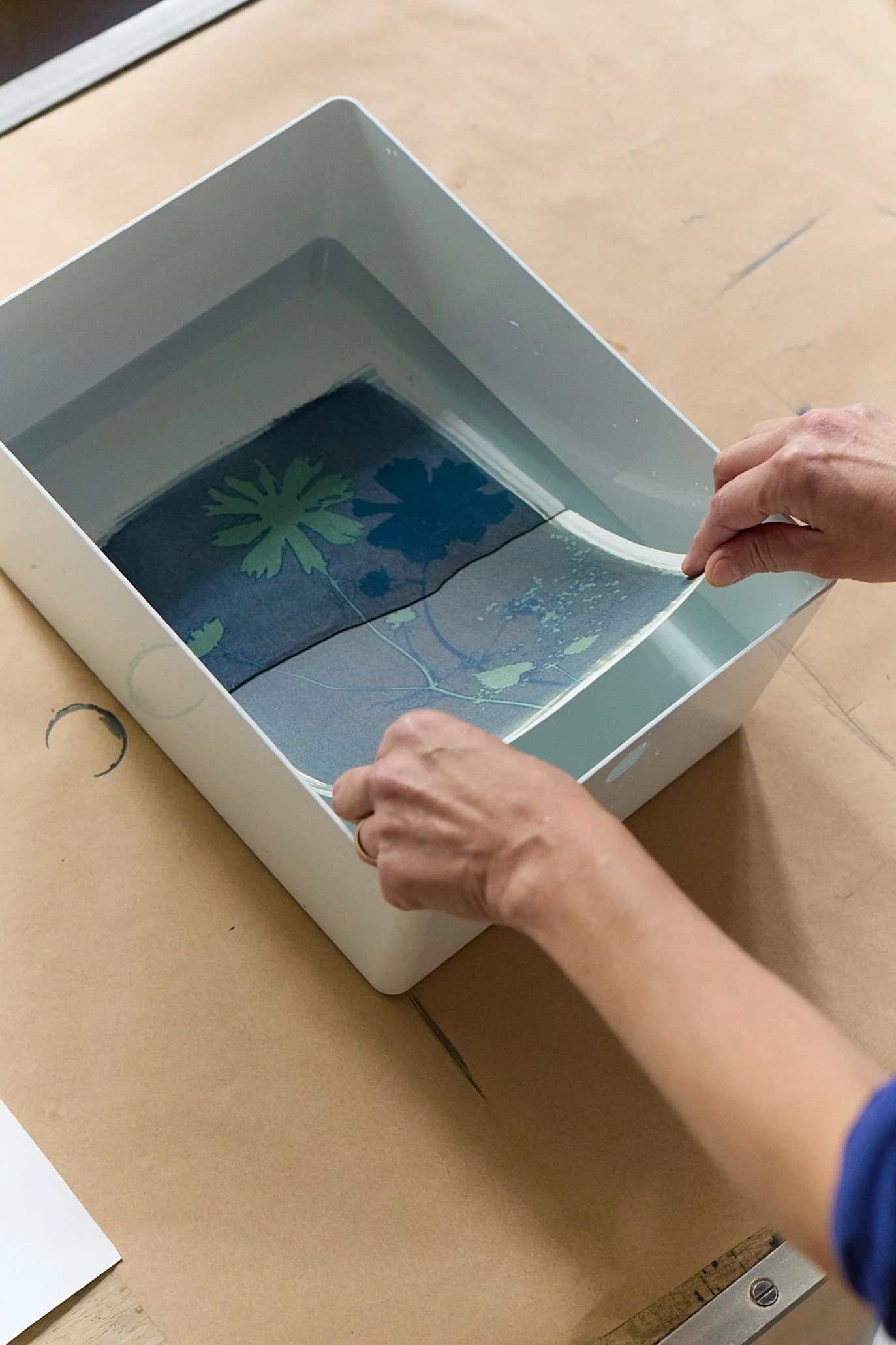
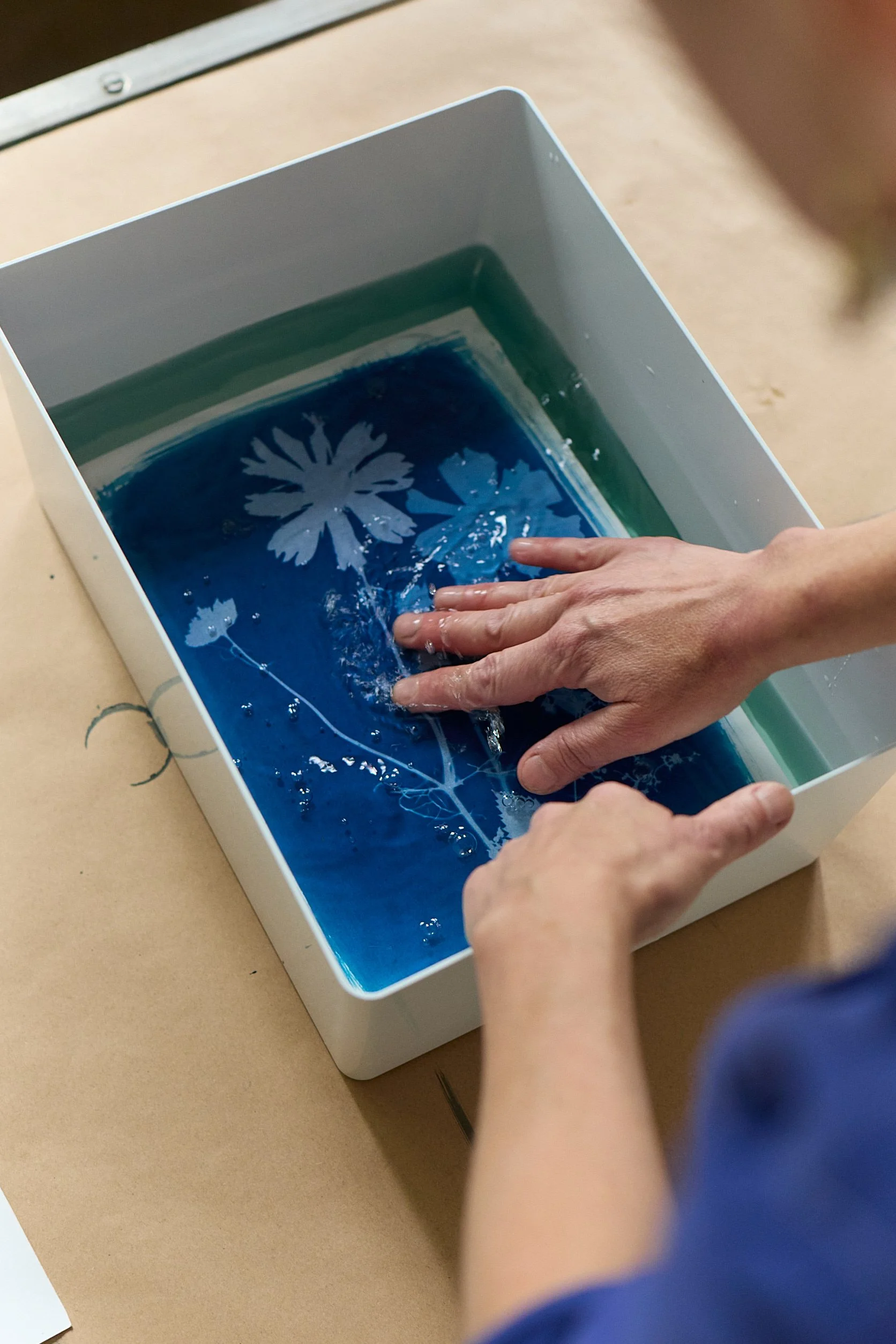
After the necessary exposure time to ultraviolet (UV) rays, the process is stopped by rinsing the paper in clear water.
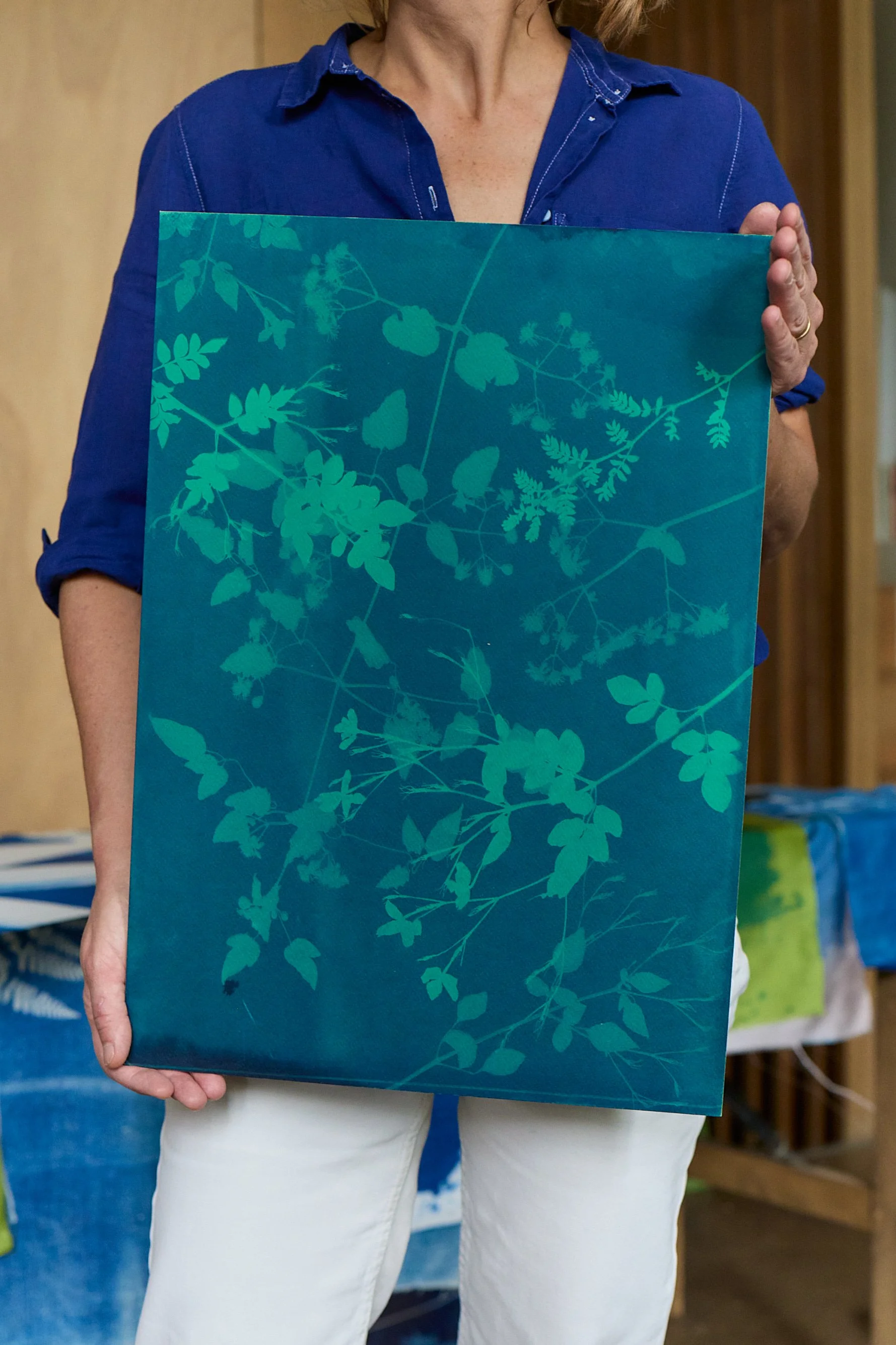
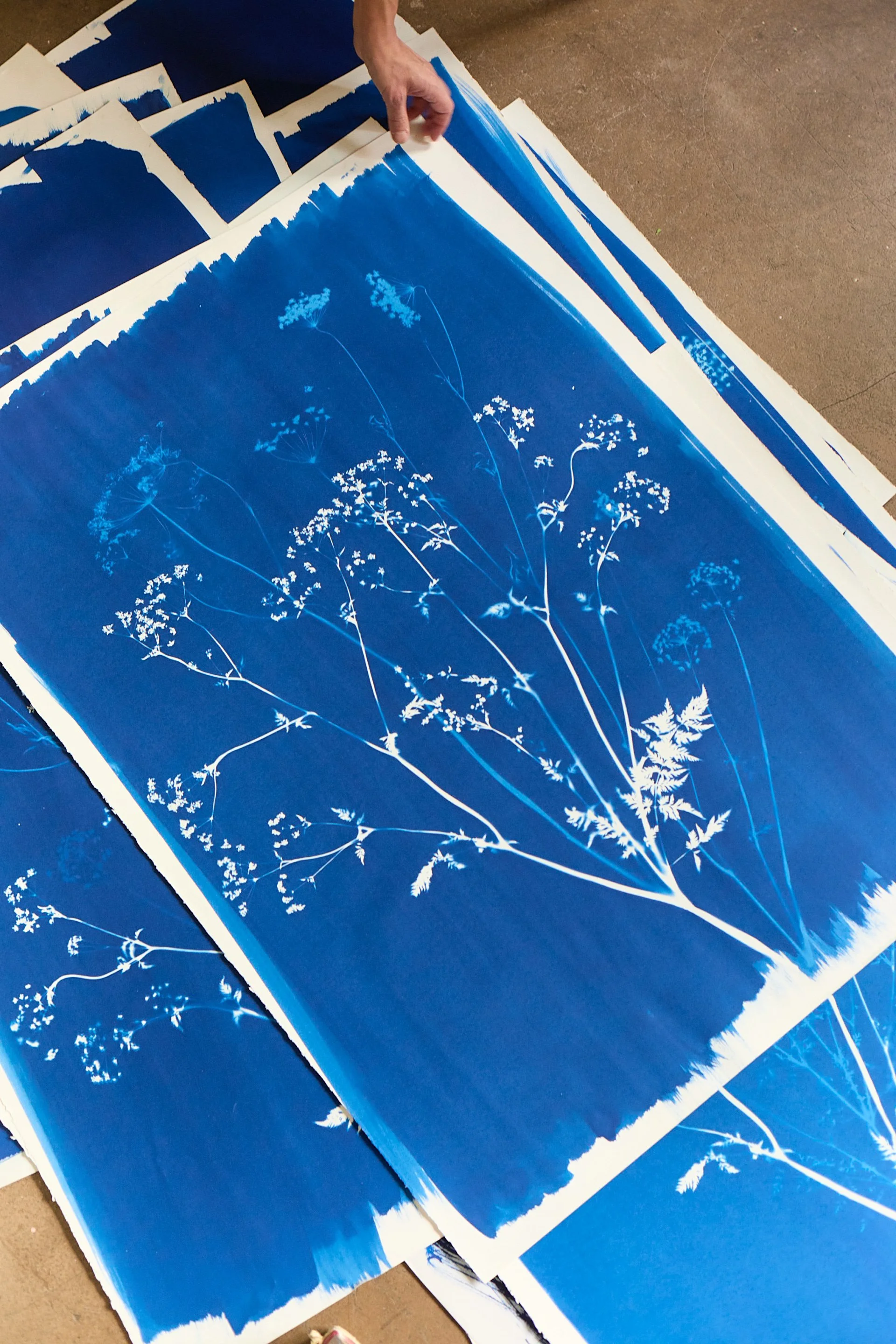
The parts of the paper hit by the UV rays turn a deep Prussian blue. The plants, which blocked the UV light, leave behind the original color of the paper. It’s a magical technique suspended between night and day, sun and water.
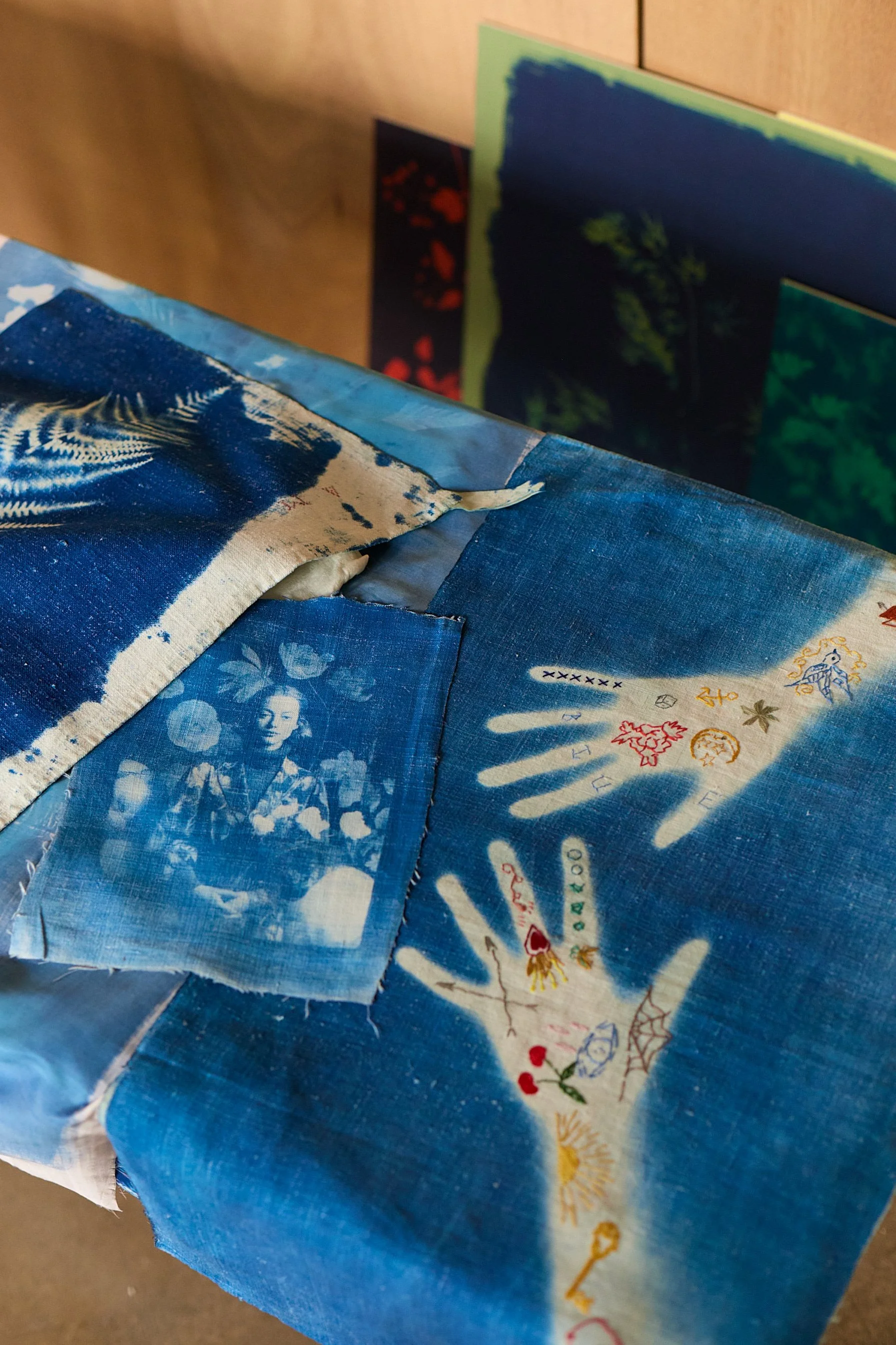
Your artistic universe is deeply rooted in the work of British botanist Anna Atkins. How do you honor her traditional legacy while bringing your own contemporary vision to it?
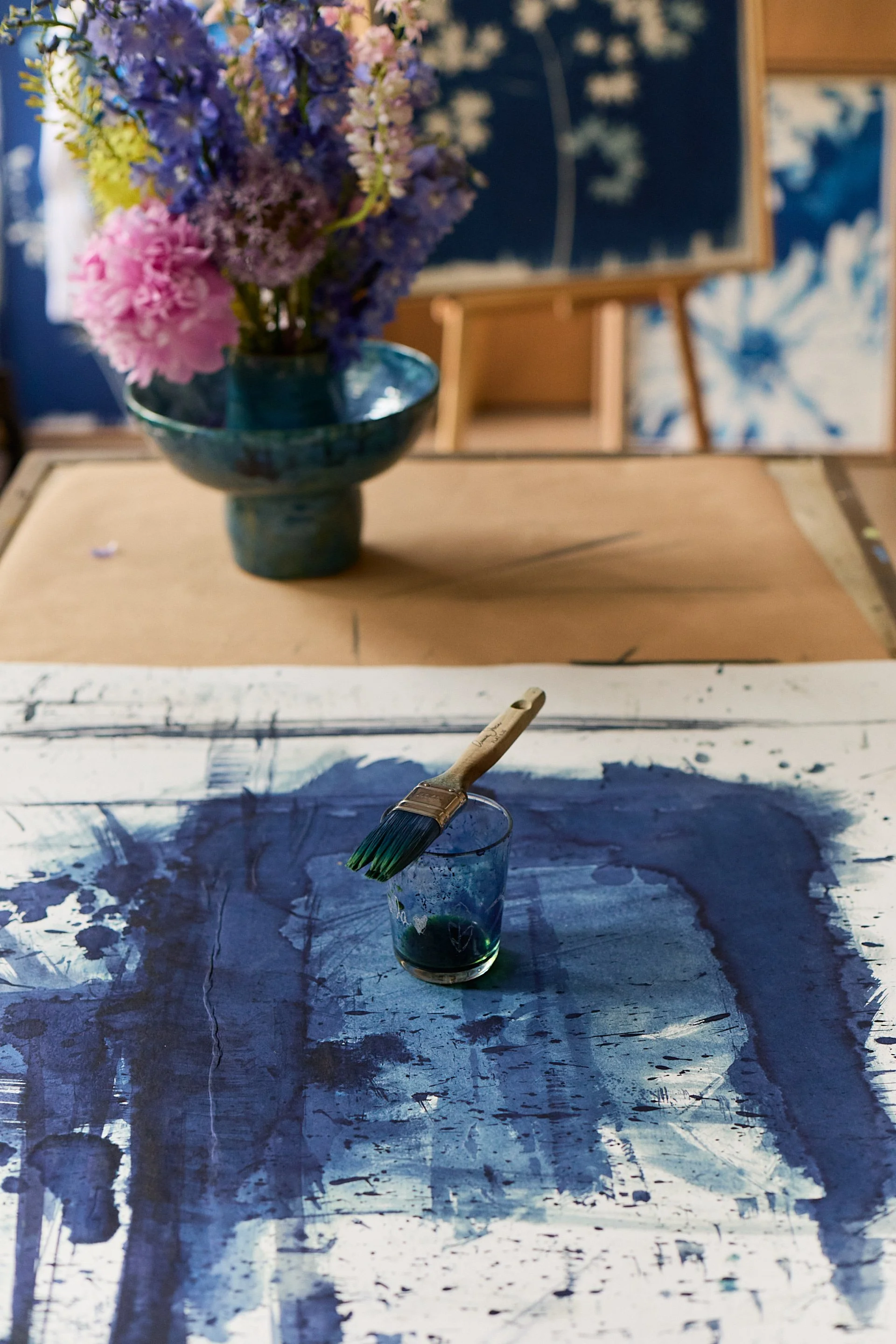
The story of this woman, considered the world’s first female photographer and yet still largely unknown to the general public, touches us deeply as women. The magic we feel when making a cyanotype plunges us every single time into the very emotion she must have felt when creating her prints. Nearly 200 years later, the technique remains completely unchanged, as does the magic when the print appears.
In our collaborations, our books, and our projects, we love to bring her back into the spotlight by quoting her work and her approach.
Our first prints were entirely inspired by her work, but then our experiments allowed us to play with exposure times, which helped us develop different kinds of pieces. Unlike Anna Atkins, we aren't botanists, so we free ourselves from scientific research for the pure pleasure of creation. We love creating bouquets, playing with shades of blue, experimenting by mixing nature with other materials, using photography, objects, textures... and constantly experimenting.
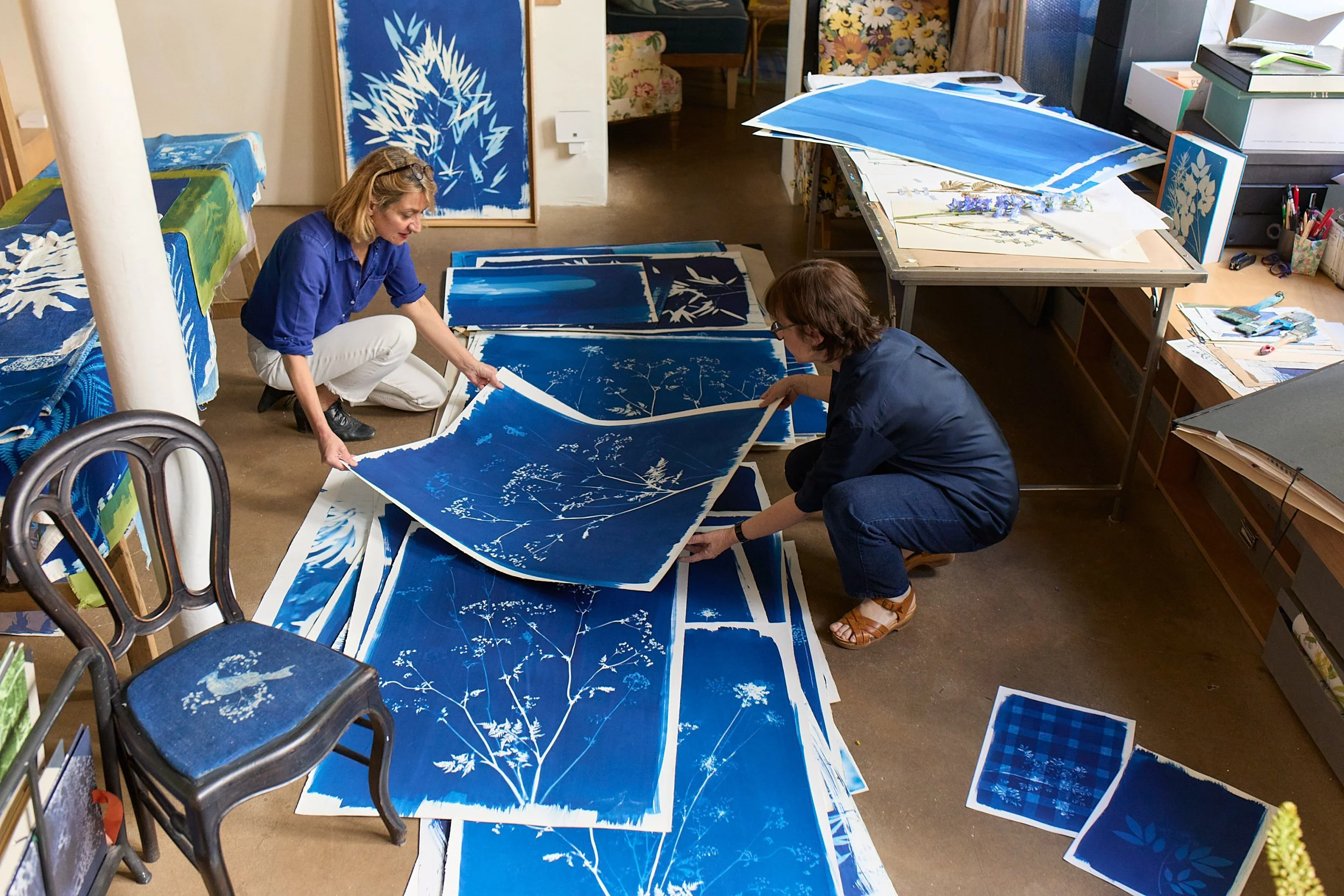
While plants are your signature, you also love to have fun and experiment! Can you tell us about some of the unexpected non-botanical objects or elements you've experimented with, and the surprising results you achieved?
We had a wonderful time working for major perfume houses, cyanotyping their iconic bottles, as well as for high-end jewelers by working with incredible jewelry sets. Our projects for the luxury sector—Gucci, Dior, Chaumet, Chanel, Vacheron Constantin, etc.—force us to push our boundaries every time. However, everything is under strict confidentiality clauses, so unfortunately we cannot share those with you (boo!).
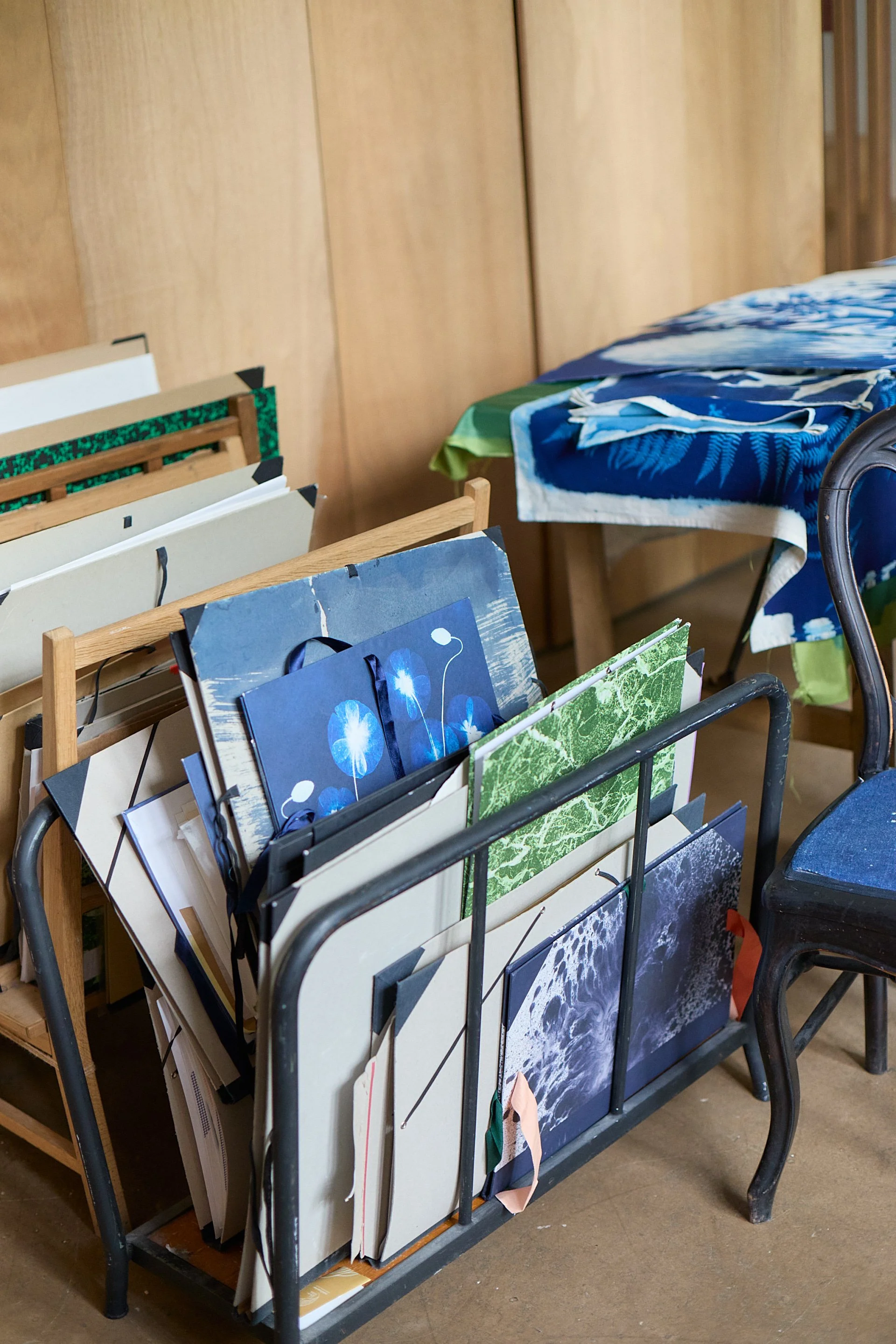
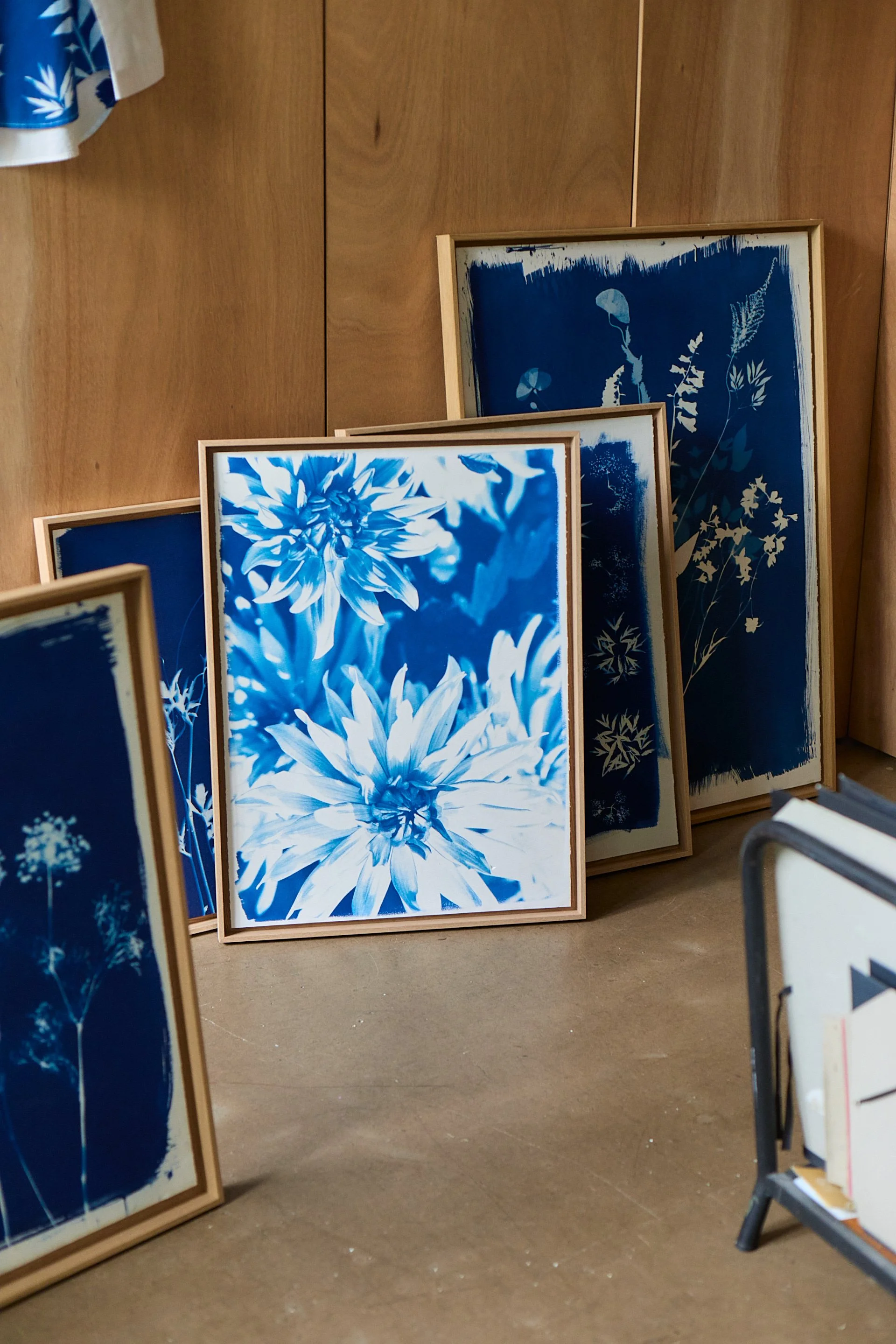
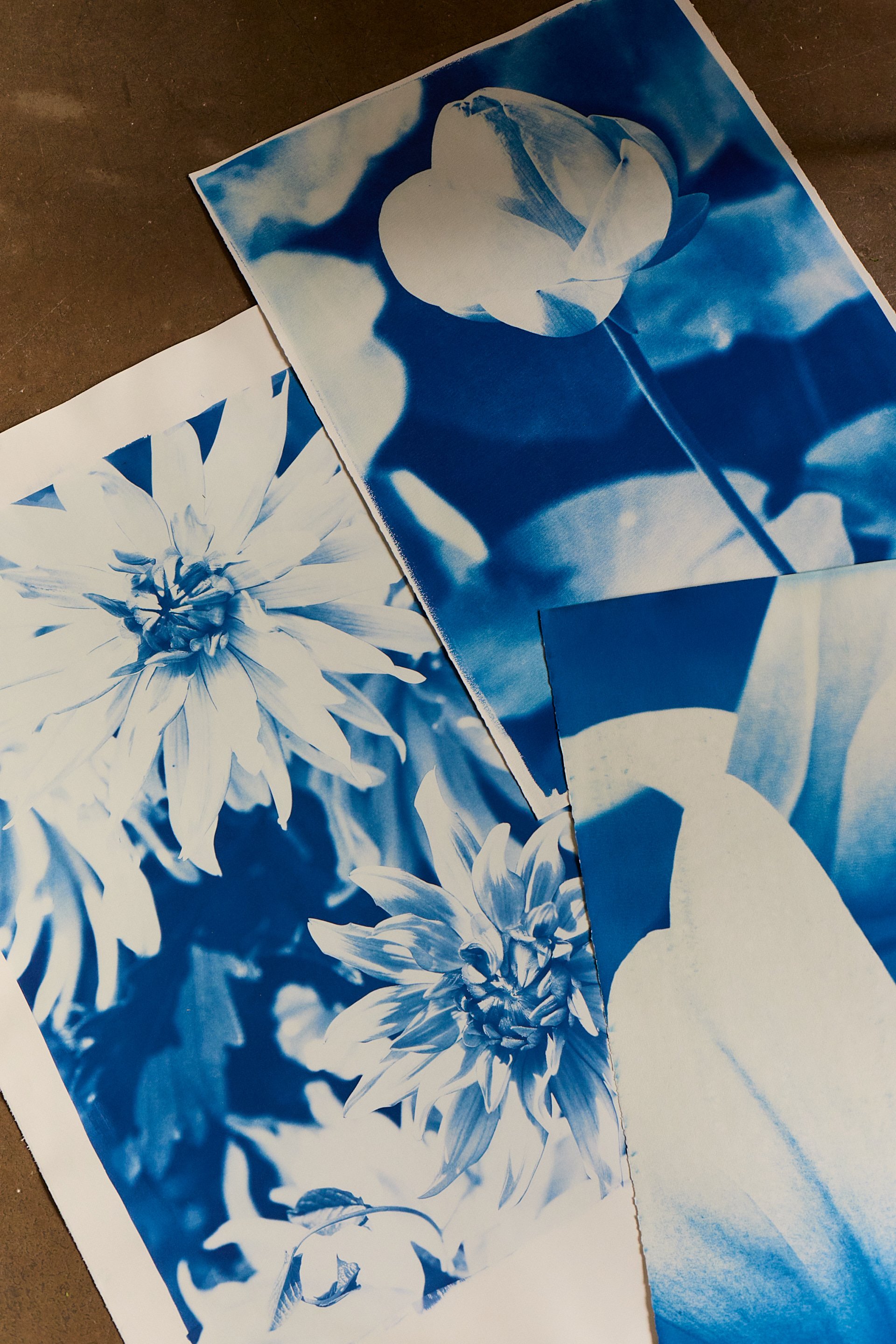
We also love mixing transparent papers with plants, as well as photographic film. We are currently working on graphic projects using transparency play for abstract pieces, which we absolutely love. In reality, every project allows us to experiment on both paper and fabric. Our DNA is really about creating large, monumental pieces that are more spectacular.
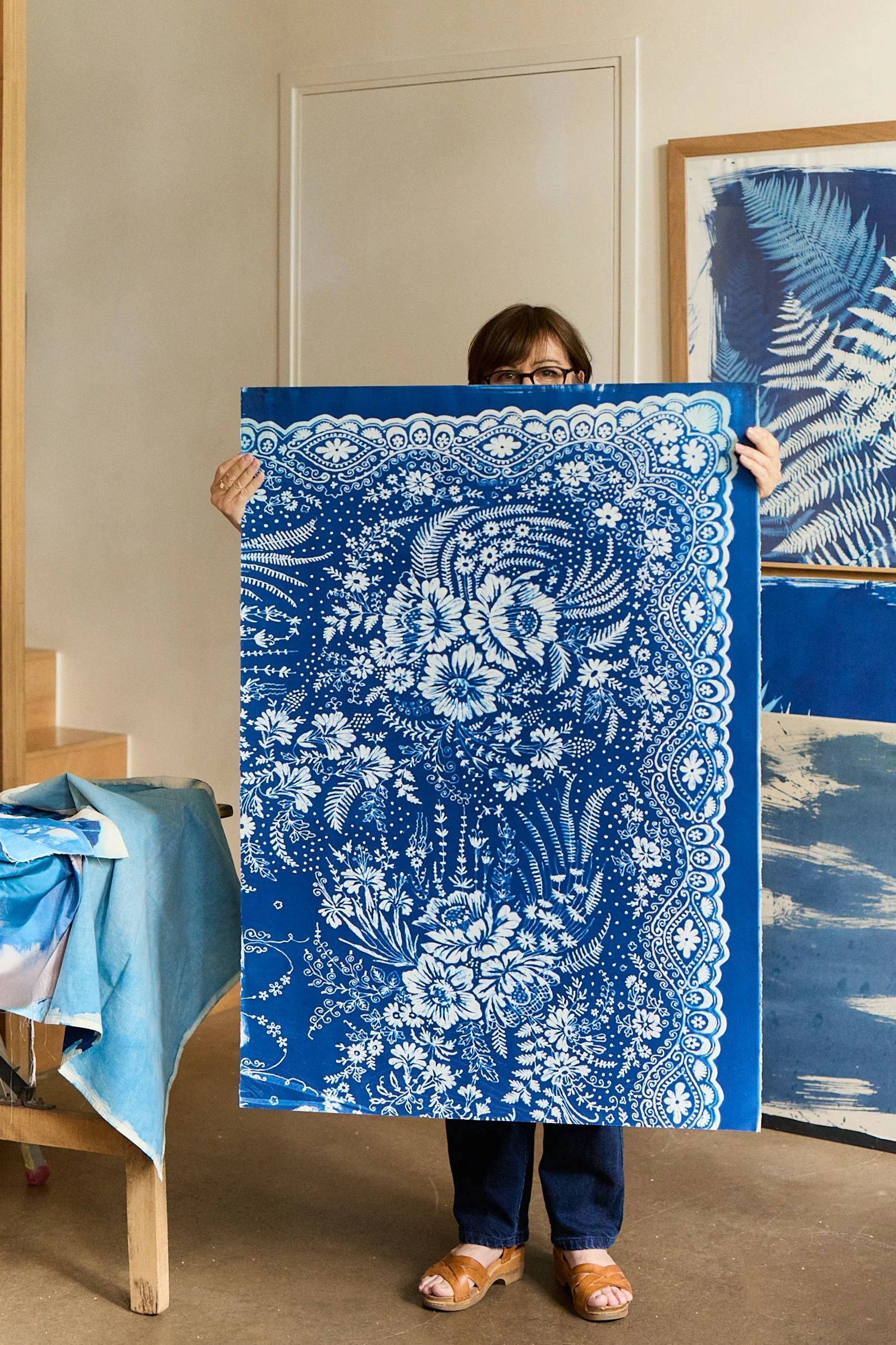
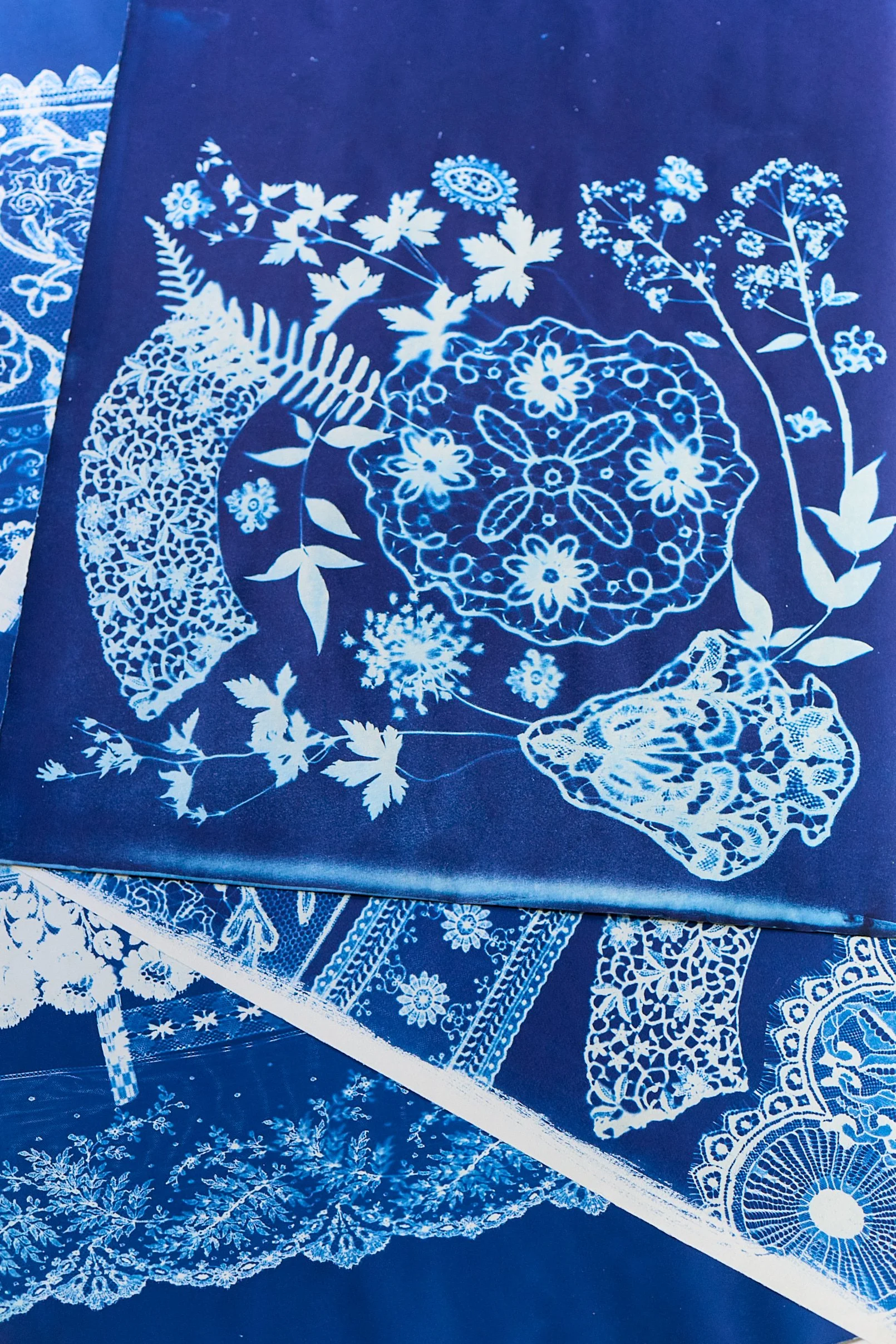
Herbaria are at the very core of your work. How do you manage to reinvent the classic concept of an herbarium to give it a modern, artistic, and poetic dimension?
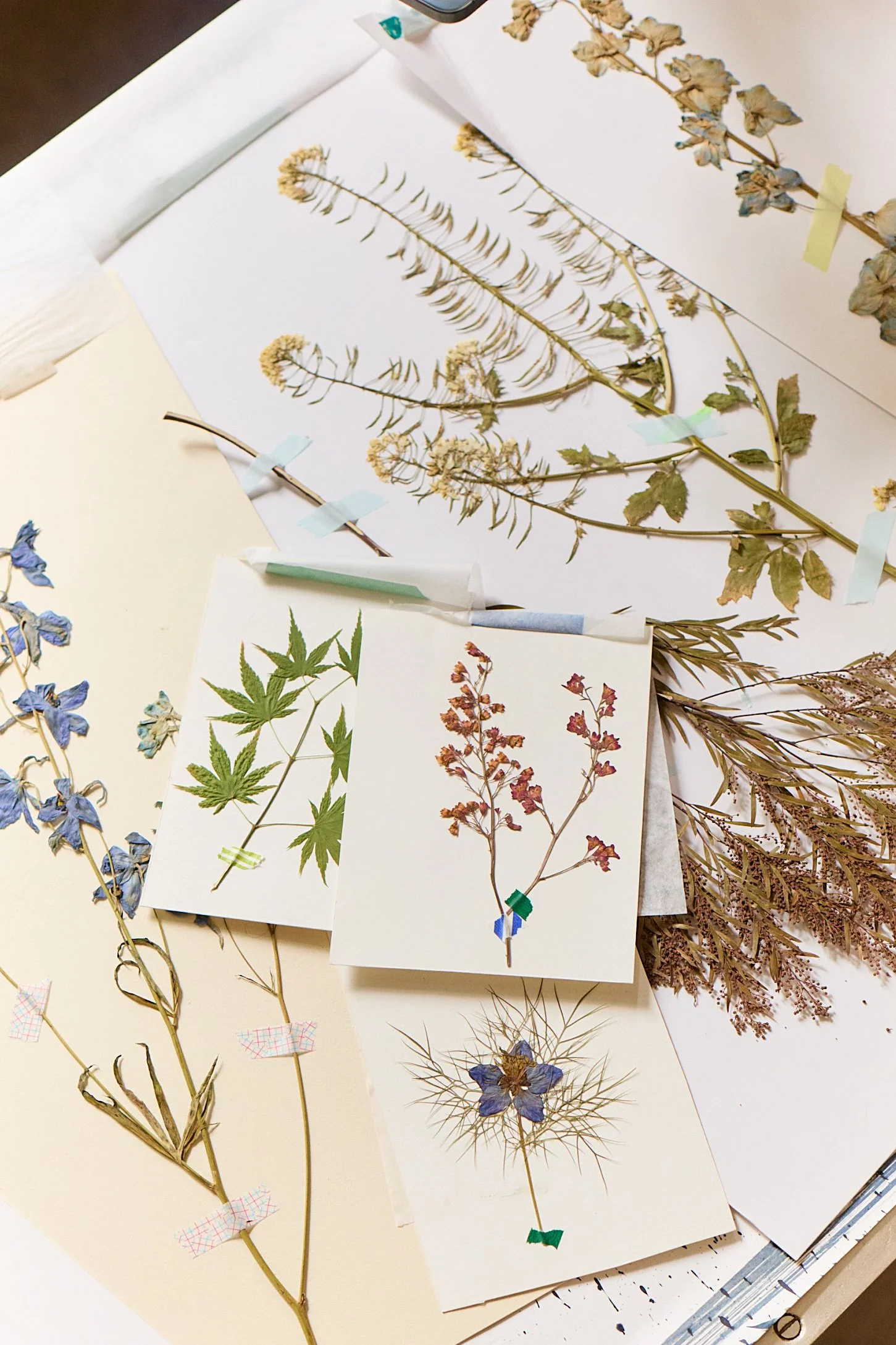
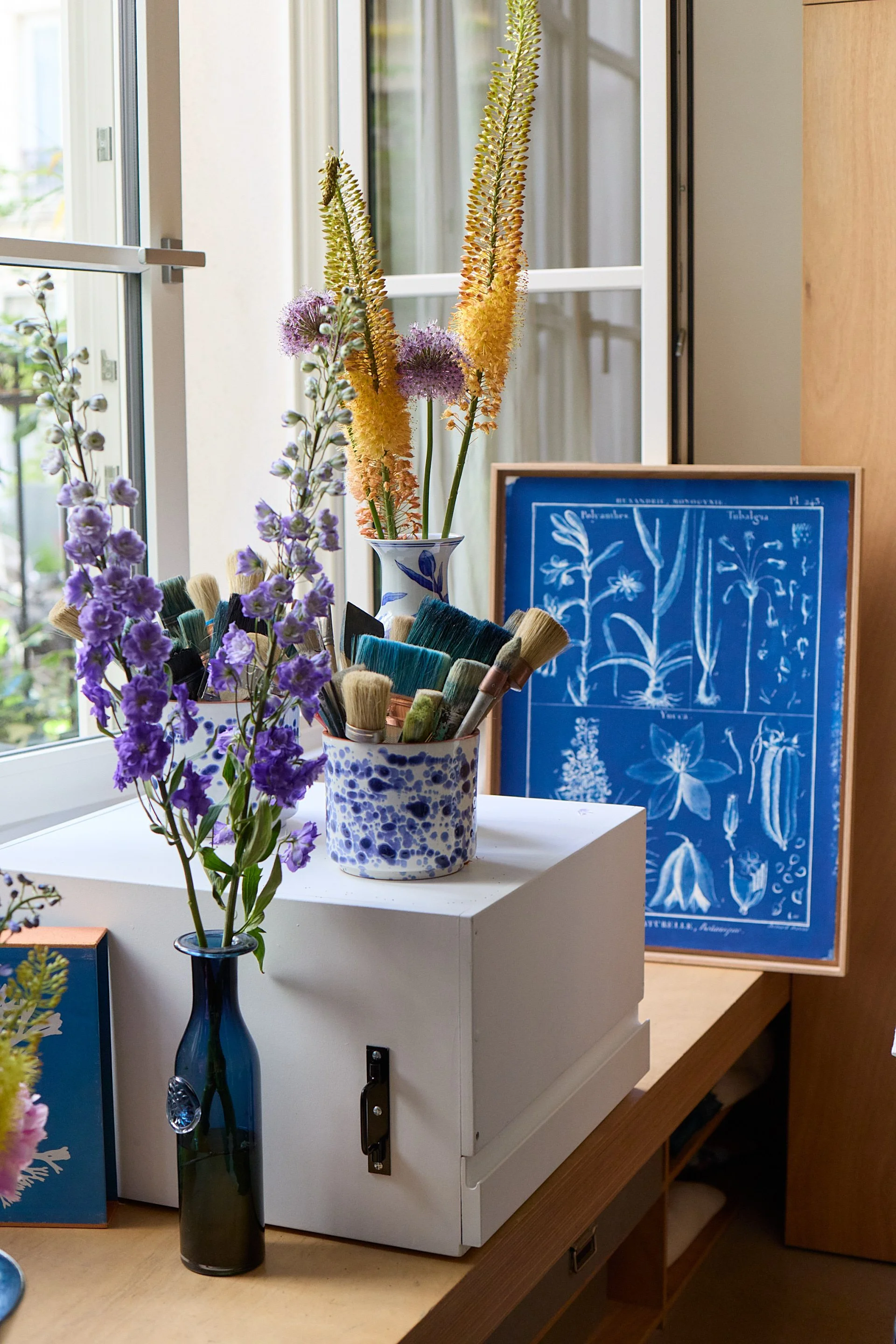
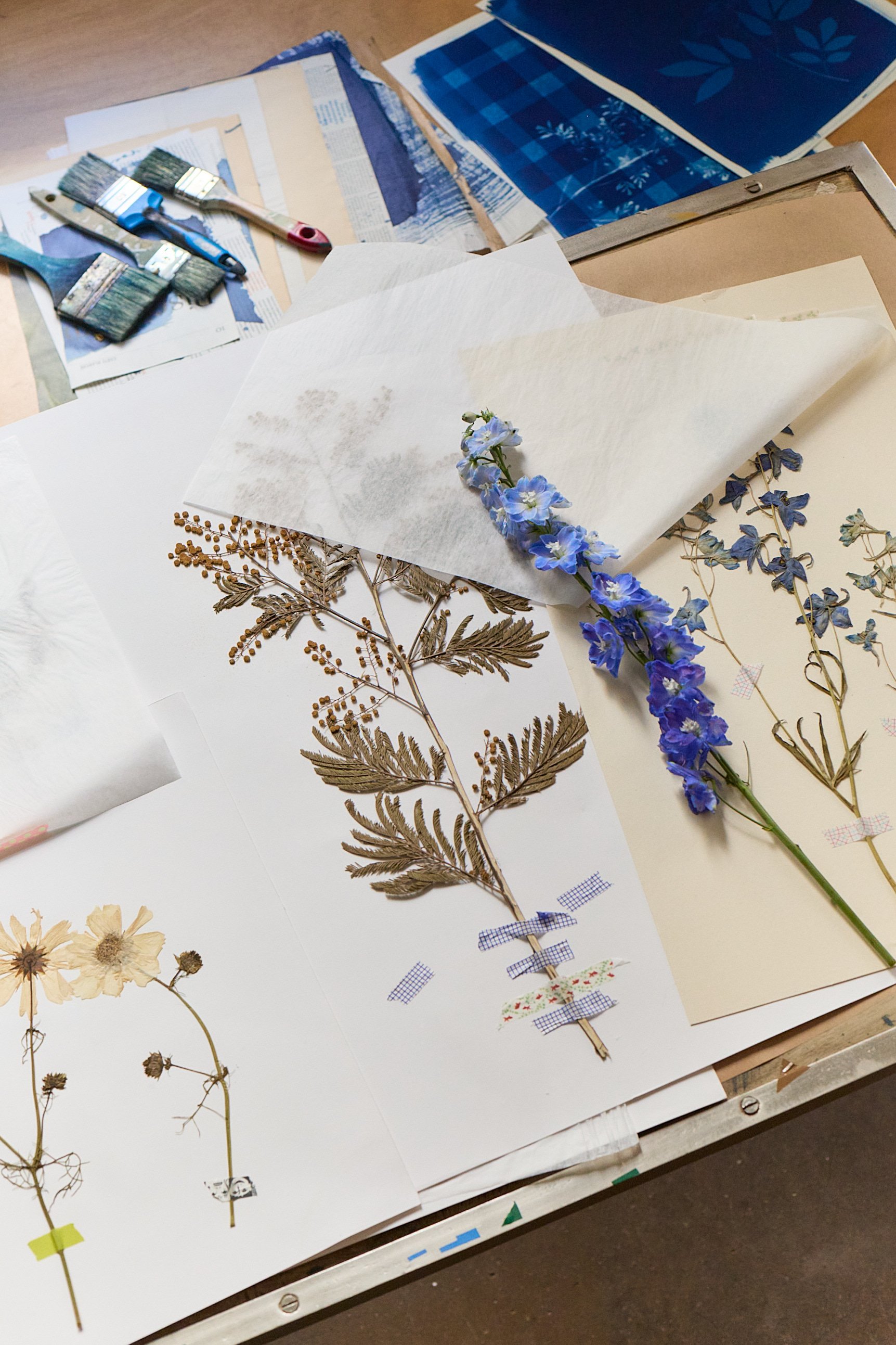
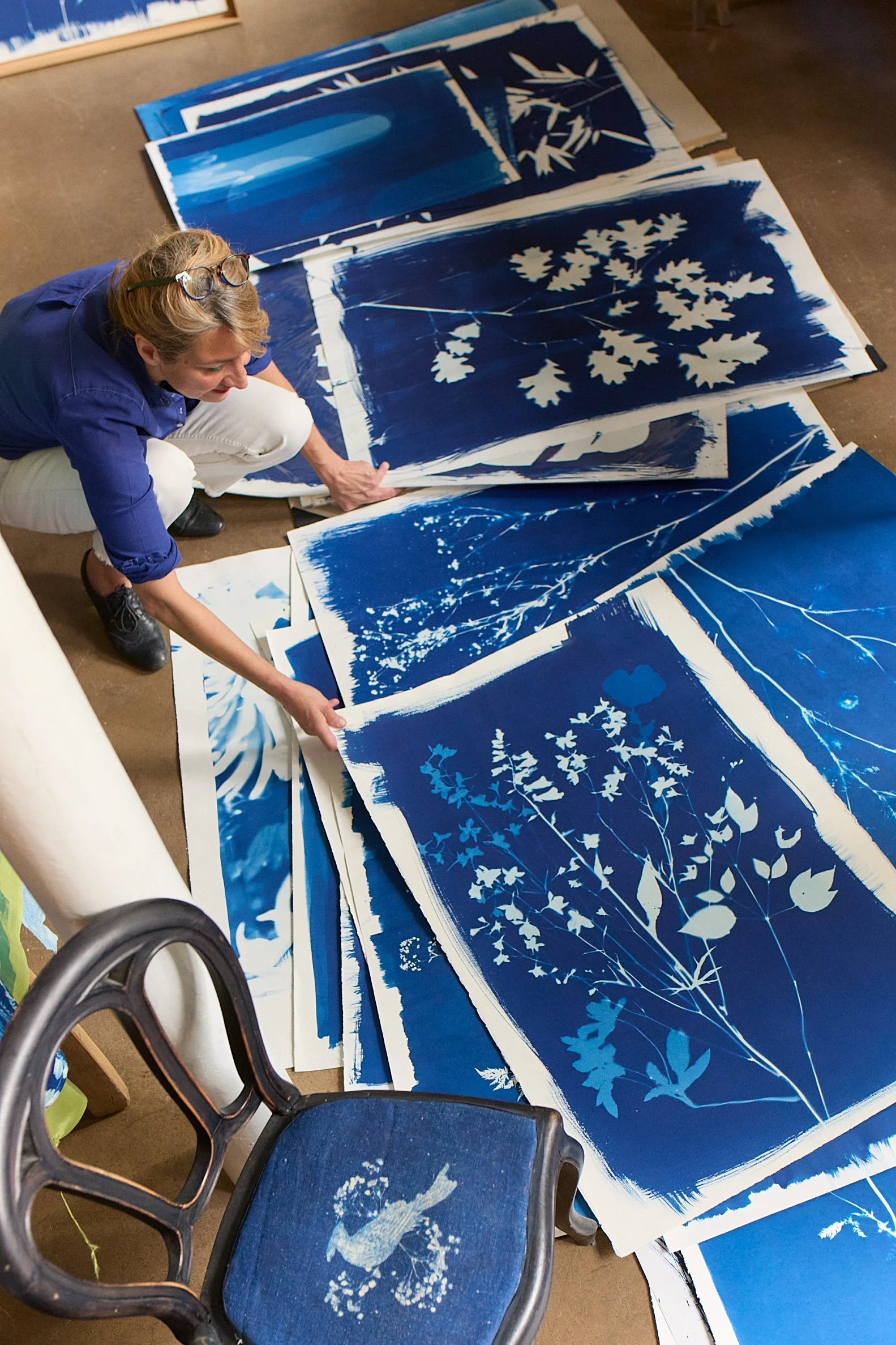
The studio's herbaria are a major part of our work. These are classic herbaria that I take great pleasure in creating; I love capturing the beauty of nature this way. Our strength lies in combining different plant species into imaginary bouquets, playing with the various shades of blue.
You have also written books about your passion and your art. What drove you to translate your visual art into a book, and what did you want to share with your readers through it?
When Hachette contacted us to write a book in 2022, we immediately realized that the technique was gaining popularity and that other publishers were likely working on the subject. We wanted to be the first to share the fruits of our four years of experience and research. That's why the book is packed with tips and tricks and has become a true reference guide—now translated into English, Japanese, and Russian!
Behind the poetry of your prints lies an incredible technical innovation: you designed and patented your own machines. Can you tell us about the technical challenges that led you to invent your own tools, and how they transformed your production?
When we launched Invincible Été, we immediately wanted to position ourselves as a professional project. We absolutely had to find a way to replicate sunlight so we could fulfill orders in any season, convinced that this type of machine already existed. I searched the internet for days looking for the right tool.
Unfortunately, nothing (at least at the time) met our expectations in terms of size and handling. So, I asked a lot of friends for advice—photographers, handymen, designers... I remember I even called a snake vivarium salesman to ask for advice on lamps! Everything was empirical, experimental, and completely reckless.
Armed with advice and tips, we asked Philippe, Marie’s husband, to build us the machine of our dreams. It was a massive challenge! When we tested it for the first time and everything worked exactly how we wanted, it was an immense joy. We were euphoric. Erik Rehl was there, as well as our artist friend Carmela Uranga, who came specifically to help us create the first pieces... it was the start of a wild adventure.
Marie, your background in graphic design and publishing surely brings a unique perspective to the duo. How does this expertise influence the more modern and graphic directions the brand is taking today?
Certainly, being a graphic designer helps to better structure an artistic project or a composition. In our duo, this experience brings a sense of structure to Camille's fantasy and immense, contagious enthusiasm, but it’s precisely within these “extremes” that our duo works best. In reality, we both love exploring new territory, and we often take turns alternating between rigor and fantasy.
Invincible Été was born from a shared passion for craftsmanship and handmade art. How do you divide the creative and administrative tasks on a daily basis?
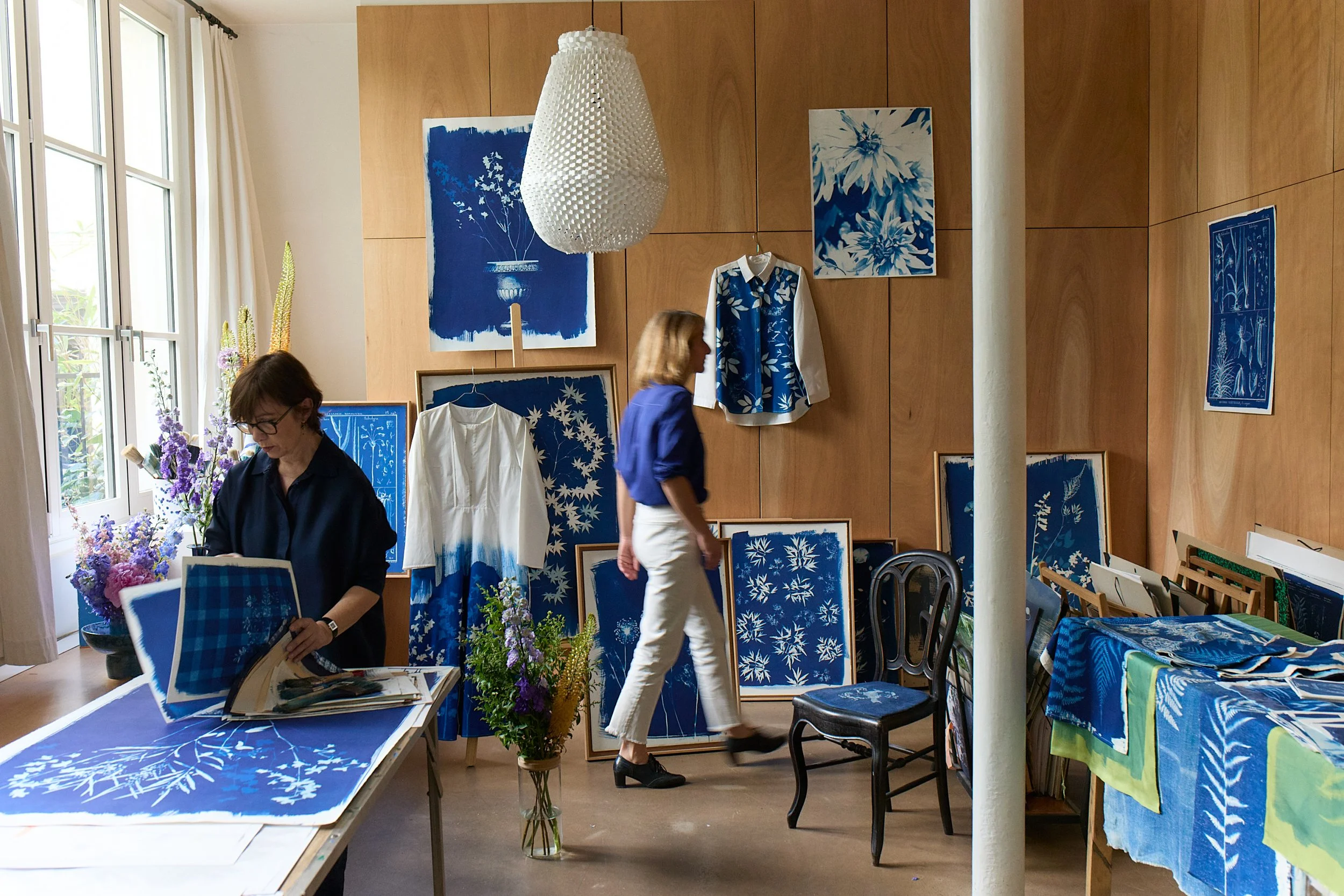
Since the very beginning, we have created every single unique piece with four hands. Because of her background, Camille is often better suited to imagining collaborations or testing ideas, but I quickly visualize her proposals and we think together about how to implement them.
Generally speaking, we make sure to divide tasks well so that neither of us ends up doing too many tedious chores at the expense of our creative playtime. Our respective professions, our experience, and the deep respect we have for each other certainly help us measure and maintain this fair distribution.
You have both managed to balance your respective professional careers with a very consistent artistic output. What is your secret to maintaining this balance and working together so efficiently?
I think we love the work we do for our day jobs just as much as the work we do for Invincible Été. This adventure ultimately brought us a balance we weren't necessarily looking for at the start, but it has now become, if not indispensable, at least extremely rewarding. I think we would find it hard to do without it today.
The people around us know how well we complement each other, our appetite for a job well done, and the pleasure we take in working together.
Furthermore, we very often share the same vision for a project, and it's rare for our opinions to differ on the style we want to achieve and the means to get there. If we ever disagree, we exchange our points of view, then choose one option or the other, with no regrets.
You regularly run workshops, particularly for luxury houses. What does teaching and passing on this historical savoir-faire mean to you during your interactions with participants?
Our connections with the luxury sector came to us unsolicited. They have allowed us to meet wonderful people with exceptional expertise and to create cyanotypes in places as incredible as the French National Museum of Natural History (with Chanel), the Yves Saint Laurent Foundation at the Majorelle Garden (with Marc Jeanson), or the quiet, plush salons of a Dior boutique... But we also love passing on the history and basics of this incredible technique to the general public, notably during the Jardins, Jardin event. Sharing this with the public is always a delightful and deeply enriching moment for us, as this technique generates such a communicative enthusiasm.
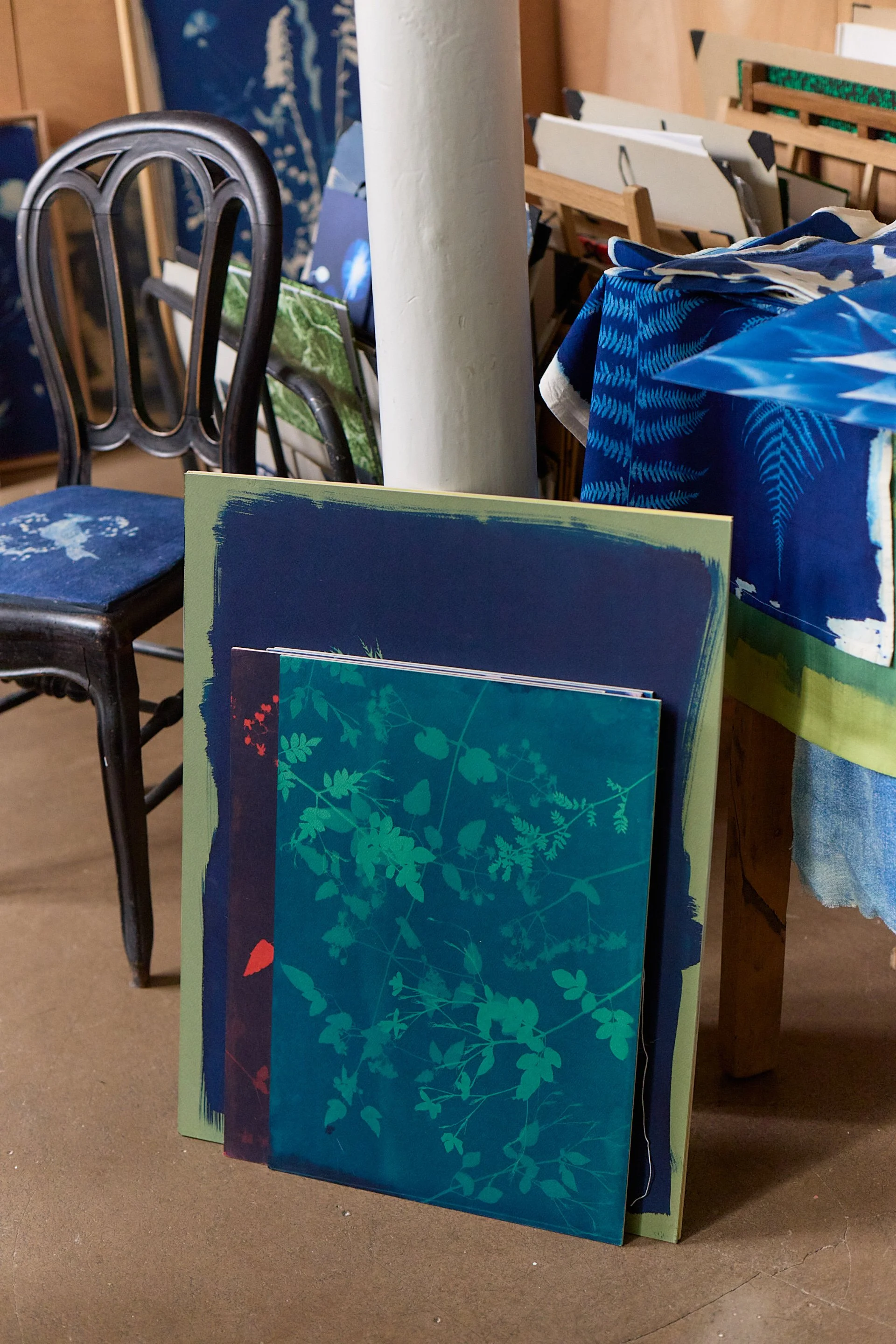
From stationery to ready-to-wear and home linens, your prints can be found on many mediums. How do you adapt an artisanal technique like cyanotype to meet the demands of major brands and the luxury sector?
No matter who we are talking to, dialogue is key. Even if we always have a little idea of what we could offer a brand for a collaboration, we let them explain the direction they want to take their collection. We simply step in to tell them whether the pattern they are envisioning will make a beautiful cyanotype... or not.
For example, when Chanel asked us to cyanotype their iconic camellia, we explained that the beauty of the flower's volume would never translate onto paper, and that instead, it would just look like an ugly white blob... But through dialogue (and many trials!), we always find common ground!
Additionally, some brands draw directly from our catalog of unique pieces (which we have in large numbers at the studio) to choose the ones they wish to reproduce.
Looking ahead, what is your ultimate dream for Invincible Été? When you envision the future of your brand, what kinds of projects or new horizons would you like to explore next?
Cyanotype is a vast playground, and we still have many avenues to explore. Our current idea—which we will present at the Résonnances fair in Strasbourg this coming November—is to move toward more abstract shapes, playing with shades of blue and white. But we will never truly abandon the floral base, which is the very DNA of cyanotype, and the infinite poetry it brings to our unique pieces.
My ultimate dream would be to continue sharing the pleasure of creation between ourselves and with the public for a long time to come, and to create monumental pieces (with the best partner by my side!).
Pictures - Céline Saby @celinesaby
www.invincibleete.com
@invincible.ete