
Grounded in Craft
A Conversation with Rollo & Freyja
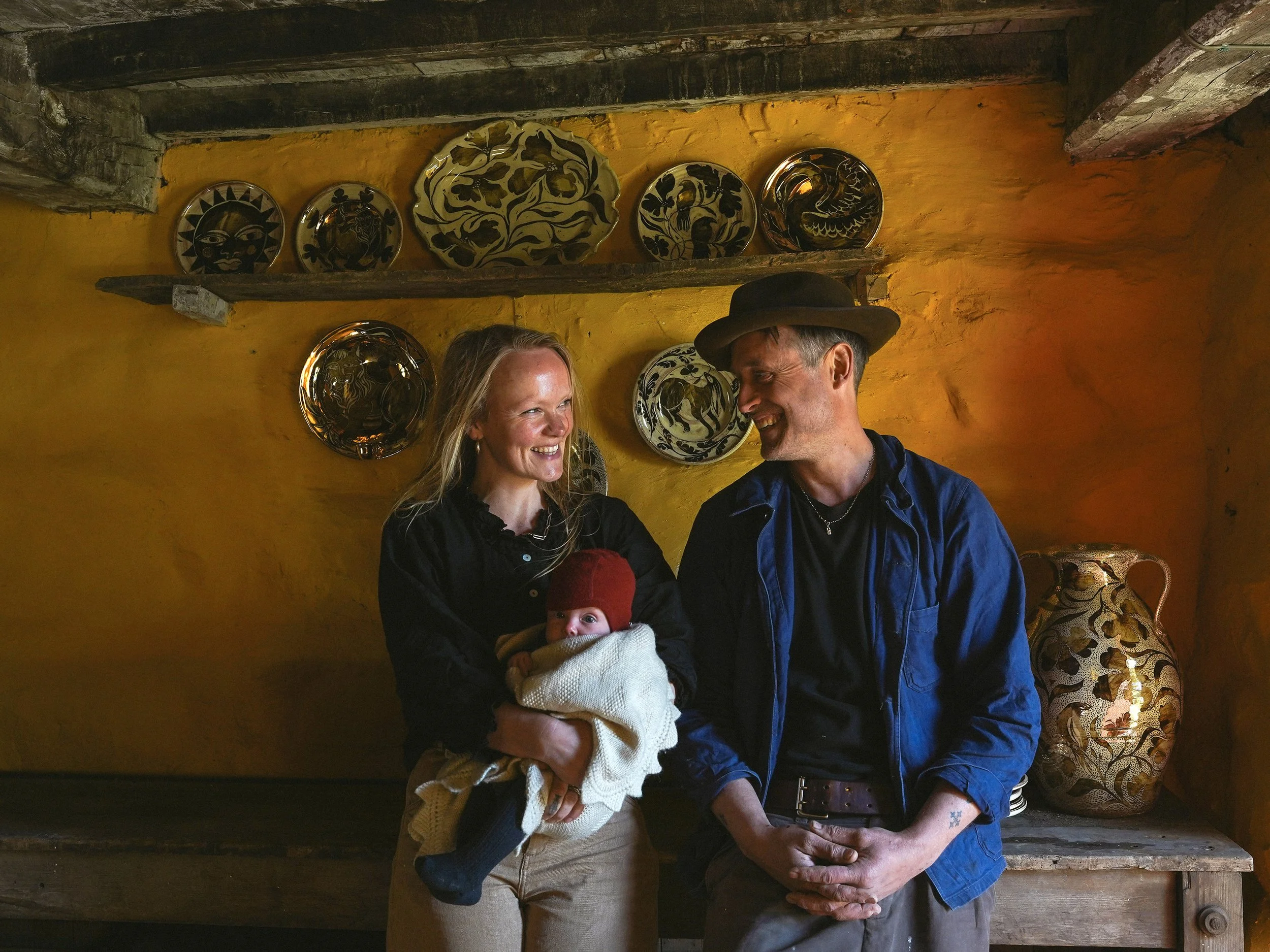
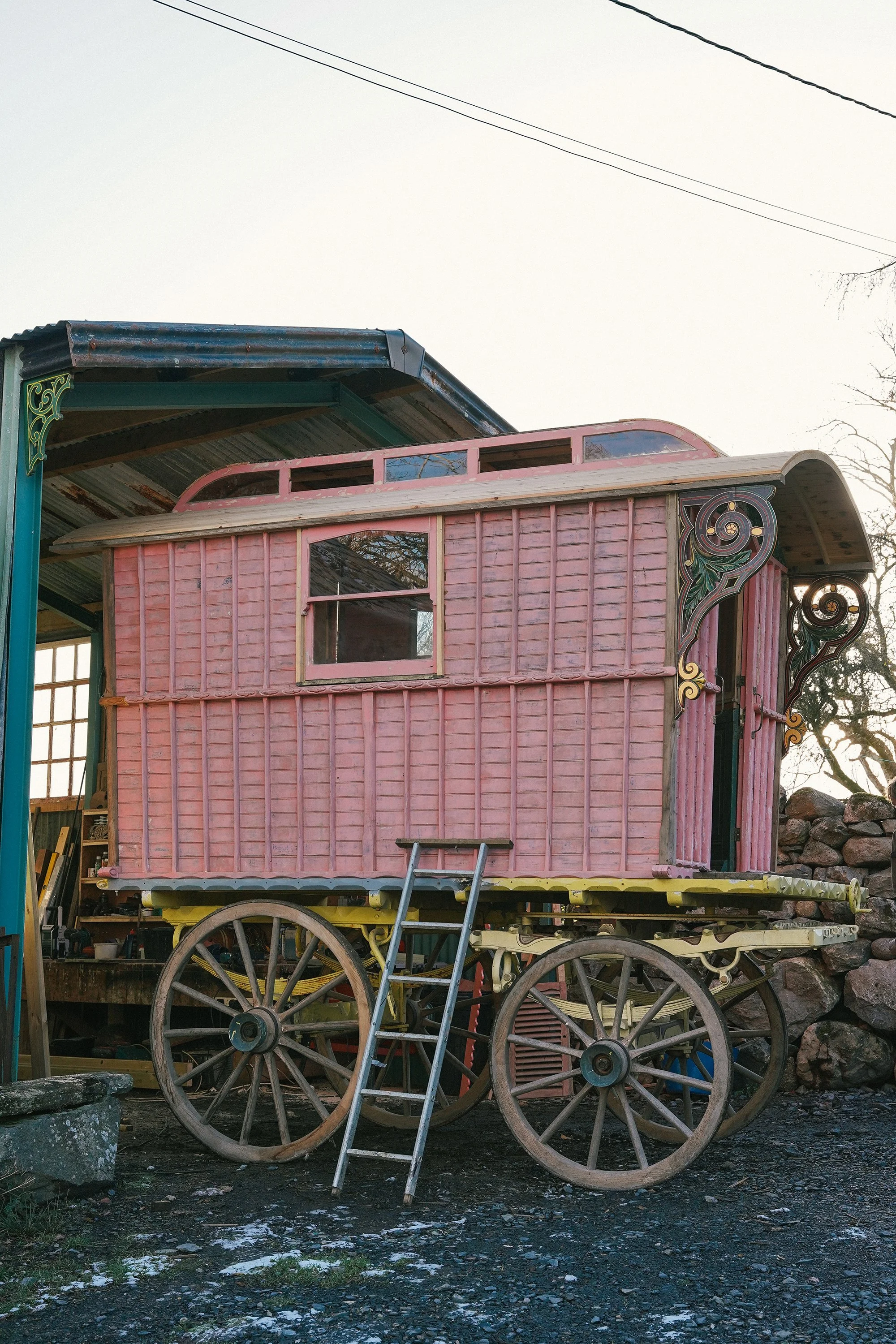
Nestled within the shifting lights and mossy valleys of Snowdonia, Rollo Dunford Wood and Freyja Lee are redefining what it means to live creatively. Rollo’s work, ranging from historic wagon restoration to bespoke pavilions, is a study in honesty and endurance. Freyja’s ceramics offer a tactile connection to the dreams and flora of the Welsh landscape. Bound by a shared lineage of makers, the couple discusses the joy of raising children amidst the elements, the thrill of the salvage yard, and the delicate dance of collaborating across two distinct, yet harmonious, crafts.
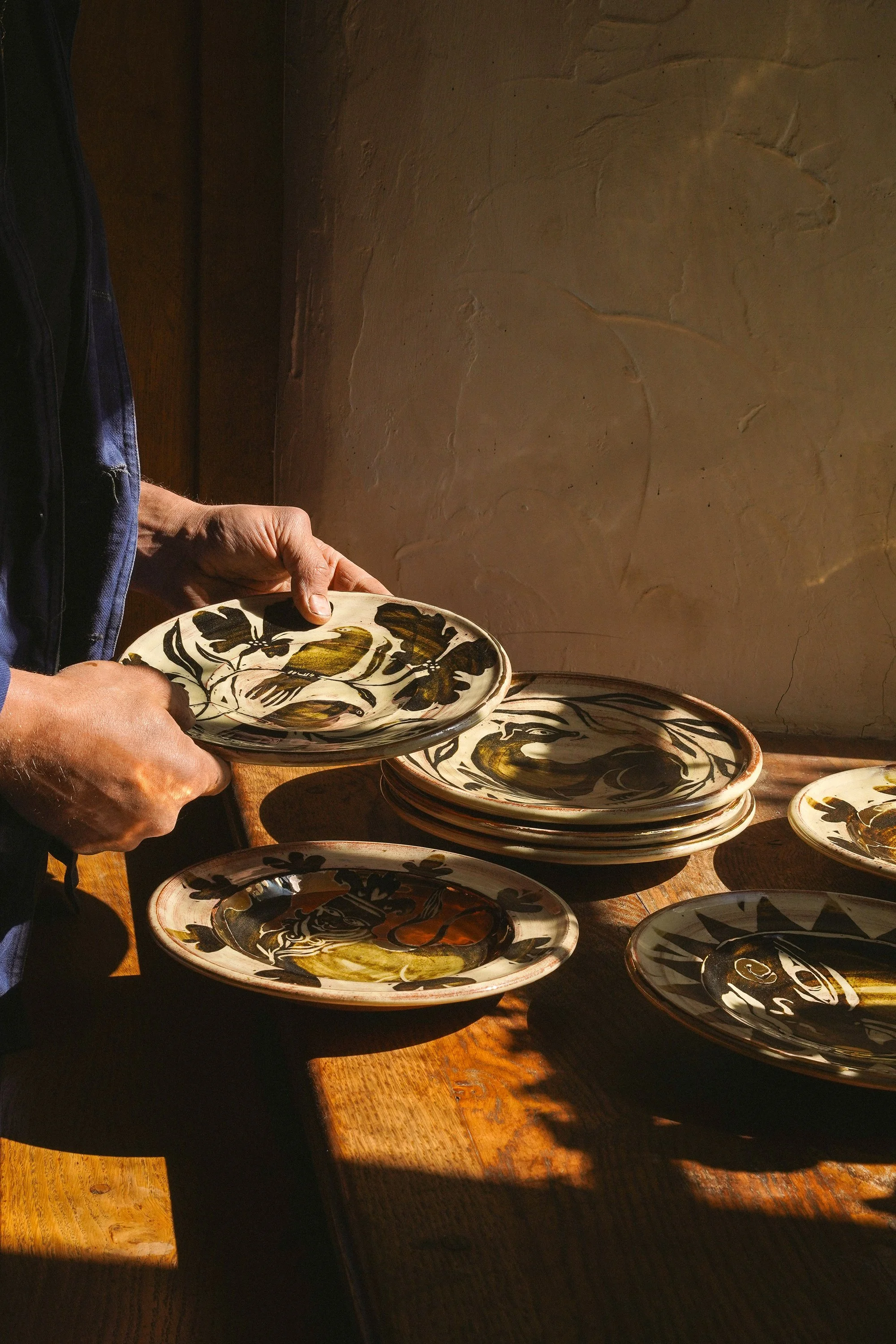
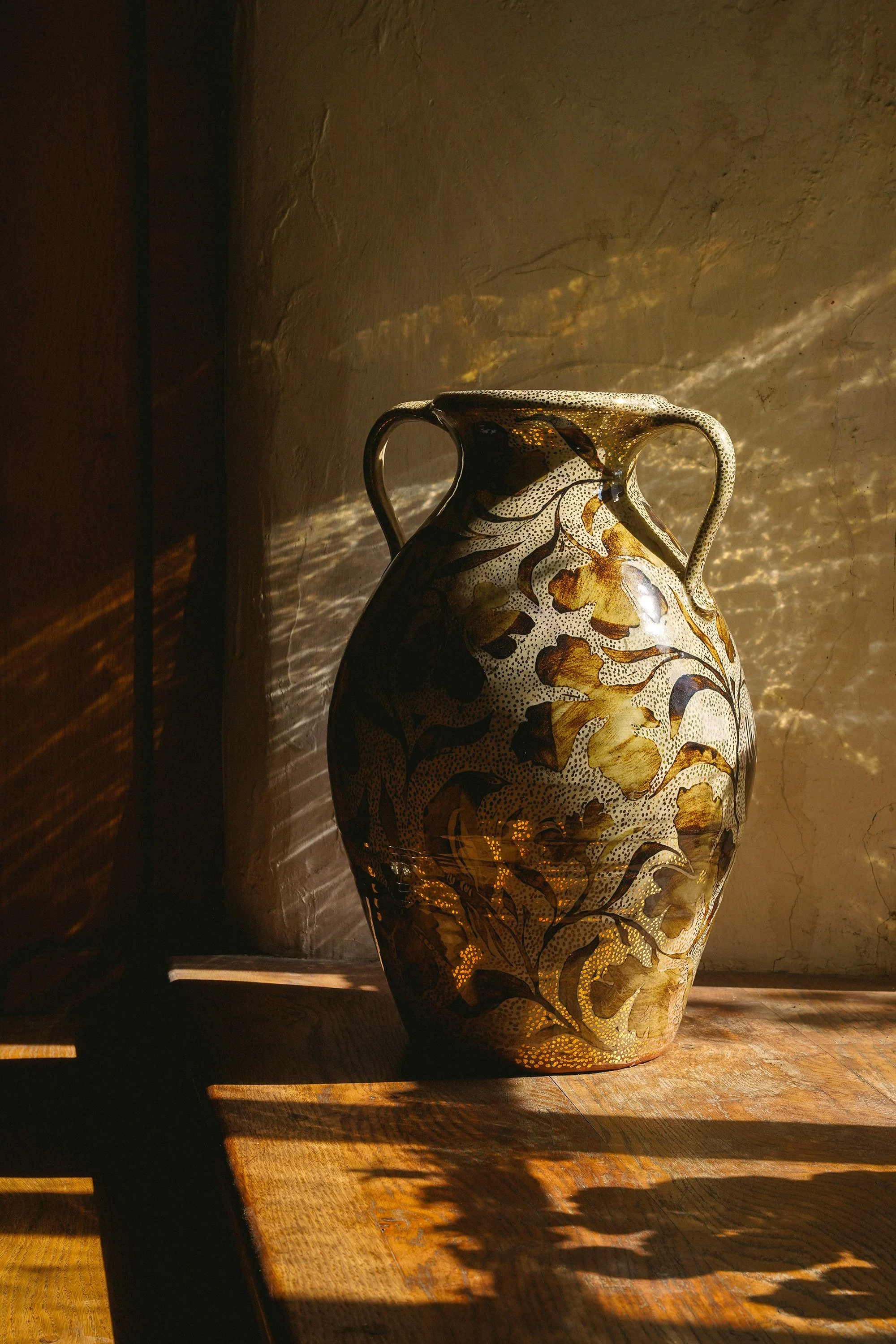
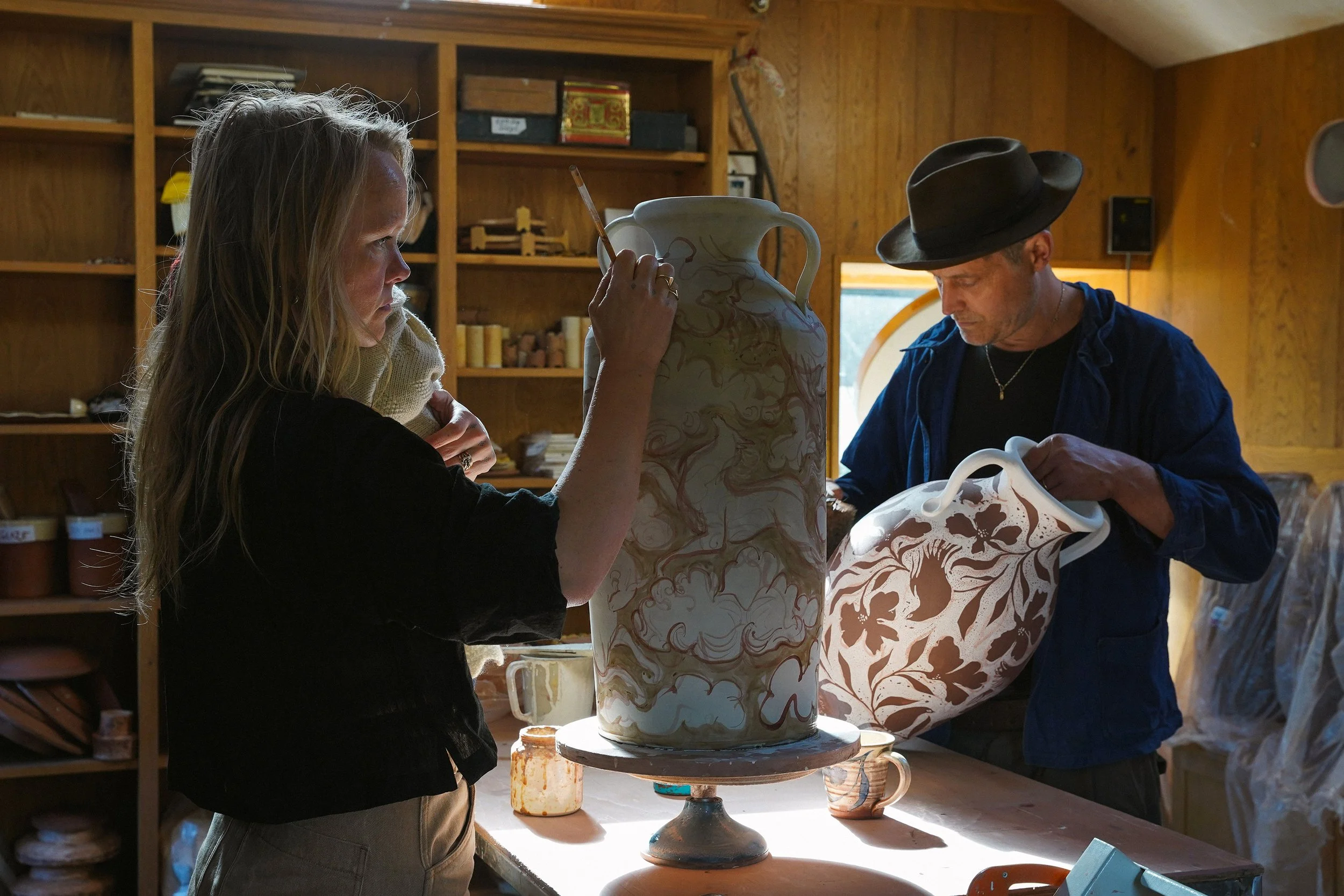
It is so inspiring to see you both bringing your talents together for your ceramics. How does the wonderful blend of your two worlds—Rollo’s structural expertise and Freyja’s poetic storytelling—create that unique magic we see in your collaborative collections?
R – It’s the perfect division of talent and labour. It doesn’t always work, but when it does, that’s where the magic lies!
F - We are both headstrong, yet I can feel something brewing, the meeting of two materials, two crafts: wood and clay. The idea of exploring what we could create together, beyond just ceramics, excites me.
Living in a home that has been cherished by your family for generations must be so grounding. How does the beautiful history of the house and the rugged Snowdonia landscape feed your creativity every day?
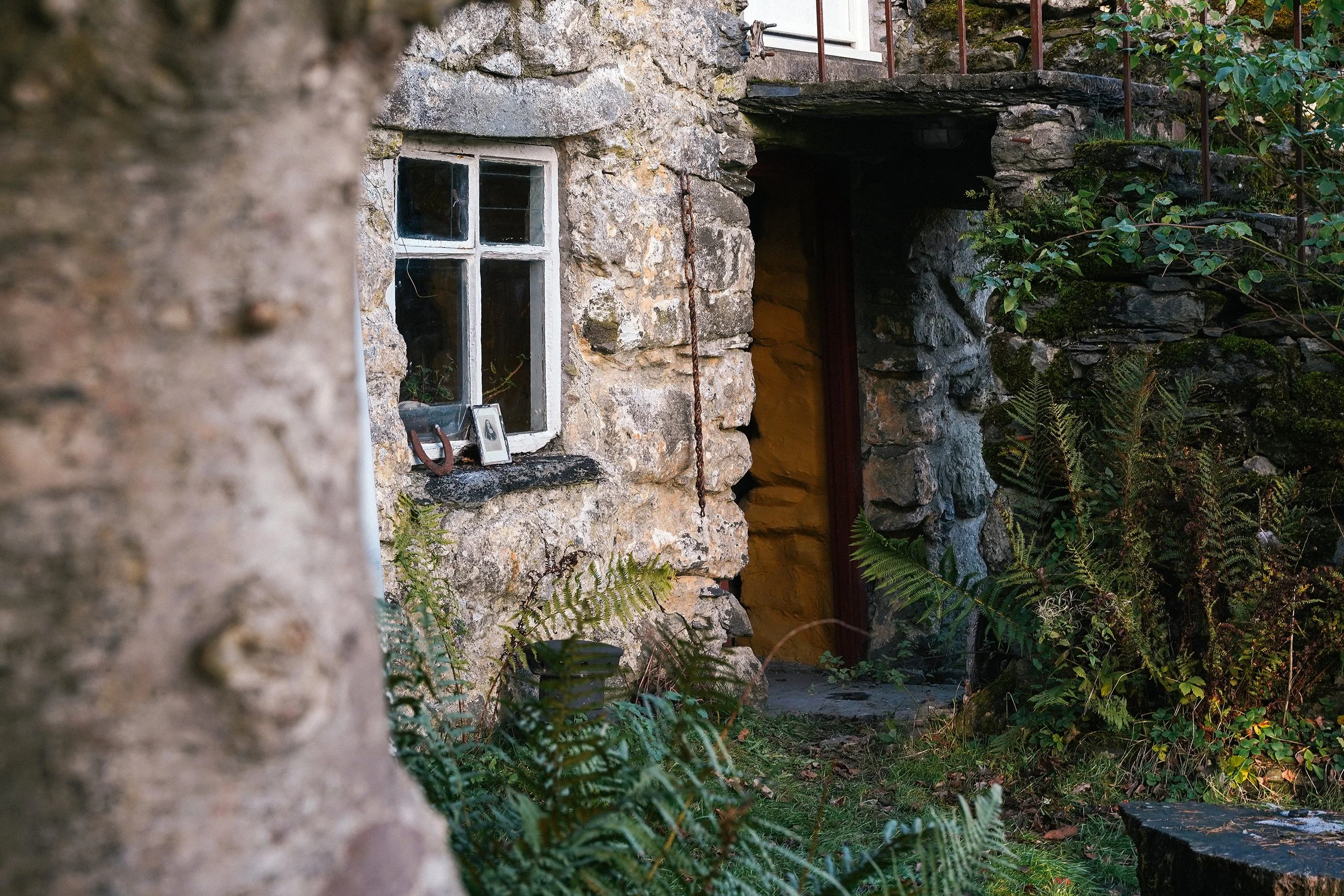
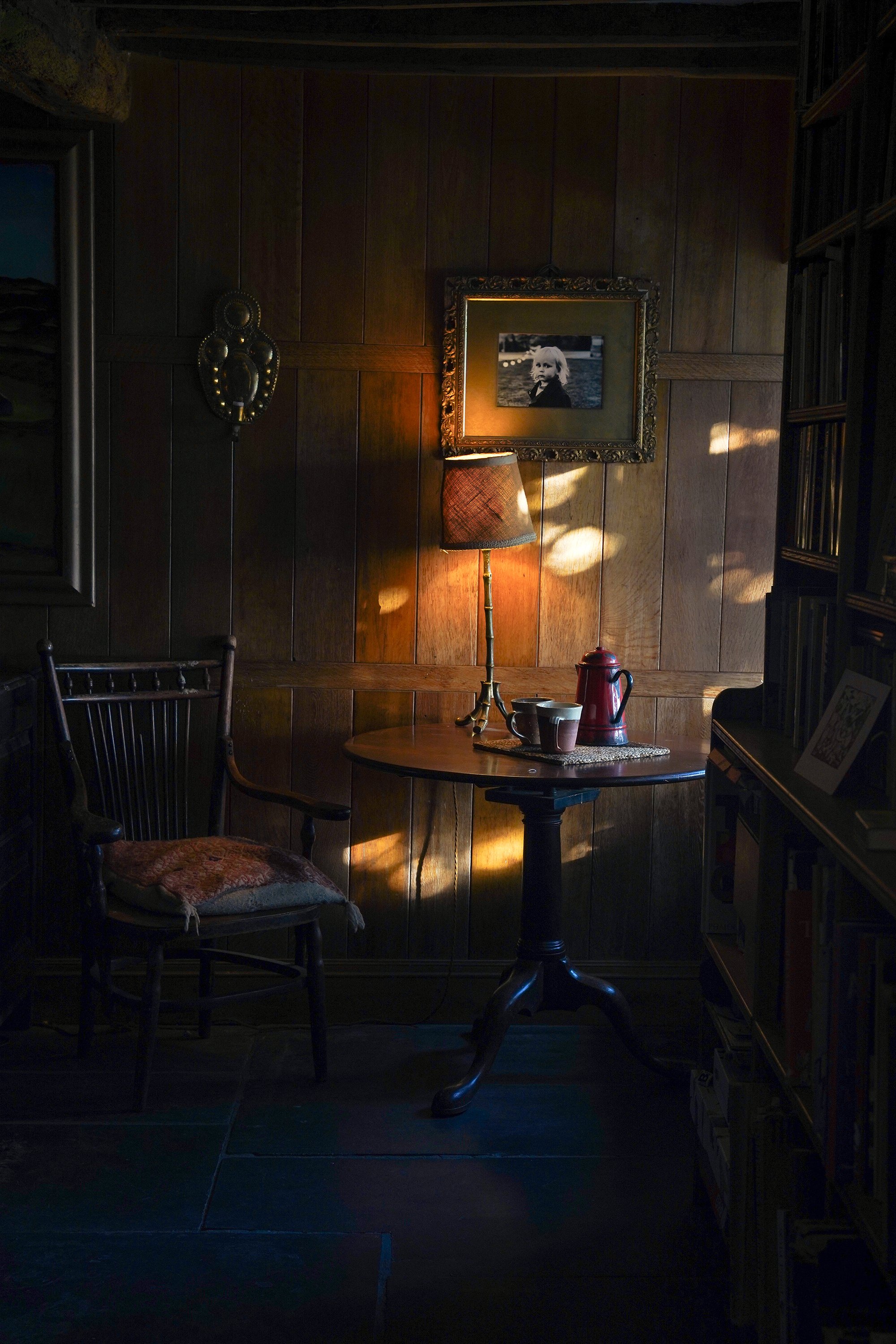
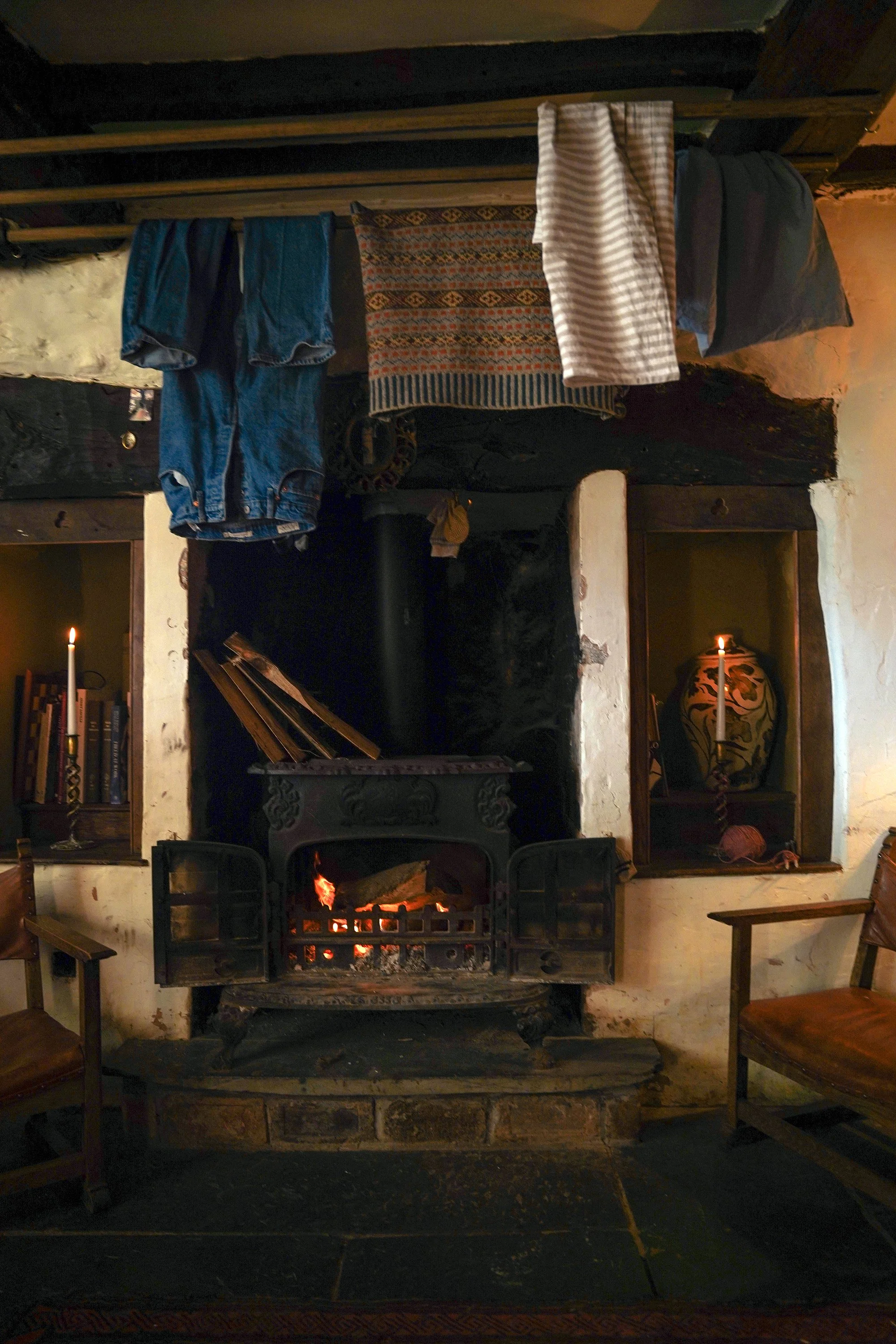
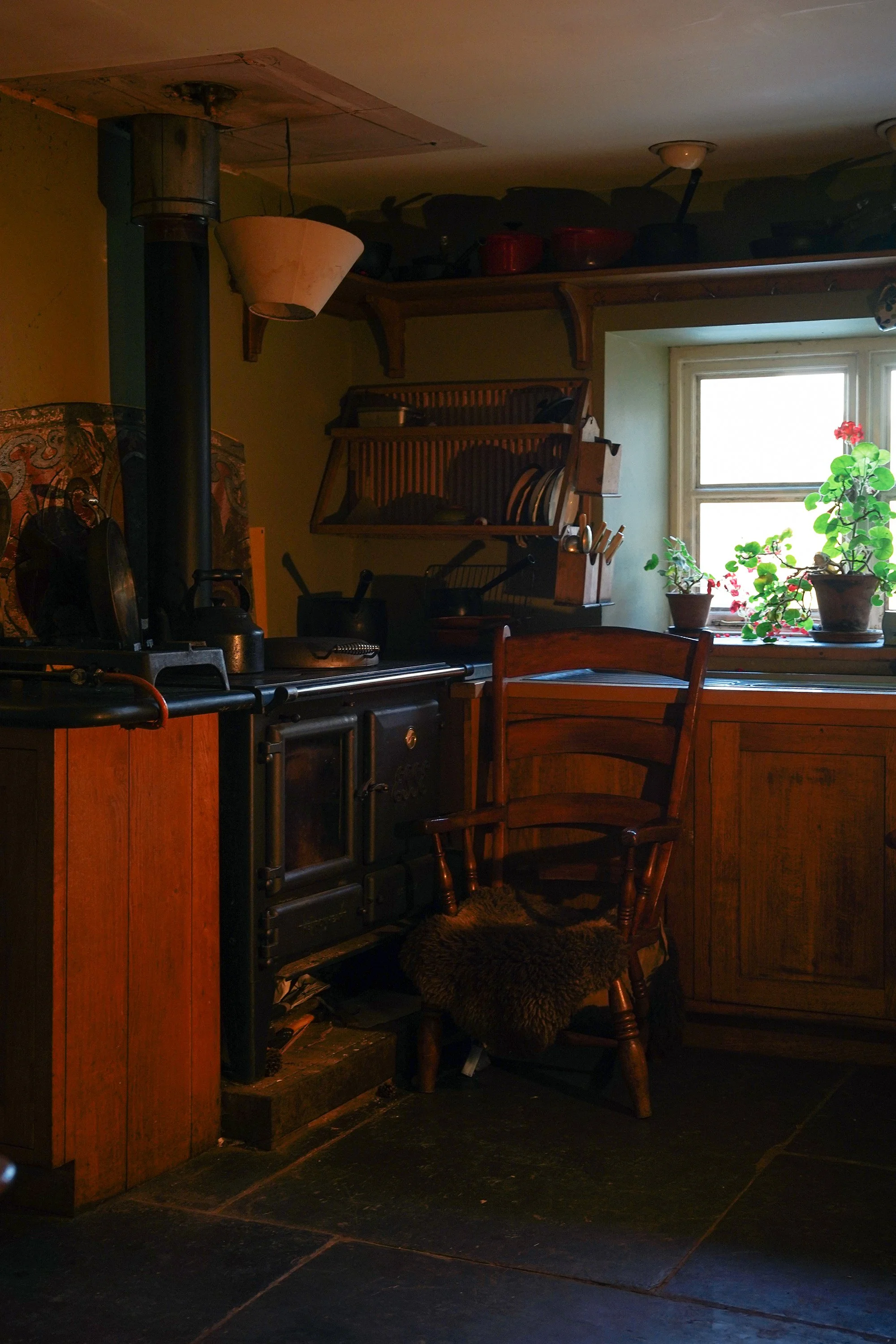
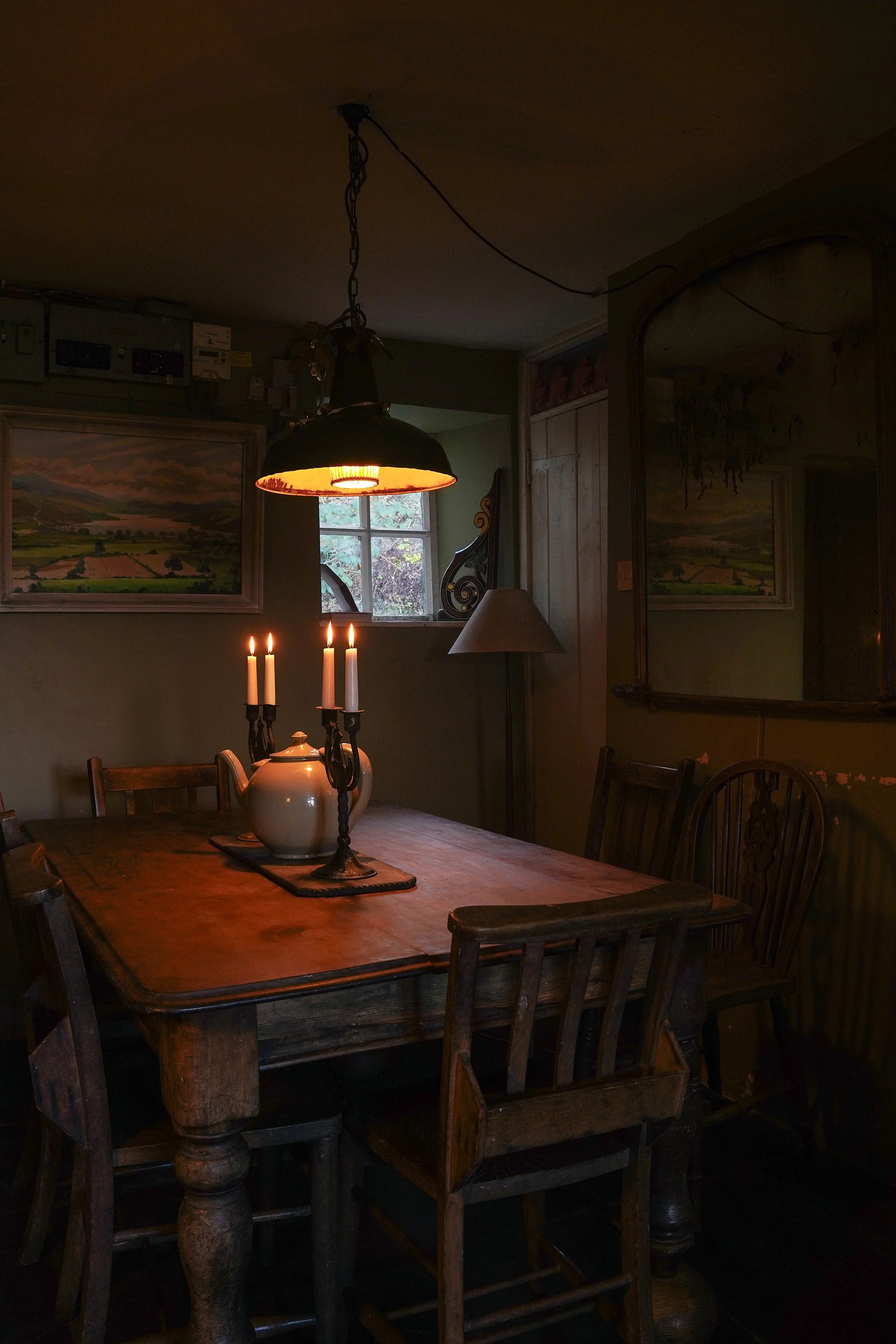
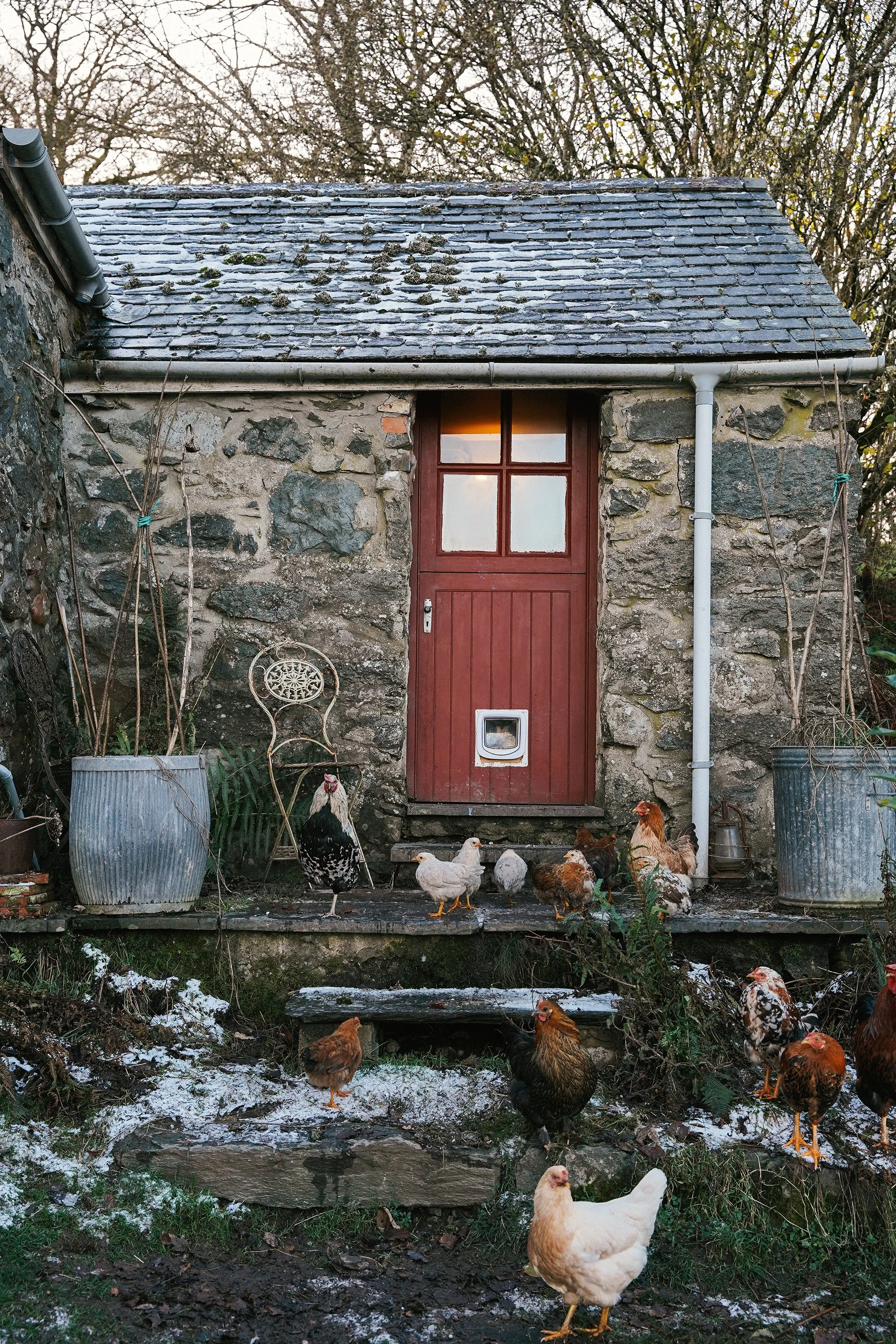
R - Being surrounded by nature is important to me. It gives me space to dream. I feel very lucky to be living in this beautiful house with its rich history. Although it’s not all roses, the winters can be rough and raw, it is a very real existence, where one feels the elements and the seasons so keenly.
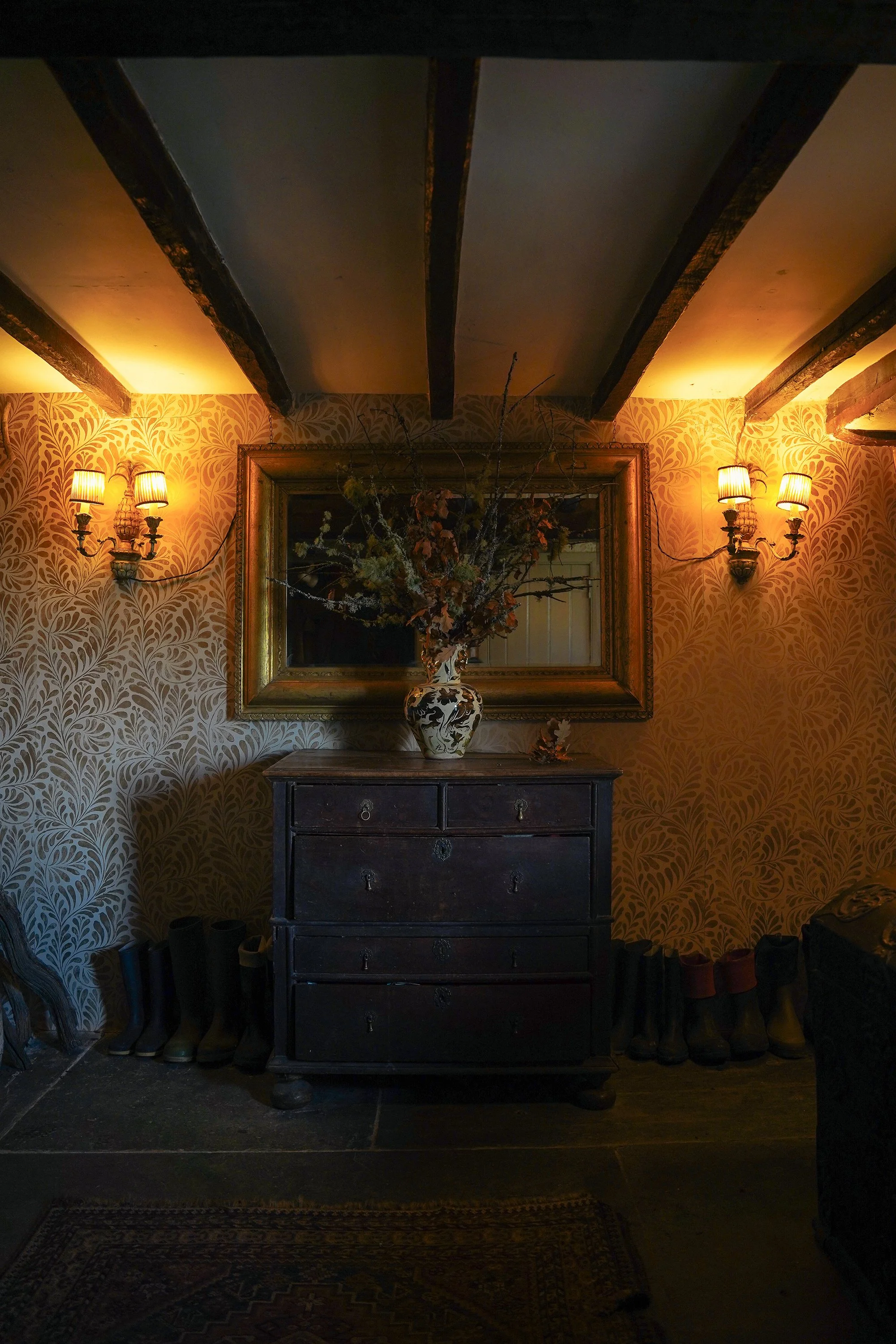
Living in a house once belonging to my grandfather, Tom Stacey, and set within the landscape of Snowdonia, gives me a constant sense of continuity. The weather, the shifting light, the age of the walls, it all feeds into my work, reminding me to build things that feel grounded, honest, and made to endure. It keeps me mindful that what I make should sit gently in its surroundings and stand the test of time.
The history of the house and the land seeps into everything I do. It teaches patience, respect for materials, and the quiet rhythm of making, lessons I try to carry into every project I undertake.
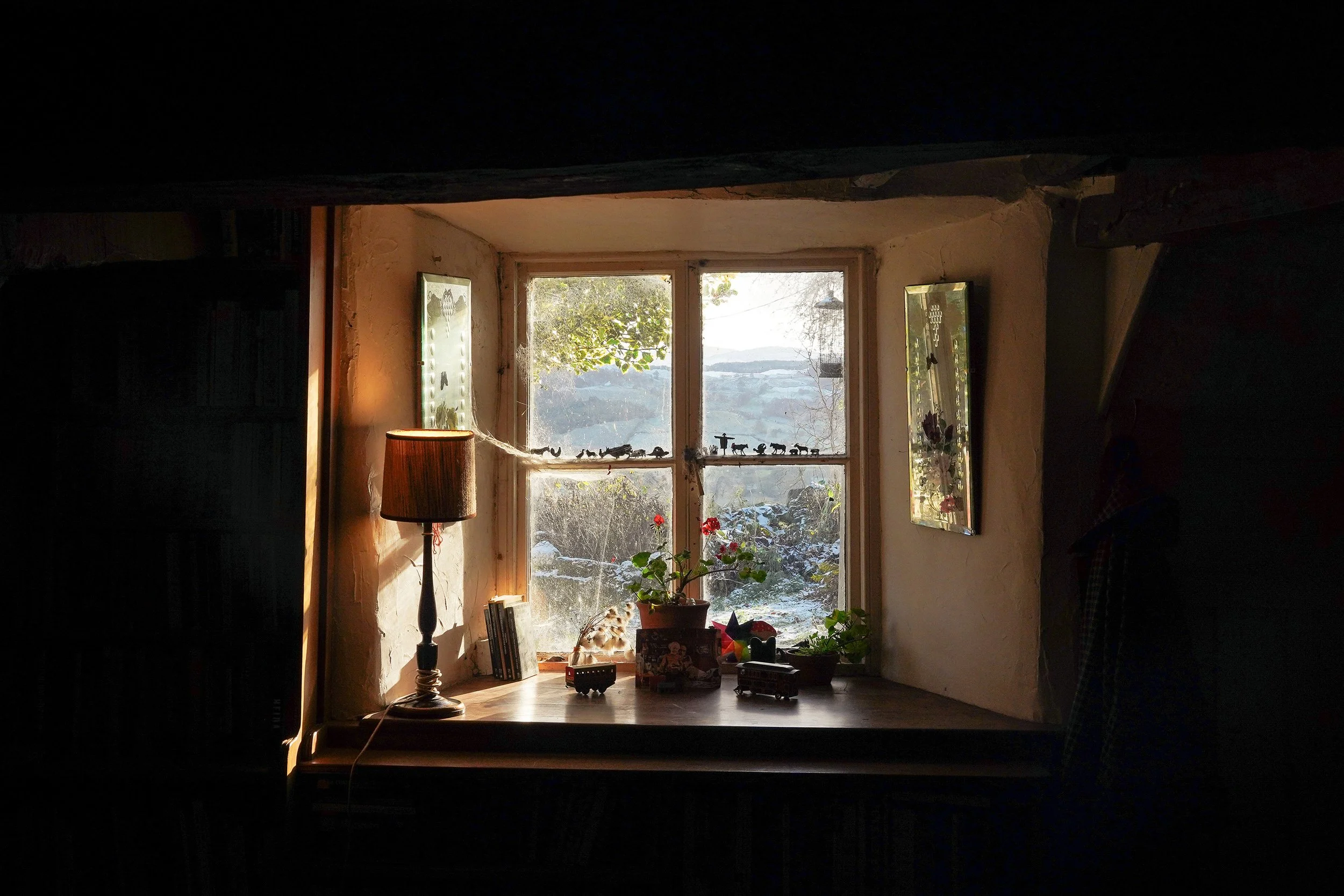
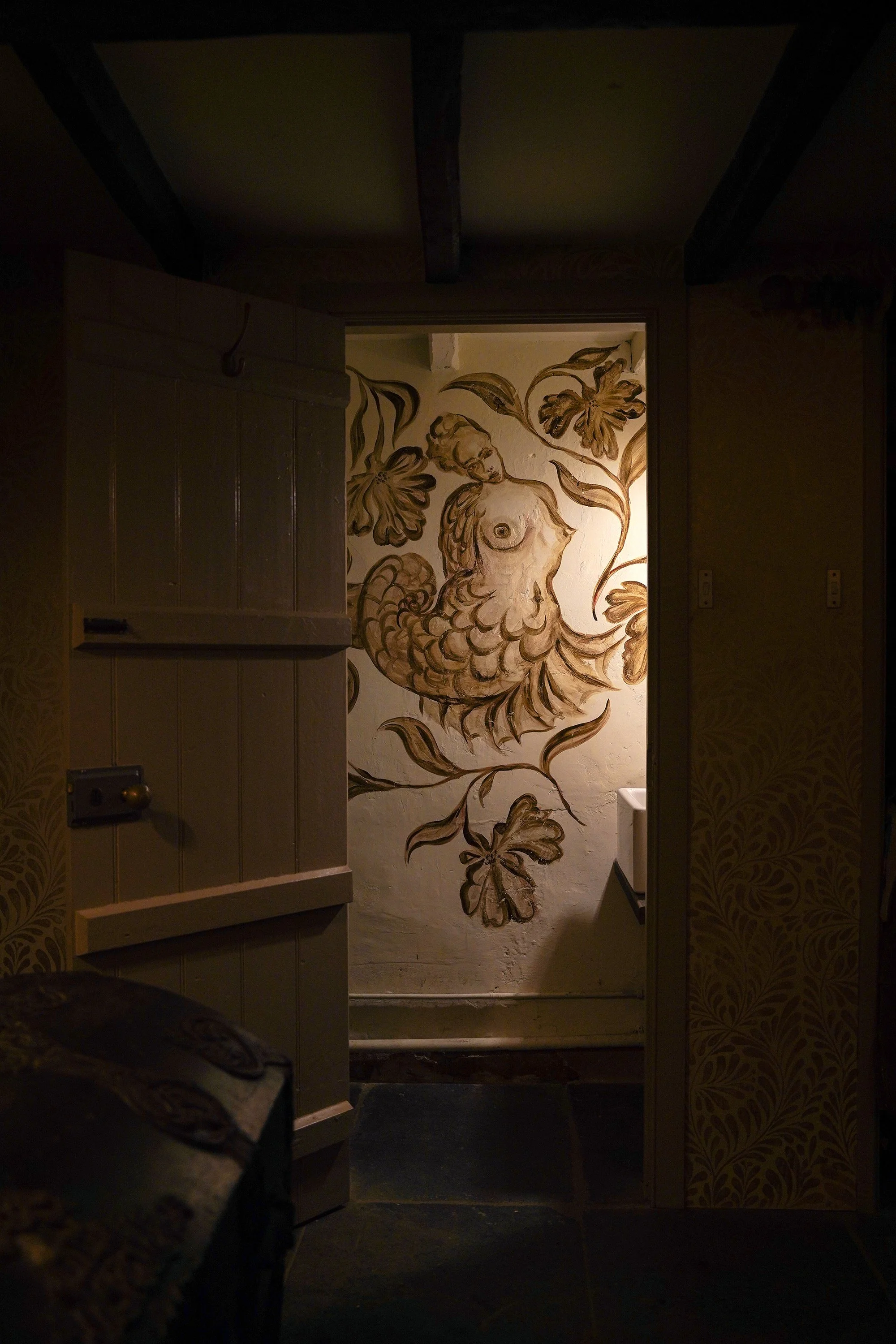
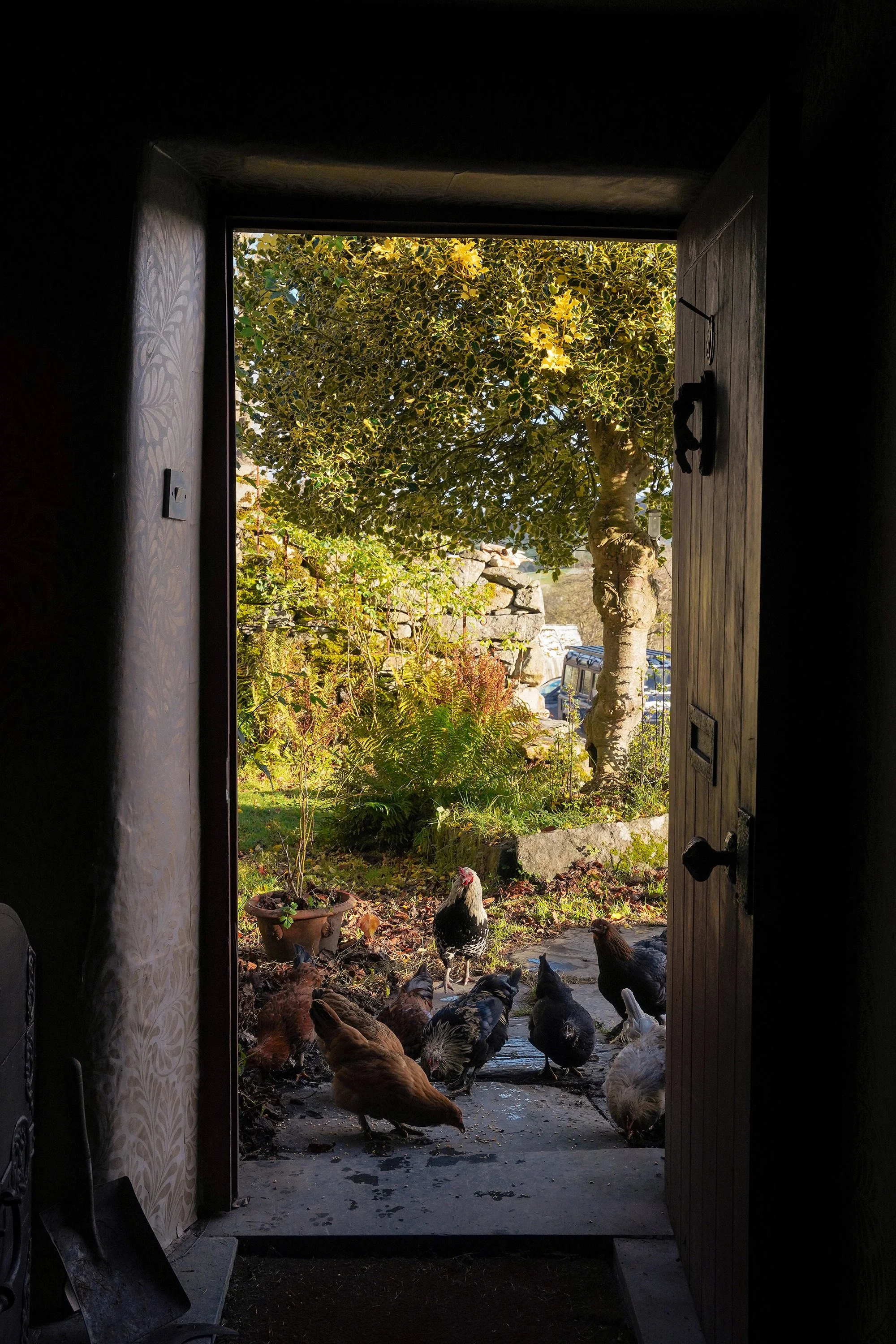
F - The sense of belonging to a landscape is a very special thing indeed, one that grows with every year and season we spend exploring it with the children. Getting to know the rhythms of the place, when the frogspawn arrives, when the swallows return, when the mushrooms appear, deepens that connection. The house is so old it feels as though it lives and breathes. A lot of the imagery is drawn from the birds and foliage that surround us in our immediate environment.
You have both embraced such an intentional, handmade way of life. What do you love most about raising your children in an environment where creativity and the rhythm of the land are at the heart of everything?
R - We both come from a long line of creatives, so we can’t not make. It’s normally complete, utter chaos, and one hopes that sometimes, from that, the magic flows. At the very least, we’re giving our children a sense of wildlife wonder and freedom.
F - Even though it’s hard, and we’re certainly not getting it all right, I know there are so many opportunities for wonder for them. We’ve started a tradition of an early breakfast on May Day morning, in the dew on a bank of primroses, watching out for fairies. Or it’s finding frogspawn in the drizzle, the return of the swallows, or dodging hemlock. There is a quiet safety in the valleys all around us, and I want to encourage them, as they get older, to explore on their own, to get lost in a mossy ditch and come back full of stories. This is a rare opportunity these days.
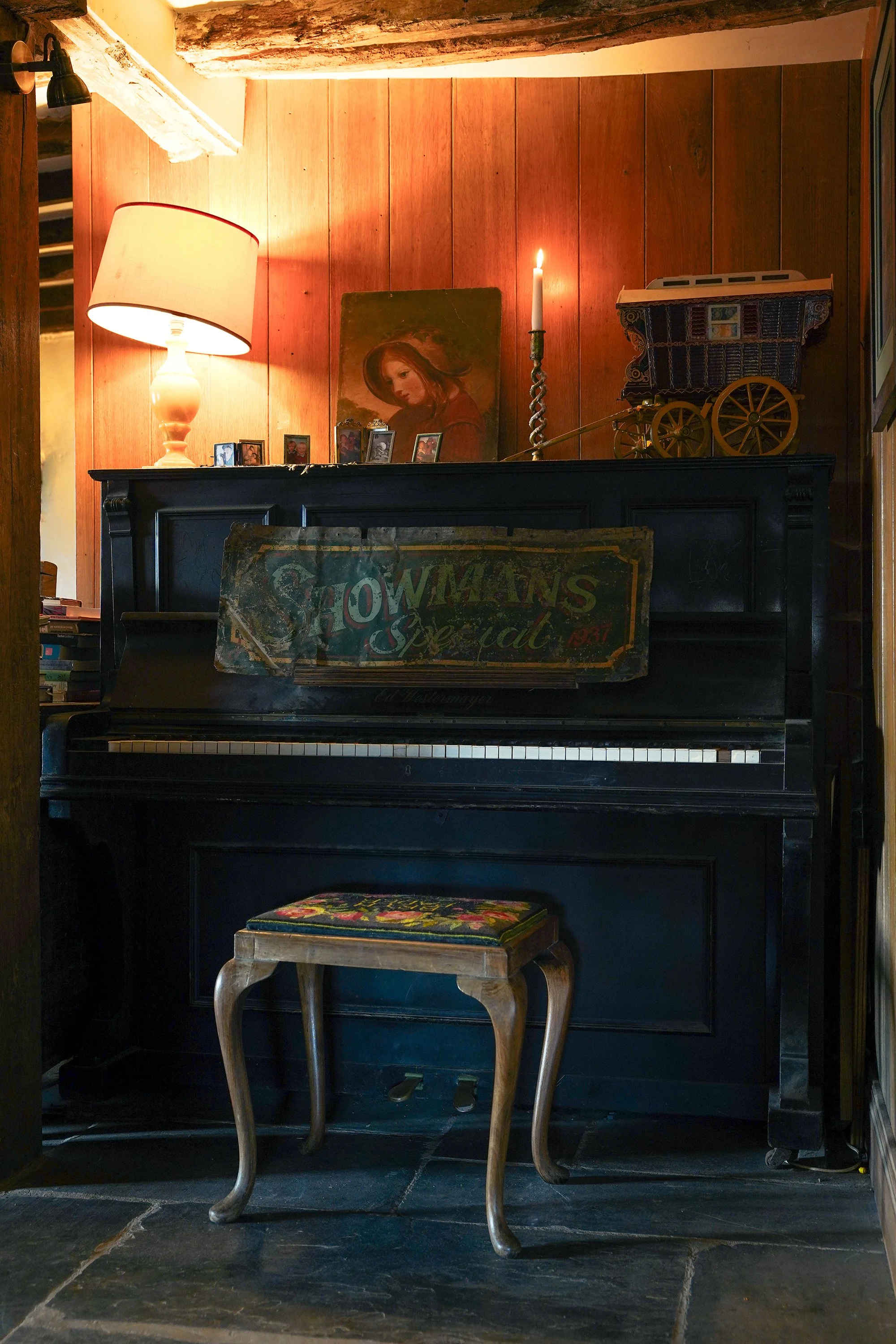
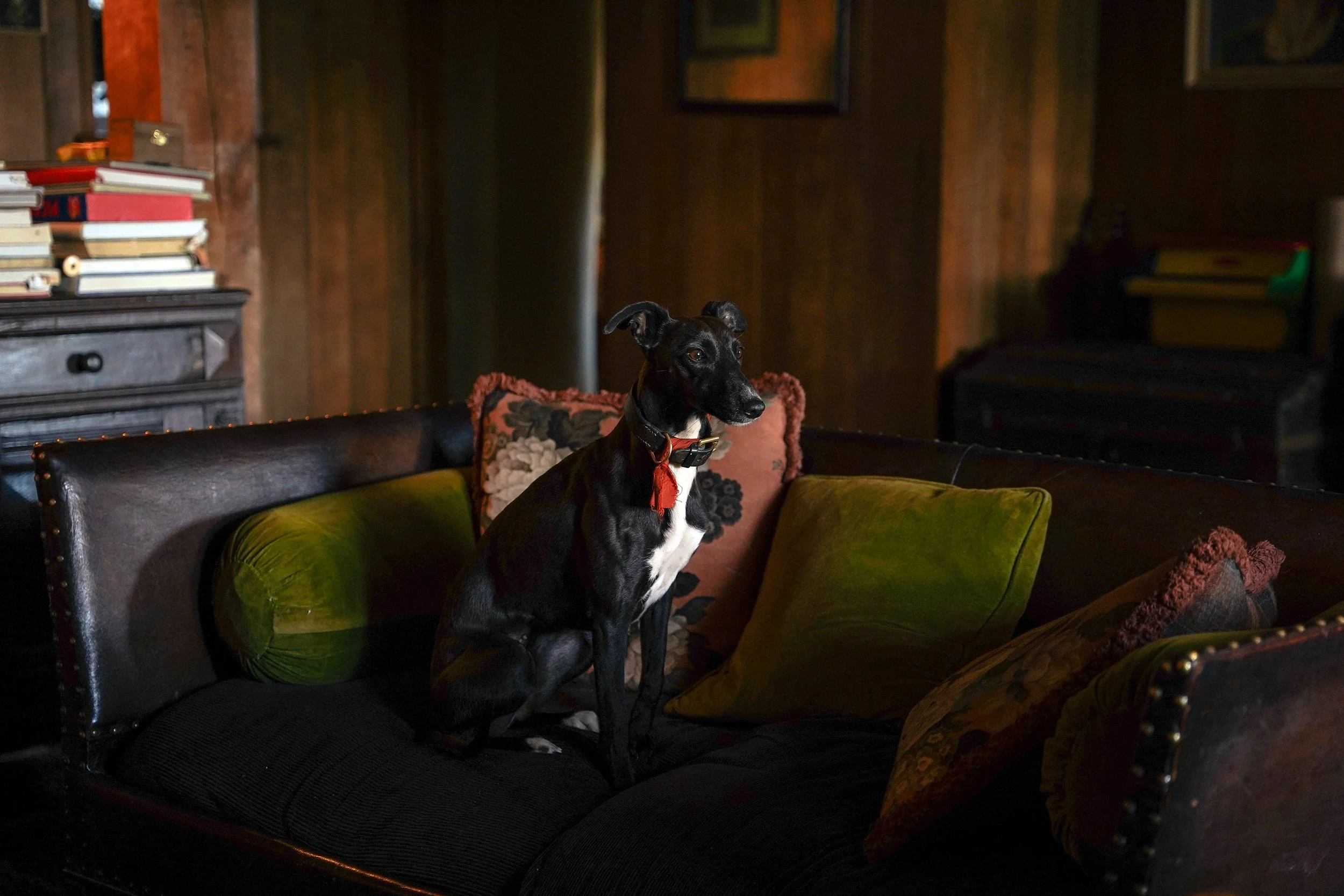
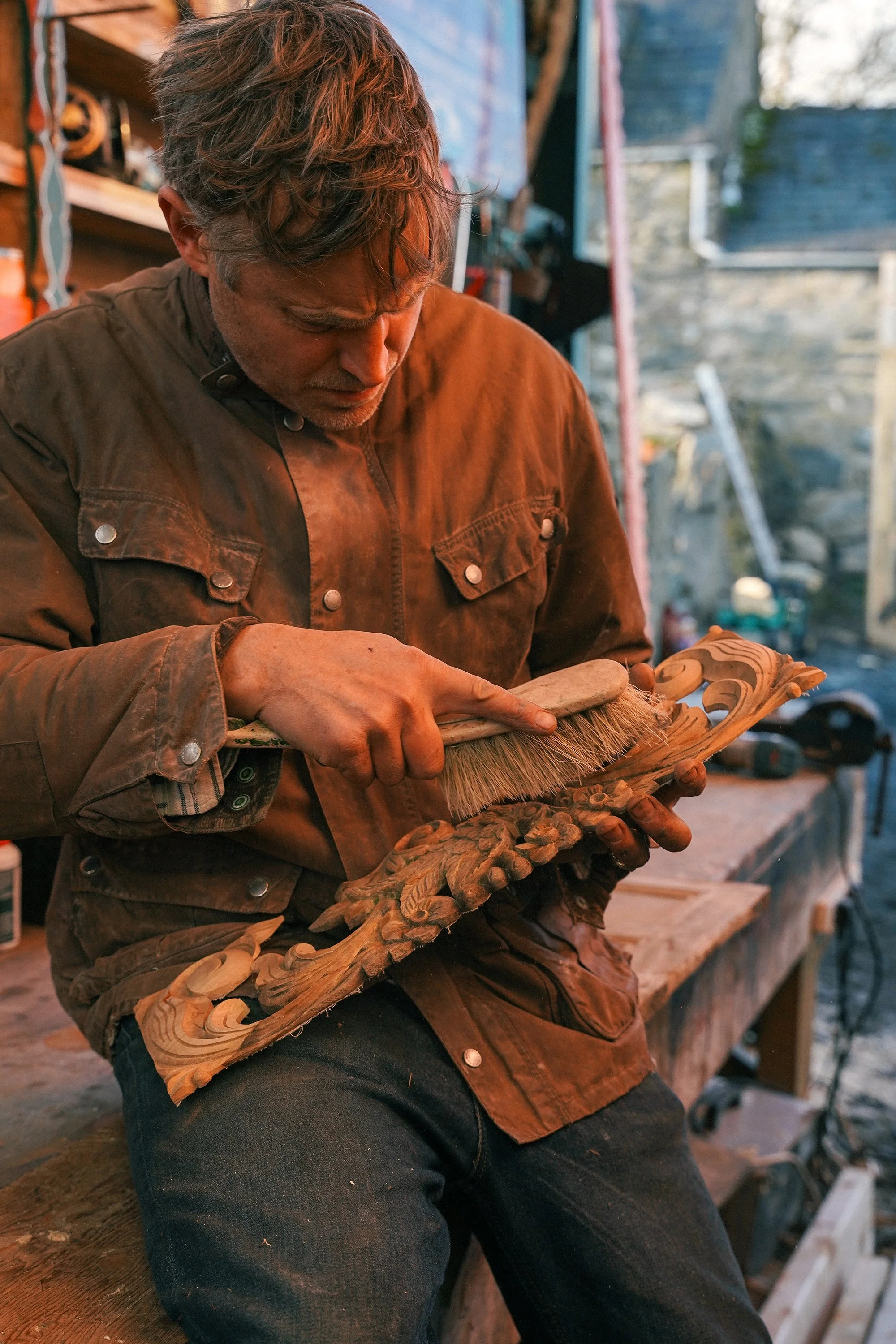
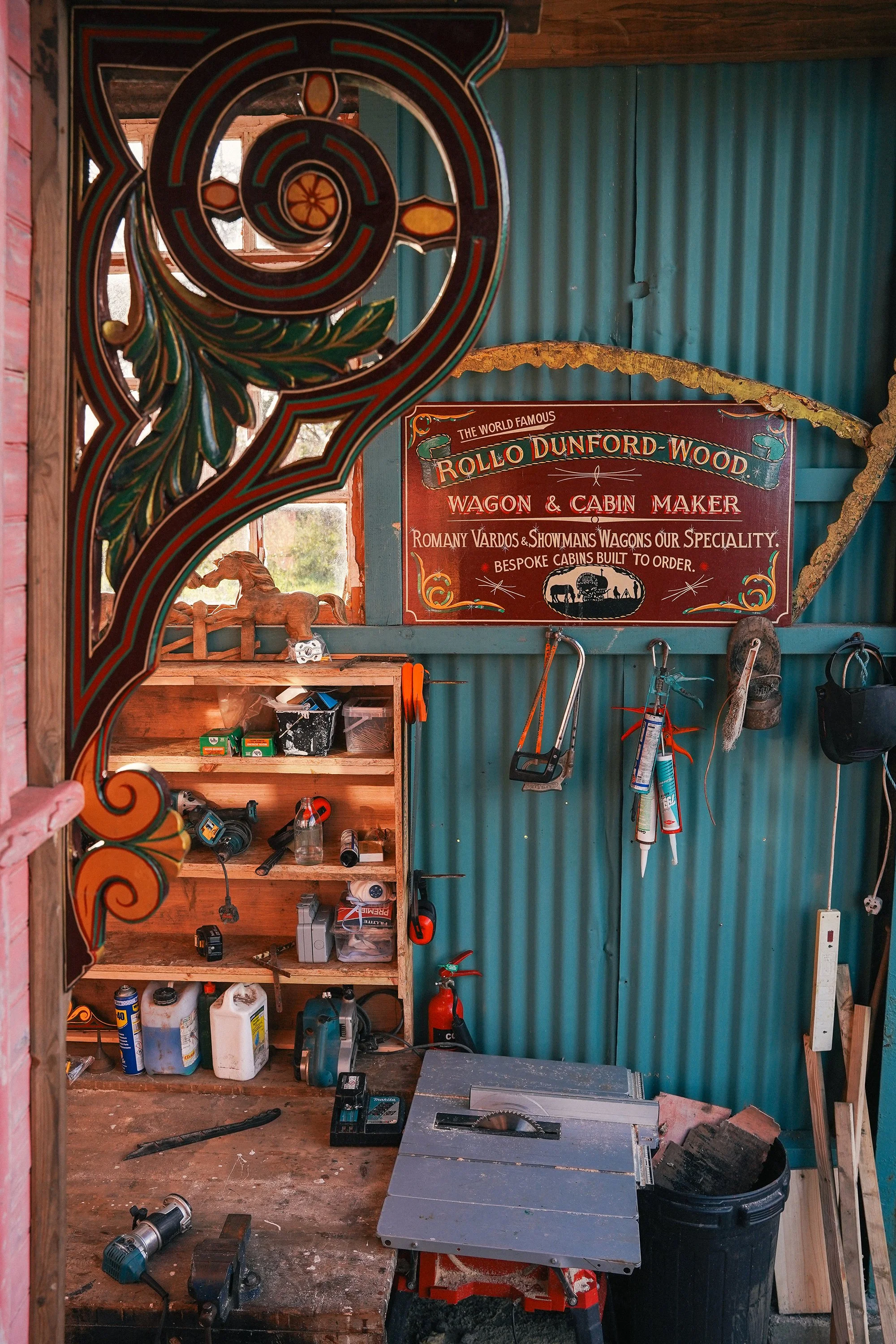
Rollo, your workshop is like a treasure trove of history. Is there a special sense of joy when a piece of weathered timber or a "scrapyard oddment" finally finds its perfect home in one of your structures?
Whenever I’m out and about in my truck, sitting a little higher than most is an advantage, as I am always on the lookout for treasure. I’m a sucker for a salvage yard or a farmers’ auction and can never walk past a skip without a little rootle.
One of the challenges, but also the joy of my work, is problem-solving to find the perfectly weathered beam or something to suit the right window, or to fit the proportions of a building – it helps to have lots of stock to choose from in my workshop.
It is always a thrill and a surprise to be able to unearth an old door or a perfectly battered chair that I have in stock, forgotten for all those years, that just fits the space.
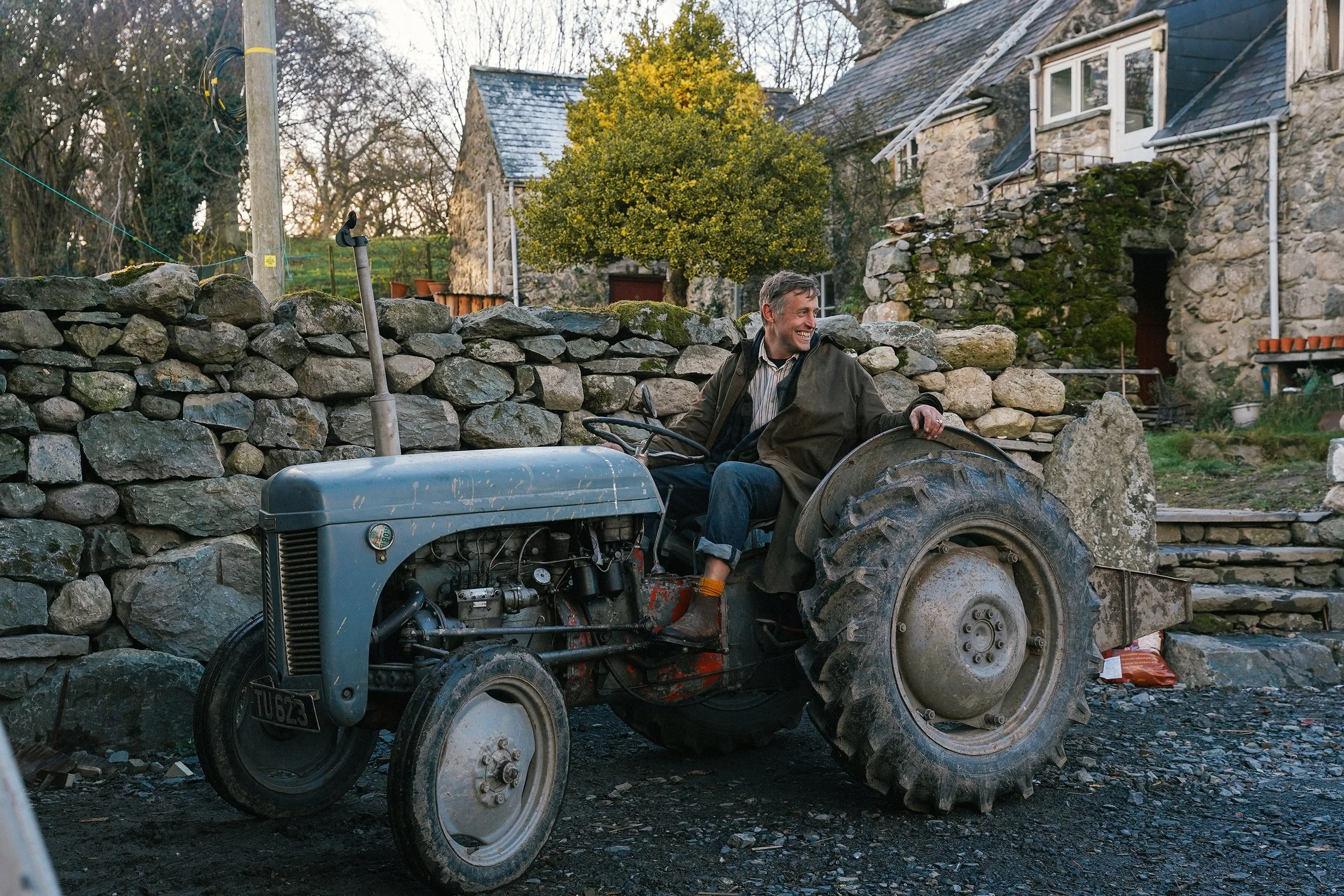
You’ve transitioned from restoring historic showman’s wagons to designing your own breathtaking cabins and pavilions. What is the most rewarding part of starting with a blank canvas to build these "living works of art" from scratch?
The beauty of my Cabin work is that I have full creative control. I feel really lucky to be trusted by my clients to do my thing and follow my creative instincts because that’s when I do the best work.
Starting with a blank canvas is exciting, it’s a chance to shape something from nothing, to imagine a space that hasn’t existed before and see it slowly take form.
I love that freedom to experiment, to bring in textures and shapes that tell a story. It’s not just about building a cabin or pavilion; it’s about creating a living work of art that feels right in its setting and resonates with the people who will use it.
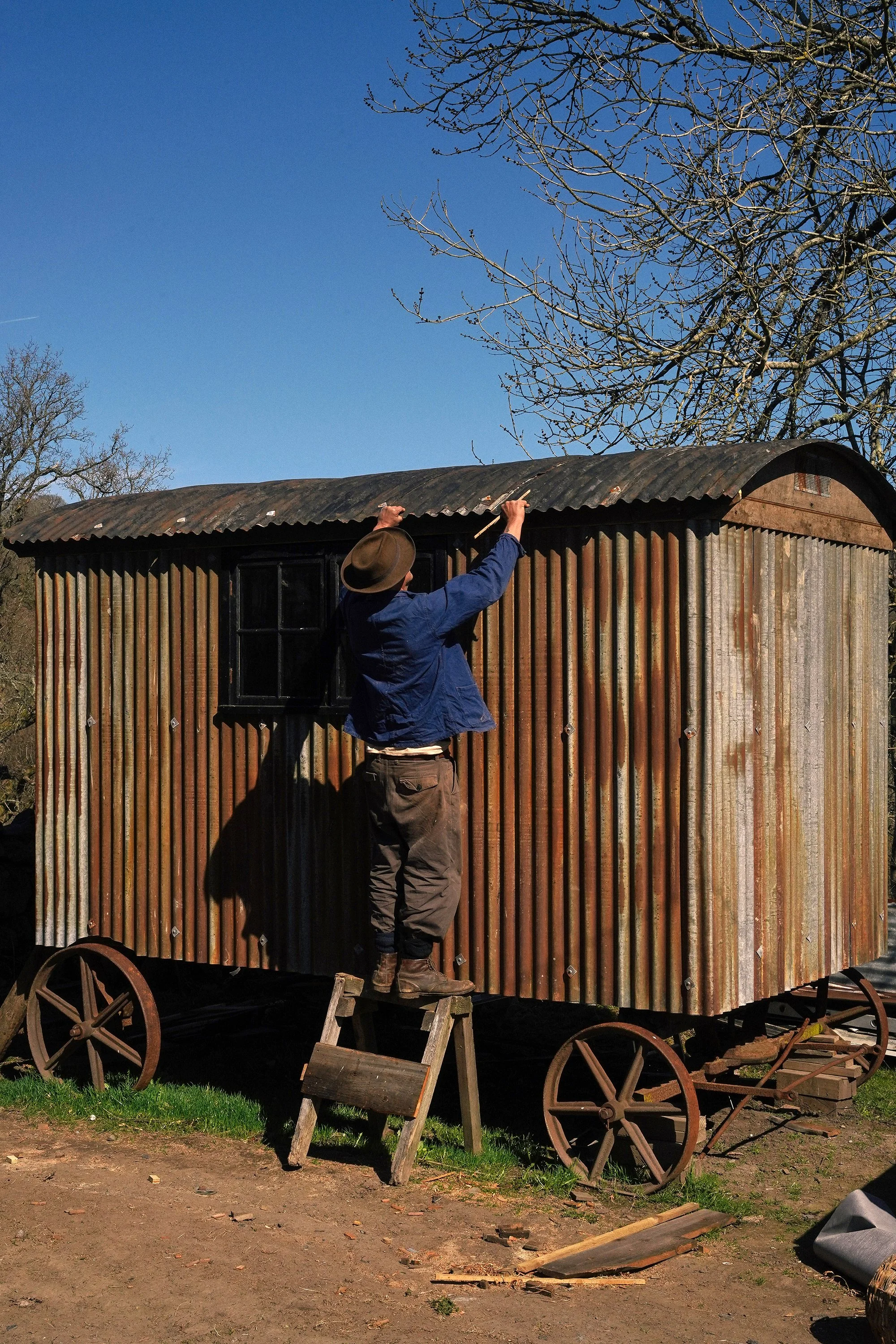
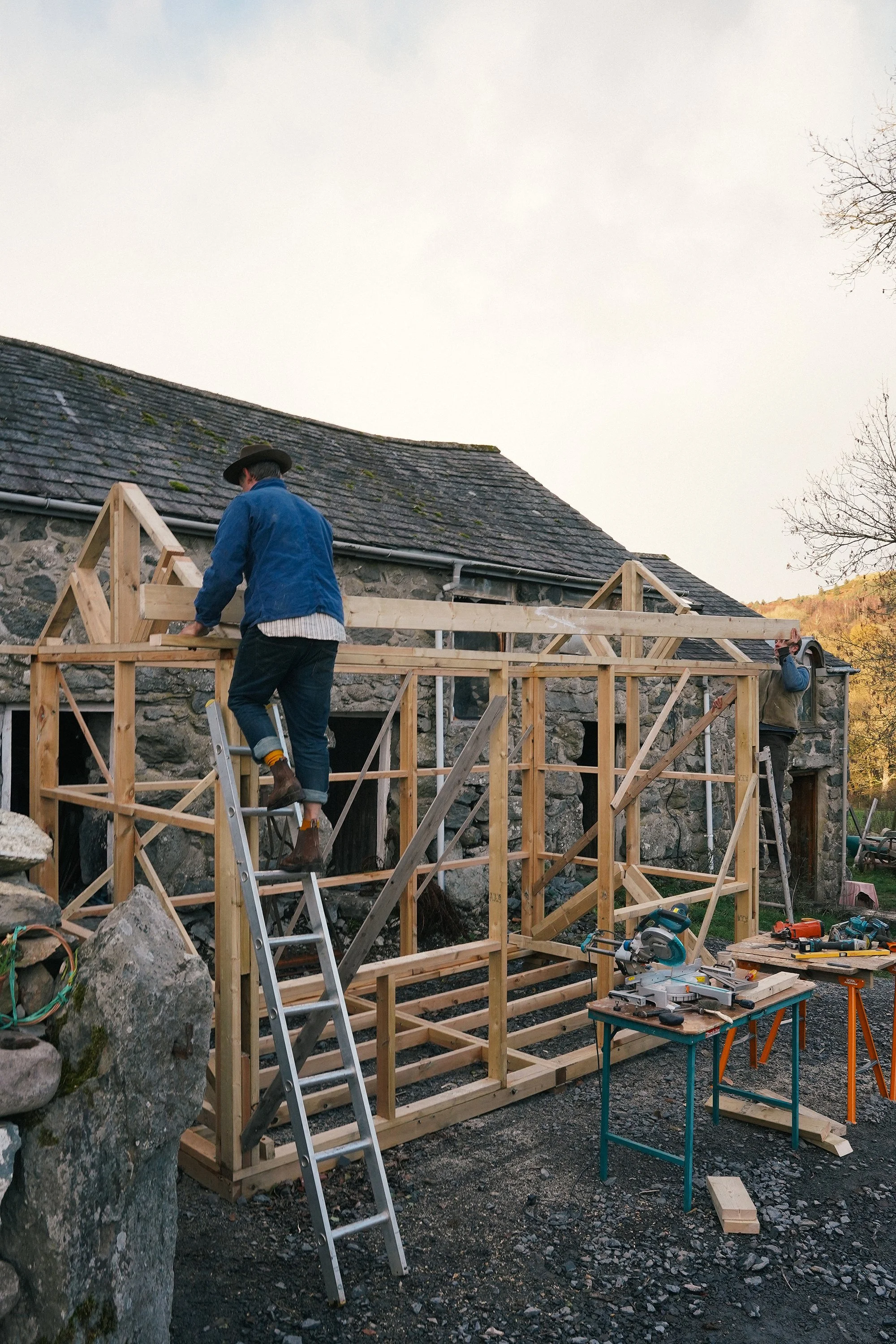
Your work has such a stunning balance, it feels rugged and honest, yet deeply romantic. How do you infuse that sense of wonder into structures inspired by simple, traditional barns and sheds?
It’s got to feel nostalgic and transport me back in time. Being able to create a building that feels like it’s stood there for many years is the key. To conjure this, I am forever drooling over farmyards and timeworn barns, gathering inspiration. I feel lucky to be surrounded by so much inspiration where I live.
Freyja, How does it feel to continue the ancient tradition of sharing myths and dreams through objects that people can hold in their hands?
I have always been drawn to objects that hold a kind of resonance, old, folkloric, handmade pieces that tell a story, often anonymous. To continue in this tradition of wonder through the handmade feels like I’m on the right path. There is something deeply reassuring about adding my voice to that quiet lineage of makers, past and present, who have shaped meaning into clay.
You create such soulful work amidst the busy, beautiful "chaos" of family life. In what ways does your experience as a mother and the landscape of North Wales find its way into your art?
Becoming a mother shaped me. It plumbed me back down to earth, in the same way that finding my voice through clay has. It’s grounding, you tend to the pieces amidst the chaos. It’s definitely not always beautiful. Mostly messy. But making pots, alongside raising children, has been my lifeline, my space to breathe when I’m not being needed.
The surrounding landscape of North Wales is inescapable, especially the way we live so close to its shifting skies and ancient hills. It feels like a reflection, my inner landscape working itself out onto clay, and the outer landscape of large skies, deep mossy mountains and wild weather keeping things fresh, and reflecting back in.
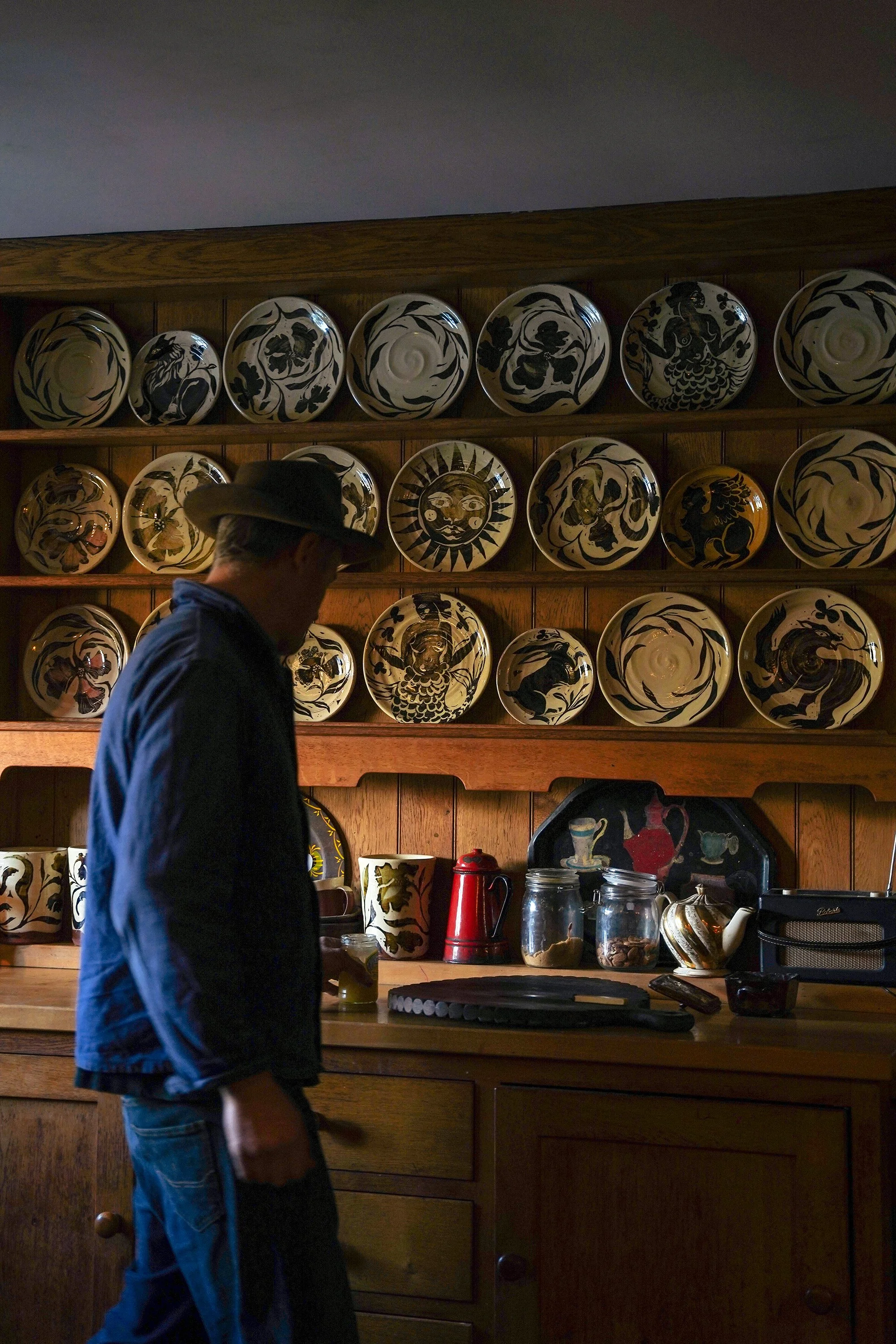
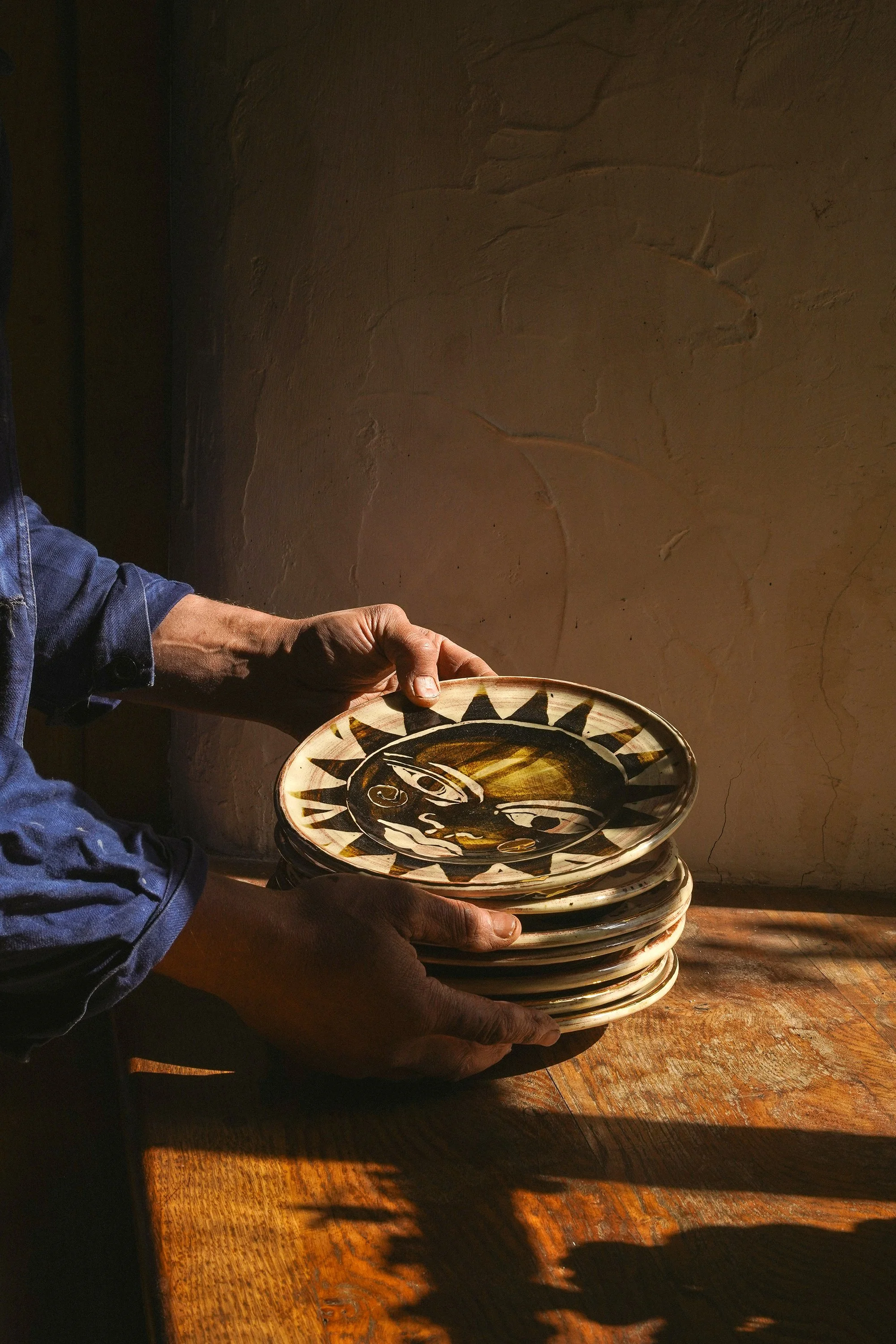
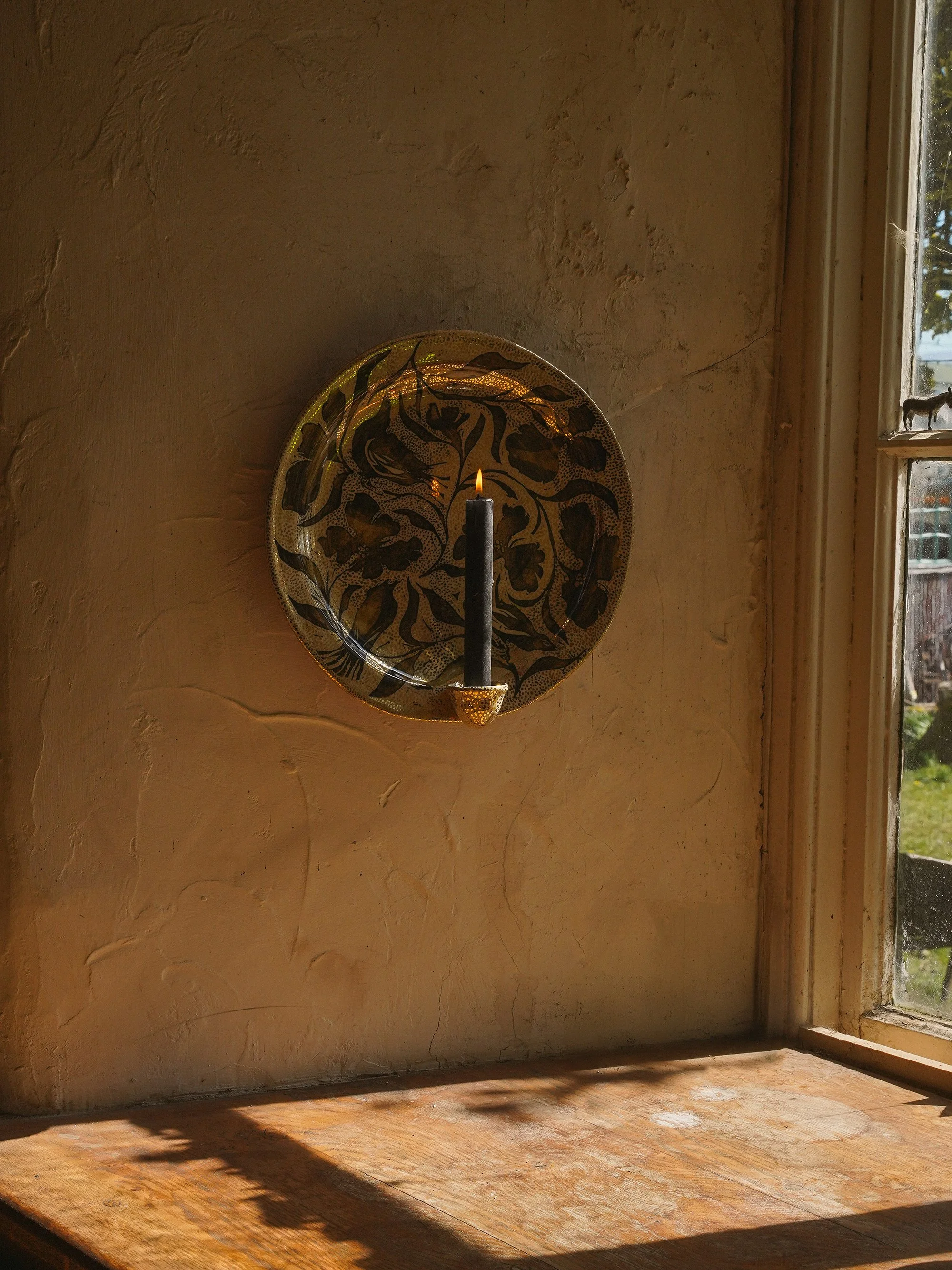
There is something so lovely about your pieces being both functional and timeless. Does it bring you a sense of pride to think of your work being used at family dinner tables for generations to come?
There’s something quietly pleasing about it, yet also deeply uncomfortable, the age-old tension between wanting to be seen and needing to hide. Once it’s out there, it’s out there, and I have to let go.
But knowing it might bring joy, or a little wonder, into someone’s home, that it might be held, used, woven into the small rituals of daily life, makes it all feel worthwhile.
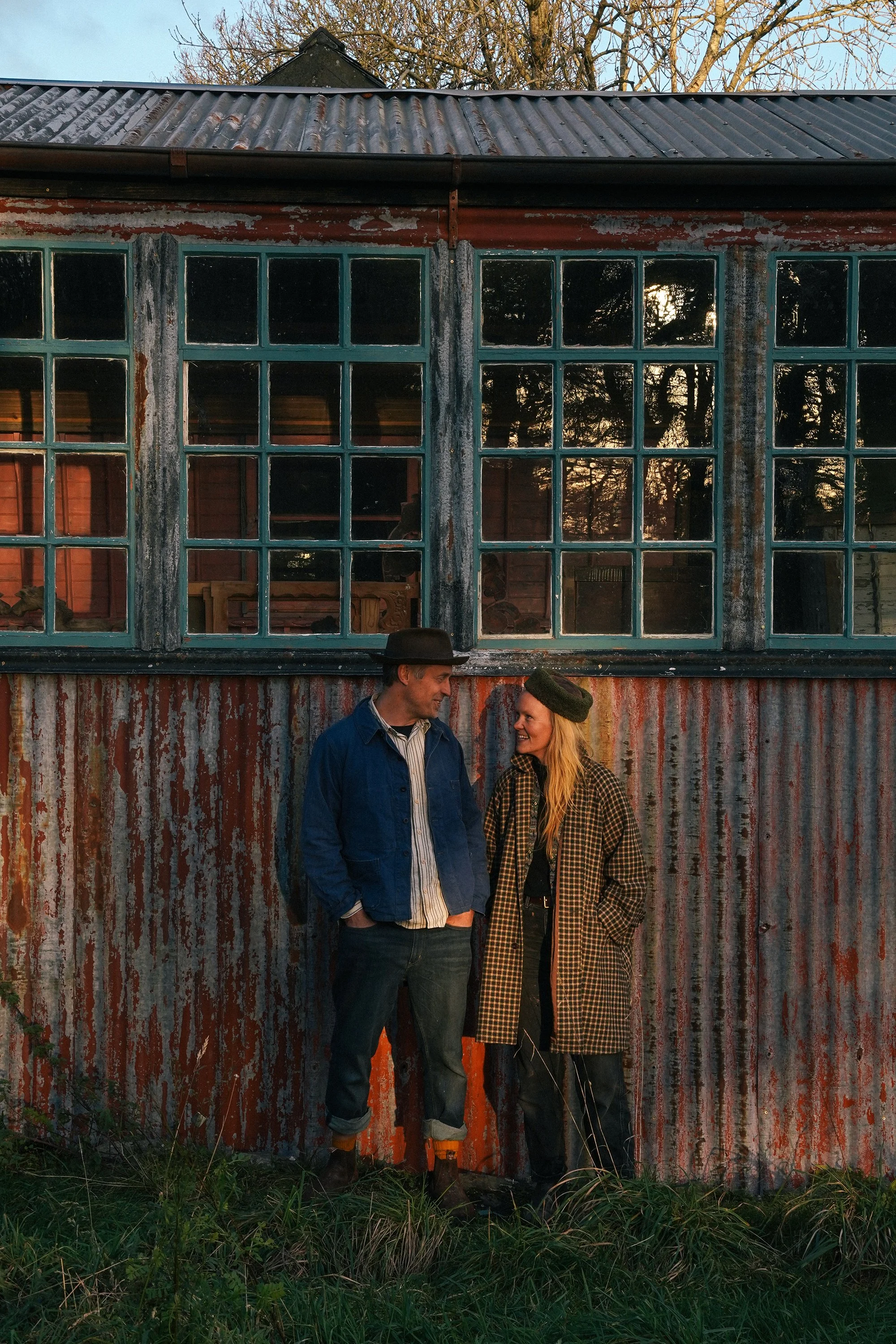
Rollo Dunford Wood - Cabin Maker, Designer & Master craftsman @rollodunfordwood
Freyja Lee - Artist @freyja_lee
Pictures - Leia Morrison @leiamiamorrison