
Listening to the Land
A Conversation with Fowlescombe’s Head Gardener
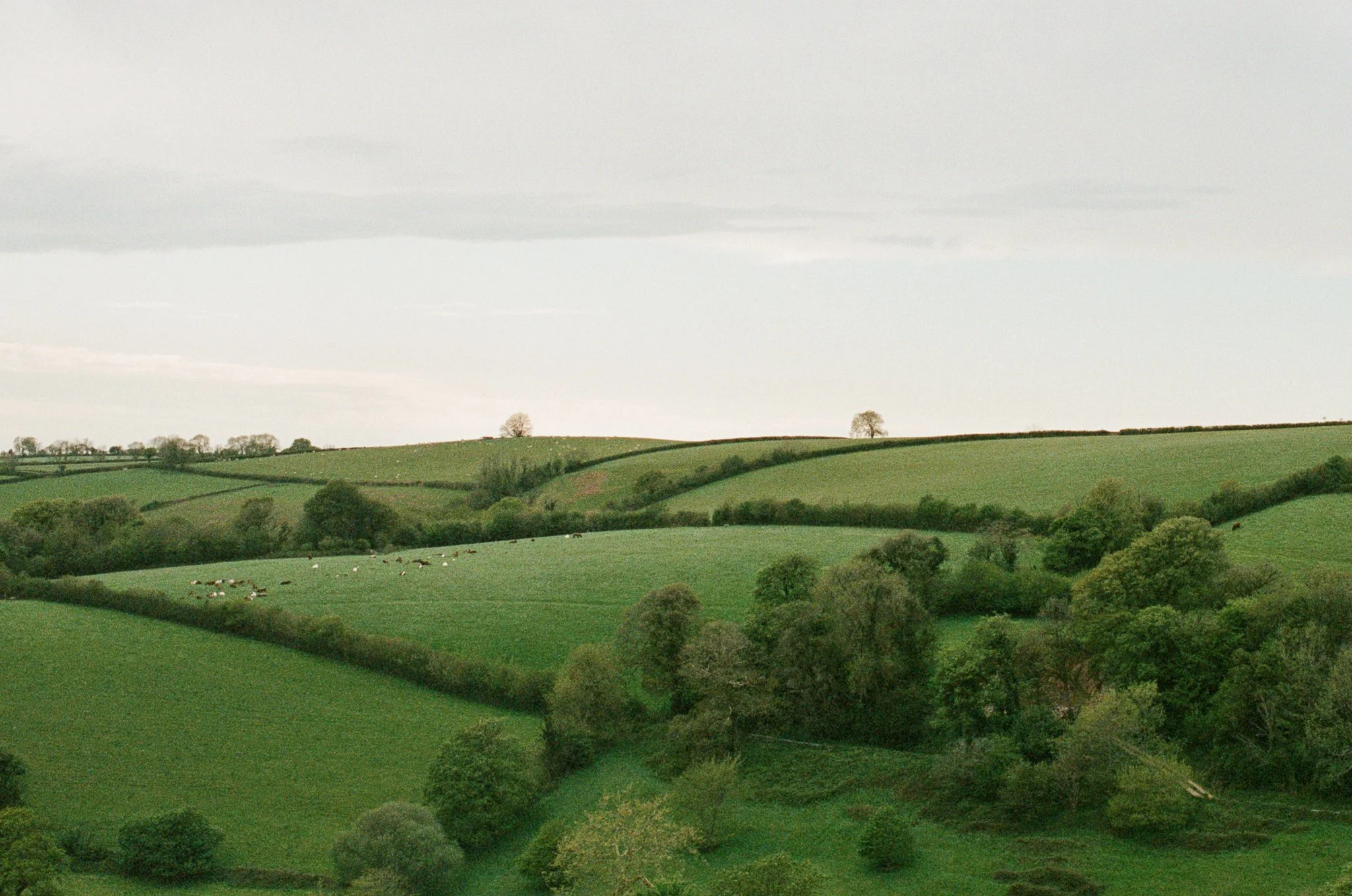
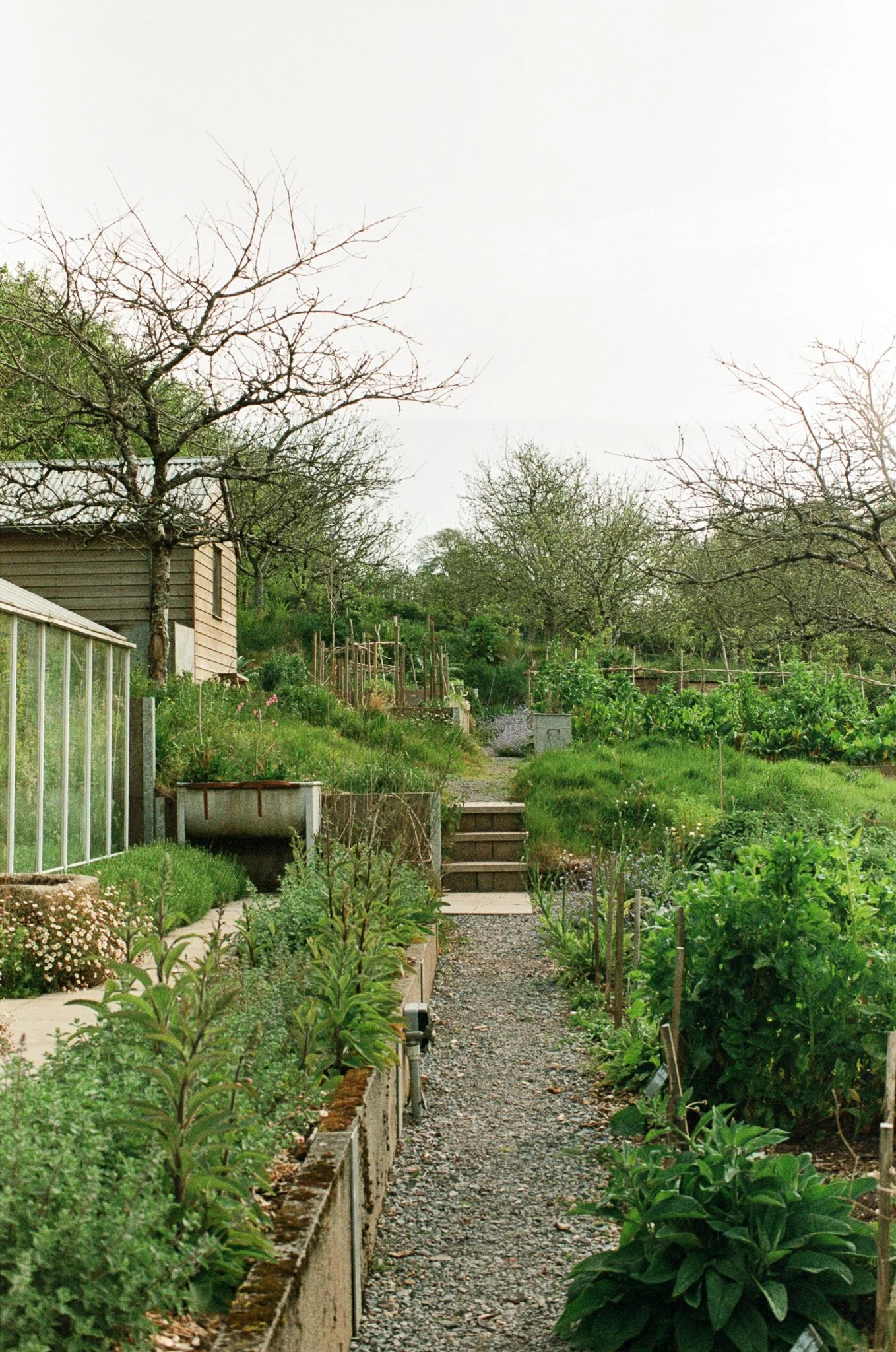
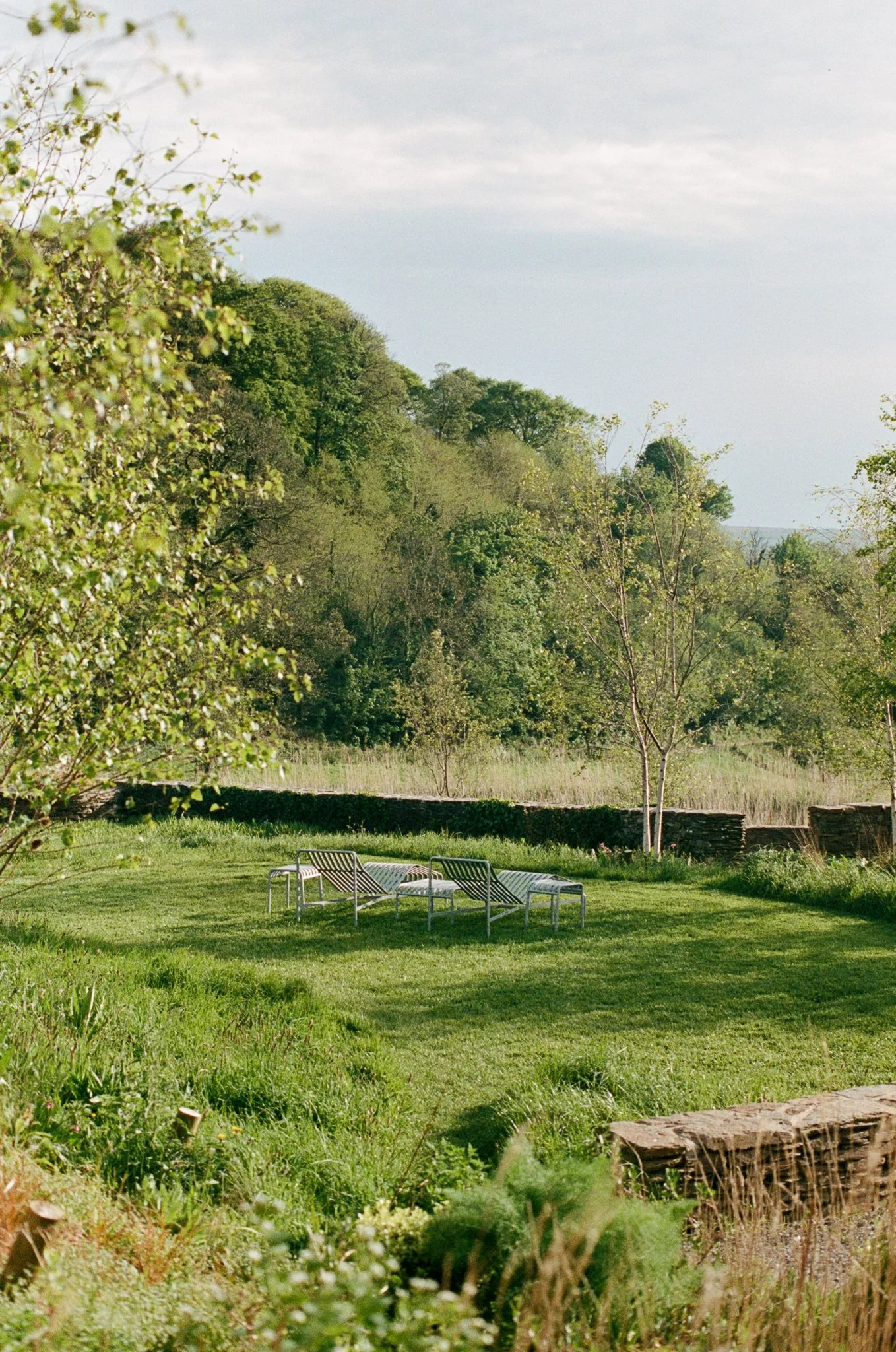
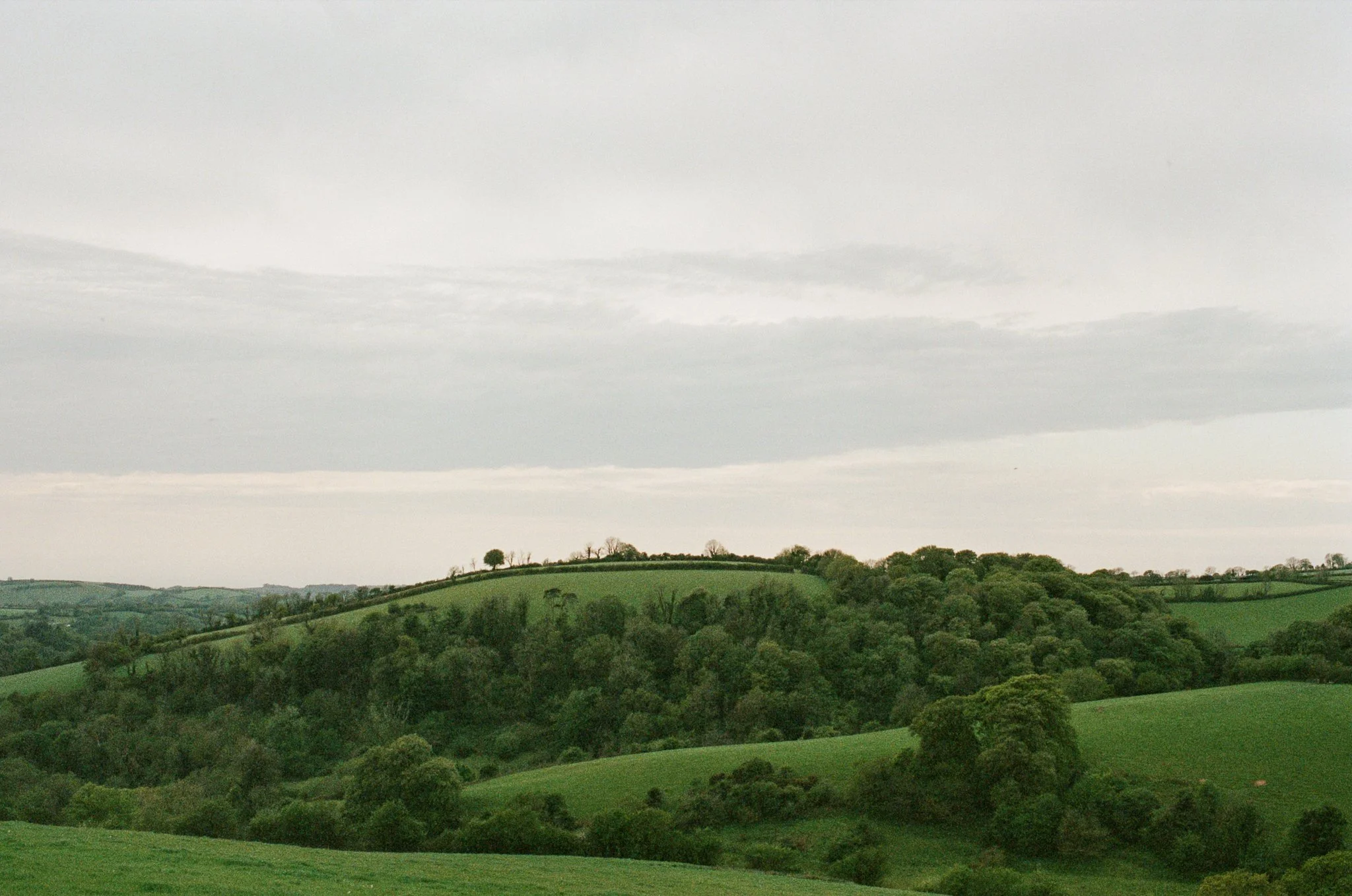
Before the gardens, before the orchards, before the careful choreography of cultivation, there is the land itself: hedgerows and woodland unfolding across the South Devon hills. Seen from above, the fields curve gently with the contours of the valley, the boundaries softened by ancient trees and thick green banks that seamlessly define the landscape; a landscape shaped by time, and also shaped by the seasons.
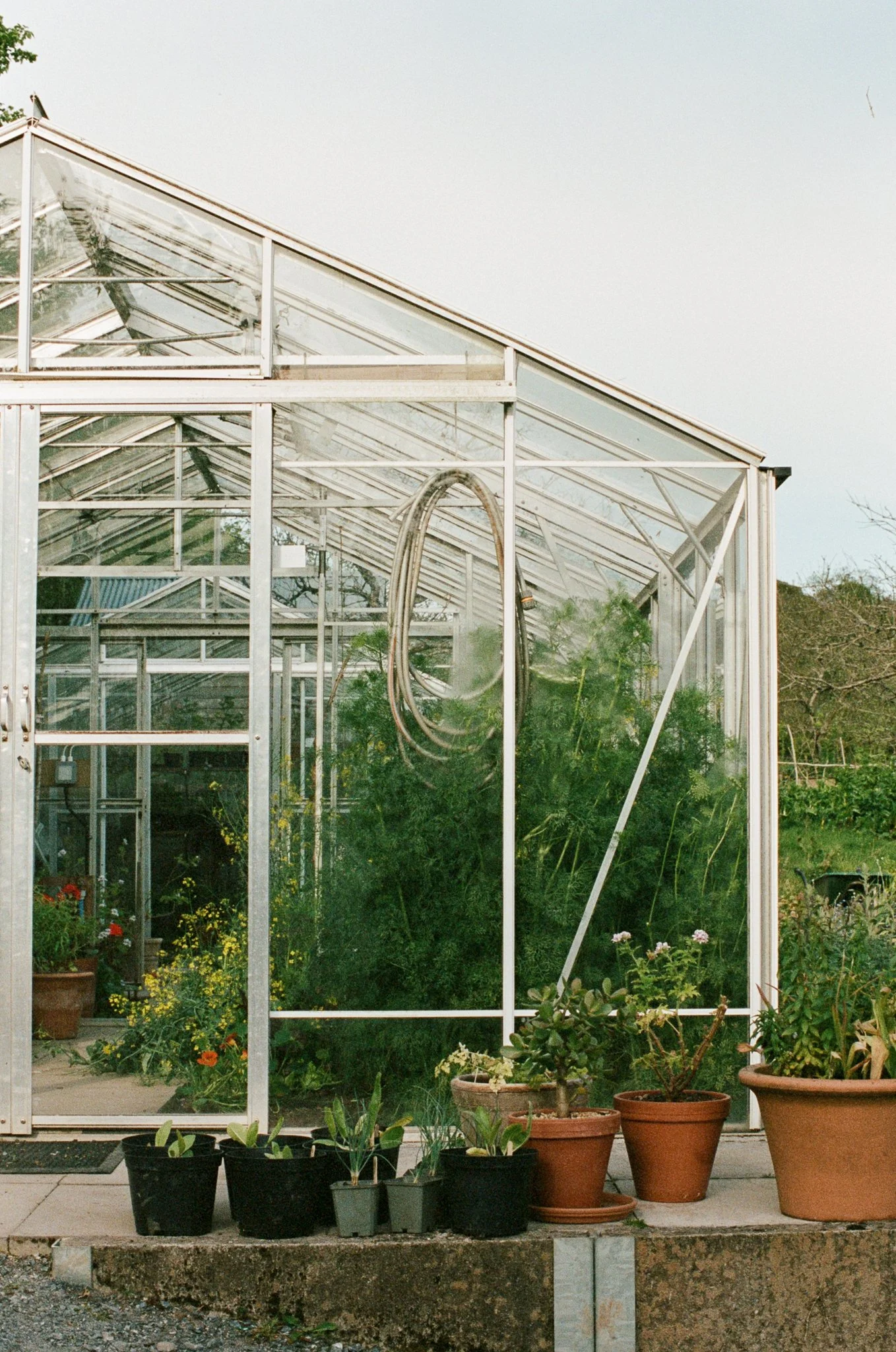
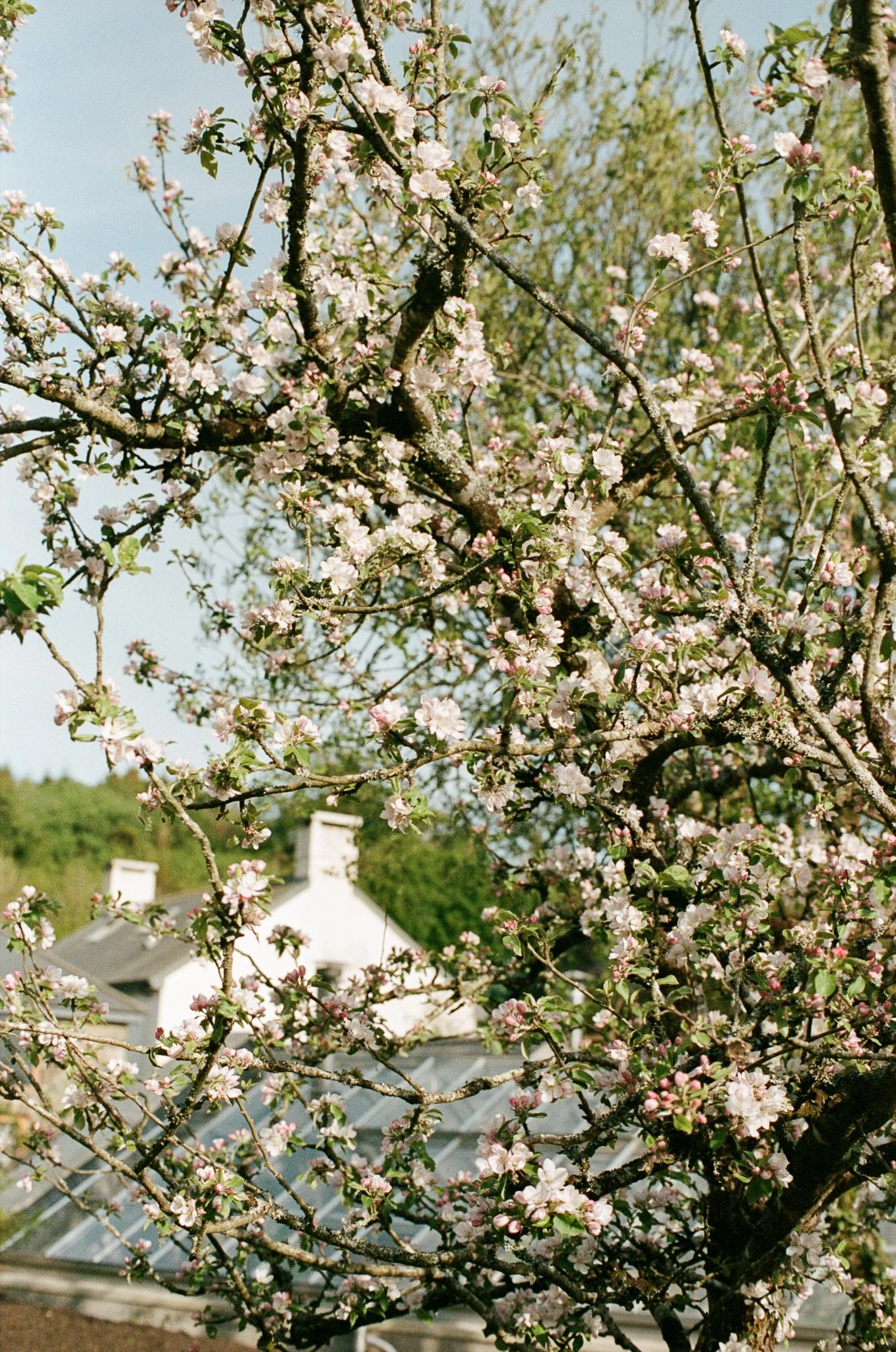
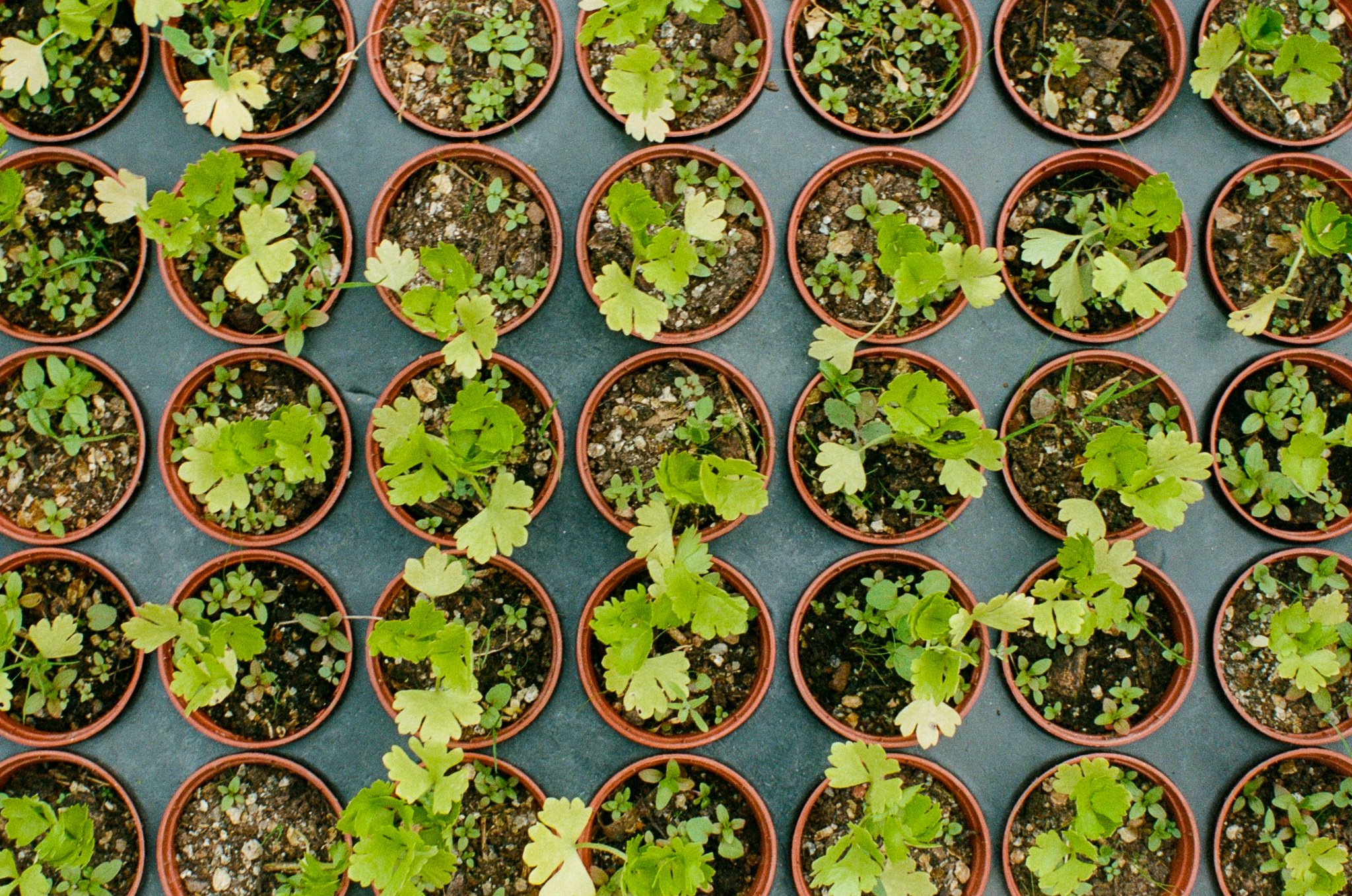
In late spring, I was invited to experience it firsthand during the Spring Equinox celebration at Fowlescombe Farm. The orchard was speckled with blossom, its branches laden with delicate pink and white flowers that drifted softly in the breeze. In the greenhouse, the spring revealed itself more quietly: trays of seedlings, each with hope of the harvests that would emerge in the months ahead. The farm moves according to the rhythms of weather, soil and season; a constant exchange between what is cultivated and what is allowed to flourish on its own terms.
At Fowlescombe there is a sense that the garden does not stand apart from the wider landscape but exists within it; as though gardening becomes an act of listening as much as intervening - a process of working with the character of the land rather than against it.
The photographs that follow, alongside a conversation shared with Head Gardener at Fowlescombe Farm, Shelley, about growing, harvesting and seasonality, explore this relationship between landscape and cultivation. Shelley offers an insight into Fowlescombe as a living ecosystem: a place where beauty emerges not only from what is grown, but also from the journey each ingredient takes from soil to plate. It is this intricate connection between people, plants and place that defines Fowlescombe - and perhaps explains why every meal served here feels so deeply rooted in the landscape that surrounds it.
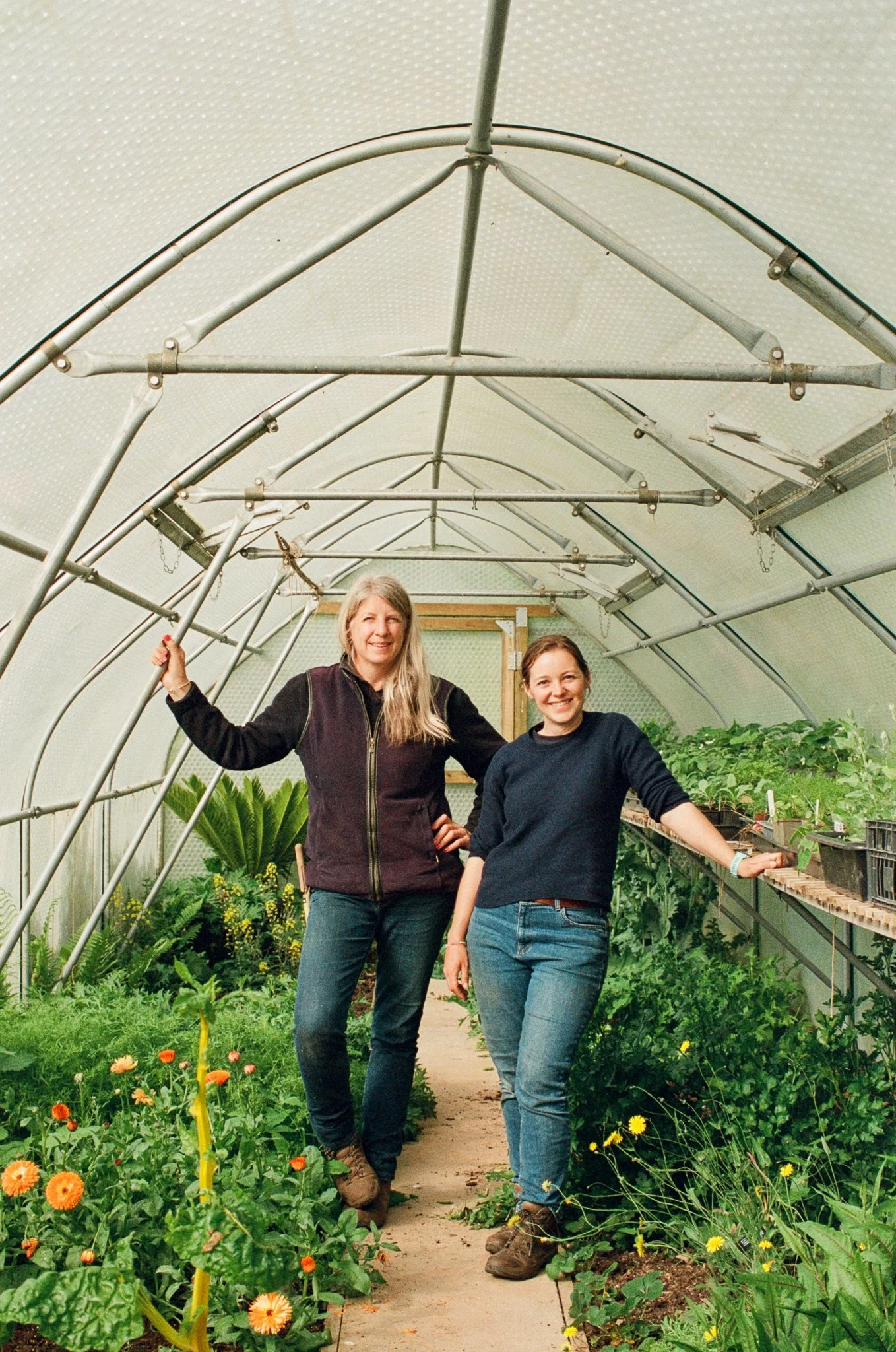
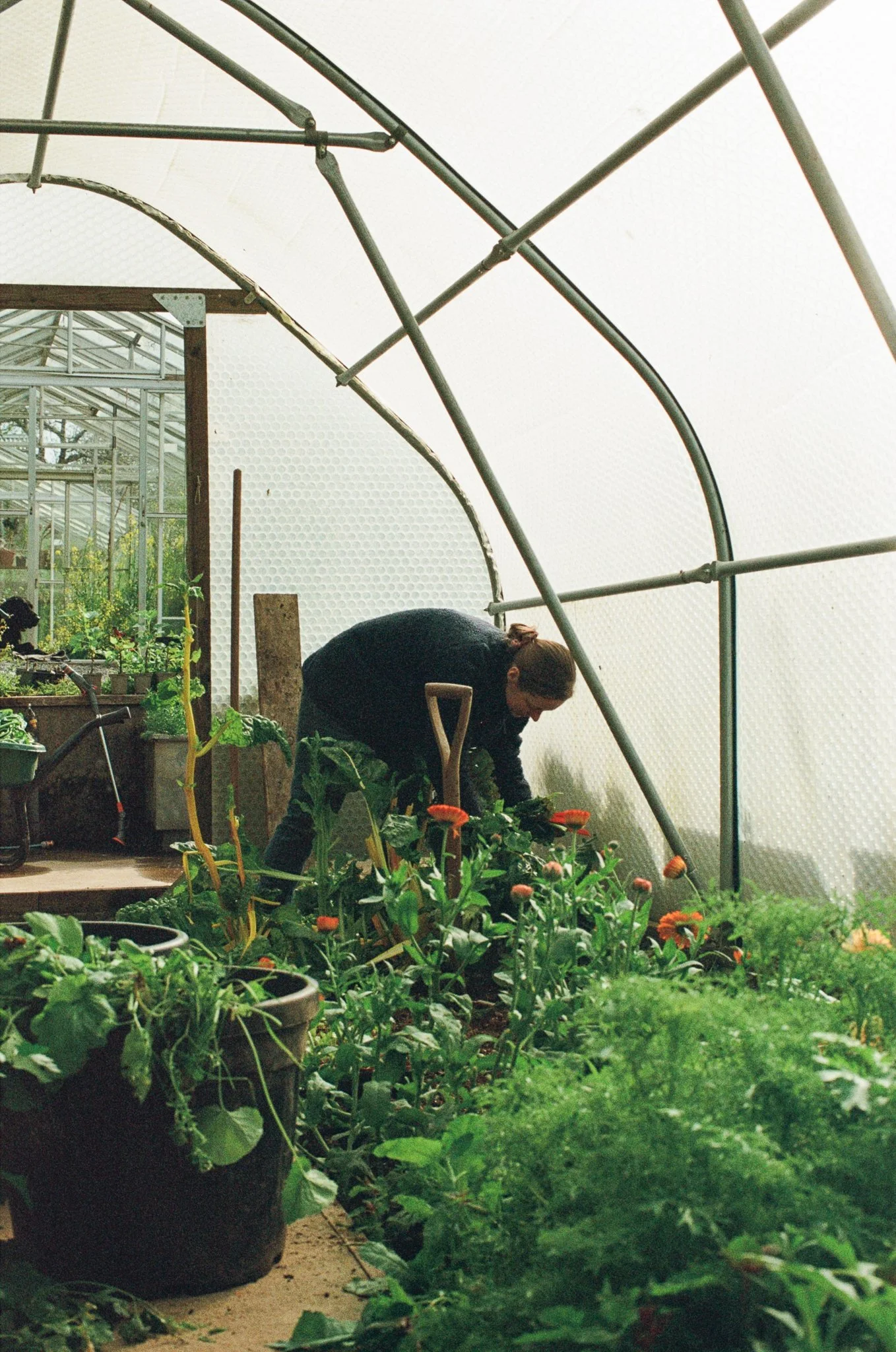
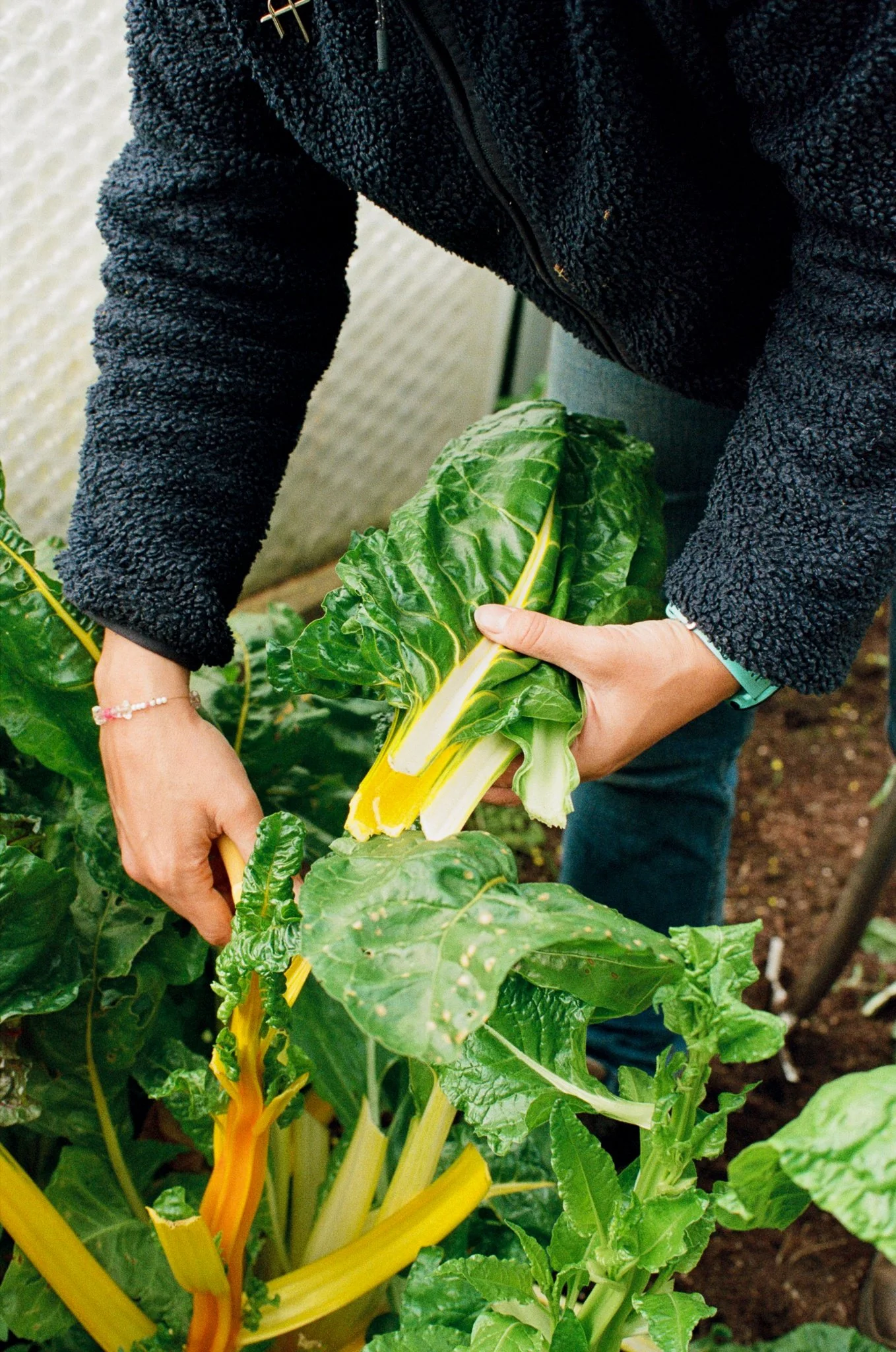
At Fowlescombe, there seems to be a very close relationship between what comes out of the garden and onto the plate. When you're planning the year ahead, do you start with the needs and ambitions of the kitchen, or do you begin by listening to what this land naturally wants to produce? How much of the menu is shaped by the realities of the soil, climate and landscape here in South Devon, and how much is driven by culinary ideas?
It is a very collaborative approach. I know what works here after many years of trial and error and can steer the needs of the kitchen towards crops that really thrive. On the flipside, there are always new and exciting crops to discover. We went to Martin Crawfords Forest Garden recently and we were all blown away by new plants we have never even dreamed of growing to eat!
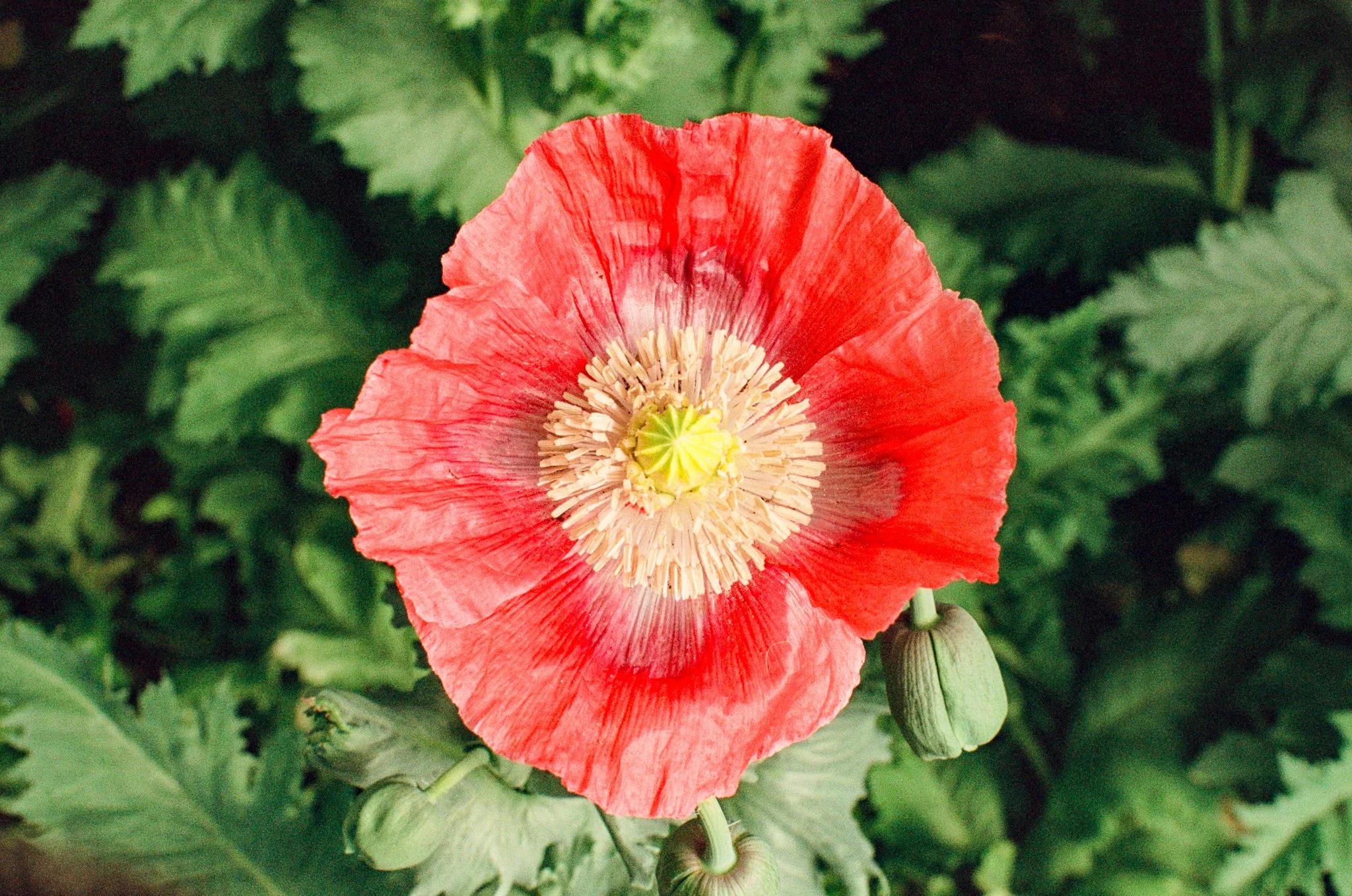
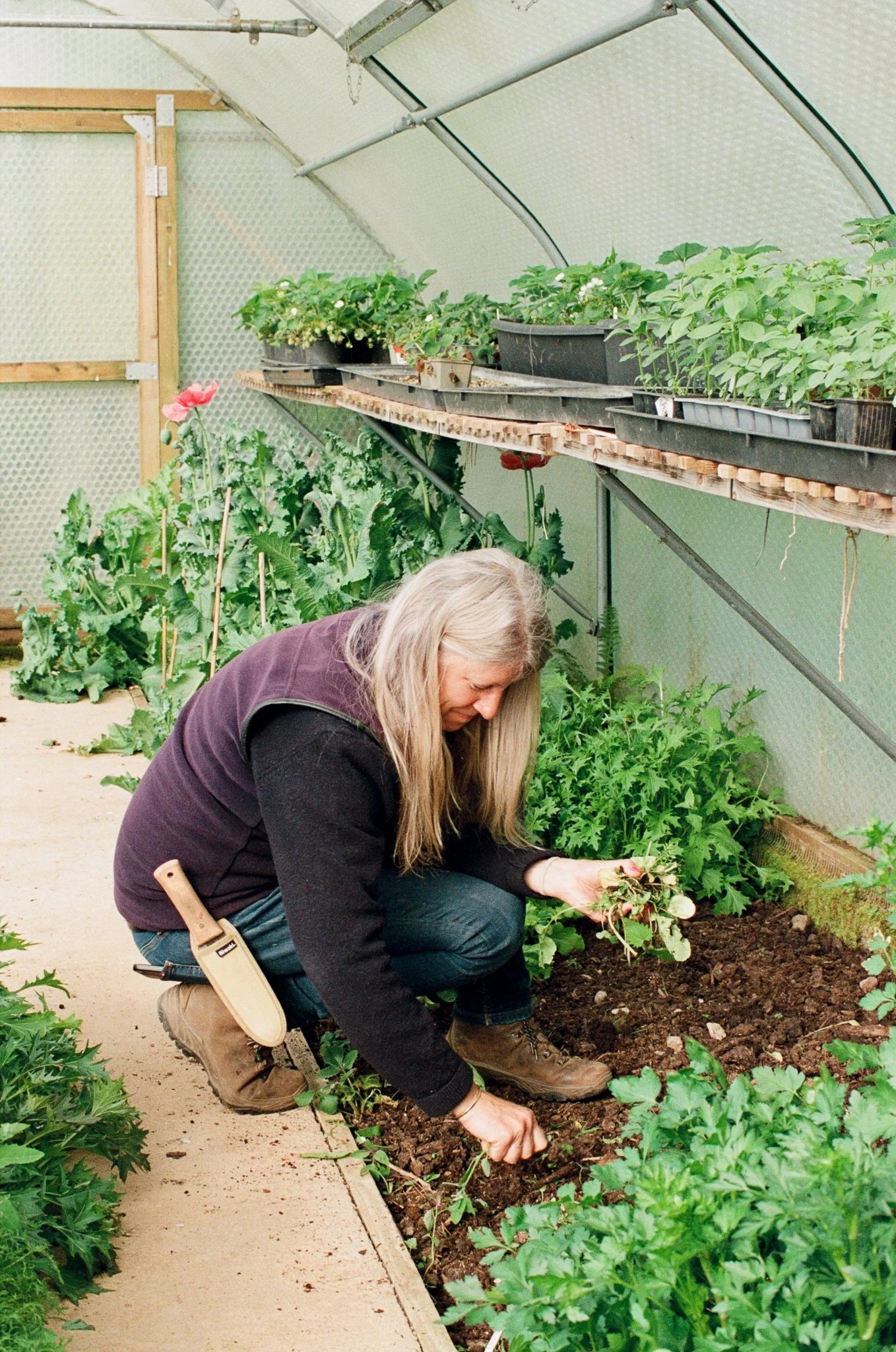
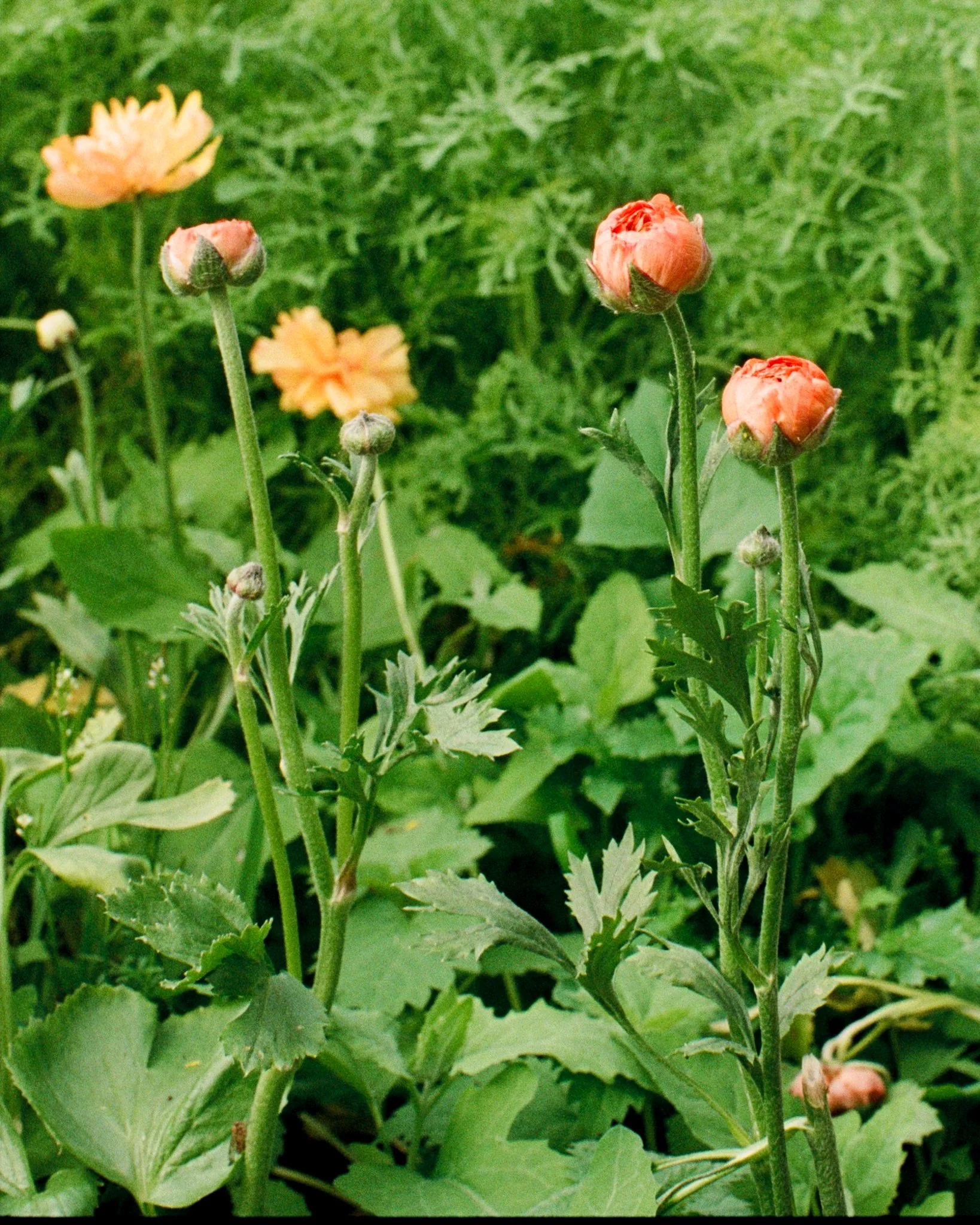
Spending time working this land, have you discovered particular crops, varieties, herbs, fruits or even wild plants that seem especially at home at Fowlescombe? Are there things that express the character of this place so clearly that they would taste, grow or behave differently if they were cultivated somewhere else? What is it about the estate - whether the soil, microclimate, surrounding woodland and pasture, or something less tangible - that gives those crops their distinct character?
I think that the garden team pour so much of their heart and soul into the garden, that shines through. We share every aspect, good and bad with the guests and try to immerse them in our world. We seed collect from the plants which are performing really well which means that in time these plants ‘heft’ to the soil and this garden. They thrive and become part of our landscape. We also take cuttings from all of our perennial crops for exactly the same reason. Some of these cuttings we give the guests as well, especially those who are avid gardeners.
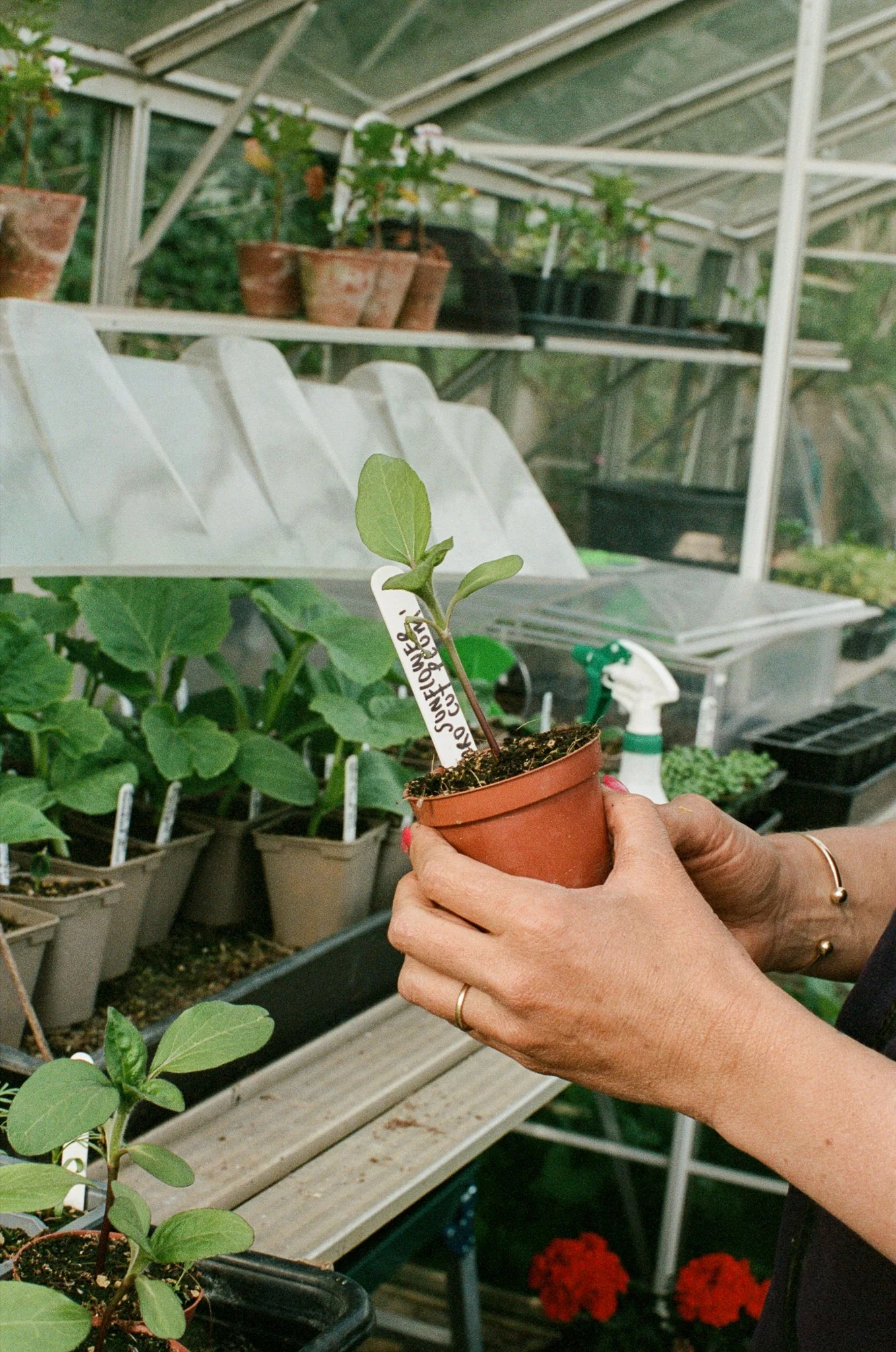
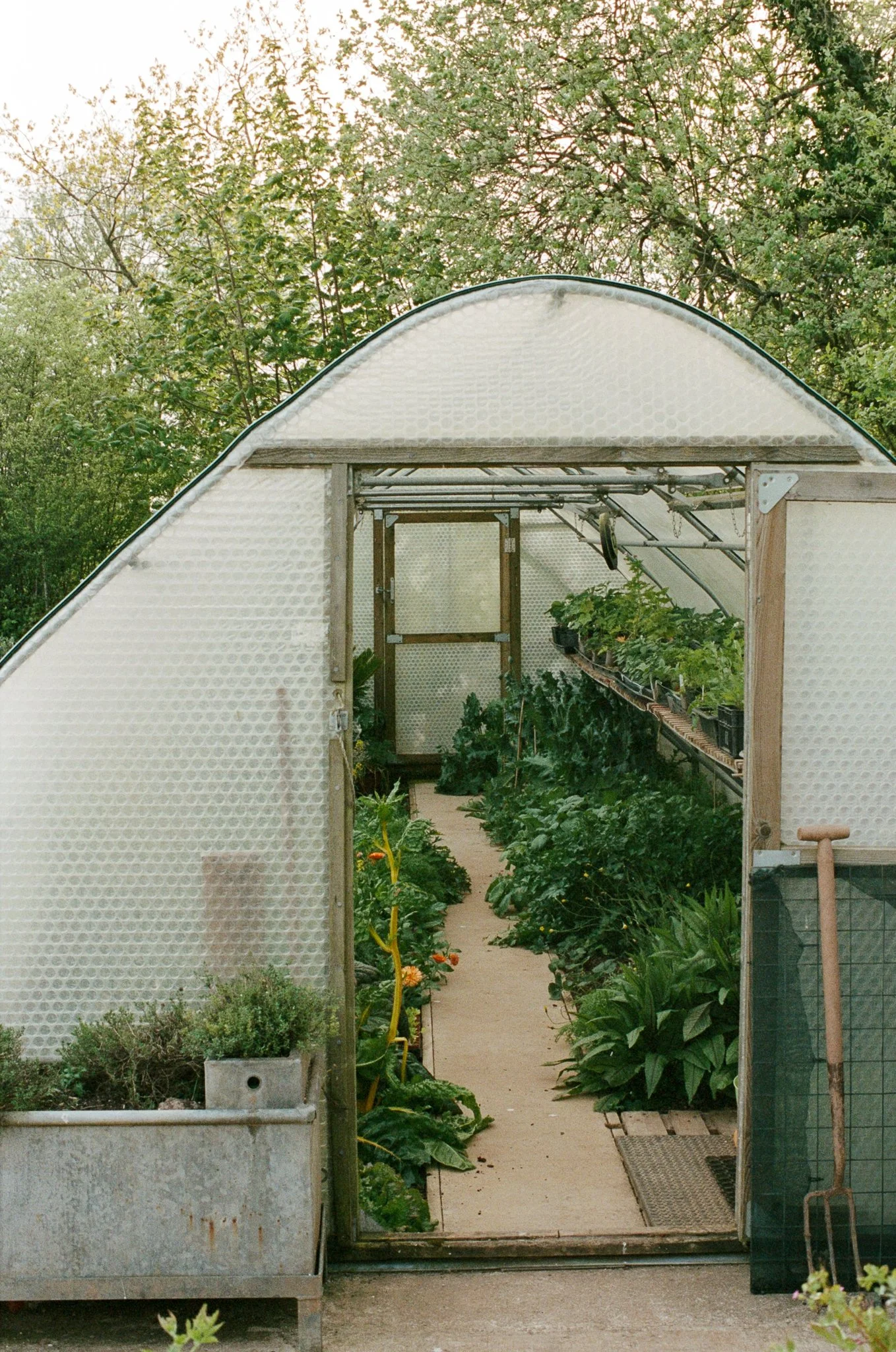
A restaurant often relies on consistency, yet gardening demands an acceptance of unpredictability. How do you navigate this at Fowlescombe? Has the increasing unpredictability of recent seasons altered the way you plan, plant or think about resilience in the garden?
Maybe the majority of restaurants may rely on consistency but ours is embedded in the garden and our chefs love to rise to the challenge. There is a huge amount of unpredictably but we aim to be as transparent as possible with the kitchen and if a crop is failing or on a more positive note, cropping earlier than expected then we pass this on as soon as possible!
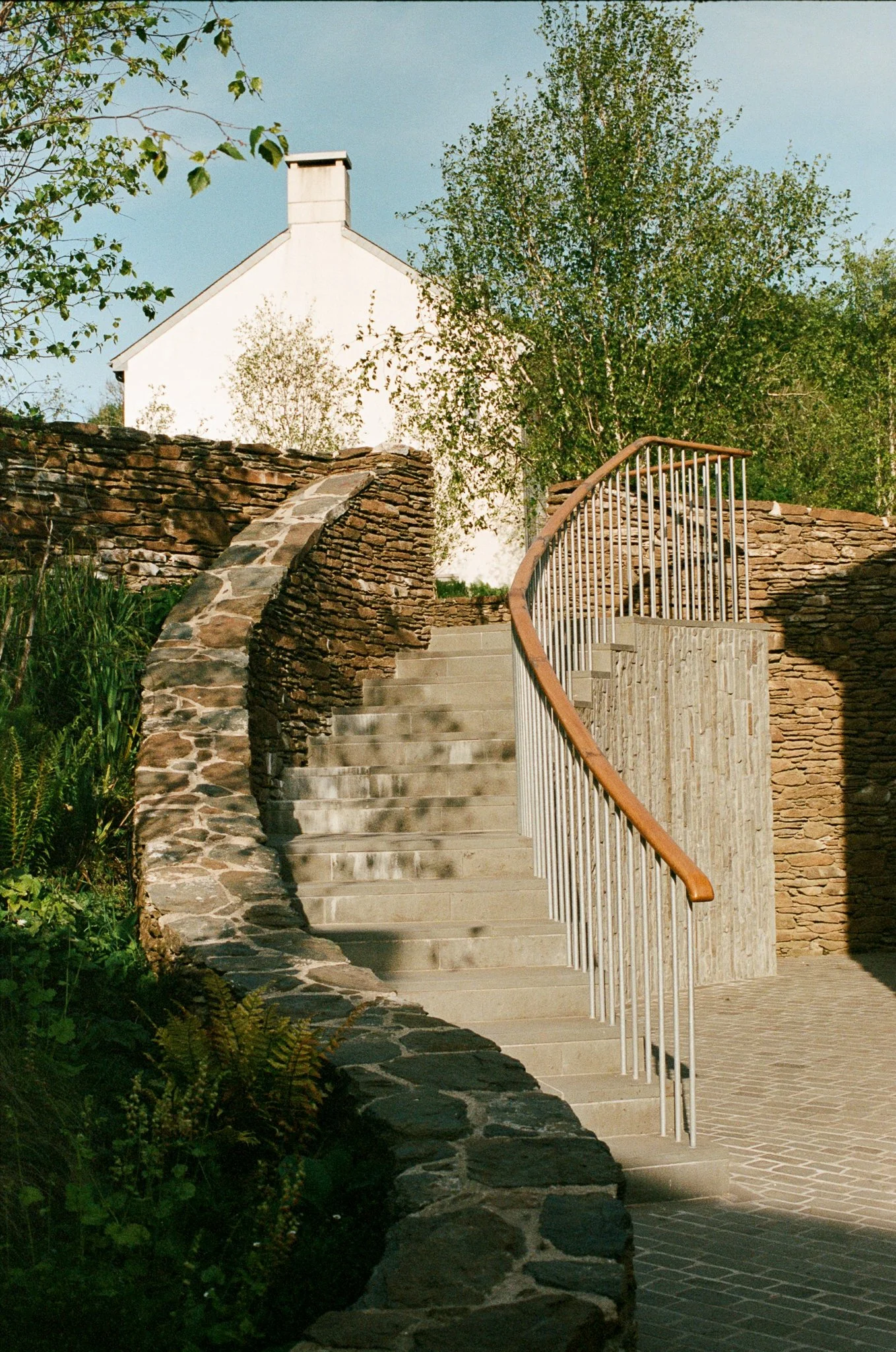
If someone had never visited Fowlescombe and you wanted them to understand the essence of the place through a single sensory experience, what would you choose? What, for you, best expresses the spirit of Fowlescombe, and why?
A walk through the herb garden in the summer – lemon balm and mint and scented leaf pelargoniums in the greenhouse. And tomatoes – side shooting tomatoes, green fingers and that amazing smell.
In the Autumn – the smell the lawns being cut, apples, damp soil on a misty morning. Bonfires!
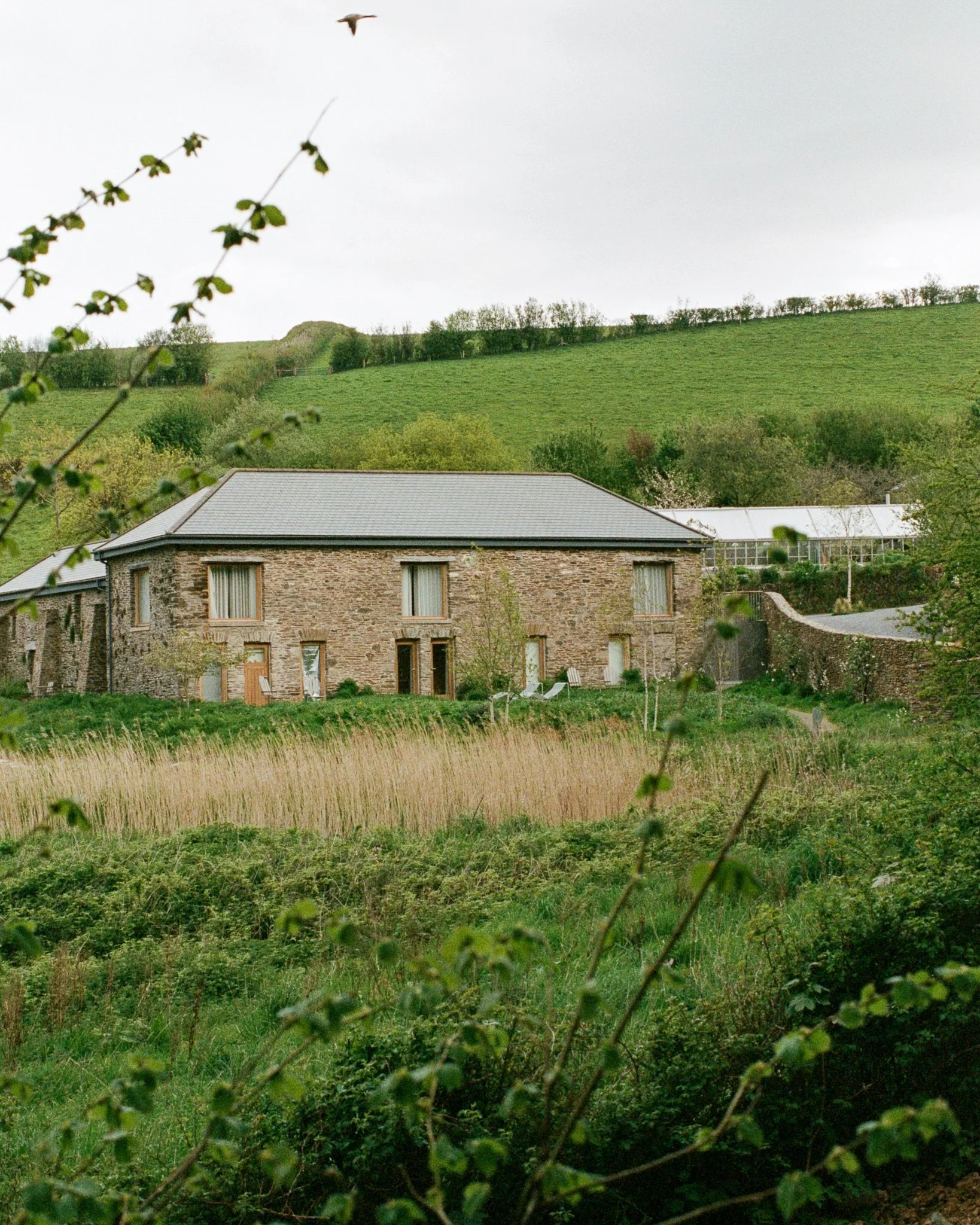
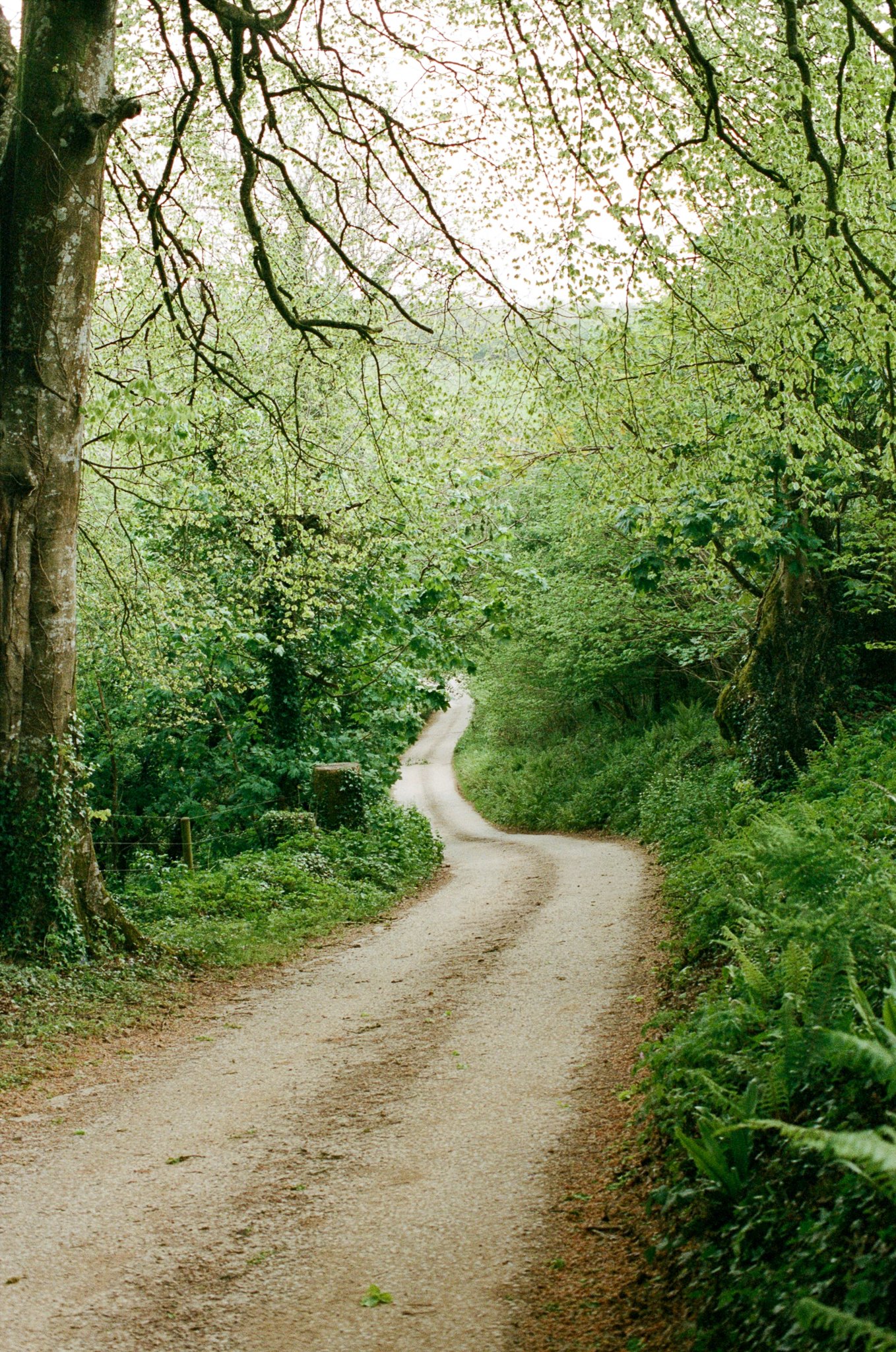
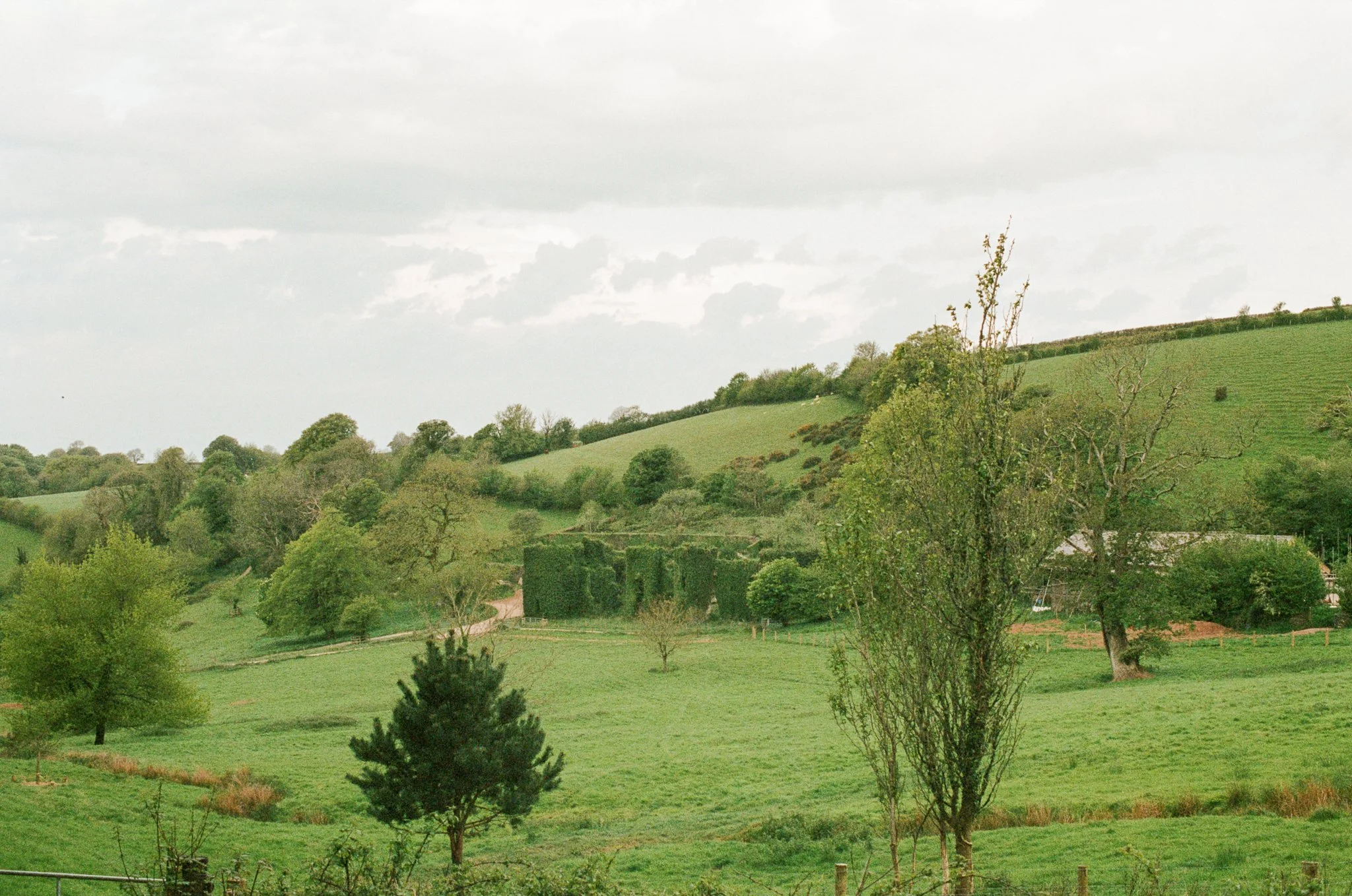
Many guests experience Fowlescombe through the food, but far fewer see the months of cultivation behind each ingredient. Is there a plant, crop, corner of the garden or growing practice that you feel tells an important story about this land and your approach to farming - something you wish more people understood when they sit down to eat here?
We work so hard to ensure that we compost everything in one way or another from the waste of the garden broth which goes in the rotating composter, coffee grounds sprinkled on the top of very compost bin, weeds chopped up with woodchip, side shoots of the tomatoes, menus and paper notes, vegetable peelings – it all gets mixed into the bins and carefully layered to create the best compost which then is spread out onto the soil after a year of making. Even the scallop shells get crushed into a calcium rich feed and the seaweed they are layered in goes to make a mineral rich tea to feed the plants. Nothing needs to leave in a bin bag! Full circle. Full cycle. Soil, back to the soil.
Text & pictures - Aniella Weinberger @aniellaweinberger
Fowlescombe Farm - @fowlescombe
www.fowlescombe.com